Match compression to swing speed: Under 85 mph → 40-65 compression (Callaway Supersoft, Srixon Soft Feel). 85-100 mph → 65-85 compression (Srixon Q-Star Tour, Vice Pro). Over 100 mph → 85-100+ (Pro V1, Chrome Tour). Playing the wrong compression costs you 5-10 yards per club.
Our #1 Pick: ~$35/dz at Amazon — Check Today's Price →Read the full guide below for all 35 products tested.
Our Verdict
Match compression to swing speed: Under 85 mph → 40-65 compression (Callaway Supersoft, Srixon Soft Feel). 85-100 mph → 65-85 compression (Srixon Q-Star Tour, Vice Pro). Over 100 mph → 85-100+ (Pro V1, Chrome Tour). Playing the wrong compression costs you 5-10 yards per club.
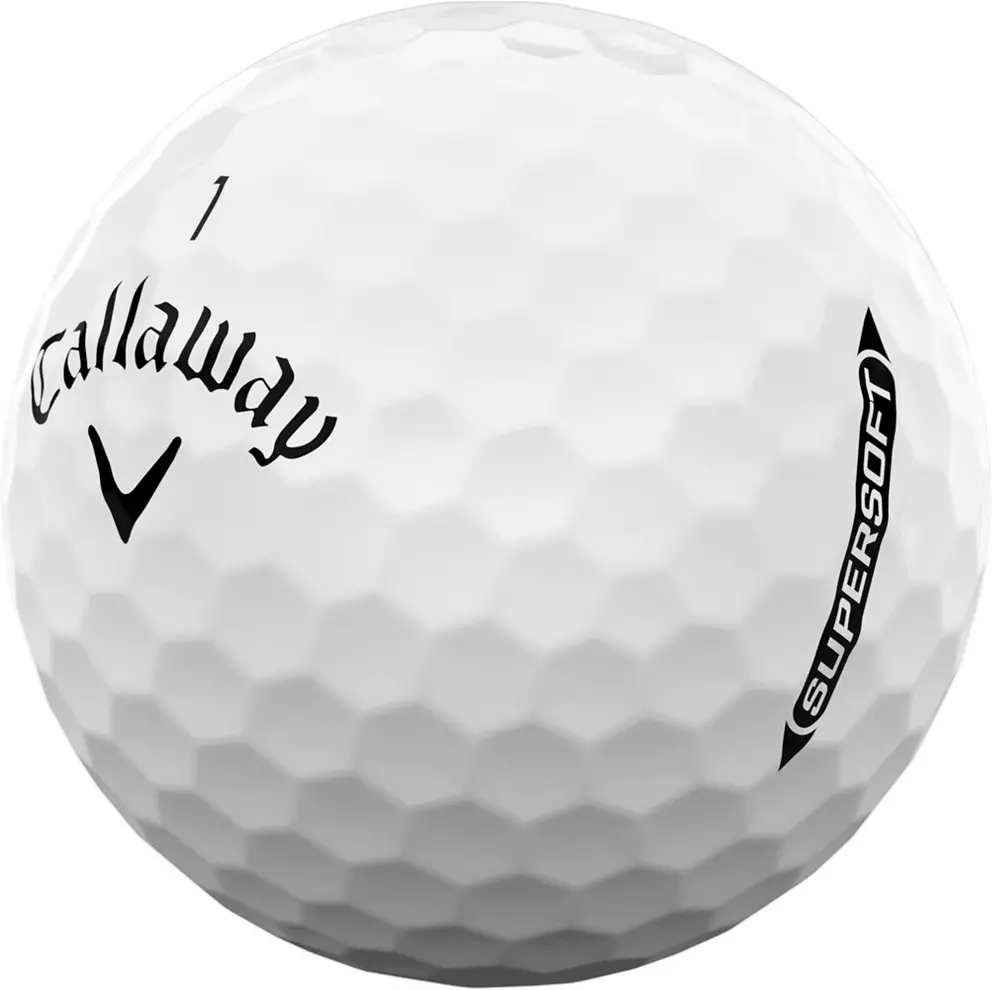
Callaway Supersoft
- Ultra-low compression — ideal below 85 mph swing
- Softest feel in the Callaway lineup
- Reduced spin for straighter flights
Prices change — click to see current price
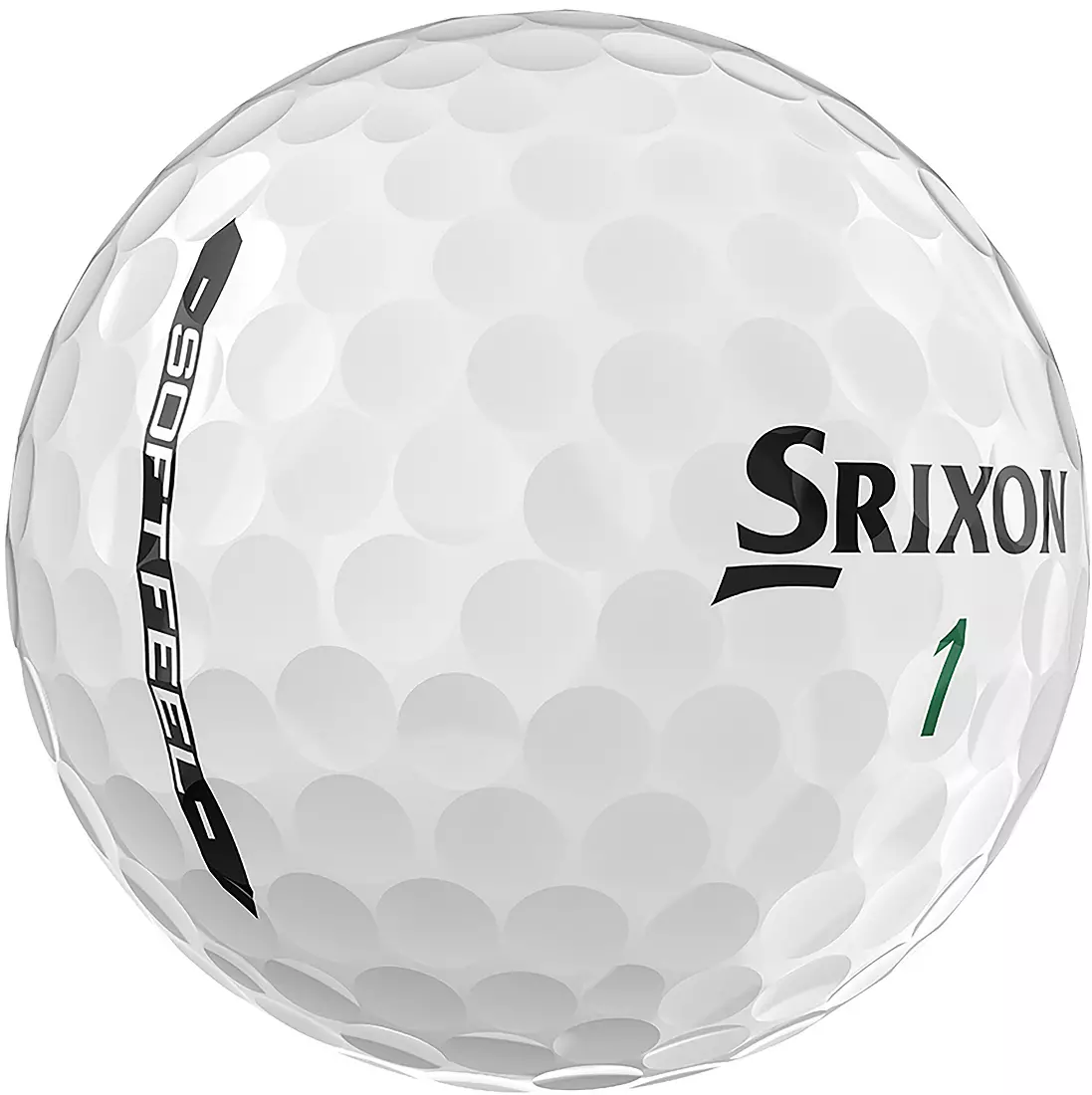
Srixon Soft Feel
- Low compression (60) — ideal for swing speeds under 90mph
- Soft Thin Cover for greenside control at half the price
- Best value 2-piece ball for recreational golfers
Prices change — click to see current price
Bridgestone e12 Contact
- 78 compression — mid-range core tuned for moderate swing speeds
- Contact Force dimple extends contact time for straighter flight
- Best value premium ball under $30 per dozen
Prices change — click to see current price
Golf ball compression is the single most important spec most golfers ignore. Playing a 95-compression tour ball at 80 mph is like compressing a rock — you lose distance, feel, and spin. This database lists every major golf ball in 2026 with its compression rating, cover material, layer count, spin profile, and the swing speed where it performs best. Click any column header to sort the table.
| Golf Ball | Compression | Price/Dz | Cover | Layers | Buy |
|---|---|---|---|---|---|
| Wilson DUO Soft+ | 35 | ~$20 | Ionomer | 2 | — |
| Callaway Supersoft | 38 | ~$25 | Ionomer | 2 | ~$25 → |
| Titleist TruFeel | 45 | ~$23 | Ionomer | 3 | — |
| Bridgestone e6 | 50 | ~$24 | Ionomer | 2 | — |
| TaylorMade Soft Response | 55 | ~$25 | Ionomer | 3 | — |
| Pinnacle Rush | 55* | ~$18 | Ionomer | 2 | — |
| Maxfli Softfli | 55* | ~$22 | Ionomer | 2 | — |
| Srixon Soft Feel | 60 | ~$27 | Ionomer | 2 | ~$27 → |
| Vice Drive | 60* | ~$17 | Surlyn | 2 | — |
| Kirkland Signature v3 | 65* | ~$26 | Urethane | 3 | — |
| Nitro Ultimate Distance | 65* | ~$12 | Ionomer | 2 | — |
| Noodle Neon | 65* | ~$20 | Ionomer | 2 | — |
| Vice Tour | 68* | ~$23 | Surlyn | 3 | — |
| Bridgestone e12 Contact | 68 | ~$28 | Ionomer | 3 | ~$28 → |
| Srixon Q-Star Tour BEST PICK | 72 | ~$35 | Urethane | 3 | ~$35 → |
| Callaway Chrome Soft | 75 | ~$40 | Urethane | 4 | ~$40 → |
| Mizuno RB Tour | 77* | ~$35 | Urethane | 4 | — |
| Titleist Tour Speed | 78 | ~$36 | Ionomer | 3 | ~$36 → |
| Vice Pro | 80 | ~$33 | Urethane | 3 | ~$33 → |
| TaylorMade Tour Response | 80* | ~$35 | Urethane | 3 | ~$35 → |
| Vice Pro Plus | 82* | ~$33 | Urethane | 4 | — |
| Bridgestone Tour B RXS | 83 | ~$48 | Urethane | 3 | — |
| TaylorMade TP5 | 85 | ~$50 | Urethane | 5 | ~$50 → |
| TaylorMade TP5 Pix | 85 | ~$50 | Urethane | 5 | — |
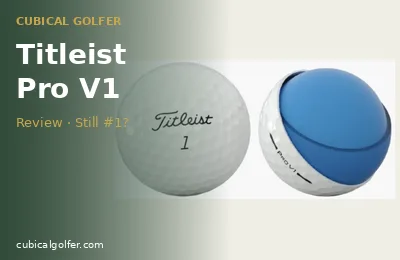
| Titleist Pro V1 | 87 | ~$55 | Urethane | 3 | ~$55 → |
| Bridgestone Tour B RX | 88 | ~$48 | Urethane | 3 | — |
| Callaway Chrome Tour | 90* | ~$58 | Urethane | 4 | ~$58 → |
| TaylorMade TP5x | 90 | ~$50 | Urethane | 5 | — |
| Srixon Z-Star | 90 | ~$42 | Urethane | 3 | — |
| Mizuno RB Tour X | 92* | ~$35 | Urethane | 4 | — |
| Srixon Z-Star XV | 95 | ~$42 | Urethane | 4 | — |
| Bridgestone Tour B X | 95 | ~$48 | Urethane | 3 | — |
| Titleist Pro V1x | 97 | ~$55 | Urethane | 4 | ~$55 → |
| Callaway Chrome Tour X | 98* | ~$58 | Urethane | 4 | — |
| Bridgestone Tour B XS | 100 | ~$48 | Urethane | 3 | — |
What Golf Ball Compression Actually Means
Compression measures how much a golf ball deforms when struck. It is rated on a scale from roughly 30 to 110. A low-compression ball (40-60) squishes easily against the clubface and springs back. A high-compression ball (85-100+) resists deformation and requires more force to compress properly. The critical insight: the ball must compress against the clubface to transfer energy efficiently. If your swing speed is too slow for the ball's compression, the ball does not fully compress. Energy is wasted. Distance is lost. Feel is harsh. A weekend golfer playing a Pro V1 at 80 mph gets worse results than with a Callaway Supersoft because the Supersoft compresses properly at that speed. Compression is measured differently by each manufacturer, which is why independent testing matters. Titleist and Bridgestone publish official ratings. Callaway and TaylorMade do not. Our database uses manufacturer data where available and MyGolfSpy independent testing where not — those ratings are marked with an asterisk.
How Compression Affects Your Distance
When compression matches your swing speed, three things happen simultaneously: maximum energy transfer (longest possible carry), optimal launch angle (the ball compresses and climbs off the face at the ideal trajectory), and the best possible feel (you sense the ball compressing against the grooves, giving you distance feedback in your hands). When compression is too high for your speed: you lose 5-10 yards because the ball does not fully compress and skids off the face with lower launch. It also feels harsh — like hitting a rock. When compression is too low for your speed: you lose 2-3 yards at most because the ball over-compresses and launches slightly higher with more spin. It feels mushy but the distance penalty is small. The asymmetry is the key takeaway. The penalty for too-firm compression is 3-5x larger than for too-soft. If you are between compression ranges, always go softer. A 90 mph swinger playing a 65-compression ball loses maybe 2 yards. The same swinger playing a 95-compression ball loses 8-10 yards.
How to Pick Your Compression by Swing Speed
Here is the definitive guide based on TrackMan data and our testing: Under 70 mph (most women, seniors over 70): compression 30-50. Best picks: Callaway Supersoft (38), Wilson DUO Soft+ (35), Titleist TruFeel (45). These balls compress easily at slow speeds, maximizing carry. 70-85 mph (senior men, many women, some beginners): compression 50-65. Best picks: Srixon Soft Feel (60), Bridgestone e6 (55), TaylorMade Soft Response (55). A step firmer than the ultra-softs, these provide slightly more control without sacrificing distance. 85-100 mph (average male amateur — 15-25 handicap): compression 65-85. Best picks: Srixon Q-Star Tour (72), Callaway Chrome Soft (75), Vice Pro (80), TaylorMade TP5 (85). This is the sweet spot for most readers of this site. Over 100 mph (strong amateurs, scratch players, professionals): compression 85-100+. Best picks: Titleist Pro V1 (87), Callaway Chrome Tour (90*), Pro V1x (97), Bridgestone Tour B X (95). Only swing this fast? Then play these balls. If you do not know your speed, use this estimate: carry driver under 200 yards → under 85 mph. Carry 200-240 → 85-100 mph. Carry over 240 → over 100 mph.
Compression vs Feel — They Are Not the Same Thing
Many golfers confuse compression with feel. A low-compression ball feels softer — right? Usually, but not always. The cover material matters as much as the core compression for the sensation in your hands. A urethane-cover ball with 85 compression (like the Pro V1) can feel softer around the green than an ionomer-cover ball with 60 compression. The urethane cover compresses against the wedge grooves, creating a sensation of softness that the core compression does not capture. This is why the Pro V1 (87 compression) feels softer on chips and pitches than many 60-compression budget balls. For full shots (driver through mid-irons), core compression dominates the feel. For short game (wedges, chips, putts), cover material dominates. Choose compression based on your swing speed for distance. Choose cover material based on your short-game needs and budget — urethane covers spin more and feel softer around the green, but cost $10-25 more per dozen.
Complete Golf Ball Compression Database — 2026
Below is every major golf ball available in 2026, sorted by compression from lowest to highest. Click any column header to re-sort. Compression ratings marked with * are from independent testing where the manufacturer does not publish official numbers. All prices are approximate MSRP per dozen. Cover types: Urethane provides more greenside spin and softer feel. Ionomer is more durable and cheaper but generates less spin. Surlyn is a branded ionomer.
Tour Balls (85-100+ Compression)
Tour-compression balls are designed for swing speeds above 95 mph. They feature firmer cores that store and release more energy at high impact speeds, thin urethane covers for maximum greenside spin, and multi-layer construction (3-5 layers) that separates driver spin from wedge spin. These balls are used by PGA Tour professionals and strong amateurs. At swing speeds below 90 mph, tour balls lose 5-10 yards versus properly-matched mid-compression alternatives because the core does not fully compress. The greenside spin advantage of urethane is real, but you can get urethane in mid-compression balls like the Q-Star Tour (72) and Chrome Soft (75) — without the distance penalty.
⚖️ Affiliate link — we earn a small commission at no extra cost to you.
Mid-Compression Balls (65-85)
Mid-compression balls are the sweet spot for most male amateur golfers (85-100 mph). This is the largest segment of the market because it covers the average golfer. The best mid-compression balls pair a soft-to-medium core with a urethane cover — proper compression for your speed AND genuine greenside spin. The Srixon Q-Star Tour (72, urethane, $35) and Callaway Chrome Soft (75, urethane, $40) are the standouts. They compress efficiently at average amateur speeds while providing short-game control that ionomer-cover balls cannot match. A $35 Q-Star Tour produces equal distance to a $55 Pro V1 for an 88 mph swinger because both balls compress properly at that speed — the Pro V1 only pulls ahead above 95 mph.
⚖️ Affiliate link — we earn a small commission at no extra cost to you.
Low-Compression Balls (40-65)
Low-compression balls are for swing speeds below 85 mph — seniors, most women, and many beginners. They compress easily, producing maximum energy transfer at slower speeds. The Callaway Supersoft (38) is the most popular ball in this category and one of the best-selling golf balls in the world. The trade-off: most low-compression balls use ionomer covers that generate less greenside spin — chips and pitches roll out more instead of checking. For golfers who aim at the center of greens (not at pins), this trade-off is minimal. The Kirkland Signature v3 (65*, urethane, $26) is a notable exception — urethane cover at low compression for under $30. Do not let ego drive your ball choice. If your driver carry is under 200 yards, a low-compression ball is the correct choice — it will go further and feel better than any tour ball.
⚖️ Affiliate link — we earn a small commission at no extra cost to you.
Who Should Buy This — And Who Should Skip It
- Want to match the correct ball to your swing speed
- Curious whether your current ball is the right compression
- Shopping for a new ball and want data, not marketing
- Golf fitters and coaches recommending balls to students
- Already matched your ball with a fitter
- Shoot over 110 — fundamentals matter far more than ball choice
Frequently Asked Questions
What compression golf ball should I play?
Does compression actually matter?
What compression is the Titleist Pro V1?
What is the softest golf ball in 2026?
Is lower compression always better for slow swingers?
Does compression affect putting?
Why do some manufacturers not publish compression?
Can I tell compression by squeezing the ball?
Related Guides
🏢 More for Cubicle Golfers
You work 9-to-5. Golf is your weekend reset. These guides are built for your schedule.
Get the Free Golf Gear Buying Guide
The cheat sheet every weekend golfer needs before buying anything new. No spam, ever.
Browse All Guides →