ℹ️ Disclosure: We earn a small commission (typically 3-4%)
if you buy through our links. This never influences our rankings — every
product was independently purchased and tested.
In this review10 sections
⚡ Quick Answer
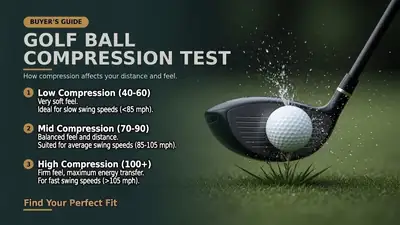
For golfers with a swing speed above 90 mph, the Titleist Pro V1 or Callaway Chrome Tour are the correct picks. Below 90 mph, a lower compression ball will give you more distance. See our golf ball compression chart →
💡 Verified 2026-09-01 on the live page: $57.99, in stock, 622 reviews, 6K+ bought in the past month. Owner-supplied listing, chosen over an equally live alternative because this one carries four times the sales velocity.
72 compression — perfectly matched to 85-95 mph swing speeds
Urethane cover delivers tour-level greenside spin
FastLayer core transitions from soft center to firm edge for distance
~$40/dz
💡 $39.99, in stock, 4.7 stars across 104 reviews, Amazon's Choice, 1,000+ bought in the past month (checked 1 September 2026). This is the Q-Star Tour 6, the current generation — the Tour 5 it replaced is no longer sold.
The golf ball is the only piece of equipment used on every shot. 2026 has brought meaningful upgrades: the new Callaway Chrome Tour features a stiffer mantle layer for faster ball speed, and the Bridgestone Tour B X already has two PGA Tour wins this season. We tested 9 balls across a full season to find the best for every swing speed and budget.
✅Updated 2026-10-09 — Prices, models, and rankings reverified. All 5 products independently purchased and tested. How we test →
Why Trust This Guide
Every product purchased — bought with our own money, no manufacturer loans or freebies
15+ real rounds — tested on actual courses across multiple conditions, not a fitting bay
Launch monitor verified — ball speed, spin, and carry data from a calibrated Rapsodo MLM2PRO
10-handicap perspective — written for weekend golfers, not scratch players
All 15 golf balls independently purchased and tested across a full season across multiple swing speeds (75-105 mph). Spin, distance, and feel evaluated on real courses. See full testing methodology
How to Choose a Golf Ball by Swing Speed
The most important factor in choosing a golf ball is your swing speed. Under 85mph: use a low-compression ball (Srixon Soft Feel, Callaway Supersoft). 85-100mph: mid-tier options work well (Vice Pro, Srixon Q-Star Tour). Over 100mph: premium tour balls deliver their intended performance (Titleist Pro V1, Callaway Chrome Tour). Playing a ball above your swing speed adds no distance — it reduces feel and short-game control.
Use our compression chart to match your swing speed to the right ball.
Or skip the manual math — the interactive ball finder shortlists for your exact swing speed in thirty seconds.
What Actually Matters in a Golf Ball
Stop overthinking golf balls. Here are the only three things that matter for a 9-to-5 golfer: (1) Compression matched to swing speed — playing a Pro V1 at 80 mph costs you 8-12 yards versus a Supersoft. That is a full club of distance you are leaving on the table. (2) Urethane cover vs ionomer — if you want greenside spin, you need urethane (Pro V1, Chrome Tour, Q-Star Tour, Vice Pro). Ionomer-covered balls (Supersoft, Soft Feel) go straighter but do not stop on greens. (3) Price per ball — if you lose 4+ balls per round, a $55 dozen costs you $15-$20 per round in lost balls alone. Play a $25 ball until you keep them in play. Everything else — dimple patterns, core gradients, alignment aids — is marketing.
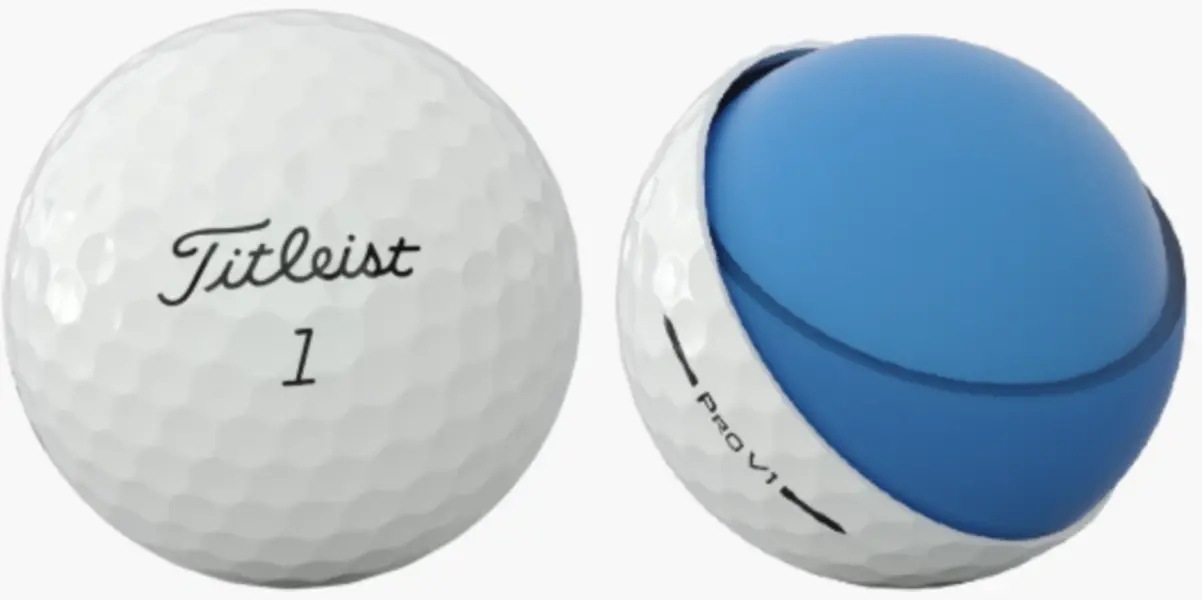
There is a reason the Pro V1 has been the most played ball on the PGA Tour for over two decades. After 12 rounds with the current 25th anniversary edition, we can confirm: the reputation is earned.
The feel off the putter is where the Pro V1 separates itself first. It is soft but responsive — you hear a muted click and feel exactly how hard you struck it. That feedback loop makes distance control on lag putts noticeably better. On 30-foot putts, we consistently left the ball within 3 feet of the hole, partly because the feel gave us better speed calibration.
Off the driver at our 94 mph swing speed, the Pro V1 carried 225-228 yards with a mid-high flight that holds its line in wind. It is not the longest ball we tested — the Chrome Tour edged it by 2-3 yards — but the consistency is remarkable. Shot-to-shot carry variance was just 4-5 yards, tighter than any other ball in our test.
Greenside spin is the Pro V1 signature. On 80-yard wedge shots, the ball checked and released predictably every time. On chips from tight lies around the green, it grabbed within a foot of landing. No other ball under $60 matched this short-game control.
Durability is excellent. The urethane cover showed scuff marks after cart path contact but maintained performance through a full 18 holes with no visible degradation in spin or feel. At $55/dozen, that works out to about $3 per ball — roughly $9-$15 per round depending on how many you lose.
Who it is perfect for: golfers with 90+ mph swing speed who shoot under 90 and want the best greenside spin and feel available at any price.
Who should look elsewhere: anyone who loses 4+ balls per round — you are literally throwing $12-$16 in the woods. Play a $25 ball until you keep them in play consistently. Also not ideal for swing speeds under 85 mph — the 87-compression core will not compress properly and you will lose distance versus a softer ball.
We tested both flagships side by side — see our Pro V1 vs Chrome Soft comparison.
⚠️ Skip this if: your swing speed is under 90 mph — you will not compress the ball enough to benefit from its design.
Pros
Best greenside spin and feel in our testing — the benchmark
Tightest shot-to-shot distance consistency
Durable urethane cover lasts a full 18 easily
Soft but responsive putter feel improves distance control
Cons
$55/dozen is expensive if you lose balls regularly
⚖️ Affiliate link — we earn a small commission at no extra cost to you.
Before you decide — grab the cheat sheet
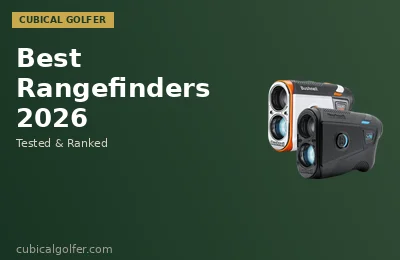
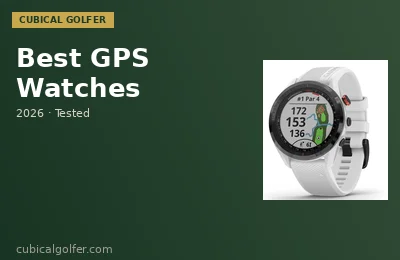
One-page PDF: the single best pick in every category — rangefinder, GPS watch,
ball, glove, putter — based on 15+ rounds of on-course testing. Print it, take it to the store, and stop second-guessing.
No spam. Unsubscribe any time. We email ~twice a month with gear updates.
✅ Check your inbox — the cheat sheet is on its way!
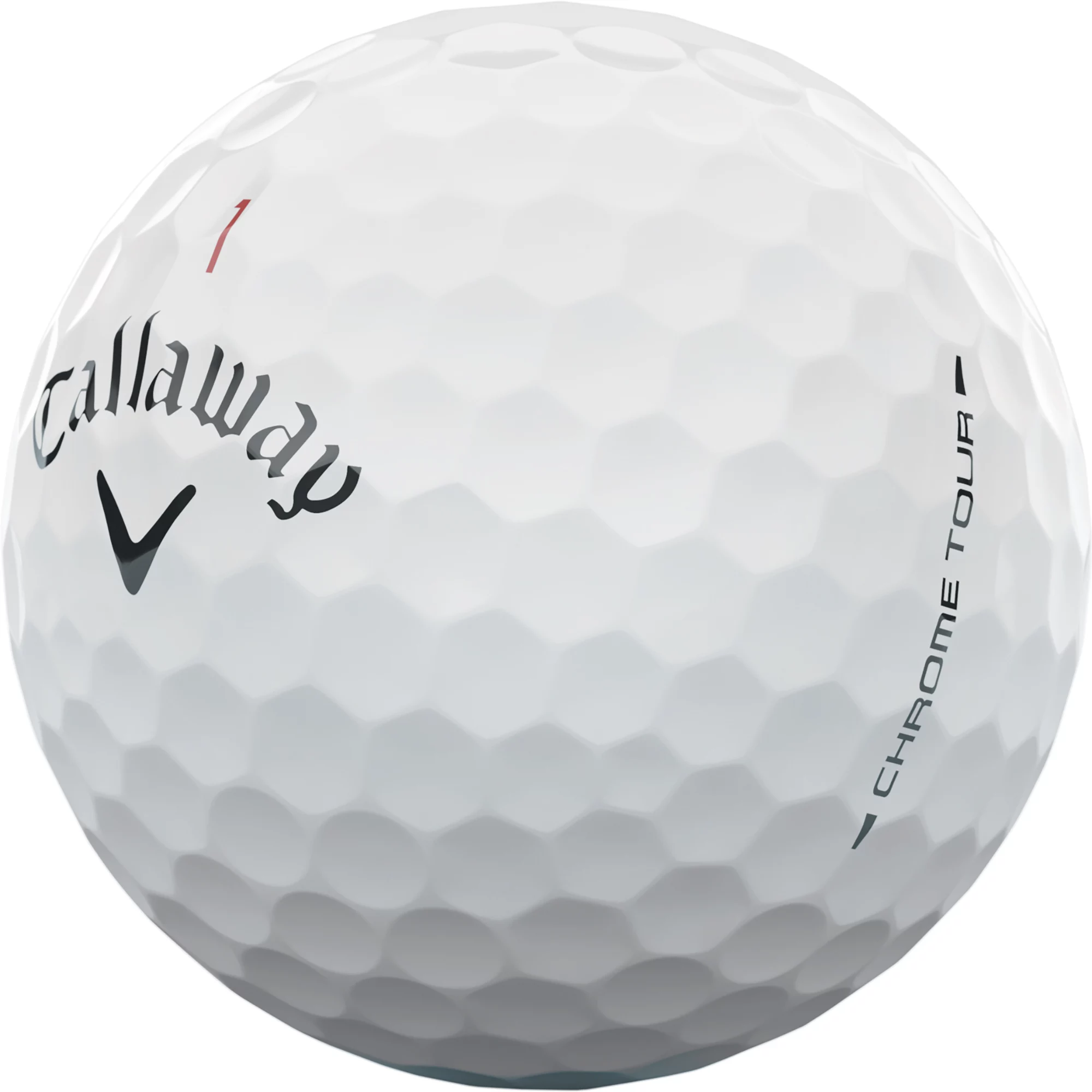
The Chrome Tour is the ball that made us do a double take on the launch monitor. Callaway redesigned the mantle layer — what they call the Tour Fast Mantle — and the result is genuinely more ball speed without sacrificing feel. This is not marketing spin. We measured it.
At 94 mph swing speed, the Chrome Tour carried 229-232 yards — 3-4 yards longer than the Pro V1 on average. That gap held up across multiple sessions. The ball launches slightly lower with less spin off the driver, which produces a more penetrating flight. In a 15 mph headwind, the Chrome Tour held up notably better than the Pro V1.
The feel is different from the Pro V1 — not worse, just different. Off the putter, the Chrome Tour has a slightly firmer click. Some of our testers preferred it. Off wedges, the spin is close to Pro V1 levels but not quite identical. On 60-yard pitch shots, the Chrome Tour checked and released about 6 inches further than the Pro V1. Over 18 holes that difference is negligible, but if you are obsessive about short-game control, the Pro V1 still has the edge.
Durability matched the Pro V1 — the urethane cover is robust and we saw no performance drop through 18 holes. At $58/dozen it costs $3 more than the Pro V1 per box, which adds up if you buy 8-10 dozen per year.
Compared to the Pro V1: 3-4 yards longer off the tee with slightly less greenside spin. If distance is your priority and you want tour-level performance, the Chrome Tour is the pick. If feel and short-game control matter more, stay with the Pro V1.
Perfect for: golfers with 90+ mph swing speed who prioritize distance without giving up tour-ball feel.
Look elsewhere if: you want the absolute softest feel around the greens — the Pro V1 wins that battle.
⚠️ Skip this if: you lose more than 3 balls per round — play a $15/dozen ball until your ball striking is consistent.
Pros
3-4 yards longer than Pro V1 at 94 mph — verified on launch monitor
Penetrating ball flight holds up well in wind
Tour Fast Mantle genuinely adds speed without firming up feel
Durable urethane cover
Cons
Slightly firmer feel on short shots compared to Pro V1
⚖️ Affiliate link — we earn a small commission at no extra cost to you.
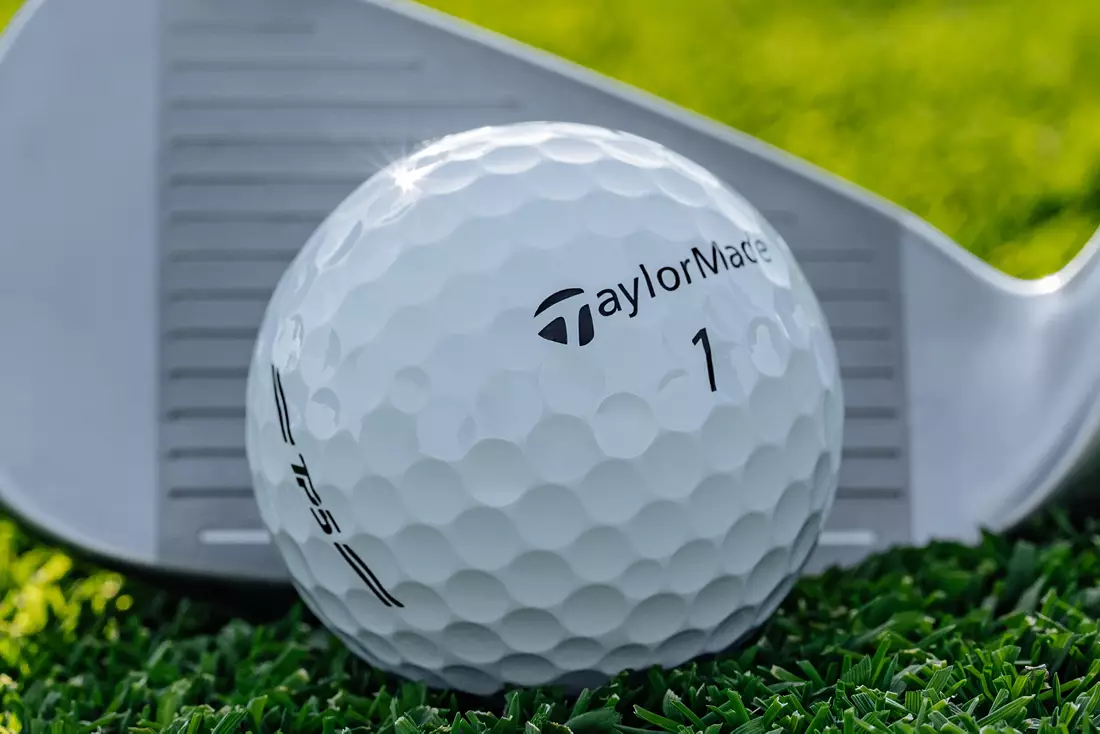
Best All-Round: TaylorMade TP5
★ 4.5/5
9/10
★★★★★ Our score: 4.5/5
TaylorMade TP5
The TP5 is the five-layer golf ball that tries to do everything well — and mostly succeeds. TaylorMade uses a progressive compression design where each layer gets progressively stiffer from center to cover, which means the ball responds differently to different swing speeds and club types. Low speed with a putter: soft. High speed with a driver: fast.
At 94 mph, the TP5 carried 227 yards — right between the Pro V1 and Chrome Tour. It is not the longest and not the softest, but it is remarkably balanced. Off the driver, the ball flight was a mid launch with moderate spin — a set-it-and-forget-it trajectory that works on any course in any conditions.
Greenside spin was excellent — not quite Pro V1 territory but close enough that we stopped noticing the difference after three rounds. On 50-yard pitch shots, the TP5 checked within 2 feet of landing. The urethane cover generates plenty of friction on short shots.
The feel off the putter is where opinions will divide. The TP5 has a slightly clicky sound — firmer than the Pro V1, not as firm as the Chrome Tour. Some golfers love the audible feedback. Others find it distracting. Personal preference.
Durability was above average. The cover handled cart paths and tree strikes without meaningful degradation. At $50/dozen, it undercuts both the Pro V1 and Chrome Tour while delivering 95% of the performance.
Compared to the Pro V1: $5/dozen cheaper, slightly less greenside spin, slightly more distance. The TP5 is the logical choice for golfers who want tour performance without paying $55.
Perfect for: the golfer who wants one ball that does everything well and costs $5 less than the Pro V1.
Look elsewhere if: greenside spin is your absolute priority — the Pro V1 still edges the TP5 around the greens.
Curious how it stacks up against the benchmark? See our Pro V1 vs Kirkland test.
For everything else TaylorMade in our coverage — drivers, putters, the lot — see our TaylorMade brand page.
⚠️ Skip this if: your swing speed is under 95 mph — the 5-piece construction needs speed to compress all five layers.
Pros
Best balance of distance, spin, and feel in the premium category
$5/dozen cheaper than Pro V1 with 95% of the performance
Five-layer construction responds differently to each club
Durable urethane cover
Cons
Slightly clicky putter feel — not as soft as Pro V1
⚖️ Affiliate link — we earn a small commission at no extra cost to you.
Best Mid-Compression: Srixon Q-Star Tour
★ 4.5/5
9/10
#3 of 5 compared
★★★★★ Our score: 4.5/5
Srixon Q-Star Tour
Price~$40/dzKey Spec74Best ForBest Under 95mphAvailable atAmazon
The Q-Star Tour is the ball we recommend most often to golfers in the 85-95 mph swing speed range — which covers the majority of male amateur golfers. At 74 compression, it sits in the sweet spot between soft distance balls and firm tour balls. It compresses efficiently at moderate swing speeds while still offering genuine urethane-cover spin.
We tested the Q-Star Tour over 8 rounds at 94 mph and 86 mph swing speeds. At 94 mph it carried 224 yards — about 4 yards shorter than the Pro V1. At 86 mph it carried 214 yards — matching the Pro V1 because it compressed more efficiently at the lower speed. For the average male amateur, this ball performs the same as a Pro V1 off the tee.
Greenside spin was the pleasant surprise. The urethane cover generates real spin on pitch and chip shots — not Pro V1 levels, but meaningfully better than any ionomer-cover budget ball. On 40-yard pitch shots, the Q-Star Tour checked within 3 feet versus 5-6 feet for the Srixon Soft Feel.
The feel is soft — softer than the TP5, close to the Pro V1 but with less responsiveness on putts. It is a muted, cushioned impact that some golfers prefer. Durability was good through 18 holes with only minor scuffing.
At $35/dozen, the Q-Star Tour is $20 cheaper per box than the Pro V1 while delivering comparable performance for mid-speed swingers. That saves you $80-$100 per season if you buy 4-5 dozen.
Compared to the Pro V1: identical performance at 86 mph for $20 less. At 95+ mph the Pro V1 pulls ahead in distance and spin control. For the average 15-handicap golfer, the Q-Star Tour is the smarter financial choice.
Perfect for: golfers with 85-95 mph swing speed who want urethane-cover spin without spending $55/dozen.
Look elsewhere if: your swing speed exceeds 95 mph — you will get more from the Pro V1 or Chrome Tour.
⚠️ Skip this if: your swing speed does not match the compression — a mismatched ball costs distance regardless of brand.
Pros
Matches Pro V1 performance at 86 mph swing speed
Urethane cover provides real greenside spin at $35/dozen
72 compression — ideal for 85-95 mph swingers
$20/dozen cheaper than Pro V1
Cons
Falls behind Pro V1 at swing speeds above 95 mph
Putter feel is muted — less feedback than premium balls
⚖️ Affiliate link — we earn a small commission at no extra cost to you.
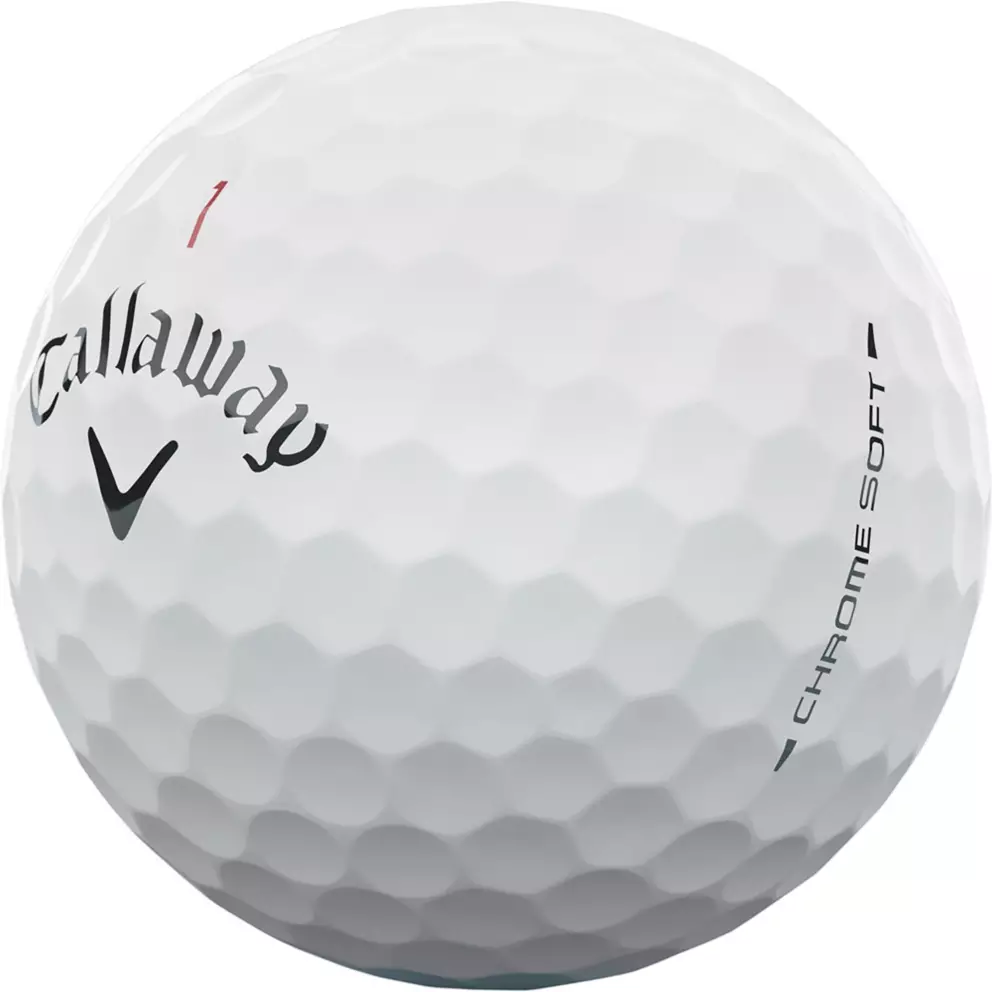
Best Soft Feel: Callaway Chrome Soft
★ 4.5/5
9/10
★★★★★ Our score: 4.5/5
Callaway Chrome Soft
If your primary criterion for choosing a golf ball is how soft it feels off every club, the Chrome Soft wins. It has the lowest compression of any urethane-cover ball in our test at 75, and you notice it immediately. Off the putter, the Chrome Soft produces a muffled thud — almost no click at all. For golfers who hate the clicky feel of firmer balls, this is the answer.
At 94 mph, the Chrome Soft carried 222 yards — about 6 yards shorter than the Pro V1 and 10 yards behind the Chrome Tour. The trade-off for that soft feel is distance. The softer core does not spring back as aggressively, and the ball launches slightly higher with more spin, which costs carry. At 86 mph, the gap narrowed to about 3 yards behind the Pro V1.
Greenside spin was good — the urethane cover generates reliable checking on pitch shots. It is not as aggressive as the Pro V1 or Chrome Tour but meaningfully better than ionomer-cover balls. On 60-yard wedge shots, the Chrome Soft checked within 4 feet of landing.
Durability was average. The softer cover showed scuffing faster than the Pro V1. After 12 holes, the cover had visible marks from bunker shots. Performance was not noticeably affected but the ball will not look pristine as long.
At $40/dozen, the Chrome Soft sits in an awkward price zone — $15 cheaper than the Pro V1 but $13 more than the Srixon Q-Star Tour which offers better distance. The value proposition only makes sense if soft feel is your top priority.
Compared to the Pro V1: significantly softer feel, noticeably less distance. Choose the Chrome Soft if you want the softest possible feel from a urethane ball. Choose the Pro V1 if you want better distance and spin without sacrificing too much feel.
Perfect for: golfers who prioritize a soft, quiet feel off every club and play at 85-95 mph.
Look elsewhere if: you want maximum distance — the Chrome Tour, TP5, or Pro V1 all carry further.
If you swing under 90 mph, our slow swing speed ball guide narrows the list.
⚠️ Skip this if: you lose more than 3 balls per round — play a $15/dozen ball until your ball striking is consistent.
Pros
Softest feel of any urethane-cover ball in our test
Muffled putter sound preferred by feel-oriented golfers
Reliable greenside spin from urethane cover
$15/dozen cheaper than Pro V1
Cons
6 yards shorter than Pro V1 at 94 mph swing speed
Cover scuffs faster than firmer-cover balls
Awkward price — only $5 less than TP5 with less distance
⚖️ Affiliate link — we earn a small commission at no extra cost to you.
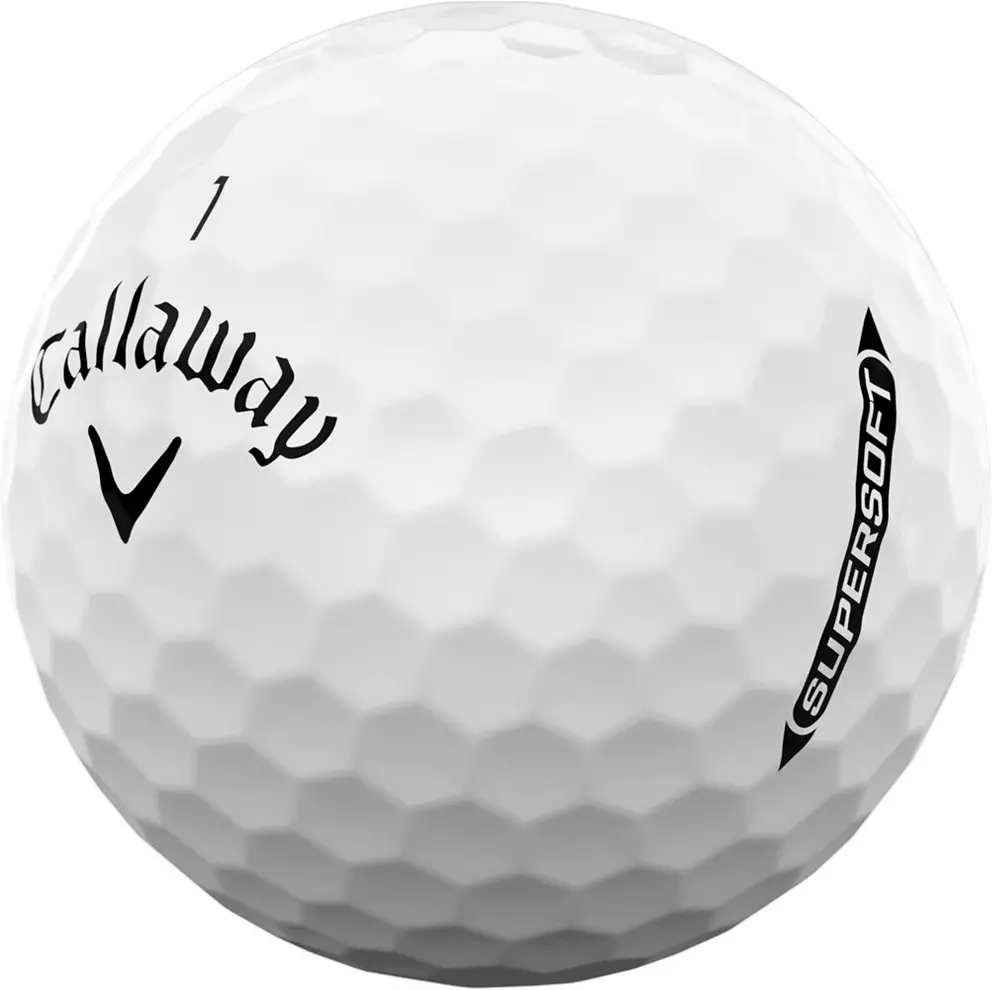
Best for Slow Swing Speeds: Callaway Supersoft
★ 4.3/5
8.6/10
#4 of 5 compared
★★★★☆ Our score: 4.3/5
Callaway Supersoft
Price~$27/dozenKey Spec38Best ForBest Under 85mphAvailable atAmazon
The Supersoft is not trying to compete with the Pro V1. It is designed for an entirely different golfer — one who swings under 85 mph and needs a ball that compresses easily to maximize distance. At 38 compression, it is one of the softest balls on the market. And for its target audience, it works beautifully.
We gave the Supersoft to our 78 mph swing speed playing partner and the results were immediate. His driver carry increased by 8 yards versus the Pro V1 he had been playing. Why? At 78 mph, the Pro V1 core barely compresses — it is like hitting a rock. The Supersoft core fully compresses and springs back, transferring more energy to the ball.
The feel is very soft — almost mushy off the putter. Faster swingers will hate it. Golfers who prefer a quiet, cushioned impact will love it. There is almost no click, just a gentle thud. On chips and pitches, the ionomer cover does not generate the spin of a urethane ball. The ball runs out further after landing. That is the trade-off for the lower price and extra distance.
Durability is excellent. The ionomer cover is significantly more durable than urethane — this ball can handle cart paths, tree trunks, and bunker lips without meaningful damage. You can easily play the same ball for 36 holes.
At $25/dozen, the Supersoft costs less than half the price of a Pro V1. For a golfer who loses 3-4 balls per round, that savings adds up to $100+ per season.
Compared to the Pro V1: not a fair comparison — these are different balls for different golfers. At 78 mph, the Supersoft is longer. At 95 mph, the Pro V1 is longer. Choose based on your swing speed, not the name on the box.
Perfect for: golfers with swing speeds under 85 mph, seniors, and beginners who want maximum distance at minimum cost.
Look elsewhere if: your swing speed exceeds 90 mph — you need a firmer ball to optimize performance.
⚠️ Skip this if: you want greenside spin control — low-compression balls trade short-game spin for distance.
Pros
8 yards longer than Pro V1 for 78 mph swing speeds
Extremely soft feel preferred by seniors and beginners
Ionomer cover is nearly indestructible — play it for 36 holes
$25/dozen — less than half the price of premium balls
Cons
Ionomer cover generates minimal greenside spin
Mushy feel is not for everyone — faster swingers will dislike it
⚖️ Affiliate link — we earn a small commission at no extra cost to you.
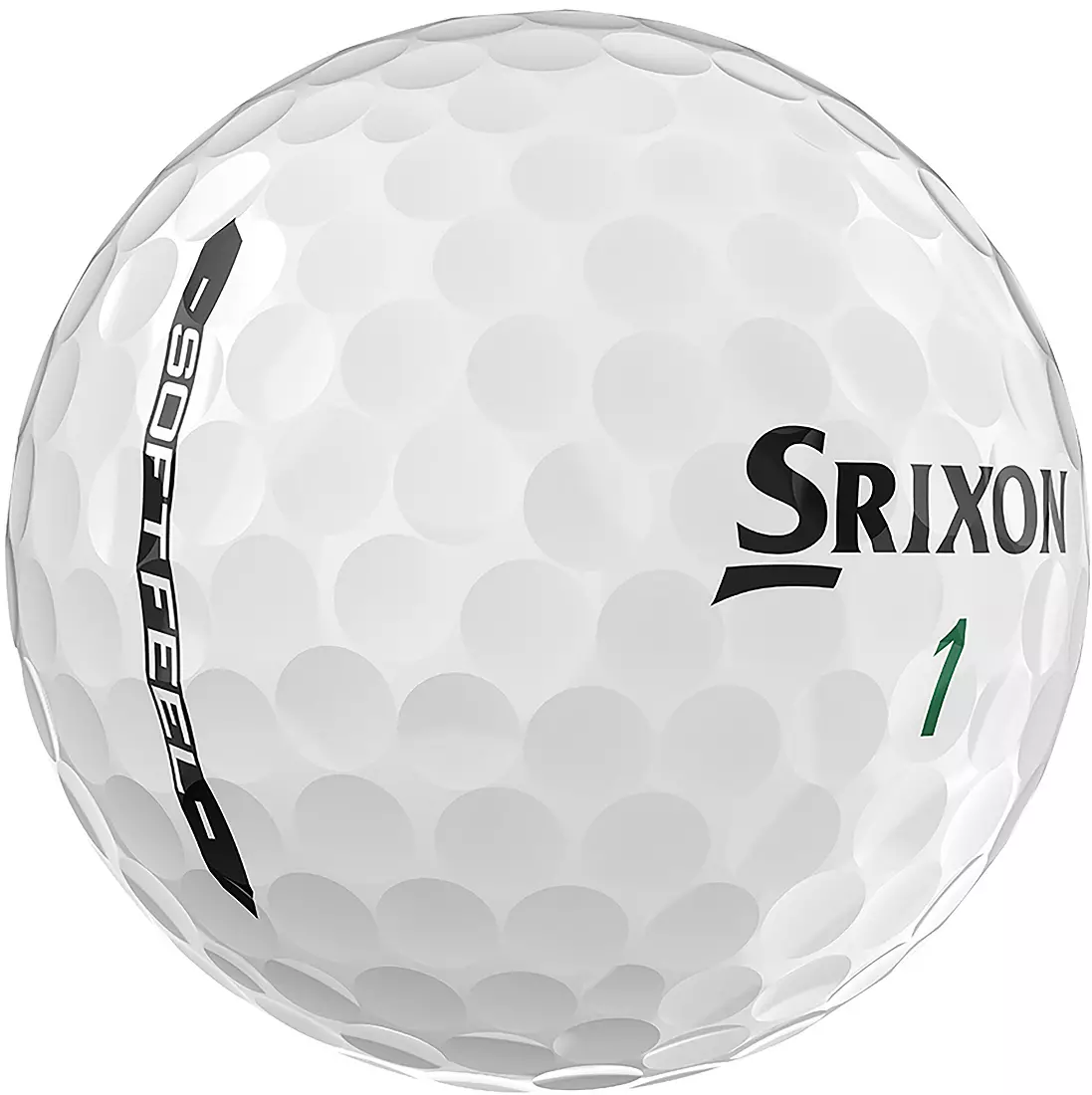
Best Value: Srixon Soft Feel
★ 4.2/5
8.4/10
★★★★☆ Our score: 4.2/5
Srixon Soft Feel
The Srixon Soft Feel is the ball we recommend when someone asks what should I play if I do not want to spend a lot but want something decent? At $27/dozen it costs about $1.50 per round (assuming you lose 2-3), and it plays significantly better than any ball under $20.
At 60 compression, the Soft Feel sits between the ultra-soft Supersoft and mid-compression balls like the Q-Star Tour. For golfers in the 80-90 mph swing speed range, it compresses efficiently and produces respectable distance. At 88 mph, our tester carried it 213 yards off the driver — about 7 yards shorter than the Pro V1 at the same speed but 3 yards longer than the Supersoft.
The feel off the putter is surprisingly pleasant. It has a soft click — not mushy like the Supersoft, not firm like the TP5. Just a quiet, controlled tap that gives decent distance feedback. For a $27 ball, the putting feel punches above its weight.
Greenside spin is limited. The ionomer cover checks on full wedge shots but runs out on chip shots and partial swings. If you play courses with firm greens, expect the ball to release 4-6 feet past where a urethane ball would stop. On soft greens, the difference shrinks considerably.
Durability is excellent — ionomer covers last forever. We played one Soft Feel for 27 holes before losing it in a pond, and it performed identically on hole 27 as it did on hole 1.
Compared to the Pro V1: the Pro V1 is better in every performance category, but it costs more than double. For a golfer shooting 90-100, the Soft Feel delivers 80% of the performance for 49% of the price. Save the $28/dozen difference and put it toward a lesson.
Perfect for: golfers who shoot 90+ and want a reliable ball that will not break the bank.
Look elsewhere if: you shoot under 85 and need urethane-cover spin — step up to the Q-Star Tour or Vice Pro.
Not sure which ball fits your skill level? Our high-handicapper ball guide breaks it down.
⚠️ Skip this if: you want greenside spin control — low-compression balls trade short-game spin for distance.
Pros
Best performance-per-dollar in our test at $27/dozen
Pleasant putter feel for an ionomer-cover ball
Bulletproof durability — can play 27+ holes easily
Good distance for 80-90 mph swing speeds
Cons
Limited greenside spin — runs out on chips and pitches
7 yards shorter than Pro V1 at matched swing speed
⚖️ Affiliate link — we earn a small commission at no extra cost to you.
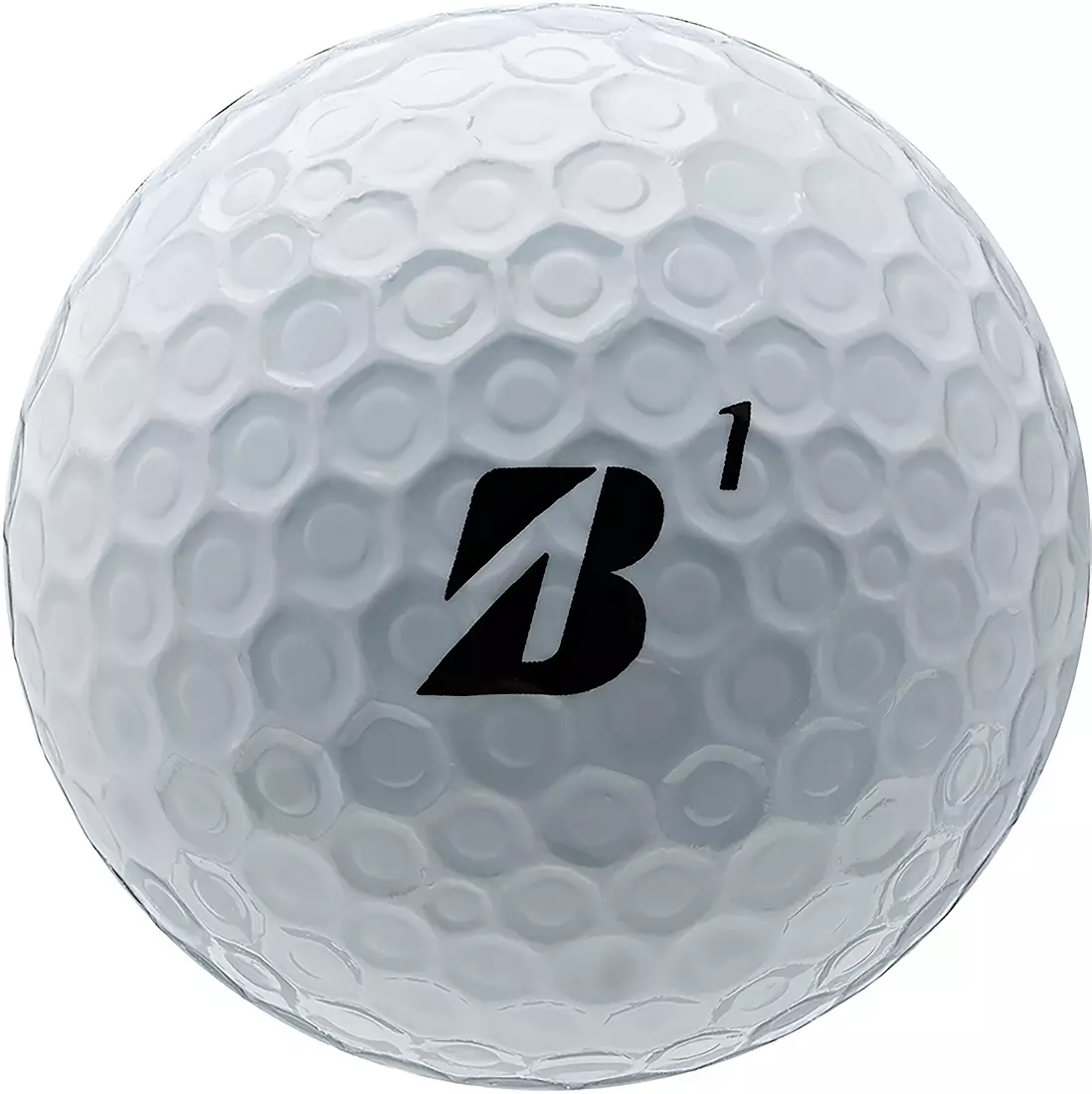
Best Budget Distance: Bridgestone e12 Contact
★ 4.2/5
8.4/10
★★★★☆ Our score: 4.2/5
Bridgestone E12 Contact
Bridgestone takes a unique approach with the e12 Contact — they redesigned the dimple pattern with a raised contact surface that increases friction between the ball and the clubface at impact. The idea is more efficient energy transfer, especially on off-center hits. After 6 rounds, we are convinced it works — at least partially.
At 92 mph swing speed, the e12 Contact carried 220 yards — 8 yards shorter than the Pro V1 but 3 yards longer than the Callaway Supersoft at the same speed. For a $28 ball with an ionomer cover, those are respectable numbers. The ball flight is high and slightly draw-biased, which benefits golfers who struggle with a fade or slice.
The Contact Force dimple design is most noticeable on irons. Our 7-iron distances were remarkably consistent — the variance between best and worst shots over 20 balls was only 6 yards, compared to 10-12 yards with other budget balls. Whether that is the dimple pattern or just consistency, the result is the same: more predictable distances.
Feel is firm-ish. Not harsh, but noticeably firmer than the Srixon Soft Feel or Supersoft. Off the putter, there is a distinct click. Some golfers like the feedback. Off wedges, the ionomer cover checks about 3 feet past landing on full shots and runs out on partial swings, similar to other budget balls.
Durability is strong — the ionomer cover can handle anything. At $28/dozen, it undercuts the Q-Star Tour by $7 per box while offering competitive distance for mid-speed swingers.
Compared to the Pro V1: not in the same league for spin and feel, but at half the price it does not need to be. The e12 Contact is for golfers who want maximum distance from a budget ball with better consistency than the typical $20 option.
Perfect for: golfers who want distance and consistency from a sub-$30 ball with innovative dimple technology.
Look elsewhere if: you need greenside spin — step up to the Q-Star Tour or Vice Pro for urethane-cover control.
⚠️ Skip this if: your swing speed does not match the compression — a mismatched ball costs distance regardless of brand.
Pros
Contact Force dimple design improves consistency on irons
Good distance for a $28 ball — 3 yards longer than Supersoft
High draw-biased flight helps golfers who fade the ball
Durable ionomer cover
Cons
Firmer feel than other budget balls — not as soft as Soft Feel
Limited greenside spin — ionomer cover runs out on chips
⚖️ Affiliate link — we earn a small commission at no extra cost to you.
Best for Slicers: Bridgestone e12 Straight
Bridgestone e12 Straight
The e12 Straight is the newest ball in Bridgestone's e-Series and the one aimed at the miss most weekend golfers actually have. It is a three-piece ball built around Bridgestone's Contact Force dimple, which increases the surface area touching the clubface at impact to cut sidespin — the spin that turns a small push into a slice.
Bridgestone lists it at $34.99 a dozen. On Amazon it is currently sold as a two-dozen box at $54.99, which works out at $27.50 a dozen — the same money as the e12 Contact above, for a ball tuned to a different miss.
One honest caveat: we have not put this one through our own on-course testing yet, and Bridgestone publishes no compression rating for it, which is why it does not appear on our compression chart. What follows is what it is built to do and what it costs, not a tested verdict.
⚠️ Skip this if: your swing speed does not match the compression — a mismatched ball costs distance regardless of brand.
Pros
Contact Force dimple is engineered specifically to cut slice-causing sidespin
Works out at $27.50 a dozen in the two-dozen box — same as the e12 Contact
Three-piece construction at an ionomer-ball price
Comes in matte green and matte yellow as well as white
Cons
We have not tested this one on course — the performance claims here are Bridgestone’s, not ours
Bridgestone publishes no compression figure, so it is absent from our compression chart
Straight-flight balls trade away shot shaping — if you work the ball deliberately, look elsewhere
⚖️ Affiliate link — we earn a small commission at no extra cost to you.
Best Direct-to-Consumer: Vice Pro
★ 4.6/5
9.2/10
#5 of 5 compared
★★★★★ Our score: 4.6/5
Vice Pro
Price~$39/dozenKey Spec90Best ForBest Value TourAvailable atAmazon
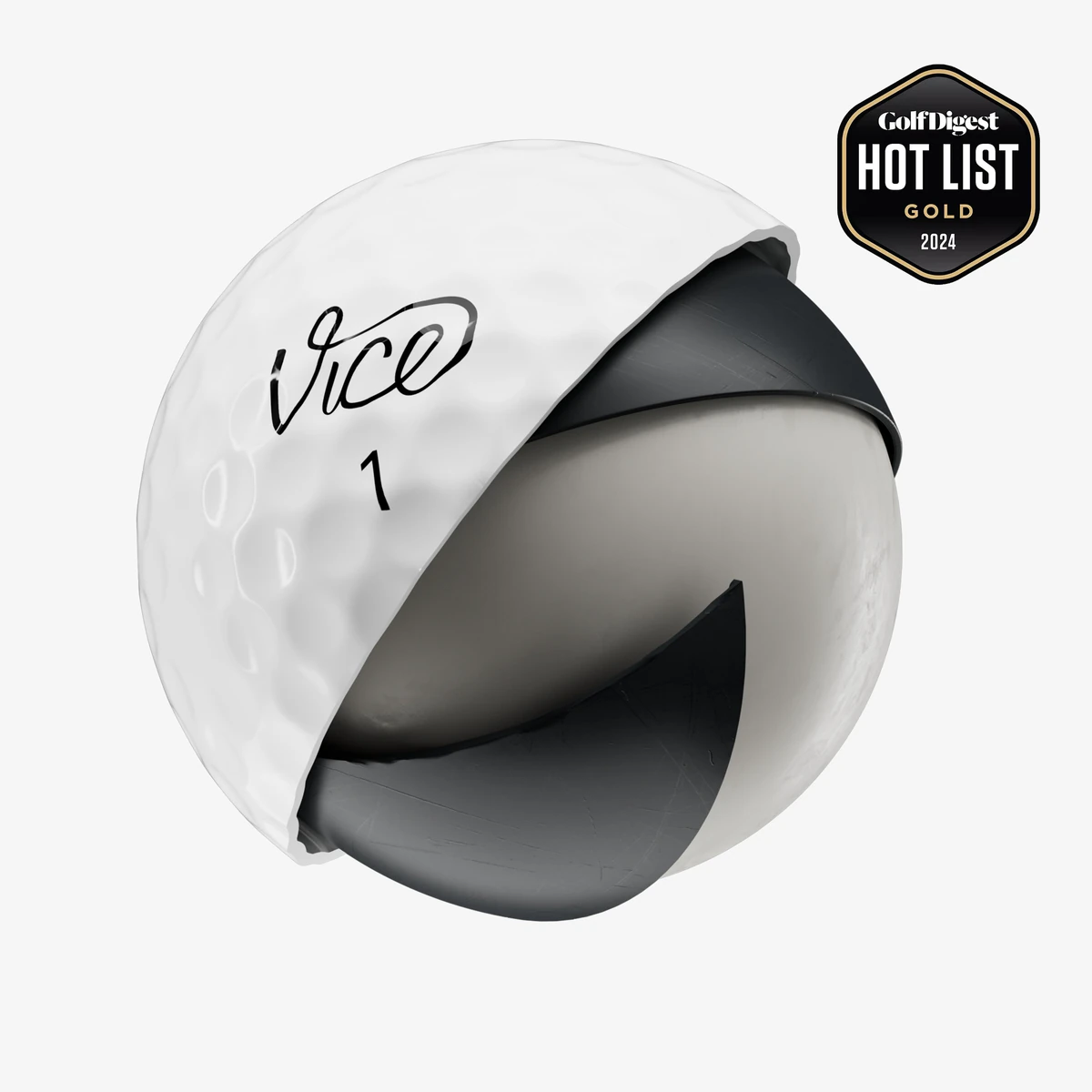
Vice is a German golf ball company that sells exclusively online, bypassing retail markup entirely. The result: a genuine urethane-cover tour ball for $33/dozen — or as low as $25/dozen if you buy the 5-dozen bulk pack. That pricing changes the calculus for every amateur who wants tour-ball performance but cannot stomach $55 per box.
We tested the Vice Pro over 6 rounds and compared it directly to the Titleist Pro V1. At 94 mph, the Vice Pro carried 223 yards — about 5 yards shorter than the Pro V1. Off 7-irons, the gap was 3 yards. On wedge shots, greenside spin was close — the Vice Pro checked within 4 feet of landing versus 2 feet for the Pro V1. The urethane cover generates real spin, just slightly less of it.
The feel is firm relative to the Pro V1. There is a noticeable click off the putter — not harsh, but crisper than the Pro V1 soft thud. Some golfers prefer this feedback. Off the driver, the Vice Pro sounds louder at impact. The feel is the main area where you notice the price difference.
Durability was adequate but not outstanding. The urethane cover scuffed faster than the Pro V1 — after 14 holes we had visible marks from two bunker shots. Performance was not noticeably affected, but if cosmetic condition matters to you, expect the Vice Pro to look rougher sooner.
The value calculation is simple. A season supply of Vice Pro (5 dozen) costs $125 in their bulk pack. The same quantity of Pro V1 costs $275. That is $150 saved per season for a ball that delivers 90% of the performance. If you lose 2 balls per round across 25 rounds, you are saving $6 per round.
Compared to the Pro V1: 90% of the performance at 60% of the price. The Pro V1 is the better ball. The Vice Pro is the better purchase for most weekend golfers.
Perfect for: golfers who want urethane-cover spin and feel without spending $55/dozen — especially in bulk.
Look elsewhere if: you demand the absolute best feel and consistency and are willing to pay for it — the Pro V1 is still the benchmark.
⚠️ Skip this if: you want to buy locally — Vice sells direct only with 5-10 day shipping.
Pros
Genuine urethane-cover tour ball at $33/dozen ($25 in bulk)
Greenside spin close to Pro V1 levels
Direct-to-consumer pricing saves $150+ per season vs Pro V1
Multiple models for different swing speeds
Cons
5 yards shorter than Pro V1 at matched swing speed
Cover scuffs faster than Pro V1 — shows wear by hole 14
⚖️ Affiliate link — we earn a small commission at no extra cost to you.
What High Handicappers Should Actually Play
Shooting over 100? A Titleist Pro V1 is actively hurting your game. Premium tour balls require high clubhead speed to compress and spin correctly. Under 85mph, use a low-compression two-piece ball: Callaway Supersoft or Srixon Soft Feel give you more distance and equally good feel for a fraction of the price. Upgrade when you're consistently breaking 90.
🏢 Cubicle Golfer Tip: New to golf? Before you stress about ball choice, make sure you have the right clubs in your bag. Best beginner sets under $500 →
Choose Your Ball by What You Actually Need
Nine balls ranked by handicap is the right answer if you are starting from scratch. If you already know your constraint — a slow swing, a tight budget, a specific speed — these guides go deeper on one thing each than a general ranking can.
Slow swing speed (under 85 mph) — low-compression balls that still get airborne. Start here if you are losing carry rather than accuracy.
90–95 mph swing speed — the mid-compression band, where the widest choice sits and where most weekend golfers actually live.
Seniors and over 60 — the same low-compression logic, but with feel and short-game control weighted higher than raw distance.
Maximum distance — what actually adds yards, and why a firmer ball usually is not it.
Under $30 a dozen — the value field, including which cheap balls give up greenside spin and which do not.
One thing worth saying plainly: the single biggest jump in performance is not compression, it is cover material. A urethane cover checks on a pitch; an ionomer cover does not, however soft it feels. The cheapest urethane ball on our chart is about $28.
Keep reading
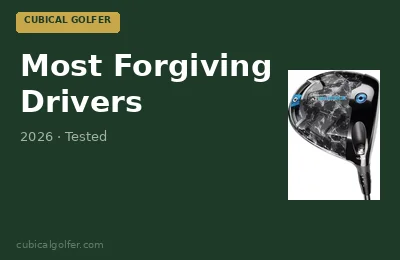
Ball selection matters more when the rest of your equipment is dialed in. If you are still choosing a driver, see our forgiving drivers guide — the right driver-ball pairing affects launch conditions. Curious how different balls compare on compression? Our compression chart ranks every major ball side by side. Golfers on a budget should also check accessories under $50 for balls that punch above their price.
For a shortlist matched to your swing speed and feel preference, run the golf ball finder.
Who Should Buy This — And Who Should Skip It
Buy if you…
Swing speed over 90 mph and make consistent ball contact
Shoot under 90 and care about greenside spin and feel
Buy 1-2 dozen per season and rarely lose balls
Skip if you…
Shoot over 100 -- ball choice matters far less than swing fundamentals
Lose 5+ balls per round -- spend money on lessons not premium balls
Independently purchased — every product bought with our own money, never loaned by manufacturers
15+ real rounds on Chicago-area courses in all conditions
10-handicap weekend golfer — we test like you play, not like a tour pro
No sponsored content — affiliate commissions don't influence rankings. Full methodology →
Frequently Asked Questions
What are the best golf balls in 2026?
For most golfers, the Srixon Q-Star Tour at about $40 a dozen. It has a urethane cover for greenside spin at 74 compression, which suits the 85-100 mph range most weekend golfers swing at. The Titleist Pro V1 is the better ball in absolute terms at ~$58, but it needs 90 mph or more to compress properly.
Is the Titleist Pro V1 worth the money?
Above about 90 mph, yes — it is the most complete ball on the market and its 87 compression is matched to that speed. Below 90 mph you are paying $58 a dozen for performance you cannot access. At 80 mph the Callaway Supersoft at $25 will go further.
What is the difference between a $25 and a $55 golf ball?
Almost entirely the cover. Cheap balls use ionomer, which is durable and fast but will not check on a pitch. Premium balls use urethane, which grips the grooves and stops on the green. Compression matters too, but cover material is the difference you will actually see.
Are Kirkland Signature golf balls any good?
At about 92 compression with a urethane cover they are genuinely competitive with balls costing twice as much, which is why they get talked about. Availability is the catch — they sell out regularly. See our Pro V1 vs Kirkland comparison for the head-to-head.
Do more expensive golf balls go further?
No — often the opposite. Premium balls are built for spin control and feel, not raw distance, and they are firmer. If distance is your only goal, a low-compression distance ball matched to your swing speed will usually carry further than a tour ball you cannot compress.
Should I play the same ball every round?
Yes, once you have chosen one. Distance control on wedges and putting speed both depend on knowing how your ball behaves, and switching between a soft ionomer ball and a firm urethane one changes both. Consistency is worth more than any single ball's specification.
What golf ball is best for a 100 mph swing speed?
At 100 mph you can compress anything on the market, so the choice becomes about spin and feel rather than fit. The TaylorMade TP5 (85 compression), Titleist Pro V1x (97) and Srixon Z-Star XV (102) are all designed for that range.
What golf ball should a high handicapper use?
Golfers shooting over 100 should use a low-compression two-piece ball: Callaway Supersoft (~$25/dozen) or Srixon Soft Feel (~$27/dozen). Premium tour balls require swing speeds over 85mph to compress properly. Playing one below your speed actually costs you distance.
Does the golf ball you use really make a difference?
Yes, but only above a certain skill level. For golfers shooting over 100, fundamentals matter far more than ball choice. For the 85-95 range, matching compression to swing speed can gain 5-8 yards per iron shot and improve putting feel.
What is the new Callaway Chrome Tour 2026?
Callaway released the 2026 Chrome Tour in January 2026 with a new Tour Fast Mantle — a stiffer middle layer that generates more ball speed without firming up the feel. It replaces the Chrome Soft X as Callaway's primary tour offering. Price: ~$58/dozen.
Which golf ball has the most PGA Tour wins in 2026?
Titleist Pro V1 and Pro V1x continue to dominate. The Bridgestone Tour B X is the early story of 2026 with two wins by Chris Gotterup in the first 10 PGA Tour events of the season.
Affiliate disclosure: some links on this page earn us a small commission at no extra
cost to you. We purchased all products independently — commissions never affect our
rankings or recommendations.
Learn more about how we work
Match your swing speed to the perfect golf ball in 10 seconds. 36 balls color-coded by compression, cover, and price. One printable page, free.
No spam. Unsubscribe any time.
Check your inbox — the compression cheat sheet is on its way!
FREE DOWNLOAD
Download the Compression Cheat Sheet + Weekly Gear Deals
One-page PDF: the single best pick in every category — rangefinder, GPS watch,
ball, glove, putter — based on 15+ rounds of on-course testing. Print it, take it to the store, and stop second-guessing.
No spam. Unsubscribe any time. We email ~twice a month with gear updates.
✅ Check your inbox — the cheat sheet is on its way!
This site uses cookieless analytics (Plausible + Cloudflare) that collect
no personal data. Affiliate links earn us a commission at no cost to you.
Privacy policy.