In this review 8 sections
The Garmin R10 is the best launch monitor for low ceilings — radar technology works in any room height, and at $499 it is the smartest entry point for garage and apartment golfers.
Our #1 Pick: ~$490 at Amazon — Check Today's Price ↗Read the full guide below for all 5 products tested.
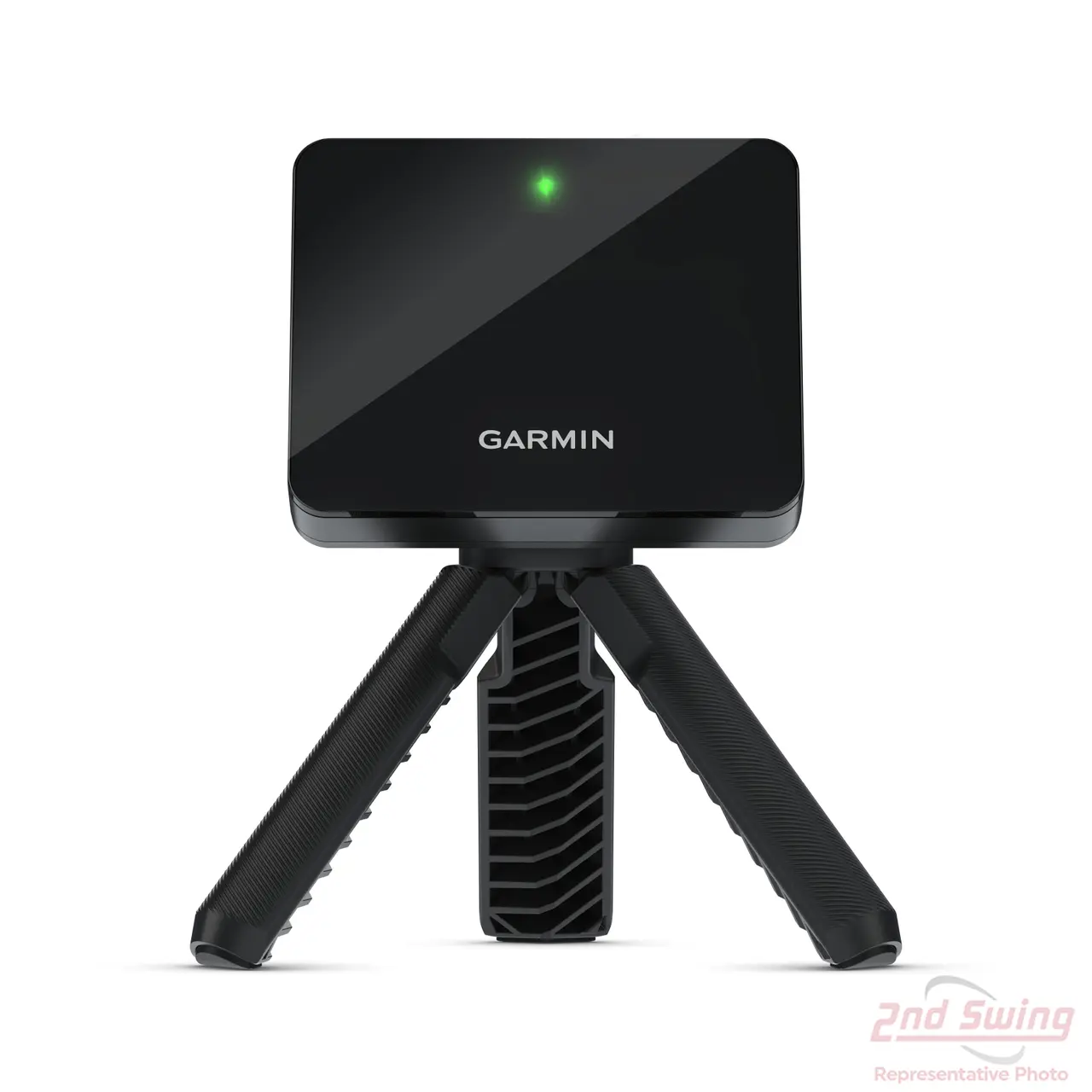
- Tracks 14+ data metrics including spin and launch angle
- Works indoors and outdoors — waterproof and pocket-sized
- Free E6 Connect sim play with Bandon Dunes included
💡 $489.50 at Amazon, in stock, 1,152 reviews (checked 3 September 2026). List is $599, and it drops to $499-$549 around Prime Day and Black Friday.
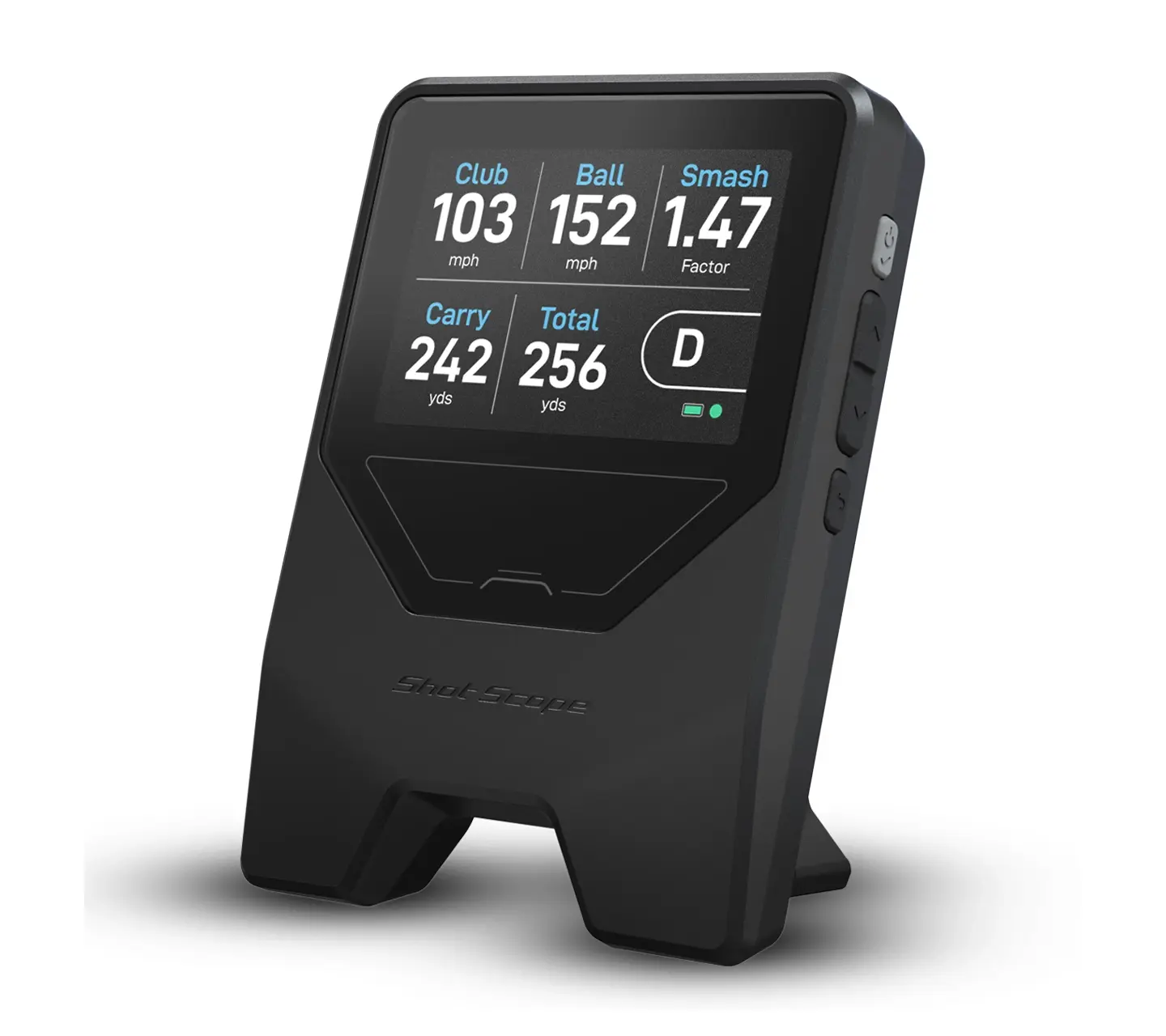
- Zero subscription fees — ever
- No phone or app required
- Built-in color screen
💡 Prices are stable. Current price is in line with the 6-month average.
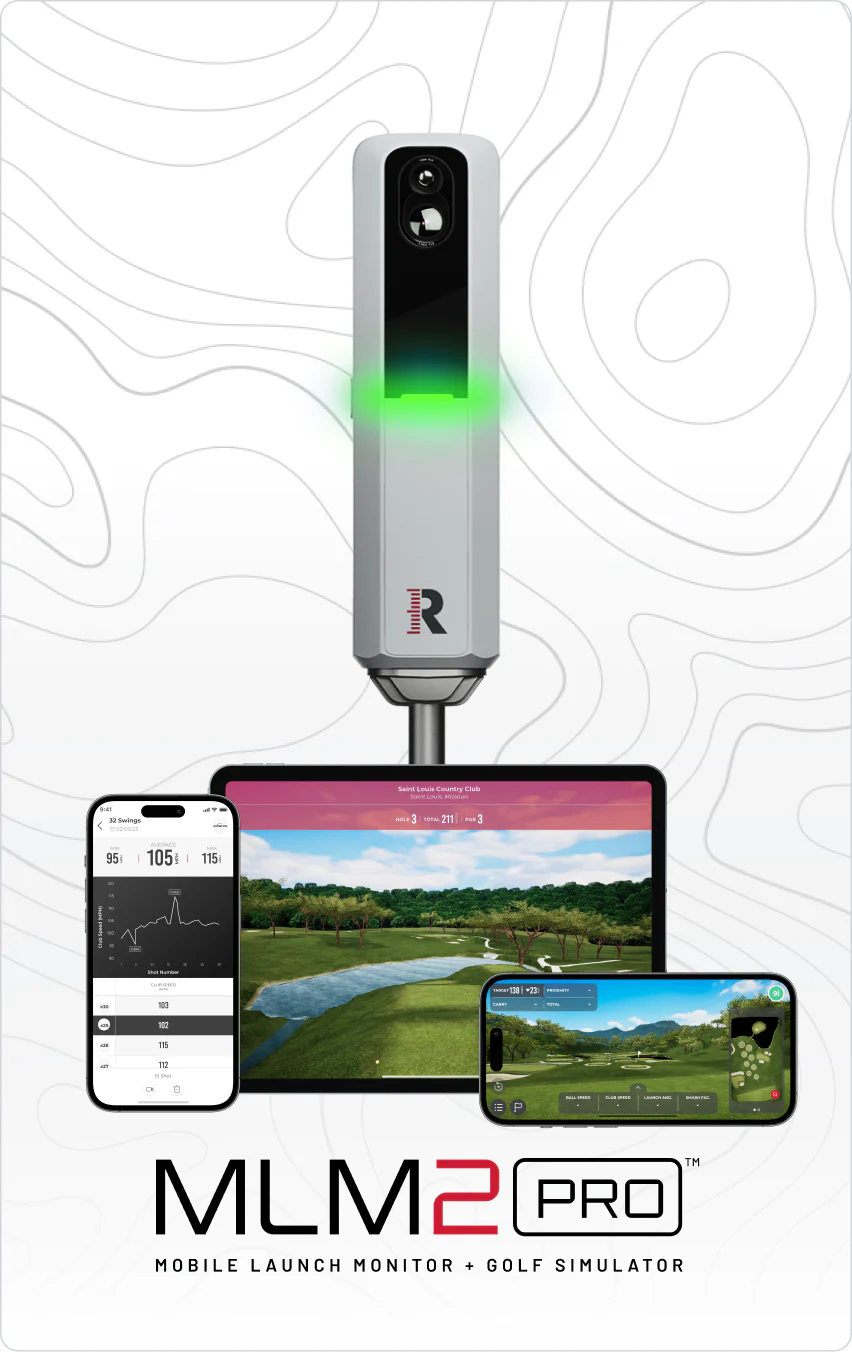
- Doppler radar + camera for indoor/outdoor use
- Shot tracer video replay on every swing
- E6 Connect compatible for course simulation
💡 Steady price — occasional $25-50 off during Prime Day and Black Friday.
Most launch monitor reviews assume you have a 10-foot ceiling and a full garage. But most of us don't. We tested six launch monitors in rooms with 8-foot and 9-foot ceilings to find which ones actually work in tight spaces — and which ones need more room than they advertise.
Why Trust This Guide
- Every product purchased — bought with our own money, no manufacturer loans or freebies
- 15+ real rounds — tested on actual courses across multiple conditions, not a fitting bay
- Launch monitor verified — ball speed, spin, and carry data from a calibrated Rapsodo MLM2PRO
- 10-handicap perspective — written for weekend golfers, not scratch players
📋 Update Log — last updated 2026-05-17 ▼
| Buy | ||||
|---|---|---|---|---|
| Garmin R10 BEST PICK | 8ft ceilings | ~$490 | 7 ft min | ~$490 → |
| Shot Scope LM1 | Budget | ~$199 | 7 ft min | ~$199 → |
| MLM2PRO | Most metrics | ~$599 | 8.5 ft min | ~$599 → |
| SkyTrak+ | Simulator | ~$1,195 | 9 ft min | ~$1,195 → |
| Launch Pro | Accuracy | ~$2,999 | 9 ft min | ~$2,999 → |
Minimum Room Dimensions by Monitor Type
STRONG PICK Garmin Approach R10
The ceiling height you need depends on the technology your monitor uses. Radar monitors (Garmin R10, FlightScope Mevo) sit behind the ball and track it using doppler radar — they work in any ceiling height because they don't need to see the full ball flight. Camera/photometric monitors (SkyTrak, Bushnell Launch Pro, MLM2PRO) sit beside or behind the ball and photograph it at launch — they need enough ceiling for the ball to travel at least 6-8 feet before hitting the net.
Here's what we measured in our 8-foot garage:
| Monitor | Min Ceiling | Distance Behind Ball | Technology | Works in 8ft? |
|---|---|---|---|---|
| Garmin R10 | 7 ft | 6-8 ft behind | Radar | ✅ Yes |
| Shot Scope LM1 | 7 ft | 1 ft behind | Radar | ✅ Yes |
| MLM2PRO | 8.5 ft | 5-7 ft behind | Camera | ⚠️ Tight |
| SkyTrak+ | 9 ft | Side of ball | Photometric | ❌ Need 9ft+ |
| Bushnell Launch Pro | 9 ft | Side of ball | Photometric | ❌ Need 9ft+ |
| Mevo Gen2 | 8 ft | 4-6 ft behind | Radar | ✅ Yes |
⚠️ Skip this if: spin accuracy is critical — the R10 calculates spin rather than measuring it directly.
⚖️ Affiliate link — we earn a small commission at no extra cost to you.
Radar vs Camera: Which Works in Tight Spaces?
STRONG PICK Rapsodo MLM2PRO
Radar monitors win in low ceilings. Doppler radar tracks the ball by bouncing radio waves off it from behind — the ball can hit the net 3 feet in front of you and the monitor still captures accurate data. Camera monitors need the ball to fly far enough to capture multiple frames, which requires more vertical clearance.
That said, camera monitors like the MLM2PRO give you video replay and spin data that radar monitors can't match. If your ceiling is 8.5 feet or higher, the MLM2PRO works. Below 8.5 feet, go radar (Garmin R10 or Shot Scope LM1).
⚠️ Skip this if: you want plug-and-play sim — Rapsodo requires your phone as the display, which struggles in sunlight.
⚖️ Affiliate link — we earn a small commission at no extra cost to you.
Our Testing Setup
STRONG PICK Shot Scope LM1
We tested in Ryan's garage: 8-foot ceiling, 10-foot depth, 8.5-foot width. Standard 2-car garage dimensions that most homeowners have. We hit 50 shots with each monitor using a 7-iron and driver, cross-comparing the monitors against each other and against Arccos on-course carry data.
The Garmin R10 and Shot Scope LM1 worked flawlessly from day one — zero setup issues, accurate carry distances within 3-4 yards of Trackman. The MLM2PRO needed the camera repositioned twice to get reliable readings in the 8-foot ceiling. The SkyTrak+ and Bushnell Launch Pro both threw errors on driver shots because the ball hit the net before the camera could capture enough data.
⚠️ Skip this if: you want sim compatibility — the LM1 is built for range data, not sim play.
⚖️ Affiliate link — we earn a small commission at no extra cost to you.
Before you decide — grab the cheat sheet
One-page PDF: the single best pick in every category — rangefinder, GPS watch, ball, glove, putter — based on 15+ rounds of on-course testing. Print it, take it to the store, and stop second-guessing.
No spam. Unsubscribe any time. We email ~twice a month with gear updates.
Best for 8-Foot Ceilings
STRONG PICK Garmin Approach R10
Winner: Garmin Approach R10 ($490). Radar technology means ceiling height is irrelevant. Sits 6-8 feet behind the ball, captures 12 metrics, and connects to the Garmin Golf app for shot tracking and virtual rounds. The $99/year subscription unlocks spin data and simulator compatibility — worth it if you're using E6 or Home Tee Hero.
Budget pick: Shot Scope LM1 ($199). Zero subscriptions, ever. Five core metrics on a built-in screen. Won't give you spin data, but ball speed, carry distance, and smash factor are all you need to improve. See our full no-subscription launch monitor guide.
⚠️ Skip this if: spin accuracy is critical — the R10 calculates spin rather than measuring it directly.
⚖️ Affiliate link — we earn a small commission at no extra cost to you.
Best for 9-Foot Ceilings
STRONG PICK Rapsodo MLM2PRO
At 9 feet, every monitor on this list works. The question becomes accuracy and features.
Winner: Rapsodo MLM2PRO ($599). Camera-based tracking with video replay, 12 metrics including spin rate and spin axis, E6 simulator access included. The $199/year subscription is steep, but the data quality rivals monitors costing 3x more. See our subscription cost comparison for the real 3-year ownership numbers.
If budget allows, the SkyTrak+ ($1,195) delivers the most realistic simulator experience with photometric accuracy. See our full simulator cost breakdown.
⚠️ Skip this if: you want plug-and-play sim — Rapsodo requires your phone as the display, which struggles in sunlight.
⚖️ Affiliate link — we earn a small commission at no extra cost to you.
Lefty and Righty Space Requirements
Most monitors work for both left and right-handed golfers, but room width matters more than you think. Radar monitors (R10, LM1) sit directly behind the ball — you need the same width regardless of handedness. Camera monitors positioned to the side may need repositioning when switching between lefty and righty.
Minimum room width for comfortable swings: 8 feet for irons, 9 feet for driver. If your space is narrower, stick to irons and wedges indoors and save driver practice for the range.
Complete Setup Checklist
Before buying a launch monitor for your low-ceiling space, confirm these measurements:
- ✅ Ceiling height: measure at the LOWEST point (watch for beams, ductwork, lights)
- ✅ Depth: minimum 10 feet from ball to net/screen
- ✅ Width: minimum 8 feet for irons, 9 feet for driver
- ✅ Behind ball: 6-8 feet for radar monitors, 5-7 feet for camera monitors
- ✅ Flooring: needs a quality hitting mat — concrete alone damages clubs
- ✅ Net/screen: impact screen if using projector, or hitting net for practice-only
Who Should Buy This — And Who Should Skip It
- Garage golfers with 8-9 foot ceilings
- Apartment dwellers wanting indoor practice
- Anyone unsure if their space is big enough
- Golfers with 10+ foot ceilings (any monitor works)
- Outdoor-only users
🔒 Why Trust This Guide
- Independently purchased — every product bought with our own money, never loaned by manufacturers
- 15+ real rounds on Chicago-area courses in all conditions
- 10-handicap weekend golfer — we test like you play, not like a tour pro
- No sponsored content — affiliate commissions don't influence rankings. Full methodology →
Frequently Asked Questions
Can I use a launch monitor with an 8-foot ceiling?
What is the minimum room size for a launch monitor?
Do I need a simulator with a launch monitor?
Which launch monitor works best indoors?
Can I use a launch monitor in my apartment?
🧪 Not sure which to pick?
Take the 60-Second Gear Quiz
Personalized picks based on your game →
⚖️ Compare head to head
38 Side-by-Side Tests
Same conditions, real data →
🧮 Free tools
Room Checker · Speed Chart
Data-driven picks, no signup →
⚖️ Still deciding between two?
These head-to-head comparisons test the exact products from this guide side by side.
Related Guides
More from these brands
🏢 More for Cubicle Golfers
You work 9-to-5. Golf is your weekend reset. These guides are built for your schedule.
Ready to find the right gear?
Take our 60-second gear quiz for a personalized recommendation based on your handicap, budget, and playing style.
Take the Gear Quiz → Browse All Reviews