Wedges wear faster than any other club in your bag. The grooves that generate spin get rounded, the face gets smooth, and your 56-degree that used to check up on the green now rolls through the back. Most golfers do not notice until they have lost 1,000+ RPM of spin. Here is when to replace, what to look for, and why you should never use a groove sharpener.
📋
Update Log — last updated Apr 26, 2026 ▼
Apr 26, 2026 Published — wedge replacement timeline and groove sharpener analysis.
Groove wear data based on Titleist and Cleveland published studies. Replacement timeline cross-referenced with PGA Tour caddie interviews and recreational golfer surveys.
See full testing methodology Why Wedges Wear So Fast
Three factors make wedges the highest-maintenance clubs in your bag.
Grooves are the whole point. Wedge grooves channel water, grass, and debris away from the face at impact, allowing the ball to grip the face and generate spin. When grooves get shallow or rounded, the ball hydroplanes across the face instead of gripping. That is why your wedge shots used to check up and now they roll 15 feet past the pin.
Soft forged faces wear faster. Most premium wedges (Vokey, Cleveland, JAWS) use soft carbon steel that gives excellent feel but wears faster than harder stainless steel. The trade-off is intentional — better feel now, replacement later.
Sand and rough are sandpaper. Every bunker shot blasts abrasive sand across the face at high speed. Every rough shot drags grass and dirt through the grooves. Full-swing approach shots compress the ball against the face with 2,000+ pounds of force. Your driver hits fairways; your wedges hit the hardest surfaces in golf.
The Replacement Timeline
Tour pros: Every 6-8 weeks (40-60 rounds). They replace wedges 6-8 times per year. This is extreme but makes sense — their livelihood depends on precise spin control within 120 yards.
Avid weekend golfer (40+ rounds/year): Every 2 seasons (80-100 rounds). You are hitting your wedges 300-400 times per season. After 2 seasons the grooves have lost measurable spin.
Average weekend golfer (15-25 rounds/year): Every 3-4 seasons (60-100 rounds). At 20 rounds per year you get 3-4 years before the grooves noticeably decline.
Casual golfer (under 10 rounds/year): Every 5+ seasons. At this volume your wedges will wear from oxidation and storage more than from use. You are probably fine for a long time.
The key metric is rounds, not years. A golfer who plays 50 rounds per year wears wedges twice as fast as a golfer who plays 25.
The 4 Signs Your Wedges Are Done
1. Rounded groove edges. Hold your wedge up to a light and look at the grooves from the side. Fresh grooves have sharp, defined edges — like a row of tiny V-shapes. Worn grooves have rounded edges — like rolling hills. If you cannot feel a distinct edge when you run your fingernail across them, they are worn.
2. Shiny face in the impact zone. The area where the ball contacts the face should have a matte or milled texture. If it is shiny and polished smooth, the micro-roughness that generates spin is gone. This is the easiest sign to spot.
3. Visible nicks on the leading edge. Cart paths, rocks in bunkers, and hardpan lies nick the leading edge over time. Minor cosmetic damage does not affect performance, but significant chips or rolls in the edge change how the club interacts with the ground.
4. Balls fly farther but stop later. This is the performance sign that most golfers miss. Worn grooves produce less backspin, which means the ball launches lower and rolls more after landing. You might think you are "hitting it better" because the ball goes farther — but you are actually losing spin, which means less stopping power on approach shots. If your 56° used to carry 85 yards and check up within 5 feet, and now it carries 90 yards but rolls 15 feet, the grooves are gone.
Why Groove Sharpeners Are a Bad Idea
Amazon sells groove sharpening tools for $8-15. They promise to restore worn grooves to factory condition. Do not buy them. Here is why.
USGA conformity risk. The USGA groove rule (adopted 2010) limits groove width, depth, edge radius, and spacing. A factory-milled groove is engineered to the maximum legal specification. A hand-sharpened groove has no quality control. If your sharpened groove exceeds the legal edge radius, your club is non-conforming. You probably will not get checked at your Saturday game, but it is worth knowing.
You cannot restore engineered geometry. Factory grooves are CNC-milled to precise specifications — exact depth, exact angle, exact edge radius. A handheld tool with a carbide tip cannot replicate this geometry. You are not restoring the groove — you are creating a new, inconsistent groove shape that produces unpredictable spin.
Face finish damage. Groove sharpeners dig into the face finish between grooves, creating scratches and surface inconsistencies. The micro-milled face texture between grooves contributes to spin generation — damaging it reduces overall spin performance even if the grooves themselves look sharper.
The honest answer: just replace the wedge. A new Maxfli Milled ($80) with factory-fresh grooves will out-spin a sharpened Vokey every time. If your grooves are worn enough that you are considering sharpening, they are worn enough to justify replacement.
What to Do With Old Wedges
Keep your old SW as a bunker-only club. Bunker shots do not require sharp grooves — you are blasting sand, not spinning the ball. An old 56° with rounded grooves works fine in bunkers and saves your new wedge from sand wear.
Keep one as a beater club. Cart path lies, hardpan, rocky rough — situations where you do not want to risk your new wedge. An old wedge you do not care about is the smart play.
Sell or trade. 2nd Swing, GlobalGolf, and Callaway Pre-Owned all buy used wedges. You will not get much ($15-30 for a well-worn wedge), but it is better than a doorstop. Should you keep your set's approach wedge? See our
AW vs specialty wedge breakdown. And before buying replacements, run through our
4-degree gapping guide to make sure your new wedges are properly spaced.
Replacement Picks at 3 Price Points
When it is time to replace, here are the best options.
Budget: Maxfli Milled ($80)
BEST BUDGET ★★★★☆ Our score: 4.4/5
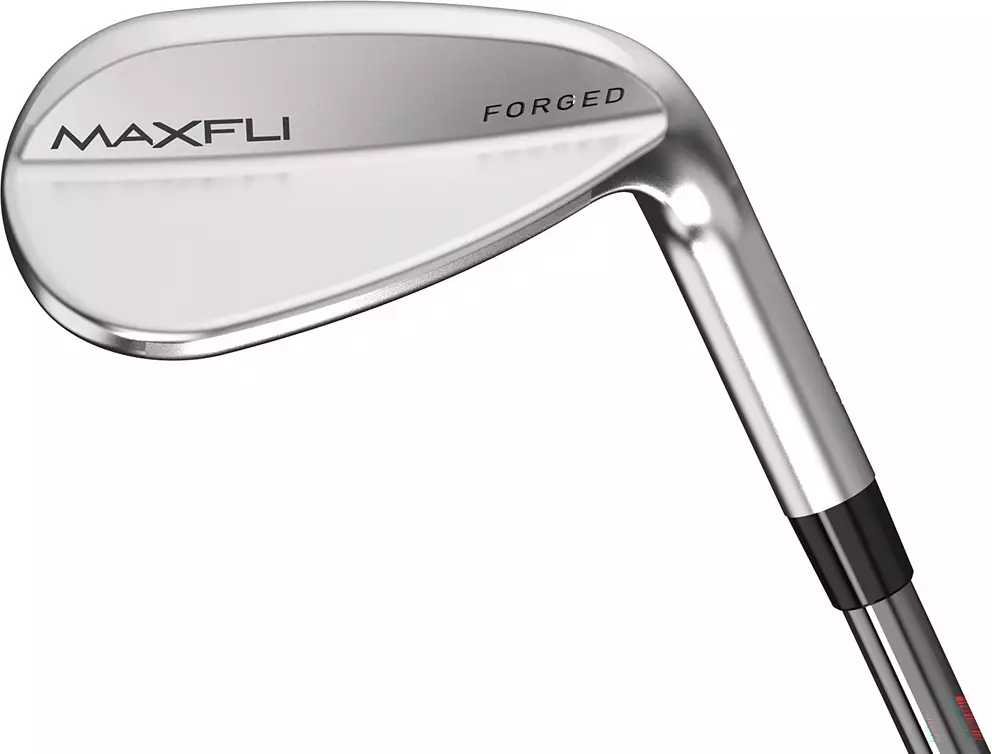
Maxfli Milled 52
CNC-milled face, solid construction, and $80 per wedge. If you replace wedges every 2-3 seasons — which you should — the Maxfli saves you $100 per wedge versus premium options over a 6-year cycle. The grooves are sharp, the feel is clean, and nobody on the course cares what brand your wedge is.
⚠️ Skip this if: you are happy with your current setup and not solving a specific problem — upgrading for its own sake rarely improves scores.
Pros - $80 — replace more often with less guilt
- CNC-milled grooves are sharp out of the box
- Clean design with no distractions
Cons - One bounce option
- Grooves wear faster than premium models
- No custom grind options
Mid: Cleveland RTX 6 ZipCore ($130)
BEST MID-RANGE ★★★★★ Our score: 4.7/5
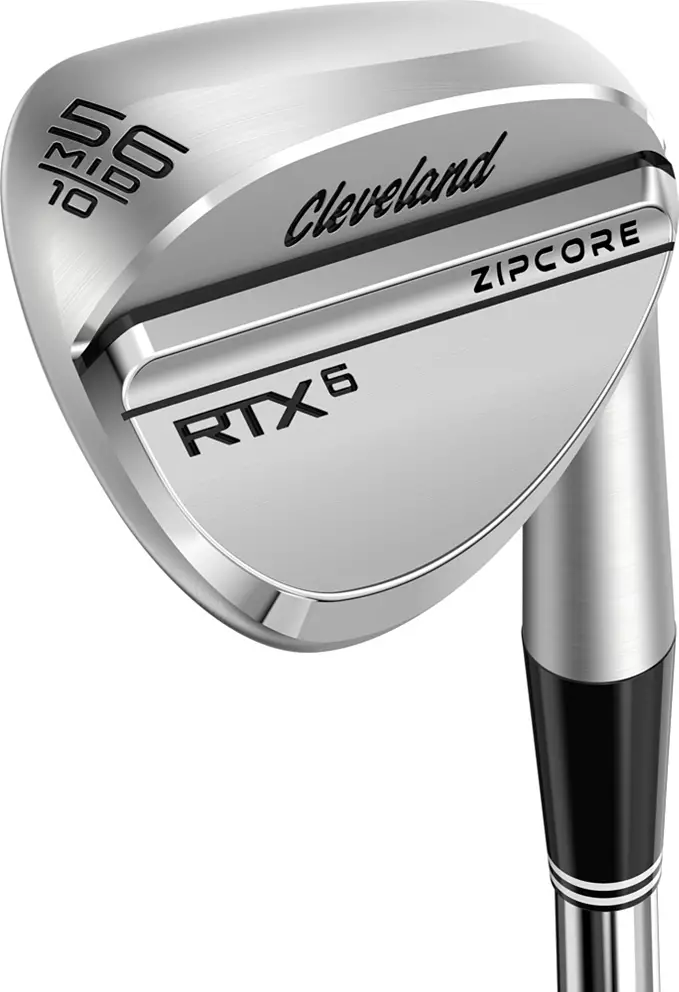
Cleveland RTX 6 52
ZipCore for feel, UltiZip heat-treated grooves for durability, and 3 bounce options for turf matching. The RTX 6 is the sweet spot between price and performance for most weekend golfers.
⚠️ Skip this if: your current wedge grooves are still sharp — worn grooves cost more spin than any upgrade adds.
Pros - Heat-treated grooves last longer
- 3 bounce options
- Best feel in the mid-range
Cons - $130 adds up across 3-4 wedges
- Satin finish wears quickly
- Fewer grind options than Vokey
Premium: Titleist Vokey SM10 ($160)
BEST PREMIUM ★★★★★ Our score: 4.8/5
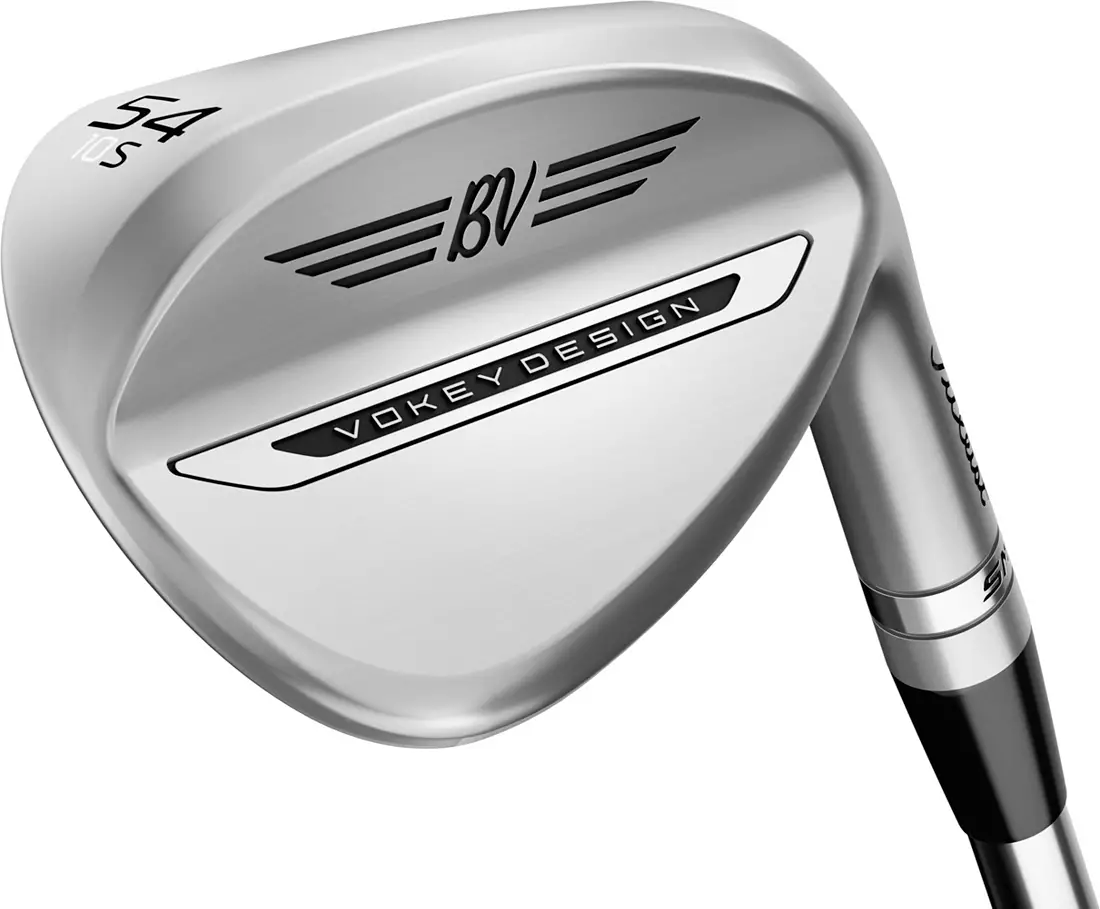
Vokey SM10 52
The Tour standard. Spin Milled grooves, 6 grind options, and the confidence of knowing 50% of Tour pros play this wedge. Buy this if you prioritize maximum spin and want the most customizable option available.
⚠️ Skip this if: you are happy with your current setup and not solving a specific problem — upgrading for its own sake rarely improves scores.
Pros - Most played wedge on Tour
- 6 grind options for any condition
- Maximum Spin Milled grooves
Cons - $179 per wedge — $540+ for a 3-wedge set
- Chrome finish shows wear quickly
- Arguably overkill for 15+ handicaps
Maintenance Schedule for Your Bag
While you are thinking about wedge replacement, check these other maintenance items that weekend golfers neglect:
Grips: Replace every 40-60 rounds or once a year, whichever comes first. Worn grips cause grip pressure issues that affect your entire swing. See our
complete grip replacement guide for the signs and best options.
Wedges: Replace every 75-100 rounds (the guide you just read).
Golf balls: Replace after any visible scuff or cut. A scuffed ball loses 5-10 yards of distance and spins inconsistently.
Gloves: Replace every 15-20 rounds. A worn glove causes grip slippage.
🏌️ Gear That Helps With This
🎯 Our Recommended Gear
Maxfli Milled 52
~$80 — the product we use and recommend for this topic.
🎯 Gear that helps with this
Every recommendation is independently purchased and tested over 40+ rounds.
Frequently Asked Questions
How often should you replace golf wedges?
Every 75-100 rounds for most golfers. Avid players (40+ rounds/year) should replace every 2 seasons. Casual players (under 15 rounds/year) can go 4-5 seasons. Tour pros replace every 6-8 weeks.
Do groove sharpeners actually work?
They make grooves look sharper but cannot restore factory-engineered geometry. They risk making your club non-conforming under USGA rules and can damage the face finish. Just replace the wedge — a new $80 Maxfli outperforms a sharpened $179 Vokey.
How can I tell if my wedge grooves are worn?
Run your fingernail across the grooves — you should feel a sharp catch. If the edges feel rounded and smooth, the grooves are worn. Also check for a shiny, polished face in the impact zone.
Do stainless steel wedges last longer than forged?
Yes — stainless steel is harder and resists groove wear longer. But forged (carbon steel) wedges offer better feel and spin when new. Most premium wedges are forged, accepting shorter lifespan for better performance.
Can I use wedges with worn grooves for anything?
Yes — keep a worn sand wedge as a dedicated bunker club (grooves matter less in sand) and keep another as a beater for hardpan and cart-path lies. Sell the rest to 2nd Swing or GlobalGolf.
🏢 More for Cubicle Golfers
You work 9-to-5. Golf is your weekend reset. These guides are built for your schedule.
Last updated: 2026-07-21