Find your PW loft, add 4-5 degrees for each wedge, and you have a gapping system with no distance holes. Most weekend golfers should carry 3-4 wedges: PW + gap + sand + optional lob, spaced 4-5 degrees apart. Our top pick: the Maxfli Tour Milled Wedge (~$80).
Our #1 Pick: ~$80 at Amazon — Check Today's Price ↗ Read the full guide below for all 4 products tested.
Most golfers buy wedges based on what is on sale or what their buddy plays. Then they wonder why they have a 15-yard gap between their PW and sand wedge where nothing lands clean. The fix is the 4-degree rule: space your wedges 4-5 degrees apart starting from your PW loft. Here is the complete system.
📋
Update Log — last updated Apr 26, 2026 ▼
Apr 26, 2026 Published — complete wedge buying system with the 4-degree rule.
PW loft data verified against 2026 manufacturer spec sheets. Distance gapping tested across 5 iron sets. Bounce recommendations based on turf conditions at 8 Midwest courses.
See full testing methodology Step 1: Find Your PW Loft
Your entire wedge setup starts with one number: the loft of your pitching wedge. Check the sole of your PW — some manufacturers stamp the loft. If not, look up your iron set on the manufacturer's website. Here are the PW lofts for popular 2026 iron sets:
Strong-lofted (41-44°): TaylorMade P790 = 43°. Ping G430 = 43°. Titleist T350 = 43°. Callaway Paradym Ai Smoke = 43°. Cobra Darkspeed = 42°. Cleveland Launcher XL2 = 41°.
Traditional (45-48°): Mizuno JPX 925 Forged = 46°. Titleist T100 = 46°. Callaway Apex Pro = 46°. Ping i530 = 45°. TaylorMade P7MC = 47°.
If your PW is 43° or lower, you have a strong-lofted set and NEED additional wedges to fill the gap to your sand wedge. If your PW is 46° or higher, you have a traditional set and may only need 2 additional wedges. For the full picture on modern irons, see our
best irons 2026 guide.
Step 2: Apply the 4-Degree Rule
The rule is simple: space each wedge 4-5 degrees apart from the previous one. Each degree of loft changes carry distance by approximately 2-3 yards.
4-degree gaps (tighter) = more precise distance control. You have a club for every 8-12 yard increment in the scoring zone. Better for golfers who hit lots of partial wedge shots inside 120 yards.
5-degree gaps (wider) = simpler bag with one fewer wedge. You cover the same range with fewer clubs, freeing a slot for a hybrid or extra fairway wood. Better for most weekend golfers who prefer simplicity.
6+ degree gaps = too wide. You will have a 15-20 yard no-man's-land where you have to manufacture an awkward half-swing. Avoid this.
Step 3: Pick Your Configuration
Three standard setups cover 95% of weekend golfers:
SETUP A — Traditional PW (46°): 46 (PW) → 50 → 54 → 58. Four wedges, 4-degree gaps. This is the classic setup used by most Tour pros. Clean, simple, no holes.
SETUP B — Strong-Lofted PW (43-44°): 44 (PW) → 48 → 52 → 56 → 60. Five wedges total (including PW), 4-degree gaps. You need the extra wedge because your PW does the job a traditional 9-iron used to do.
SETUP C — Three-Wedge Simple (45°): 45 (PW) → 50 → 56 → 60. Three wedges plus PW with wider 5-6 degree gaps. Frees up a bag slot for a hybrid. Best for 15+ handicappers who want simplicity.
Which one? Check your PW loft (Step 1), count your gaps, and pick the closest match. Do not overthink it — any of these three setups eliminates the distance holes that cause blow-up scores inside 120 yards.
Step 4: Bounce Angle (The Part Nobody Explains)
Bounce is the angle between the leading edge and the lowest point of the sole. It determines how the club interacts with the ground. Most golfers ignore it and get the wrong bounce for their conditions.
High bounce (12-14°): The sole "bounces" off the turf instead of digging. Best for soft turf, fluffy bunker sand, and golfers with steep downswings. If you take deep divots, high bounce prevents the club from digging too deep.
Mid bounce (8-10°): The all-purpose option. Works on most turf conditions, most sand, most swings. If you do not know what bounce to buy, buy mid bounce. You cannot go wrong.
Low bounce (4-6°): The sole sits closer to the ground. Best for firm turf, hard-packed sand, and golfers with shallow swings who pick the ball clean. If you rarely take a divot, low bounce prevents the club from bouncing off the ground and blading the ball.
The simple rule: if in doubt, buy mid bounce (8-10°). It handles 80% of conditions for 80% of golfers.
Step 5: Set Wedge vs Specialty Wedge
Your iron set AW is designed for full swings with matched shafts. A specialty wedge (Vokey, Cleveland, JAWS) is designed for versatility — full shots, partial shots, chips, pitches, and bunker play. For the detailed breakdown on when to keep or swap your set wedge, read our
approach wedge vs gap wedge guide.
The short version: keep the set AW if you only hit it on full approach shots. Swap for a specialty wedge if you use it inside 80 yards, chip with it, or want better spin control. And remember — wedges wear faster than any other club, so plan for replacement every 75-100 rounds. See our
wedge replacement guide for the signs.
Quick Picks by Loft
For each loft you need, here are the best options at three price points:
Budget ($80): Maxfli Milled — CNC-milled face, one bounce option, clean design. Best value wedge available.
Mid ($130): Cleveland RTX 6 ZipCore — ZipCore technology, UltiZip grooves, 3 bounce options. Matches premium performance for $30 less than Vokey.
Premium ($160+): Titleist Vokey SM10 or Mizuno T24 — Tour-proven designs, 4-6 grind options, maximum spin technology. Buy these if you replace wedges every 2 seasons and want the best grooves available.
Wedges We Recommend
STRONG PICK ★★★★★ Our score: 4.7/5
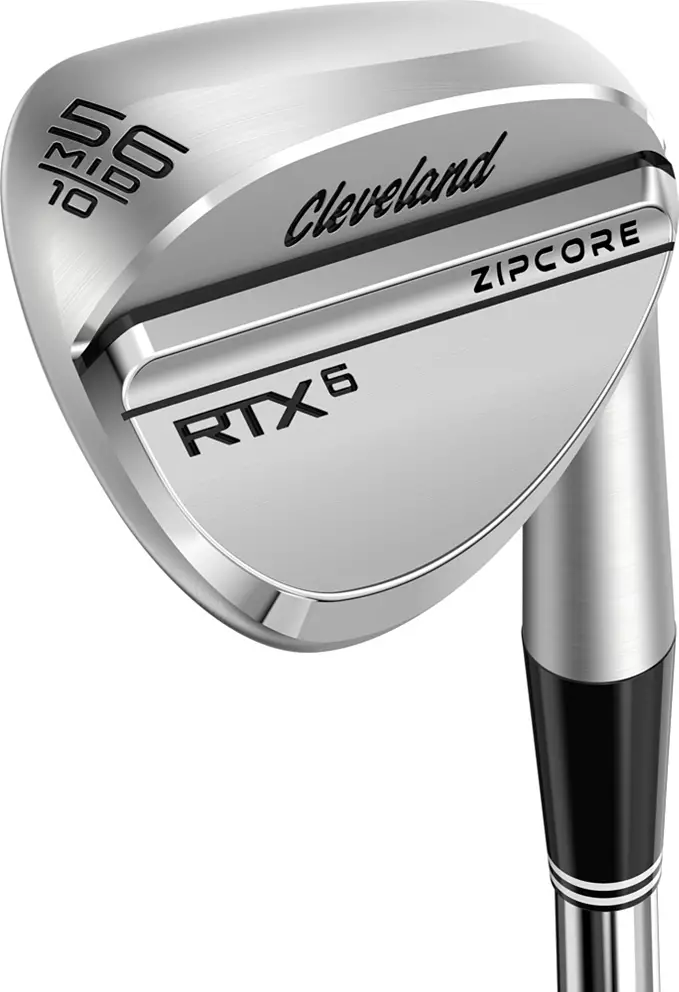
Cleveland RTX 6 52
Now that you know the 4-degree rule:
- Best for beginners: Cleveland CBX4 — cavity back forgiveness, $150 per wedge
- Best all-around: Cleveland RTX6 — tour-level spin, great turf interaction
- Best for open-face shots: Callaway JAWS Full Toe — full-face grooves
See our beginner wedge guide and bounce guide.
⚠️ Skip this if: your current wedge grooves are still sharp — worn grooves cost more spin than any upgrade adds.
Best for beginners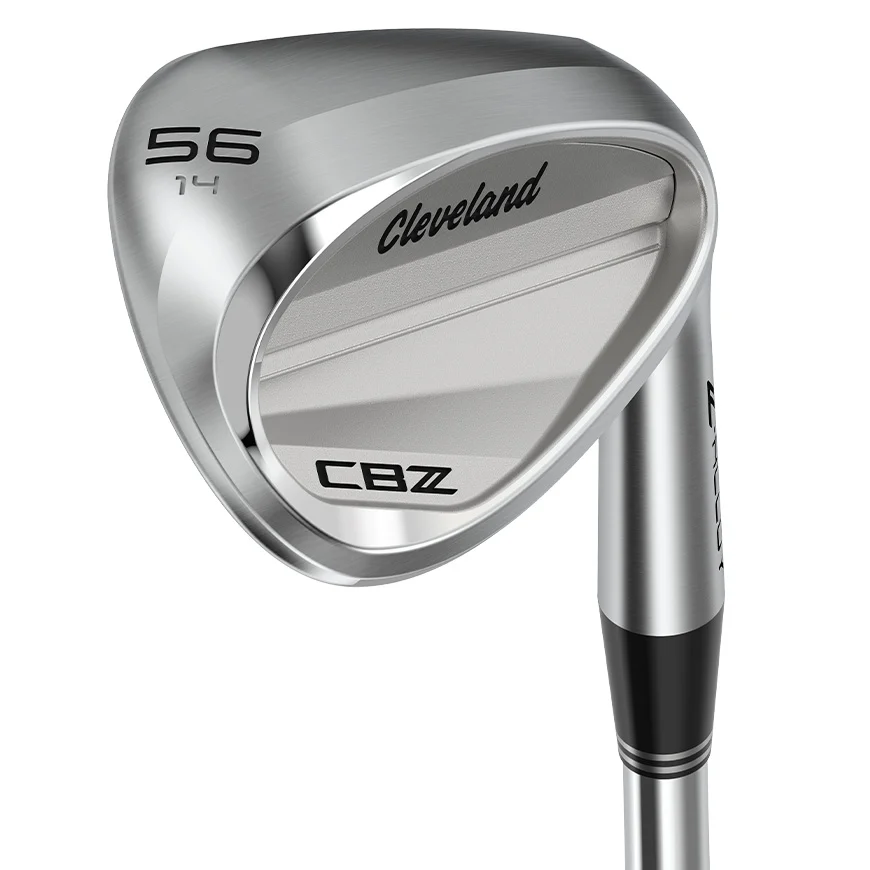
Cleveland CBX4 ZipCore
~$150
Best all-aroundCleveland RTX 6 ZipCore
~$130
Best for open-face shots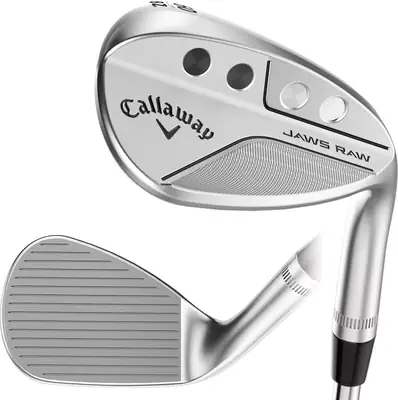
Callaway Jaws Full Toe
~$130
Prices checked 2026-07-21 · Affiliate links — we earn a small commission at no extra cost to you.
🏌️ Gear That Helps With This
🎯 Our Recommended Gear
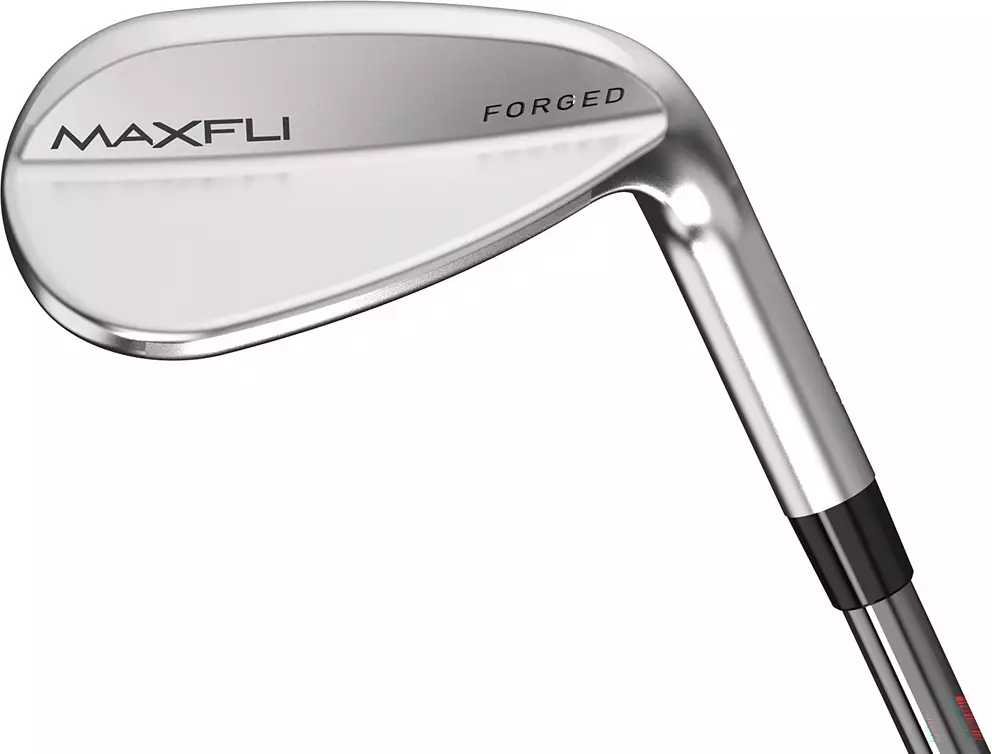
Maxfli Milled 52
~$80 — the product we use and recommend for this topic.
🎯 Gear that helps with this
Every recommendation is independently purchased and tested over 40+ rounds.
Frequently Asked Questions
What is the 4-degree rule for wedges?
Space each wedge 4-5 degrees of loft apart from the previous one. This creates consistent distance gaps of 8-15 yards between clubs, eliminating awkward in-between yardages. Start from your pitching wedge loft and work up.
How many wedges should I carry?
Most weekend golfers should carry 3-4 wedges total (including PW): PW + gap + sand, or PW + gap + sand + lob. Strong-lofted iron sets may need 4 wedges to cover the same range that traditional sets cover with 3.
What bounce should I get on my wedges?
Mid bounce (8-10°) is the safest all-purpose choice. Choose high bounce (12-14°) if you have soft turf and take deep divots. Choose low bounce (4-6°) if you play on firm turf and pick the ball clean.
Should all my wedges be the same brand?
No — brand matching does not matter for wedges the way it does for irons. Many Tour pros carry wedges from 2-3 different brands. Buy the best wedge at each loft regardless of brand.
How do I know if my wedge gapping is off?
On the range, hit 10 full shots with each wedge and note the average carry distance. If any two adjacent wedges produce carry distances within 5 yards of each other (too close) or more than 20 yards apart (too far), your gapping needs adjustment.
⚖️ Still deciding between two?
These head-to-head comparisons test the exact products from this guide side by side.
🏢 More for Cubicle Golfers
You work 9-to-5. Golf is your weekend reset. These guides are built for your schedule.
Last updated: 2026-07-21