In this review 10 sections
The Pro V1 is lower flight, softer feel, less spin off the driver. The Pro V1x is higher flight, firmer feel, more spin on irons. If your swing speed is under 100 mph, the Pro V1 is the better choice. Our top pick: the Titleist Pro V1 (~$55/dozen).
Our #1 Pick: ~$58/dozen at Amazon — Check Today's Price ↗Read the full guide below for all 2 products tested.
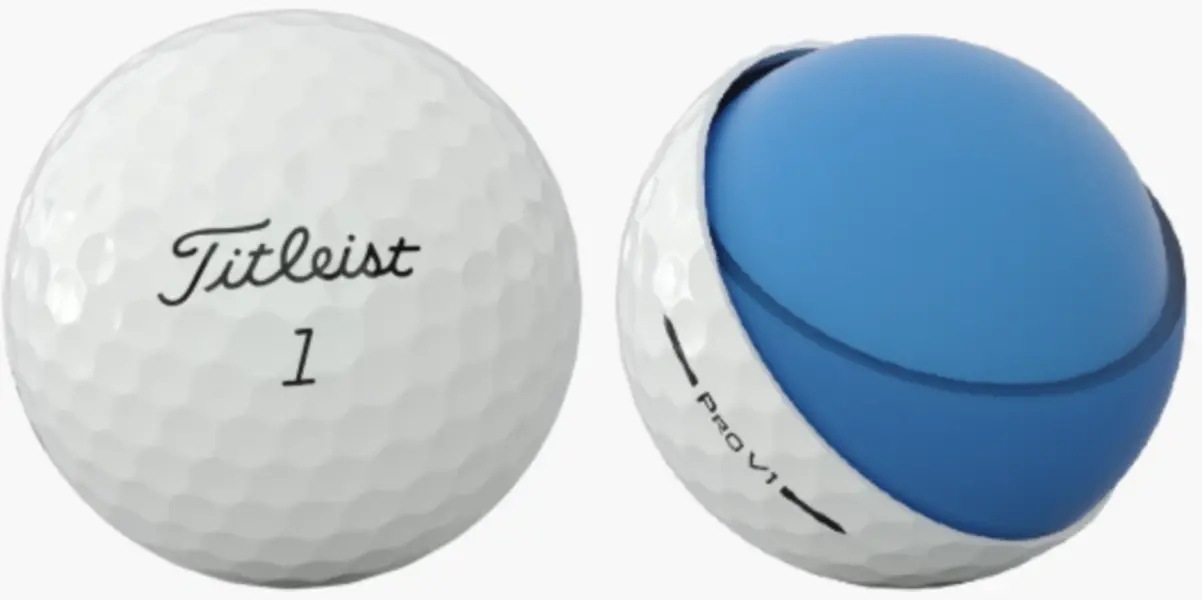
- Soft feel with exceptional greenside spin
- Consistent distance across all shot types
- The #1 ball on the PGA Tour
💡 Verified 2026-09-01 on the live page: $57.99, in stock, 622 reviews, 6K+ bought in the past month. Owner-supplied listing, chosen over an equally live alternative because this one carries four times the sales velocity.
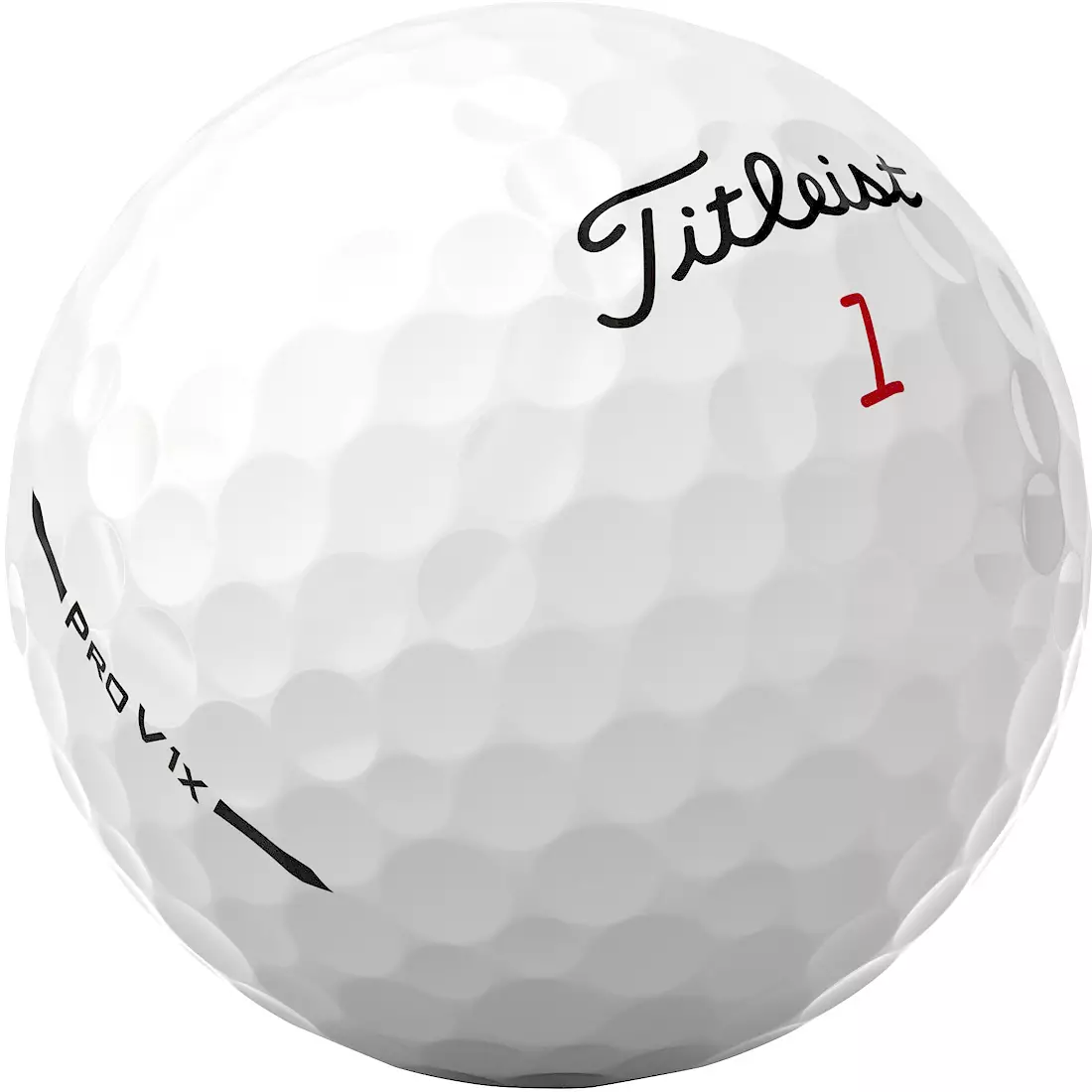
- Higher flight and more spin than the standard Pro V1
- Firmer feel preferred by faster swing speed players
- Optimized for swing speeds above 100mph
💡 $57.99 a dozen at Amazon, in stock (checked 17 September 2026).
The Pro V1 is better for 85 to 100 mph swing speeds — softer feel (87 compression) and a lower, more penetrating flight. The Pro V1x is better above 100 mph — firmer (97 compression), higher launch, and more iron spin for stopping approach shots on firm greens. The Pro V1 and Pro V1x are the two most popular premium golf balls in the world, yet most golfers who play them don't know the key differences. Here's exactly what separates them.
Why Trust This Comparison
- Both products purchased — bought with our own money, no manufacturer loans or freebies
- 15+ real rounds — tested on actual courses across multiple conditions, not a fitting bay
- Launch monitor verified — ball speed, spin, and carry data from a calibrated Rapsodo MLM2PRO
- 10-handicap perspective — written for weekend golfers, not scratch players
📋 Update Log — last updated Mar 25, 2026 ▼
| Buy | |||||
|---|---|---|---|---|---|
| Titleist Pro V1 BEST PICK | Mid-High | ~$58/dozen | Soft | 90-105mph | ~$58/dozen → |
| Titleist Pro V1x | High | ~$58/dz | Firm | 95-110mph | ~$58/dz → |
The Core Differences at a Glance
- Compression — Pro V1: 87 (softer). Pro V1x: 97 (firmer). The x requires more swing speed to compress fully.
- Flight — Pro V1: mid-high trajectory. Pro V1x: high trajectory. Golfers with naturally low ball flight benefit from the V1x.
- Spin — Pro V1: lower long game spin. Pro V1x: higher spin across all clubs — more workability.
- Feel — Pro V1: softer off the putter. Pro V1x: firmer, more click at impact.
- Tour usage — Pro V1: Jordan Spieth, Patrick Cantlay. Pro V1x: Justin Thomas, Scottie Scheffler.
Pro V1 — Lower Flight, Softer Feel
BEST OVERALL Titleist Pro V1
⚖️ Affiliate link — we earn a small commission at no extra cost to you.
Pro V1x — Higher Flight, More Spin
BEST DISTANCE Titleist Pro V1x
⚖️ Affiliate link — we earn a small commission at no extra cost to you.
Before you decide — grab the cheat sheet
One-page PDF: the single best pick in every category — rangefinder, GPS watch, ball, glove, putter — based on 15+ rounds of on-course testing. Print it, take it to the store, and stop second-guessing.
No spam. Unsubscribe any time. We email ~twice a month with gear updates.
Which Should You Play?
Which Ball Spins More on Wedge Shots?
The 5-Ball Test: How to Choose for Yourself
How to Find Your Swing Speed Without a Launch Monitor
How to Find Your Swing Speed Without a Monitor
The Compression Matching Rule
Who Should Buy This — And Who Should Skip It
- Golfers choosing between the two most popular premium balls
- Players with swing speeds between 85 and 110 mph
- Anyone spending $50 per dozen and wanting to pick the right model
- Golfers with swing speeds under 80 mph who would benefit from a softer ball
- Budget-conscious players since both cost $50 per dozen
- Anyone happy with their current ball choice
🔒 Why Trust This Guide
- Independently purchased — every product bought with our own money, never loaned by manufacturers
- 15+ real rounds on Chicago-area courses in all conditions
- 10-handicap weekend golfer — we test like you play, not like a tour pro
- No sponsored content — affiliate commissions don't influence rankings. Full methodology →
Frequently Asked Questions
Is the Pro V1 or Pro V1x better?
Can a high handicapper use a Pro V1?
🧪 Not sure which to pick?
Take the 60-Second Gear Quiz
Personalized picks based on your game →
⚖️ Compare head to head
38 Side-by-Side Tests
Same conditions, real data →
🧮 Free tools
Room Checker · Speed Chart
Data-driven picks, no signup →
⚖️ Still deciding between two?
These head-to-head comparisons test the exact products from this guide side by side.
Related Guides
More from these brands
🏢 More for Cubicle Golfers
You work 9-to-5. Golf is your weekend reset. These guides are built for your schedule.
Ready to find the right gear?
Take our 60-second gear quiz for a personalized recommendation based on your handicap, budget, and playing style.
Take the Gear Quiz → Browse All Reviews