Golf Apparel
We may earn a commission from links on this page — it never affects our picks. Disclosure
Performance golf clothing tested by a weekend golfer in Midwest heat and rain. Polos, pants, shorts, hats, sunglasses, and rain jackets — compared for comfort, fabric, UV protection, and whether premium brands actually outperform budget options.
Nike Dri-FIT Victory Polo — ~$45
Best all-around golf polo for weekend golfers
What to wear in what conditions
Most golf apparel advice is written for a catalogue rather than a round. This is the version we actually use — built from playing through Midwest summers, spring wind and autumn rain, where conditions on one round can span 30 degrees.
| Conditions | Base | Layer | Gloves | What actually matters |
|---|---|---|---|---|
| Under 50°F, dry | Thermal base layer + midlayer | Quarter-zip or vest | Winter glove pair | Layers you can shed by the 4th hole. A vest keeps your core warm without restricting the shoulder turn. |
| 50-65°F, dry | Long-sleeve polo | Light quarter-zip | Standard glove | The most forgiving range. One layer over a polo covers most of it. |
| 65-80°F, dry | Short-sleeve polo | None | Standard glove | Colour matters more than fabric here. Light colours measurably reduce how hot you feel on an exposed course. |
| Over 80°F, humid | Lightweight polo, light colour | None | Two gloves, rotated | This is where cotton fails and where a second glove stops being a luxury. Sweat destroys grip before it destroys comfort. |
| Any temp, rain | Polo + waterproof shell | Rain jacket, taped seams | Rain gloves | Rain gloves work opposite to normal gloves: they grip better wet than dry. Water resistant is not waterproof. |
| Any temp, wind | Polo + windshirt | Windshirt, not a rain jacket | Standard glove | A rain jacket in wind traps heat and rustles through the swing. A windshirt is the specific tool. |
Fabric, in the order it matters
Avoid cotton entirely. It absorbs sweat and holds it, so it gets heavy, stops breathing and stays wet for the rest of the round. Every performance golf shirt is polyester, a polyester blend, or a poly-spandex mix for stretch. This is the one rule with no exceptions.
Stretch decides comfort more than weight does. A shirt with four-way stretch in a heavier fabric will feel better through the swing than a lighter shirt with none. If a polo pulls across your back at the top of the backswing, the fabric has no give — that is a construction problem, not a sizing one.
UPF is a real spec, not marketing. A UPF 50 shirt blocks roughly 98% of UV. On a four-hour round with no shade, that is the difference between reapplying sunscreen twice and not thinking about your arms at all.
Waterproof and water resistant are different products. Water resistant sheds a shower. Waterproof, with taped seams and a rating in millimetres, survives a round in steady rain. If the seams are not taped, it is not waterproof no matter what the tag says.
Sizing: where golf apparel differs from normal clothing
Golf shirts are cut for a rotational movement that no other shirt has to handle, and brands solve it differently. Two things are worth knowing before you order online.
Check the shoulder and the sleeve, not the chest. The chest measurement is where most people size, but the swing is limited by the armhole and the sleeve. A shirt that fits the chest and binds at the shoulder is the single most common apparel complaint we hear.
Athletic cut runs about a size small. If you are between sizes and the shirt is described as athletic, tailored or slim, take the larger one. Standard and classic fits generally run true.
Trousers are the opposite problem: golf trousers are usually cut with more room through the seat and thigh than dress trousers in the same waist size, so your normal waist measurement is usually right.
What we would buy first
If you are building a golf wardrobe from nothing, the order that gets the most use per pound spent is: two performance polos, one pair of golf trousers, a windshirt, then a proper waterproof jacket. Hats, sunglasses and shorts come after — they matter, but they are rarely what ends a round early.
The guides below cover each category in detail, with the products we bought and tested in each.
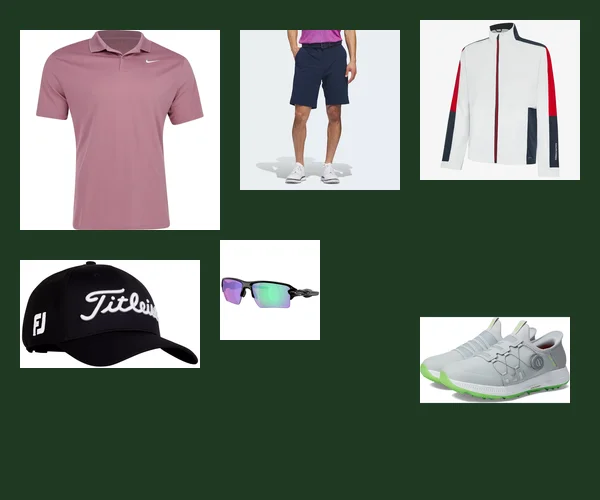
Golf Clothing That Works in Midwest Heat
Golf apparel marketing is full of performance claims that fall apart on hole 14 of a 92-degree walking round. We tested every polo, pant, short, hat, and rain jacket on this hub through actual summer rounds at South Shore and Harborside — two courses where Chicago humidity stress-tests every fabric claim.
The biggest lesson from testing: the $45 polo often outperforms the $75 polo. Price does not reliably predict wicking performance, stretch, or UV protection. What does predict performance is the specific fabric technology — Dri-FIT, ProDry, Cloudspun — and how it interacts with your body type and playing conditions. Each guide below breaks down exactly which technology works best for which scenario.
The six categories below cover everything you wear on the course. Shirts are the most important comfort decision — the wrong fabric turns the back nine into a sweat-soaked ordeal. Shorts and pants need 4-way stretch for unrestricted swing motion. Hats need UV protection and a sweatband that lasts 18 holes. Sunglasses need golf-specific contrast enhancement for reading greens. And rain jackets need to keep you dry without restricting your swing — the hardest engineering problem in golf apparel.
For the rest of your on-course setup, see our golf shoes, gloves, and accessories under $50 guides.
All apparel tested at 5'10", 185 lbs. Fit notes reflect that build — your experience may vary. Author bio on the about page.
All apparel guides
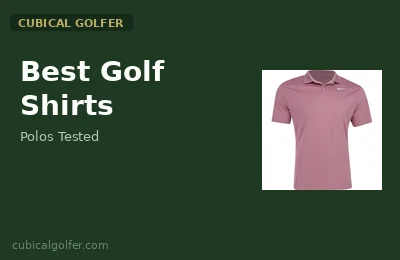
Best Golf Shirts — Polos Tested in Midwest Heat
Golf polos tested in 90-degree Midwest rounds — which ones breathe and which ones cling.
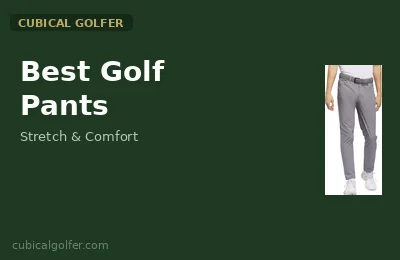
Best Golf Pants for Weekend Golfers
Golf pants that stretch, breathe, and survive a walking round without looking wrinkled.
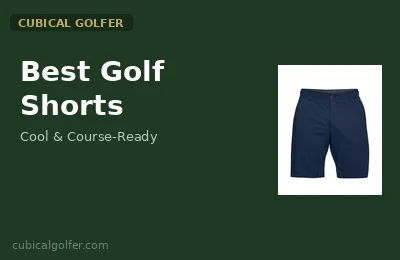
Best Golf Shorts for Hot-Weather Rounds
Golf shorts tested in 90-degree rounds — stretch, breathability, and dress code compliance.
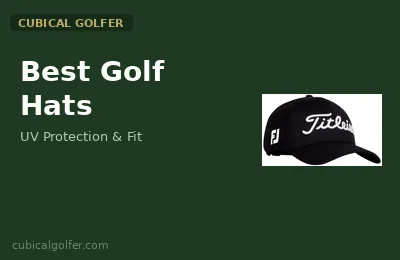
Best Golf Hats for Sun Protection and Style
Golf hats tested for fit, sun protection, and sweat management on hot rounds.
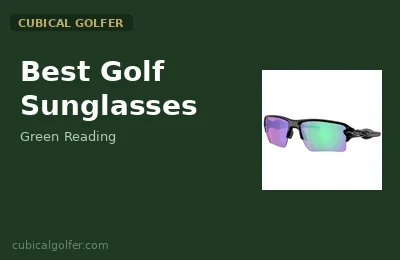
Best Golf Sunglasses for Reading Greens and UV Protection
Golf sunglasses that help you read greens, block UV, and stay put during your swing.
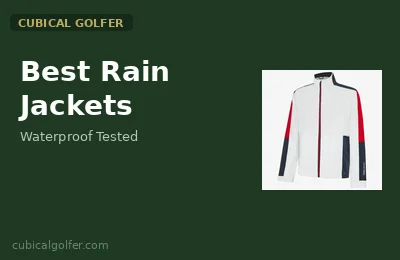
Best Golf Rain Jackets That Let You Swing
Golf rain jackets tested in real rain — which ones keep you dry without restricting your swing.
How we test golf apparel
Each piece of apparel gets a minimum of 6 walking rounds in temperatures ranging from 78°F to 94°F. We assess four things: moisture wicking (does the fabric move sweat away from your skin through 18 holes?), stretch (can you make a full backswing without feeling the shirt pull?), UV protection (does the UPF rating hold up after 10+ washes?), and durability (does the fabric pill, shrink, or lose color after a full season of wash cycles?).
We compare premium brands against budget alternatives because the price gap in golf apparel is often wider than the performance gap. A $45 Nike polo that wicks for 18 holes is a better recommendation than a $75 polo that wicks for 18 holes — even if the $75 polo is marginally better, the improvement does not justify the cost for most weekend golfers.
Rain gear is the exception — cheap rain jackets fail catastrophically in sustained rain, and a soaked golfer does not enjoy golf. The rain jacket guide recommends spending more because waterproof performance scales directly with price in a way that polo performance does not.
Related sections of the site
Apparel is half the comfort equation — the other half is footwear. See our golf shoes hub for spiked, spikeless, and walking options. For the gear that goes in your bag, the gear reviews hub covers clubs, balls, rangefinders, and everything else. Looking for accessories under a budget? The accessories under $50 guide covers the small purchases that improve every round.
Apparel FAQ
What should I wear golfing for the first time?
A collared polo shirt, golf shorts or pants (no jeans or cargo shorts), golf shoes or clean athletic shoes, and a hat for sun protection. Most public courses have relaxed dress codes, but a collared shirt is universally expected. See our specific guides for shirts, shorts, and shoes.
Do I need golf-specific clothing?
You do not need golf-branded clothing, but you do need performance fabric. Cotton absorbs sweat and restricts movement. Polyester or poly-blend polos, stretch pants, and moisture-wicking shorts make a genuine comfort difference over 4+ hours in the sun. The golf-specific versions also include UV protection.
How many golf shirts do I need?
Three to four in rotation is the sweet spot for a golfer who plays once or twice a week. That gives you enough to always have a clean, dry polo without doing laundry between rounds. Buy two in neutral colors (navy, black, grey) and one or two in bolder options.
Are expensive golf polos worth it?
It depends on how often you play. For 20+ rounds per year, a $55-60 premium polo like the FootJoy ProDry lasts 2-3 seasons and actually costs less per round than a $30 polo that pills after one season. For 10 or fewer rounds, mid-range ($40-45) options like the Nike Dri-FIT Victory offer the best value.