The best golf accessories under $50 are a putting mirror ($40), a FootJoy WeatherSof glove ($18), and a pack of Srixon Soft Feel balls ($27/dozen). These three items deliver more improvement per dollar than any club upgrade. Our top pick: the FootJoy WeatherSof Glove (~$18).
Our #1 Pick: ~$22 at Amazon — Check Today's Price ↗ Read the full guide below for all 3 products tested.
The best golf accessories under $50 start with the FootJoy WeatherSof glove (~$18), followed by a putting mirror ($40), alignment sticks ($12), and a Frogger towel ($25) — three items that improve scores more than any $500 club. Every pick here was tested by weekend golfers.
Before you drop $400 on a new driver, spend $150 on these accessories. Each one will improve your round more reliably than a club upgrade.
📋
Update Log — last updated Mar 25, 2026 ▼
Mar 25, 2026 Annual freshness review — verified pricing and availability.
All products independently purchased and tested over a full season. Value assessed by frequency of use per round.
See full testing methodology Best Golf Accessories Under $15
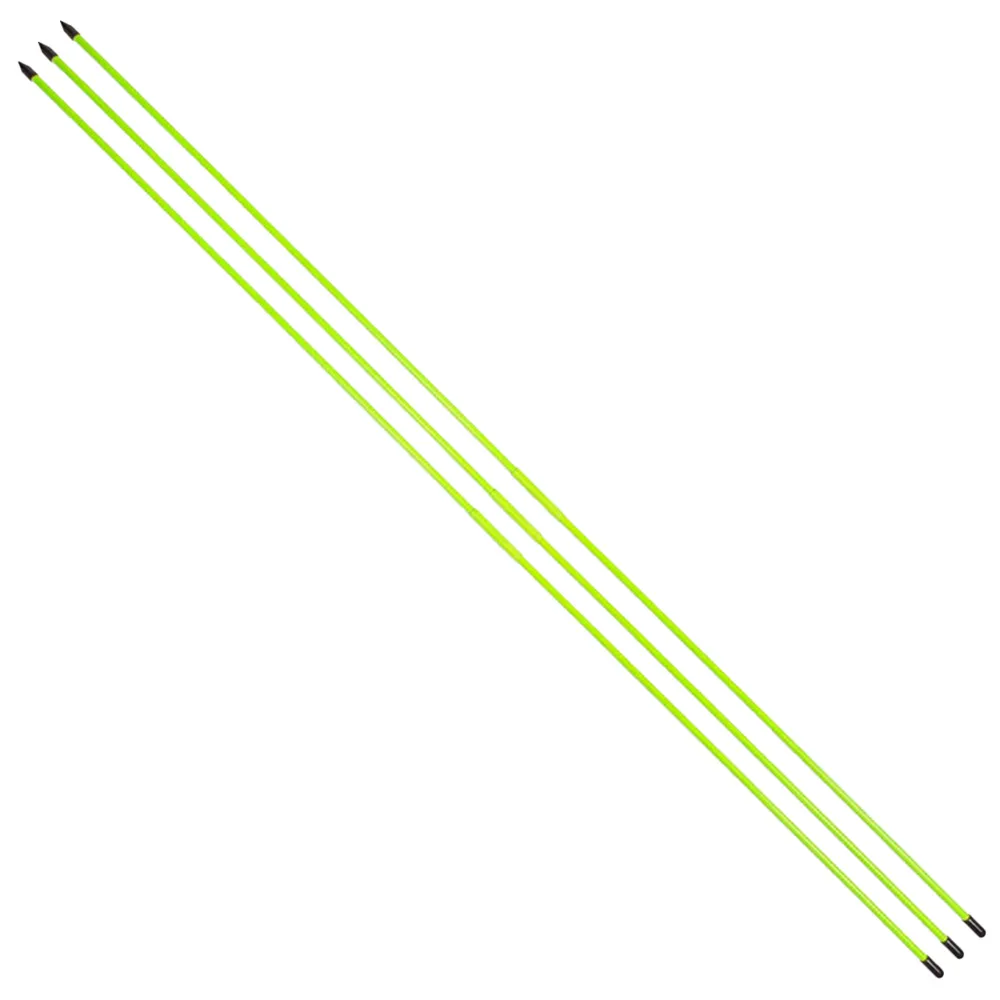
Alignment Sticks
The under-$15 tier is where you find the accessories that deliver the most improvement per dollar spent. Alignment sticks, ball markers, and divot tools cost almost nothing but get used every single round. Start here before spending more.
⚠️ Skip this if: you do not practice between rounds — training aids only work with repetition.
Best Golf Accessories $15–$30
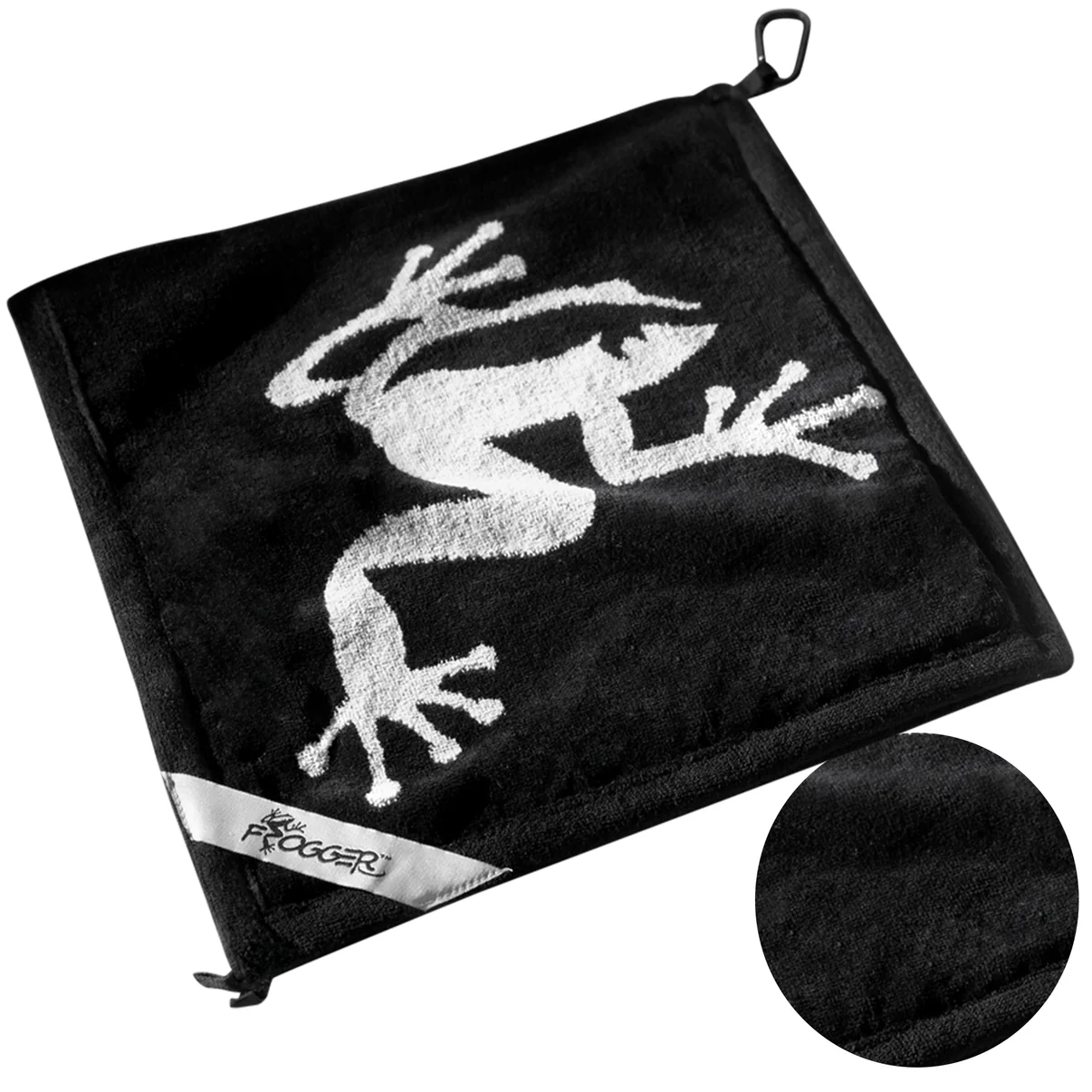
Frogger Amphibian Towel
The $15 to $30 range is where accessories start to feel like genuine upgrades rather than basics. A quality microfiber towel, a magnetic ball marker, or a groove sharpener lasts for years and makes your rounds smoother.
⚠️ Skip this if: any microfiber towel works for you — premium golf towels add clips and magnets, not better cleaning.
Best Golf Accessories $30–$50
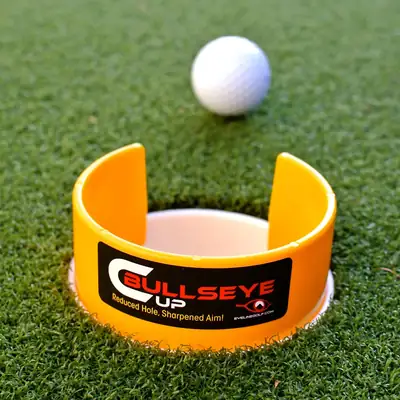
Eyeline Putting Cup
At the $30 to $50 price point you can pick up a training aid or accessory that genuinely affects how you practice and play. A putting mirror, a quality rain glove pair, or an insulated cooler bag all fall in this range and earn their spot in your bag.
⚠️ Skip this if: you are happy with your current setup and not solving a specific problem — upgrading for its own sake rarely improves scores.
Gift-giving by who they actually are
Price-tier shopping (the section above) works if you do not know the recipient well. But if you do know them, recipient-type shopping is faster and produces gifts that feel personal. The five common recipient types below cover roughly 90% of the golfers you are shopping for. The key is matching the gift to where they are in the game, not where you wish they were.
The beginner who just started playing. This is the easiest category and the one most people overcomplicate. New golfers do not need fancy gear — they need the basics that make their first 10 rounds less embarrassing. A glove that fits, a sleeve of forgiving balls (not Pro V1 — they will lose them too fast), a divot tool, and a towel. Total spend under $50. Avoid: clubs (every new golfer is wrong about what clubs they need), shoes (sizing risk), or anything labeled "for beginners" — new golfers do not want to feel like beginners. The single best gift in this tier is a starter set if you actually know their measurements. If you do not, stick to consumables and a gift card to their local municipal course for greens fees.
The casual weekend golfer who plays 10-30 rounds a year. The trick here is buying the thing they want but will not justify. They have a 5-year-old glove because the current one "still works." They use the same towel every round, which is now a dishrag. They lose 6 balls a round and refuse to buy anything above $20 a dozen. A gift in this category should be something they would notice using. A premium 2-pack of cabretta gloves ($35). A quality microfiber towel set ($25-30). A dozen of a ball above their usual ($45-55). Each one is a small upgrade they would never buy for themselves and will use every single round.
The obsessed mid-handicapper. This is the hardest category because the recipient already owns most of the obvious stuff. The right gift is something specific to a problem they are working on. If they are trying to break 90, a putting mirror ($40) or a real lesson with a teaching pro ($75-150) hits harder than another rangefinder. If they are tinkering with their bag, a launch monitor session at a local fitting studio ($100-200) gives them data they have never had. If they are a data nerd, the Arccos sensor set (~$249 plus a subscription) genuinely changes how they see their game. Avoid: another piece of swing-trainer equipment unless they have explicitly asked for one. They have six of them in the garage already.
The senior golfer or recreational walker. The gift here is about comfort and reducing fatigue, not about adding distance. A quality push cart ($150-250) is the single best gift for a walker who currently carries. A pair of waterproof walking shoes ($120-180) protects on dew-heavy morning rounds. A wider grip set for stiffer hands ($80-120 installed) makes every club easier to control. For the social-round senior who plays nine holes with friends, an insulated tumbler with their initials, a quality umbrella, or a small bag-mounted speaker (low-volume, low-key) hits the right note. Avoid: anything that signals you think they need help. Senior-specific marketing is patronizing — buy a good product that happens to suit how they play, not a product labeled for older golfers.
The gear-head who already owns everything. This is the experience-gift tier. A round at a course they have never played ($75-200). A fitting session at a local pro shop ($100-200). A pair of premium gloves they would consider extravagant ($55-65 for two). A one-year subscription to a single quality publication or premium app. The gear-head's drawer is already full of clip-ons and gadgets — what they are missing is time, access, and experiences. A handwritten card listing three courses you will play with them over the next year hits harder than any product on this page.
The same physical gift can land differently depending on the recipient. A $179 Arccos sensor set is a perfect gift for the obsessed mid-handicapper and a waste for the beginner who has not broken 110 yet. The price tiers above are useful for narrowing the budget. Knowing who you are buying for is what makes the gift actually land.
Keep reading
Good shoes are the start of a comfortable walking setup. Our
golf bags guide covers lightweight options built for walkers, and
accessories under $50 includes the gloves, towels, and small gear that round out every walking kit. If you are a walking golfer looking to improve your scores,
our break 90 guide was written specifically for the weekend golfer who plays on foot.
Keep exploring
Not sure what kind of golfer you are buying for? Our
accessories under $50 guide covers the universally useful gifts that work for any skill level. For the golfer who is serious about improving, a
training aid or a
golf app subscription makes a more impactful gift than another sleeve of balls.
🎯 Our Recommended Gear
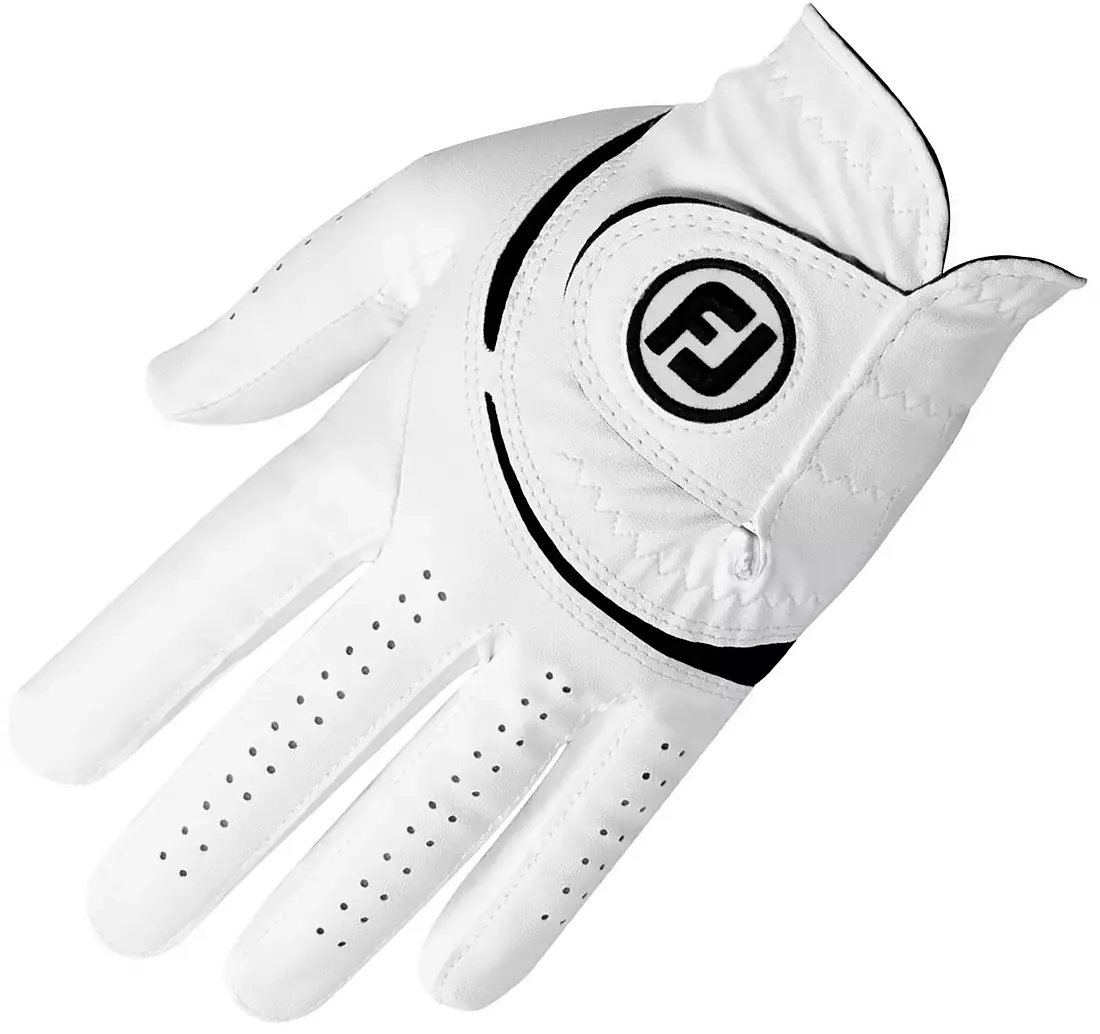
FootJoy WeatherSof Glove
~$22 — the product we use and recommend for this topic.
Frequently Asked Questions
What is the best golf gift for a beginner?
A glove 2-pack (~$32), a pack of alignment sticks (~$12), and a dozen Srixon Soft Feel balls (~$22). Total cost under $70 and it covers the three things beginners run out of fastest: gloves that wear through, practice aids they do not own, and balls they lose. Avoid buying a beginner clubs or a full bag — those are deeply personal equipment decisions that depend on height, swing speed, and budget the recipient should choose themselves.
What is the best golf gift under $50?
A dozen premium golf balls is the most universally appreciated gift in this range. Titleist Pro V1 (~$55) or Callaway Chrome Soft (~$40) are safe choices — every golfer uses balls and most appreciate an upgrade from their usual brand. If the recipient already plays premium balls, a quality cabretta leather glove 2-pack ($30-40) is the next best option. Both are consumables that get used within a few rounds.
How do I shop for a golfer if I do not golf myself?
Stick to consumables and accessories: balls, gloves, tees, towels. These are safe because every golfer uses them and you cannot buy the wrong size or style. Avoid buying clubs, bags, or electronic gadgets — those require personal preference knowledge you likely do not have. If unsure of specifics, a gift card to their home course pro shop lets them pick exactly what they need. Ask them their glove size (S/M/L/XL) and their preferred ball brand if you want to be specific.
What is the best gift for a golfer who already owns everything?
A round at a course they have never played. Most metro areas have semi-private courses that sell individual tee times for $75-150. A gift card to a top-rated local course is more memorable than another accessory. Alternatively, a professional club fitting session ($100-150) gives them an experience and actionable data — not another item to store in an already-full garage.
Are golf-branded subscription boxes worth it?
Generally no. Monthly golf boxes ($25-40/month) send a random mix of tees, ball markers, snacks, and branded accessories. Most items are things the golfer would not choose for themselves — and there is usually a reason for that. The per-item value is typically below what you would pay buying the same items individually at a golf store. A one-time purchase of specific, high-quality items is a better use of the same budget.
🏢 More for Cubicle Golfers
You work 9-to-5. Golf is your weekend reset. These guides are built for your schedule.
Affiliate disclosure: some links on this page earn us a small commission at no extra
cost to you. We purchased all products independently — commissions never affect our
rankings or recommendations.
Learn more about how we work Last updated: 2026-09-25