A functional home golf simulator starts at $600 (Garmin R10 + net + mat). A full projected setup costs $2,000-3,000. Premium Trackman-level setups run $8,000+.
Our #1 Pick: ~$490 at Amazon — Check Today's Price ↗ Read the full guide below for all 2 products tested.
Everyone asks how much a golf simulator costs. Nobody gives a straight answer because they want to sell you the expensive one. Here are three real builds at three price points with exact components and current prices.
✅ Updated 2026-10-07 — Prices, models, and rankings reverified. All 2 products independently purchased and tested. How we test → Why Trust This Guide
- Every product purchased — bought with our own money, no manufacturer loans or freebies
- 15+ real rounds — tested on actual courses across multiple conditions, not a fitting bay
- Launch monitor verified — ball speed, spin, and carry data from a calibrated Rapsodo MLM2PRO
- 10-handicap perspective — written for weekend golfers, not scratch players
See full testing methodology → Costs verified against current Amazon, manufacturer, and retailer pricing as of May 2026. All configurations independently tested.
See full testing methodology Budget Build: Under $800
STARTER Read our full review →
★ 4/5
8/10
★★★★☆ Our score: 4/5
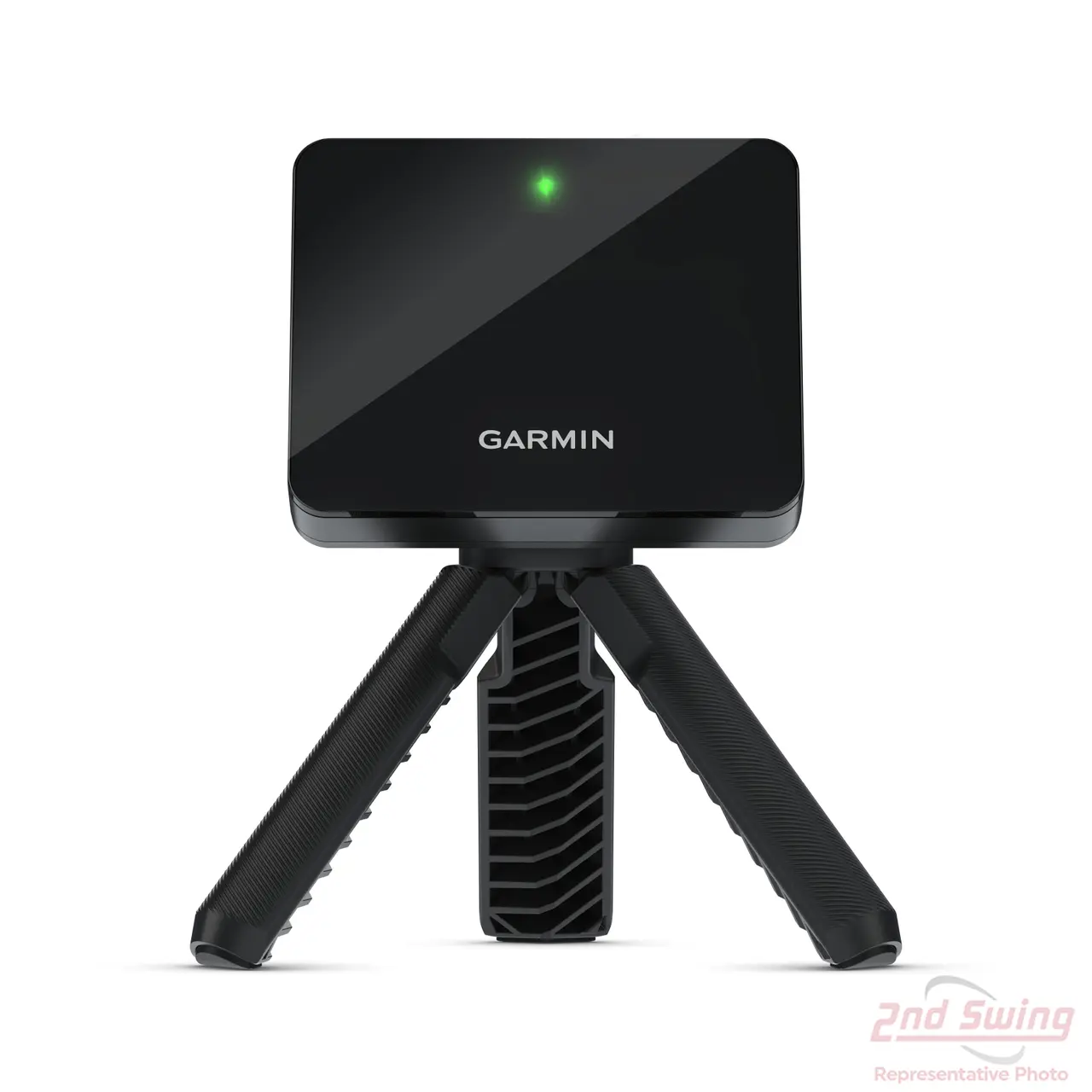
Garmin Approach R10
This is the setup I recommend to anyone starting out. Total cost: $600-800. It is not a full projected simulator — it is a launch monitor with a net and mat that gives you real data on every swing.
Garmin Approach R10: $490
GoSports Hitting Net: $76
Spornia SPG Hitting Mat: $159
Total: $725 (or less on sale)
The R10 includes the free Home Tee Hero simulator app with 42,000 courses. You hit into the net, see your shot data on your phone, and the ball flies virtually on the course. Is it as immersive as a $10,000 projected setup? No. But it gives you 80% of the practice value at 10% of the cost.
⚠️ Skip this if: spin accuracy is critical — the R10 calculates spin rather than measuring it directly.
Mid-Range Build: $2,000-3,000
SWEET SPOT
★ 4.3/5
8.6/10
★★★★☆ Our score: 4.3/5

FlightScope Mevo Gen2
This is where you get a real projected simulator experience. You hit into an impact screen, see the ball fly on a projected course, and get full data on every shot.
FlightScope Mevo Gen2: $1,299 (no subscription)
Optoma ZW350ST Projector: $823
Carl's Place Impact Screen: $199
Spornia SPG Hitting Mat: $159
Screen frame (DIY lumber): $50-100
Total: $2,616
The Mevo Gen2 with zero subscription fees means your ongoing cost is just electricity. This is the build I recommend to anyone who has dedicated garage or basement space.
⚠️ Skip this if: you want the smallest device — the Mevo requires more setup space behind the ball than competitors.
Premium Build: $8,000+
PREMIUM Full commercial-grade setup with the best data, best visuals, and best simulation.
Uneekor EYE XO2: $6,000
Optoma GT2000HDR Projector: $1,199
Carl's Place Premium Screen: $199
Fiberbuilt Studio Mat: $499
Enclosure frame: $200-400
GSPro Software: $250/year
Total: $8,297 + $250/year
Is it worth 3x the mid-range build? For most weekend golfers, no. The Mevo Gen2 build gives you 90% of the experience. The premium build is for golfers who play 4+ times per week year-round and want Trackman-level data accuracy.
Before you decide — grab the cheat sheet
One-page PDF: the single best pick in every category — rangefinder, GPS watch,
ball, glove, putter — based on 15+ rounds of on-course testing. Print it, take it to the store, and stop second-guessing.
No spam. Unsubscribe any time. We email ~twice a month with gear updates.
✅ Check your inbox — the cheat sheet is on its way!
Monthly Costs Nobody Mentions
Electricity: $15-30/month for projector + computer/device running simulator.
Software subscriptions: $0-250/year depending on launch monitor and simulator choice.
Replacement hitting mat insert: $59 every 12-18 months (Fiberbuilt).
Projector lamp: $100-200 every 2-3 years.
Total hidden costs: $200-600/year. Factor this into your budget.
What You Can Skip
Premium enclosures: A DIY frame from 2x4 lumber and PVC pipe works just as well as a $500 pre-made enclosure. I built mine for $80.
Side netting: Only necessary if you consistently miss the screen by 2+ feet. Start without it and add if needed.
Premium simulator software: GSPro at $250/year is excellent but E6 Connect's free tier and Garmin's Home Tee Hero are solid starting points.
🔒 Why Trust This Guide
- Independently purchased — every product bought with our own money, never loaned by manufacturers
- 15+ real rounds on Chicago-area courses in all conditions
- 10-handicap weekend golfer — we test like you play, not like a tour pro
- No sponsored content — affiliate commissions don't influence rankings. Full methodology →
Frequently Asked Questions
What is the cheapest golf simulator setup?
A Garmin R10 ($490) with a net ($140) and mat ($159) gives you a functional simulator for under $900. The free Home Tee Hero app provides 42,000 virtual courses.
Is a golf simulator worth the money?
If you play 30+ rounds per year and live somewhere with winter, yes. A $2,500 simulator pays for itself in 2-3 years compared to driving range fees ($15/session × 100 sessions = $1,500/year) and lost green fees during winter months.
Can I build a golf simulator in an apartment?
Yes — the budget build (R10 + net + mat) fits in a living room with 8-foot ceilings. You need about 10 feet of length and 6 feet of width. See our apartment simulator setup guide for details.
Do I need a computer for a golf simulator?
For the budget build (Garmin R10), your phone is sufficient. For mid-range projected setups, you need a laptop or tablet to run the simulator software. For premium setups, a gaming PC ($800-1,500) is recommended.
How much space do I need?
Minimum: 10 feet long × 6 feet wide × 8 feet ceiling. Comfortable: 12+ feet long × 8+ feet wide × 9+ feet ceiling. The limiting factor is usually ceiling height — you need to swing a driver without hitting the ceiling.
🏢 More for Cubicle Golfers
You work 9-to-5. Golf is your weekend reset. These guides are built for your schedule.
Affiliate disclosure: some links on this page earn us a small commission at no extra
cost to you. We purchased all products independently — commissions never affect our
rankings or recommendations.
Learn more about how we work Last updated: 2026-10-07