Golf Gear Comparisons
We may earn a commission from links on this page — it never affects our picks. Disclosure
Head-to-head tests for the question every weekend golfer ends up Googling at 11pm: which one is actually worth the money?
Why a comparison hub exists at all
When you are deciding between two pieces of golf gear, the worst place to look is the manufacturer page. Both products say they are the best. Both have a testimonial from a tour pro you have never heard of. Neither tells you what happens when you actually take the thing out for a Saturday round at a course that is not perfectly manicured.
Every comparison on this site exists because I — Ryan O., a 10-handicap weekend golfer who plays out of Harborside Golf Course in Chicago — sat there at midnight on a Tuesday trying to decide between two products and could not find a real answer anywhere. So I bought both. I played them on the same course, on back-to-back rounds when possible, and wrote down what actually happened.
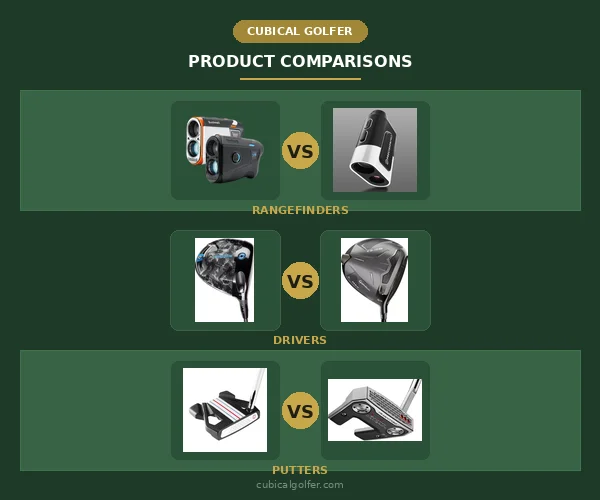
The comparisons are organized by the equipment categories that move the needle most for recreational golfers. Rangefinders live or die on pin-lock speed in mixed conditions — flat lies are easy, side-hill lies into trees are where the real differences show up. Launch monitors need accuracy benchmarks against something we already trust — every monitor in our comparisons is checked against GPS-tracked round data — the process is documented at how we test. Driver comparisons matter on mis-hits, not center-face ball speed, because no one who needs to read a comparison hits the center every time.
The matchups we cover are the ones weekend golfers actually search for. Bushnell Tour V7 vs Precision Pro NX9 is our most-read comparison because everyone has narrowed their rangefinder shortlist to those two. SkyTrak+ vs Garmin R10 is the home-simulator decision that has stranded thousands of people on Reddit. Paradym vs Qi35 is the driver comparison that keeps getting asked at every pro shop in the country.
If both products are genuinely close, we say so — and then tell you which one to buy based on the use case (left-handed vs right-handed, slope vs no slope, indoor vs outdoor, budget vs premium). The goal is to end your shopping search in one read.
Updated whenever new products drop or prices shift. Last full-sweep update: June 2026.
Bushnell Tour V7 Shift vs Precision Pro NX9
$349 vs $219 — does paying double actually buy you double the rangefinder?
All comparisons
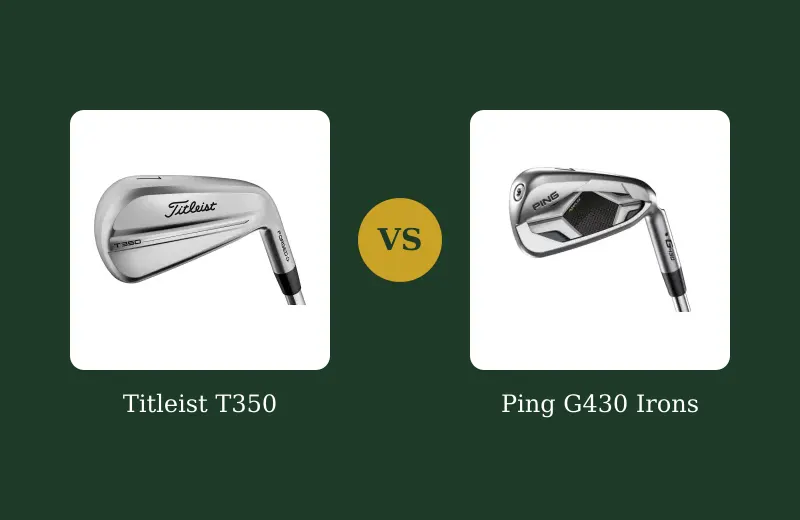
Titleist T350 vs Ping G430 Irons
These are two of the most-cross-shopped game-improvement iron sets in golf, and they are closer than the badge on the ba…
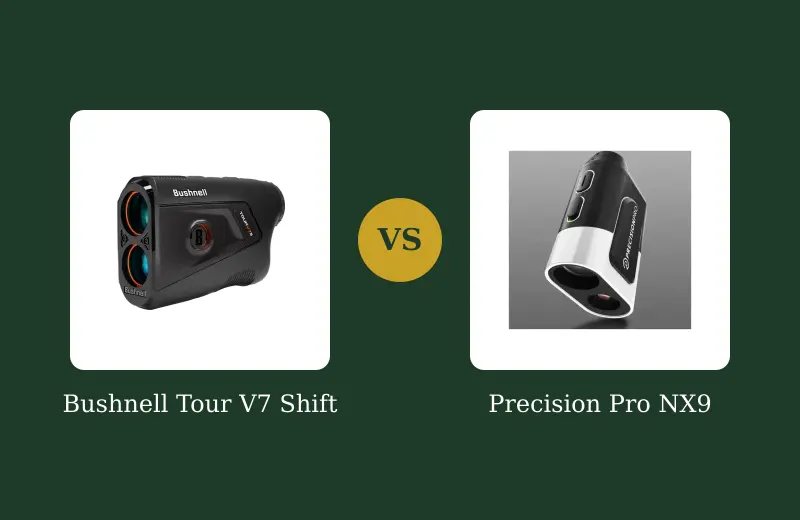
Bushnell Tour V7 vs Precision Pro NX9
Both rangefinders lock pins accurately, both have slope adjustment, and both are tournament legal. The difference is $16…
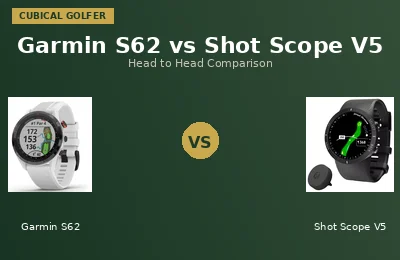
Garmin S62 vs Shot Scope V5: Best GPS Watch
Both watches automatically track shots without button presses. Both cover 40,000+ courses. The difference is $150, a sub…
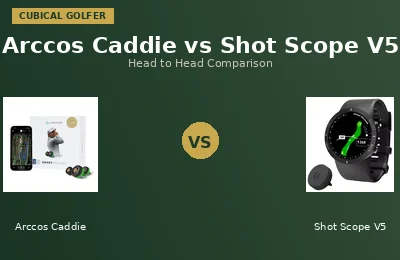
Arccos Caddie vs Shot Scope V5: Which to Buy?
Both Arccos Caddie and Shot Scope V5 automatically track every shot without button presses. The difference is a $99/year…
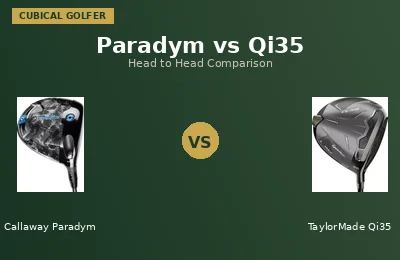
Qi35 Max vs Paradym Ai Smoke — Driver Showdown
Both Callaway Paradym Ai Smoke Max and TaylorMade Qi35 Max are the flagship game-improvement drivers from their respecti…
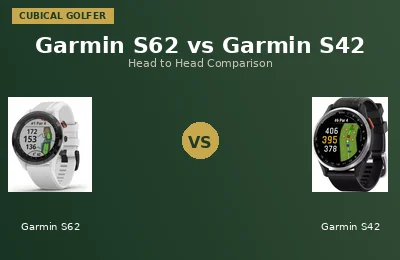
Garmin S62 vs S42: Which GPS Watch to Buy?
The Garmin Approach S62 and S42 are the two most popular GPS golf watches in the Garmin lineup. The S62 is the premium m…
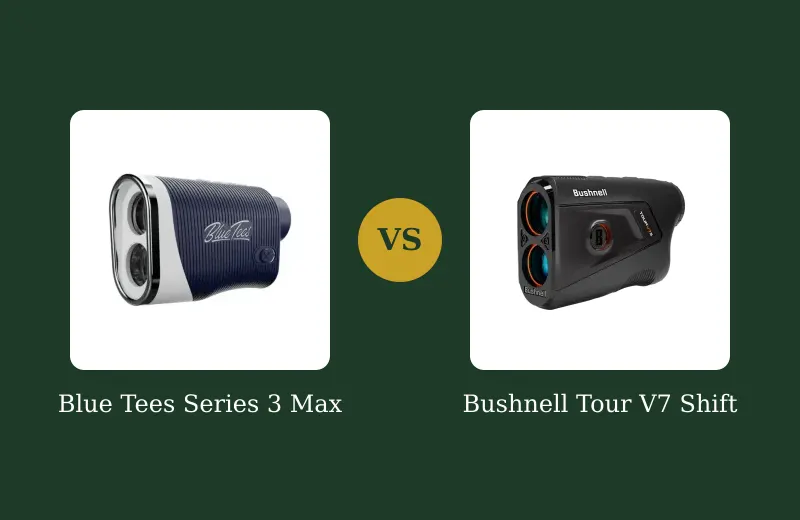
Blue Tees Series 3 Max vs Bushnell Tour V7 Shift
Blue Tees has built a strong reputation for offering 80% of Bushnell performance at 50% of the price. But is that trade-…
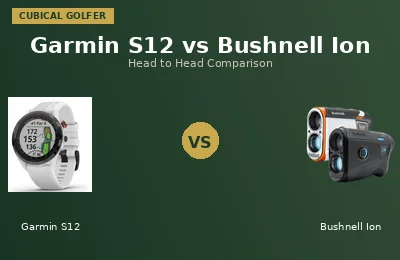
Garmin Approach S12 vs Bushnell Ion Elite GPS Watch
These are the two best GPS golf watches under $200 in. Both provide accurate front/middle/back yardages and automatic ho…
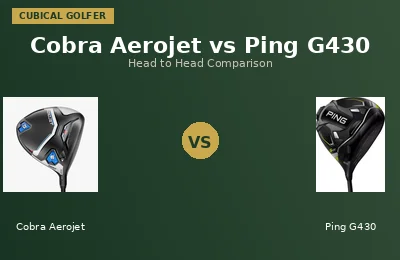
Cobra DS-Adapt MAX-K vs Ping G430 Max Driver
Both drivers target the forgiving, high-launch segment. The Ping costs about $50 more. After 10 rounds with each, here i…
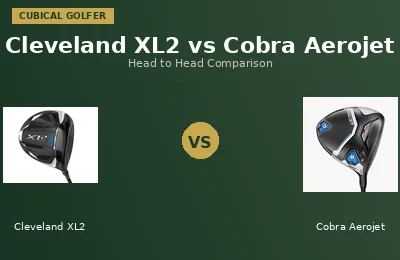
Cleveland Launcher XL2 vs Cobra DS-Adapt MAX-K
Two budget-friendly forgiving drivers, two different approaches. The Cleveland goes all-in on lightweight and high launc…
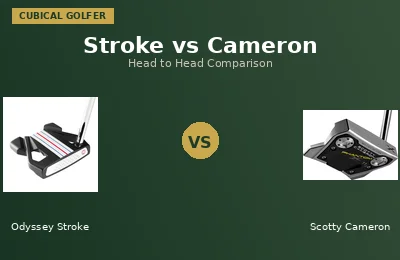
Odyssey Stroke Lab vs Scotty Cameron Phantom X
Two mid-range putters, two different philosophies. The Odyssey uses shaft technology to improve your stroke. The Scotty …
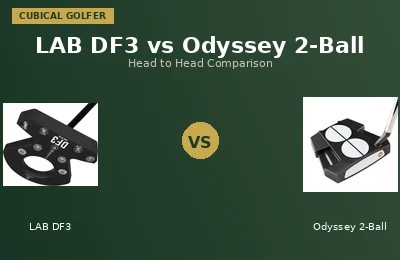
LAB Golf DF3 vs Odyssey Two Ball Eleven
Two unconventional putters designed for golfers who struggle with conventional designs. The LAB Golf removes the need fo…
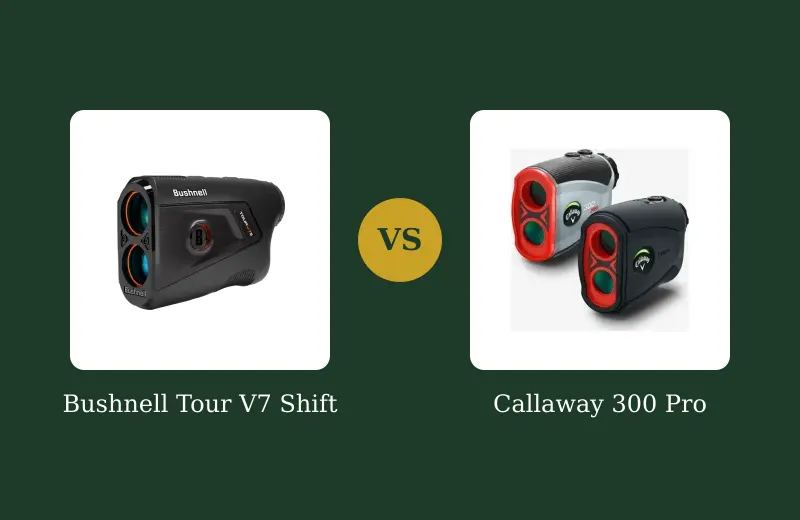
Bushnell Tour V7 Shift vs Callaway 300 Pro
The Bushnell Tour V7 Shift ($399) is the rangefinder that tour caddies carry. The Callaway 300 Pro ($197) is the rangefi…
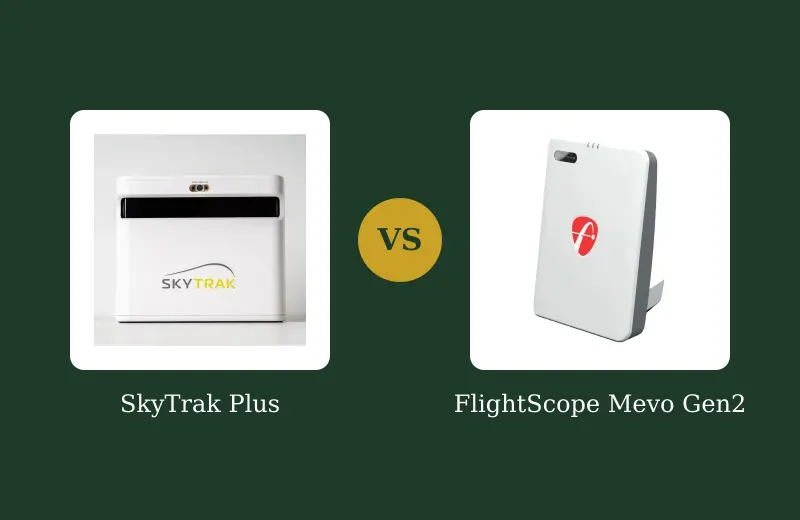
SkyTrak+ vs FlightScope Mevo Gen 2
The SkyTrak+ ($1,195) and FlightScope Mevo Gen 2 ($1,299) are both premium launch monitors that compete for the serious …
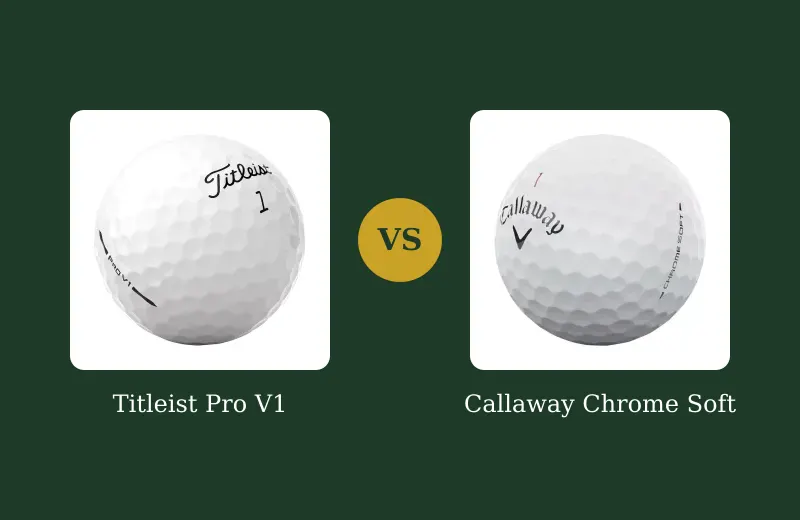
Pro V1 vs Chrome Soft — 200 Shots Tested
The two best-selling premium golf balls in the world, tested head to head over more than 200 shots on a launch monitor a…
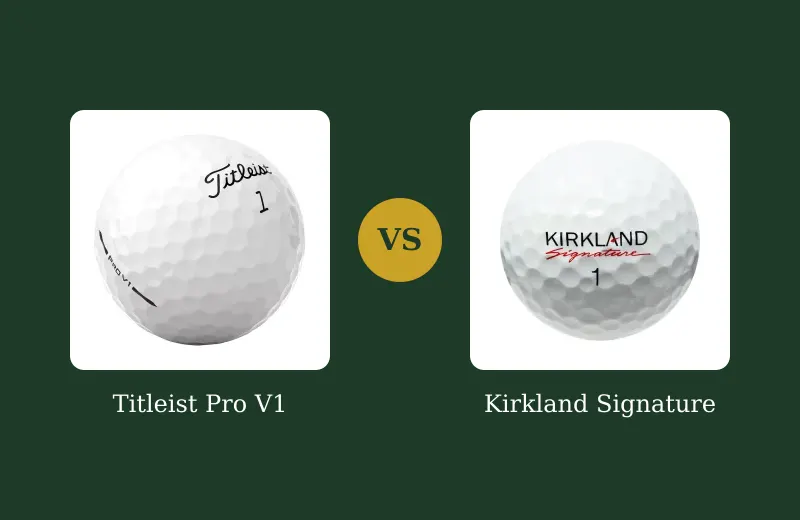
Pro V1 vs Kirkland Golf Ball — Worth the $41 Difference?
The internet golf debate that never ends: can a Costco golf ball that runs about $14 a dozen (sold as a $28 two-dozen bo…
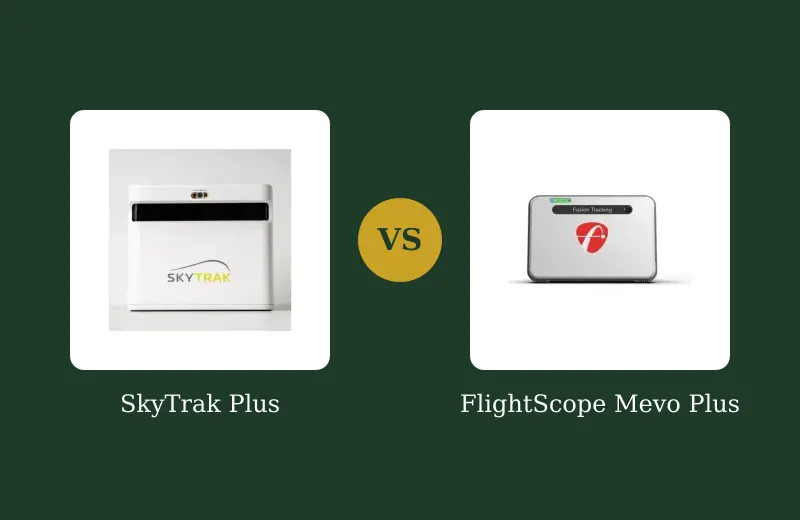
SkyTrak+ vs Mevo+ — Indoor Launch Monitor Compared
Two of the most popular launch monitors for home golf simulators, tested over more than 500 shots indoors and outdoors. …
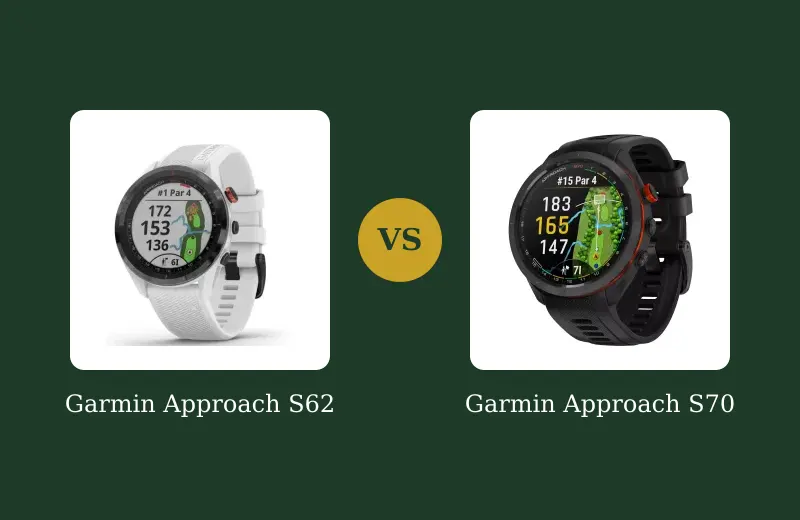
Garmin Approach S62 vs S70 — Worth the Upgrade?
Garmin released the Approach S70 as the successor to the best-selling S62. Both are premium golf GPS watches with full-c…
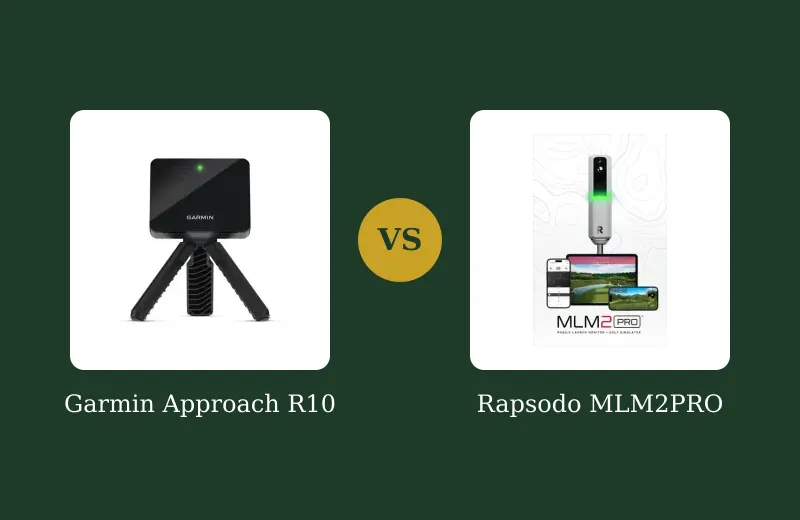
Garmin R10 vs Rapsodo MLM2PRO — Which Wins?
The two most popular budget launch monitors in golf go head to head. The Garmin Approach R10 uses Doppler radar; the Rap…
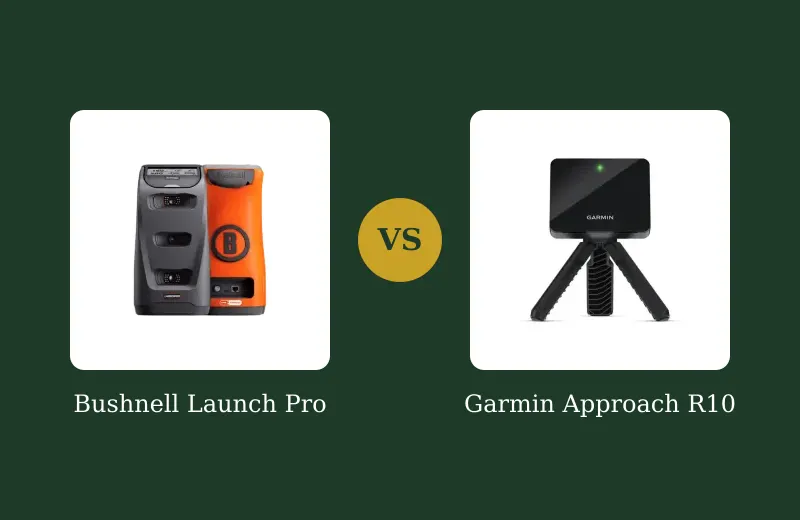
Bushnell Launch Pro vs Garmin R10 — Worth 4x?
This is not a fair fight on accuracy. The Bushnell Launch Pro (powered by Foresight GC3 technology) is a professional-gr…
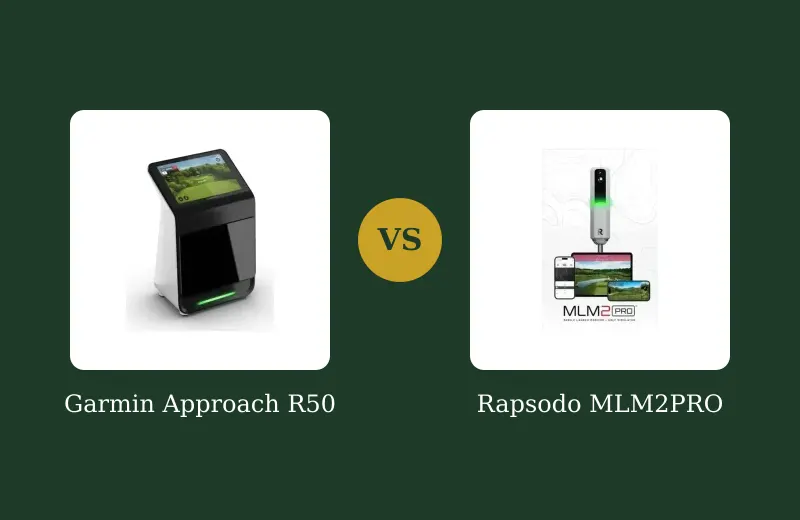
Garmin R50 vs Rapsodo MLM2PRO — $4,999 vs $699
This is a premium-vs-value matchup, not a fair price fight. The Garmin R50 ($4,999) is an all-in-one launch monitor with…
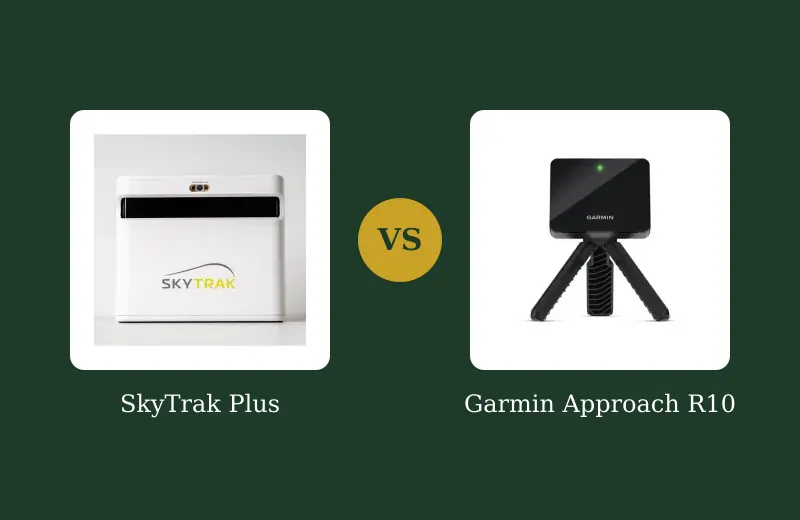
SkyTrak+ vs Garmin R10 — Camera vs Radar Launch Monitor
The SkyTrak+ ($1,195) and the Garmin R10 ($490) represent opposite ends of the consumer launch monitor spectrum. The Sky…
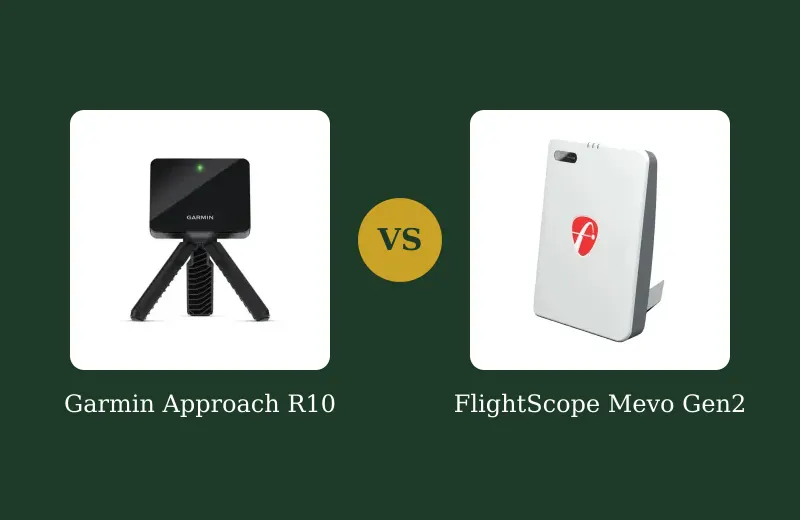
Garmin R10 vs FlightScope Mevo — Which to Buy?
Two Doppler-radar launch monitors at the entry level of the market. The Garmin R10 has become the best-selling budget mo…
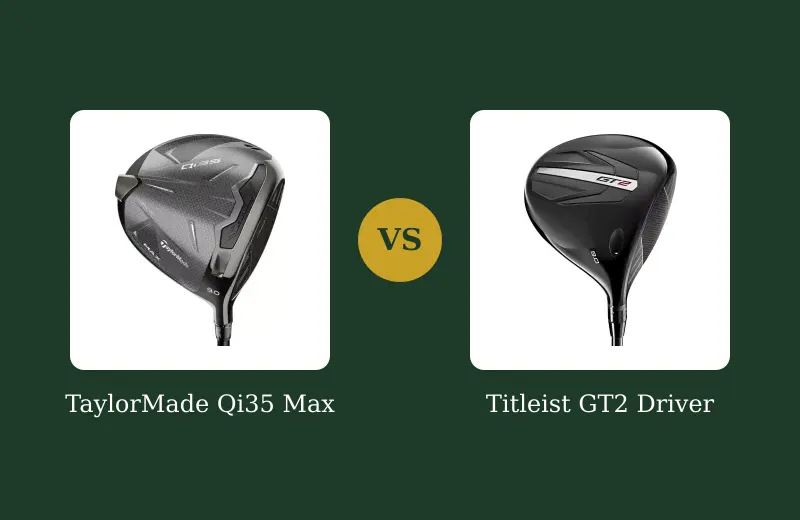
TaylorMade Qi35 vs Titleist GT2 — Which Premium Driver Wins?
Two premium drivers from the biggest names in golf. The TaylorMade Qi35 Max prioritizes forgiveness with the largest swe…
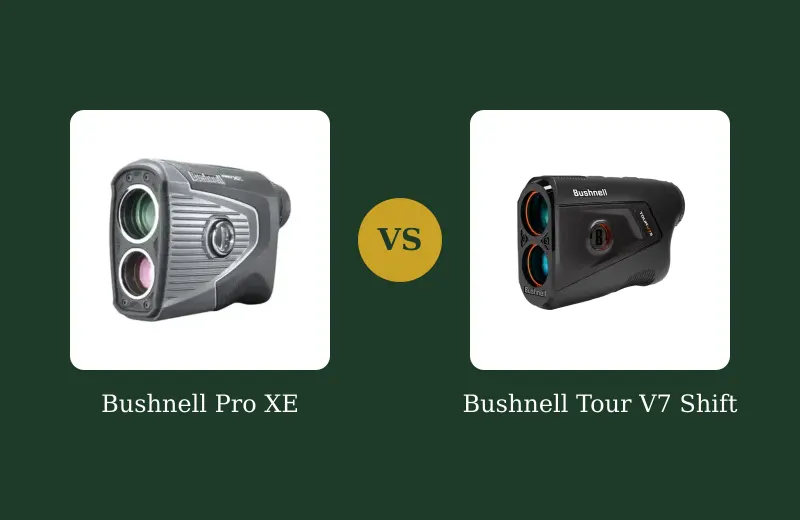
Bushnell Pro X3 vs Tour V7 — Which to Buy?
Both rangefinders are made by Bushnell — the gold standard in golf rangefinders. The Pro X3 ($450-500) is their flagship…
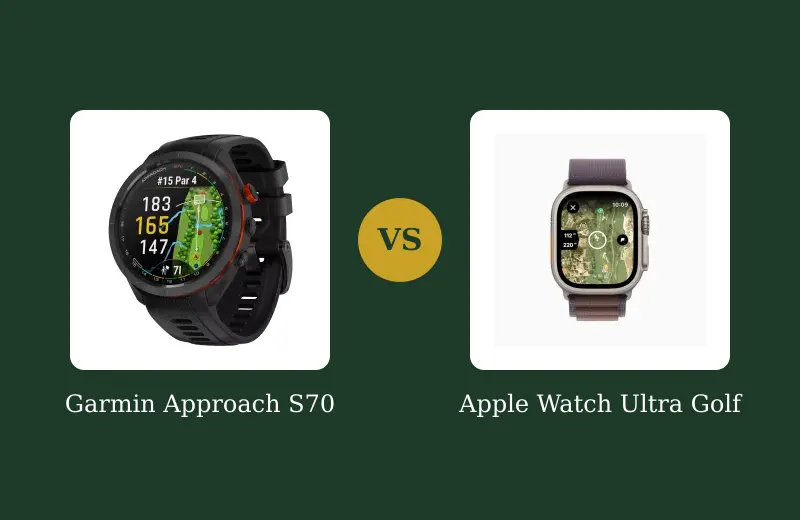
Garmin S70 vs Apple Watch for Golf — Which One?
This is not really a fair comparison — the Garmin S70 is a purpose-built golf GPS watch; the Apple Watch is a general sm…
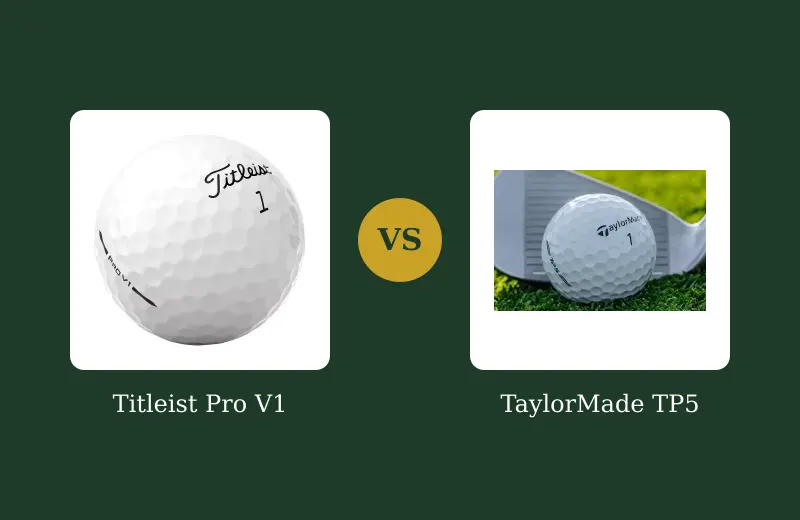
Pro V1 vs TP5 — Premium Golf Ball Comparison
Two premium urethane tour golf balls that dominate the tour and the retail shelf. They cost about $50-55 per dozen (the …
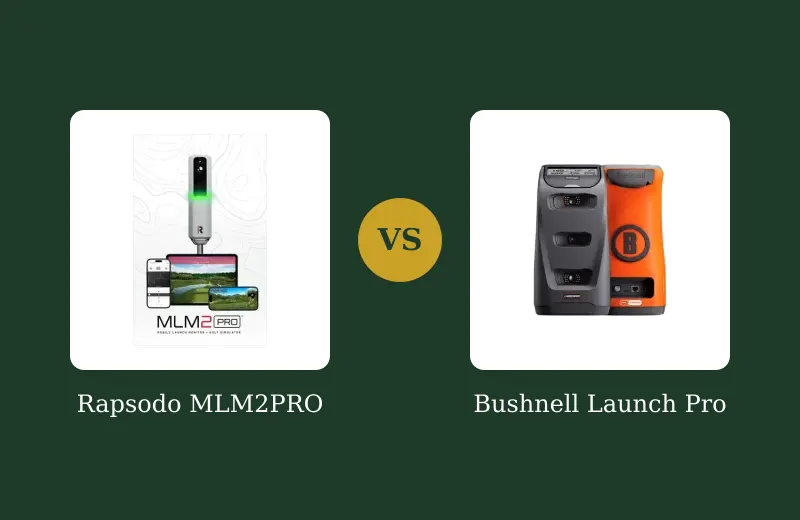
Rapsodo MLM2PRO vs Bushnell Launch Pro: Which Wins?
I've spent a lot of range time with both of these, and they aim at very different golfers even though they get lumped to…
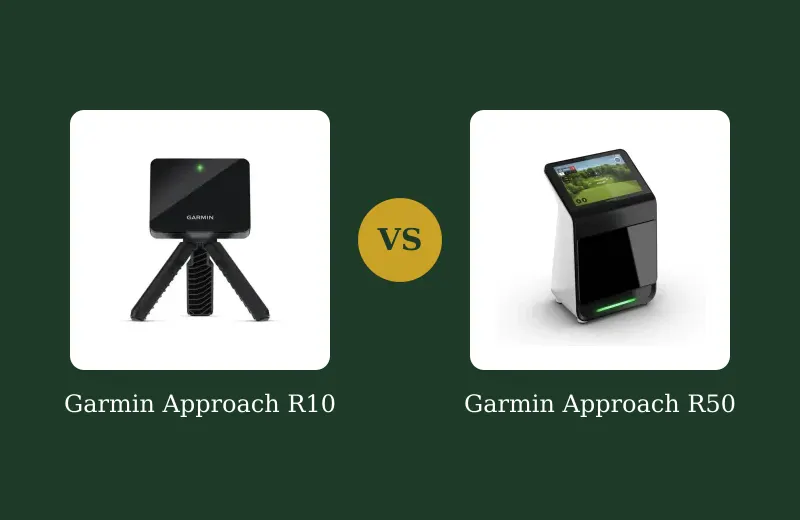
Garmin R10 vs R50 — Is the $4,400 Upgrade Worth It?
The Garmin Approach R10 and the Garmin Approach R50 sit at opposite ends of Garmin's launch-monitor lineup, and the gap …
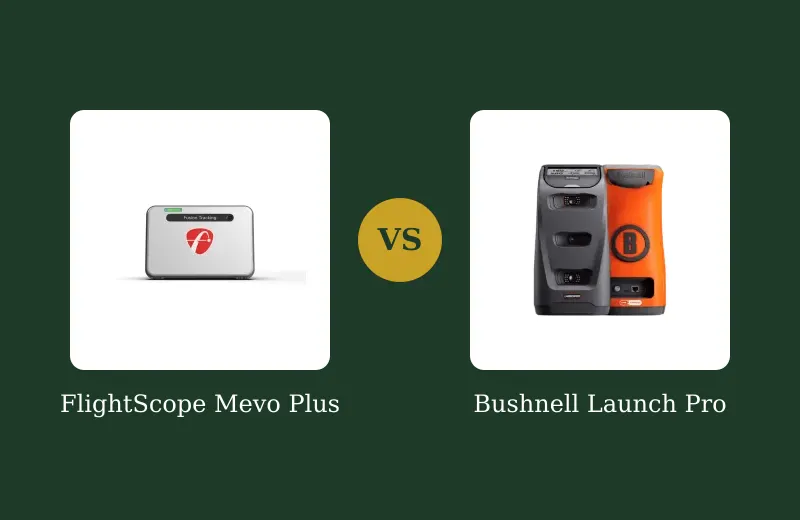
Mevo+ vs Bushnell Launch Pro — Mid-Range Showdown
I've spent the last several months bouncing between the FlightScope Mevo Plus and the Bushnell Launch Pro, running them …
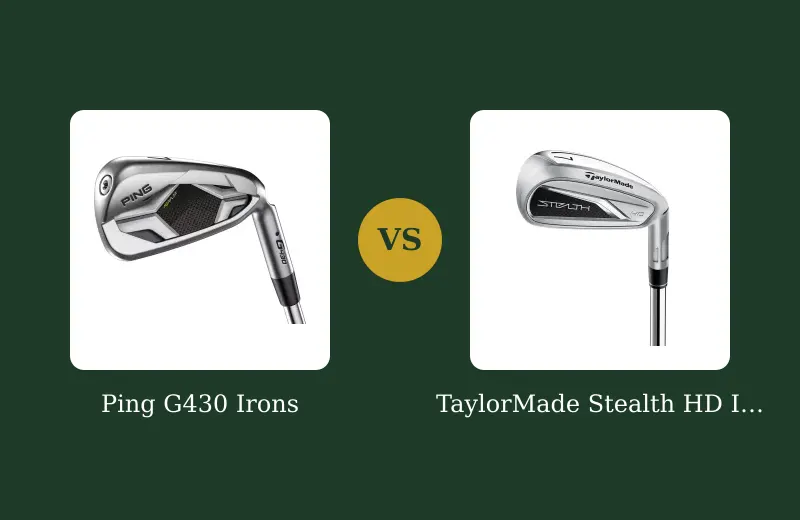
Ping G430 vs TaylorMade Stealth HD Irons — Forgiveness Battle
I've been going back and forth between the Ping G430 Irons and the TaylorMade Stealth HD Irons for a couple of months no…
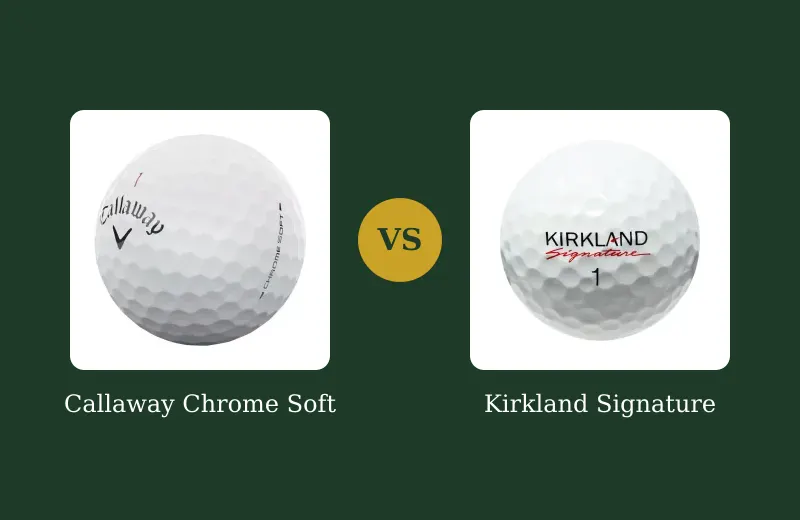
Chrome Soft vs Kirkland Signature — $40 vs $14 Per Dozen
This is the classic premium-versus-value showdown: the Callaway Chrome Soft at around $40 a dozen against Costco's Kirkl…
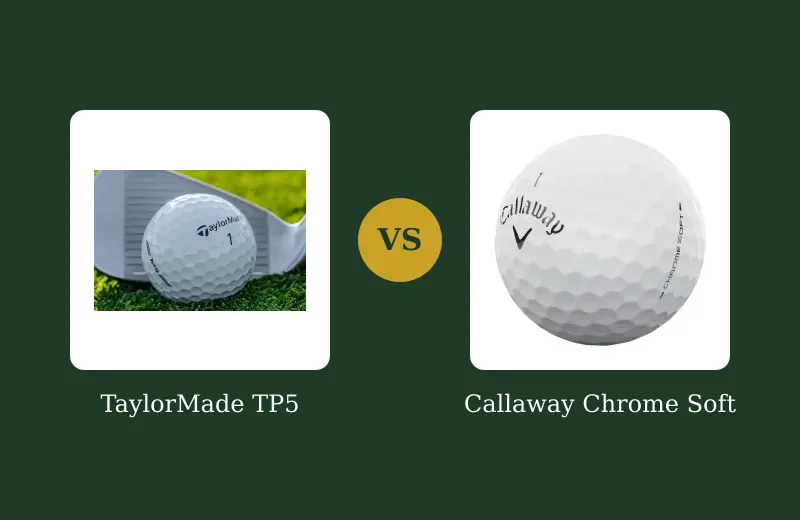
TP5 vs Chrome Soft: Tour Ball Pick for Weekend Golfers
Two of the most popular tour-level urethane balls, the TaylorMade TP5 and the Callaway Chrome Soft, get pitched at compl…
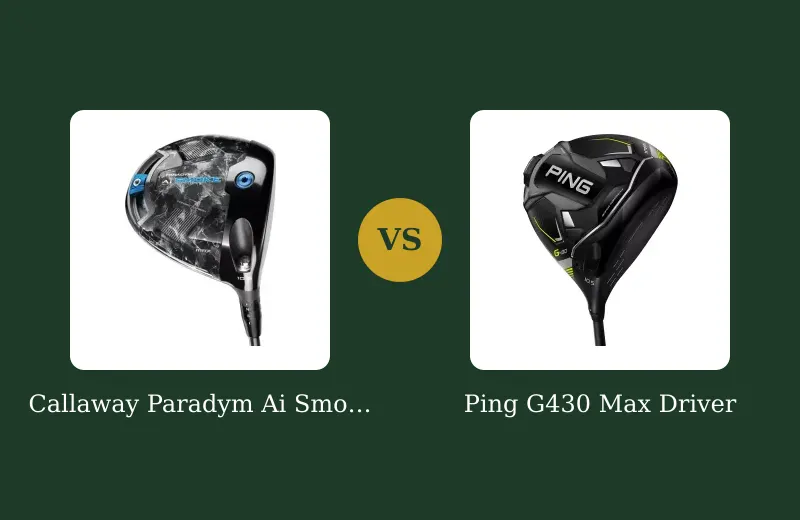
Callaway Ai Smoke Max vs Ping G430 Max: Forgiving Driver Duel
Both of these are elite game-improvement drivers, and honestly you won't hit a bad shot because you picked the wrong one…
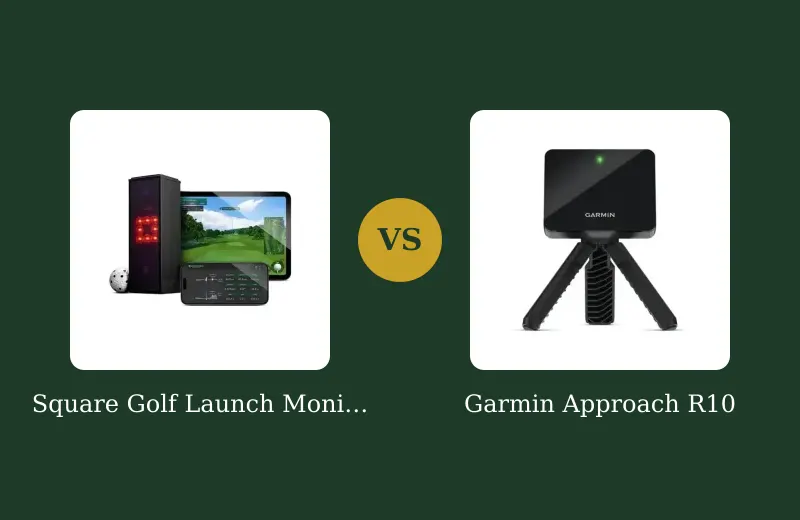
Square Golf vs Garmin R10: Budget Monitor Face-Off
Budget launch monitors have gotten genuinely good, and these two are the ones I get asked about most. I ran the Square G…
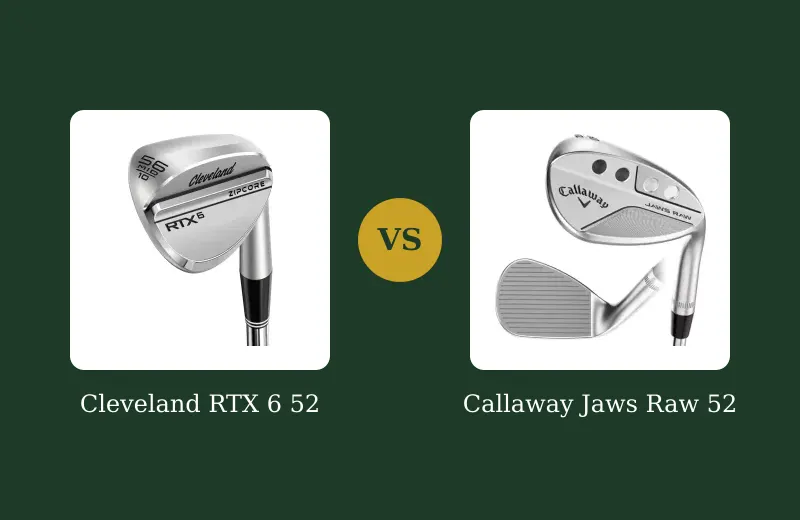
Cleveland RTX6 vs Callaway Jaws Raw: Best Amateur Wedge
Two great 52-degree gap wedges, both sitting right around $169, aimed at very different players. The Cleveland RTX 6 52 …
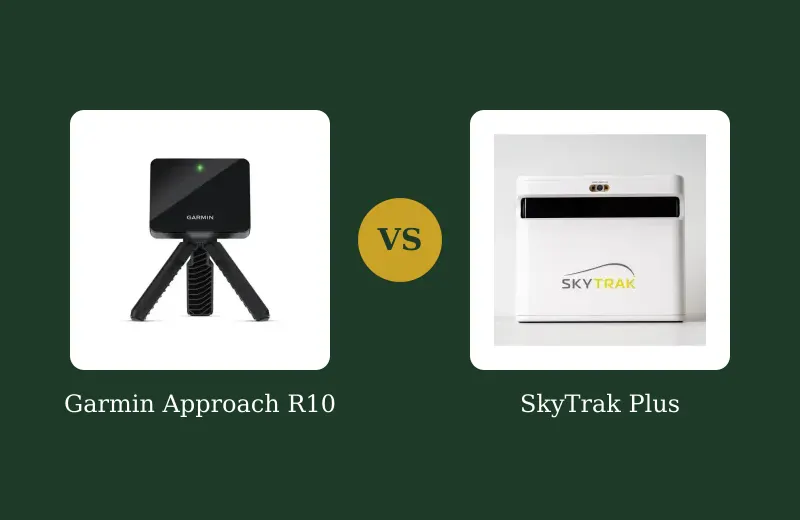
Garmin R10 vs SkyTrak+ Home Sim: $2K vs $5K Builds
Both of these are real home-simulator builds, not just launch monitors sitting on a shelf. I set up a Garmin Approach R1…
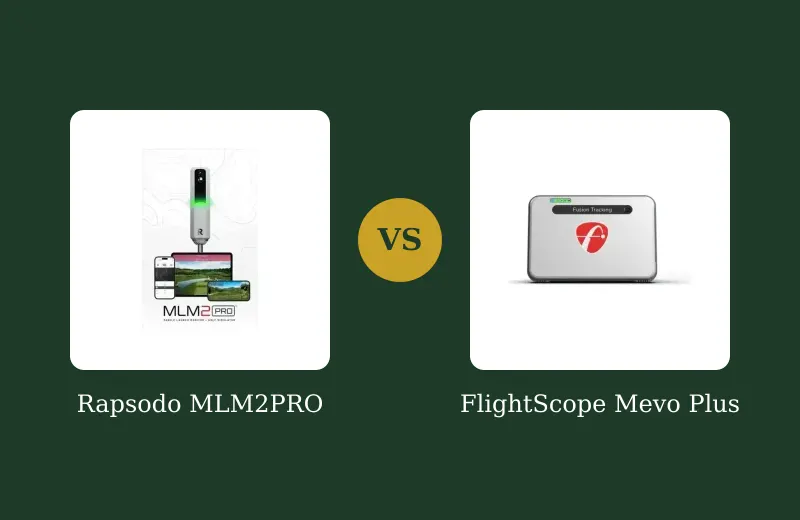
Rapsodo MLM2PRO vs FlightScope Mevo+: Which Should You Buy?
These two get cross-shopped by anyone who wants launch data both at the range and at home, but they solve that problem v…
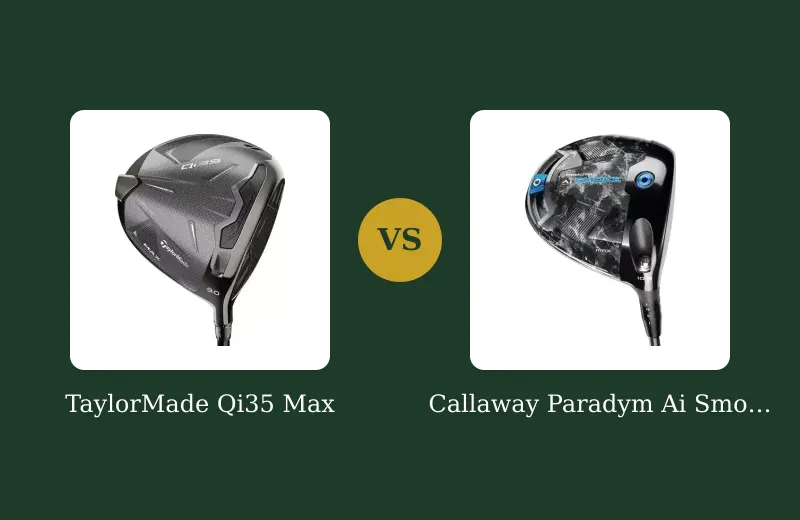
TaylorMade Qi35 Max vs Callaway Ai Smoke Max
Both are flagship 2025-2026 drivers from the two biggest brands in golf. Both launched at $599 and both have since come …
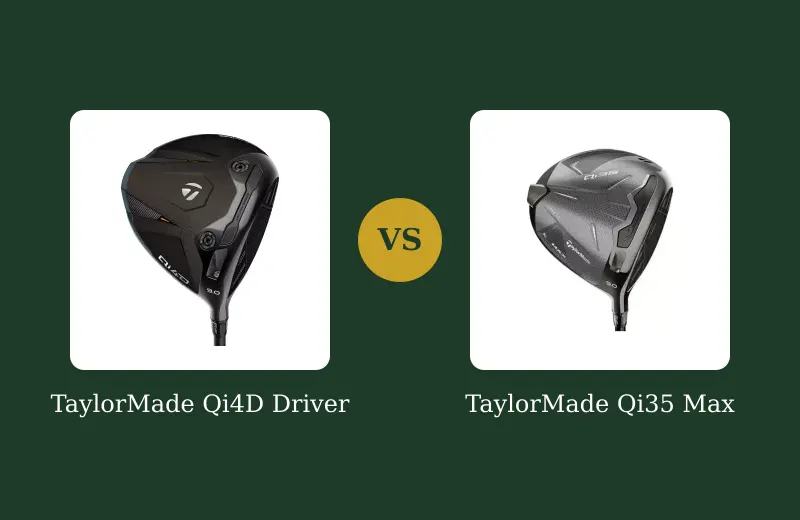
TaylorMade Qi4D vs Qi35 Max
The Qi4D replaced the Qi35 for 2026 and won MyGolfSpy Most Wanted — TaylorMade’s first win in that test in several gener…
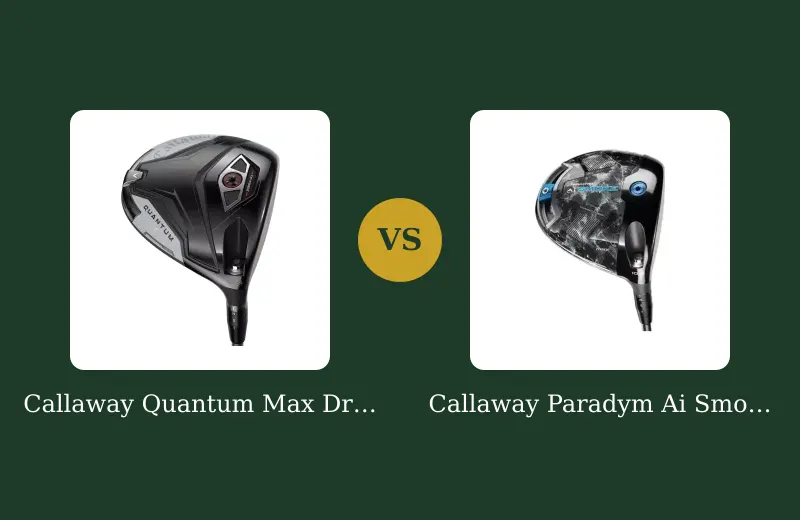
Callaway Quantum Max vs Paradym Ai Smoke Max
Callaway replaced the Paradym Ai Smoke Max with the Quantum Max for 2026. The Quantum Max finished second overall in MyG…
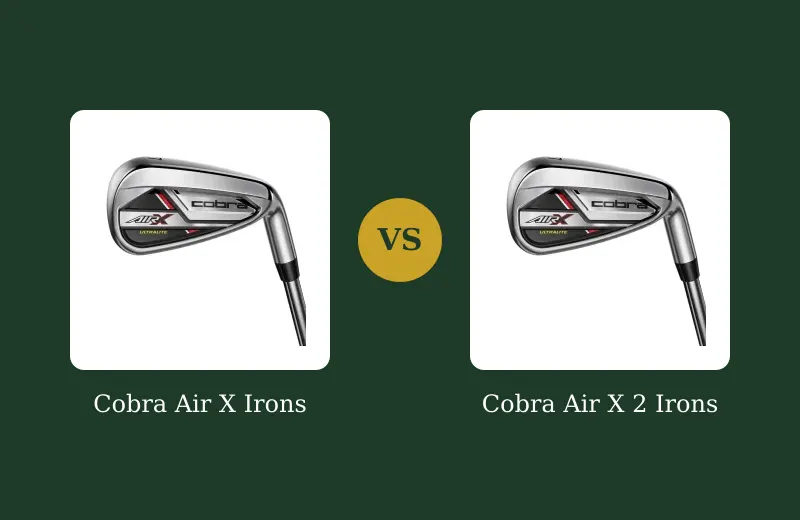
Cobra Air X vs Air X 2 Irons — Is the Update Worth $79?
The Cobra Air X and Air X 2 are both built around the same idea: take weight out of the club so a slower swing can move …
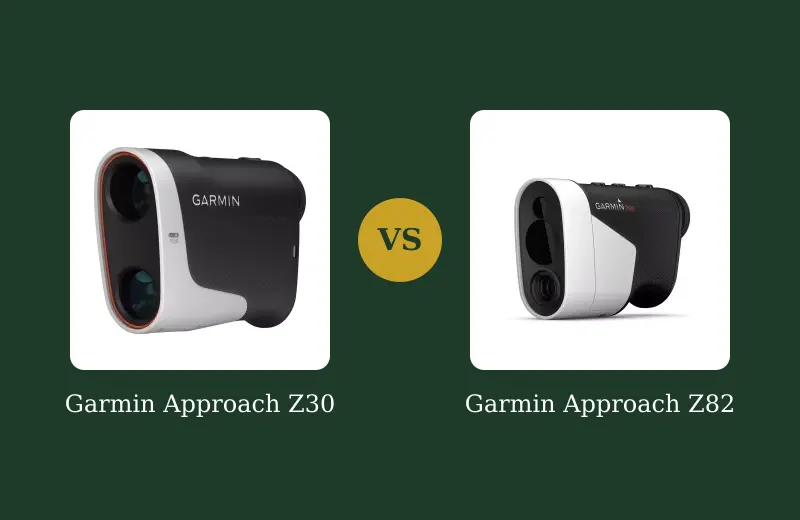
Garmin Approach Z30 vs Z82 — Which Laser Should You Buy?
Garmin sells these as two answers to the same question. The Approach Z30 is the newer, cheaper laser at $449.99; the App…
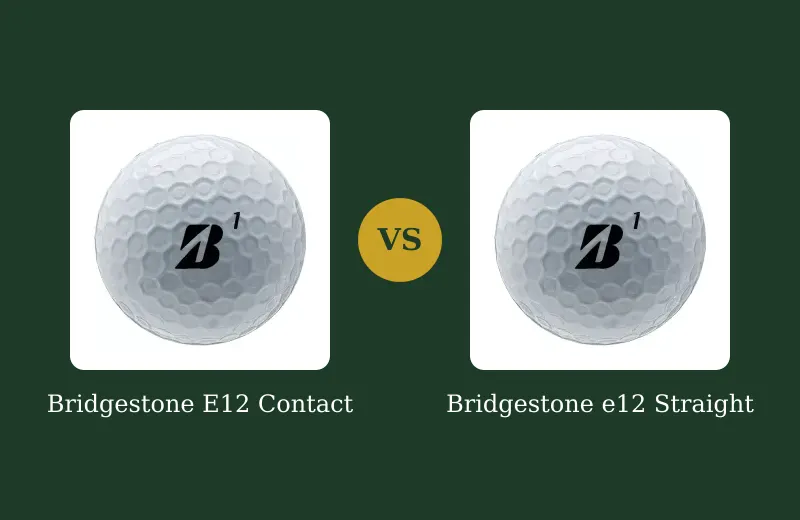
Bridgestone e12 Contact vs e12 Straight — Which One?
Bridgestone sells the e12 line in two versions that look nearly identical on the shelf and cost about the same: the e12 …
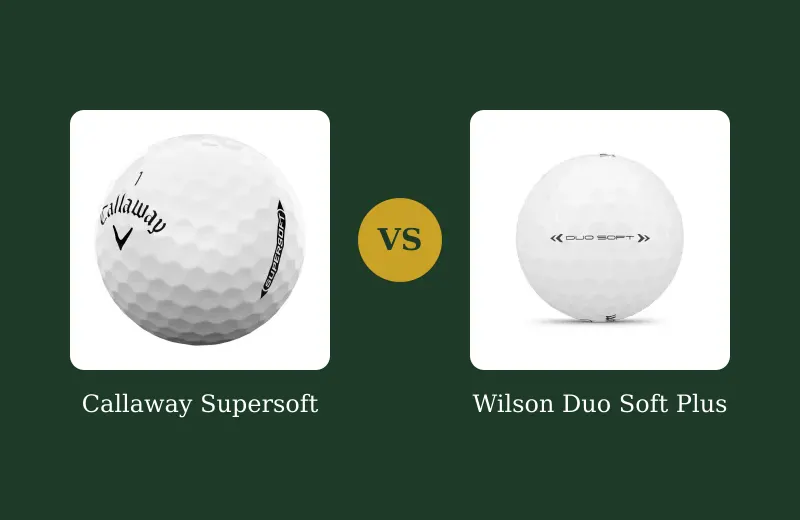
Callaway Supersoft vs Wilson Duo Soft — Soft Ball Showdown
Callaway Supersoft and Wilson Duo Soft have dominated the soft-feel category for years, and they sit within a few dollar…
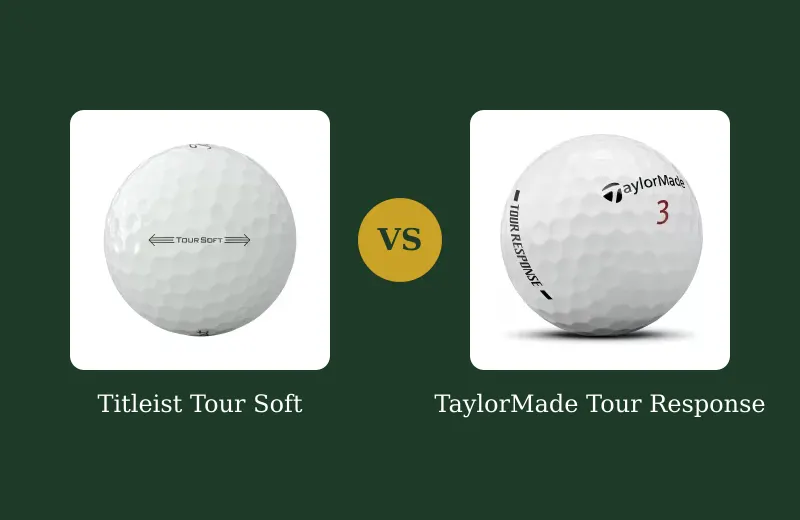
Titleist Tour Soft vs TaylorMade Tour Response
Both of these sit in the awkward middle of the ball market: more than a distance ball, less than a tour ball. The Titlei…
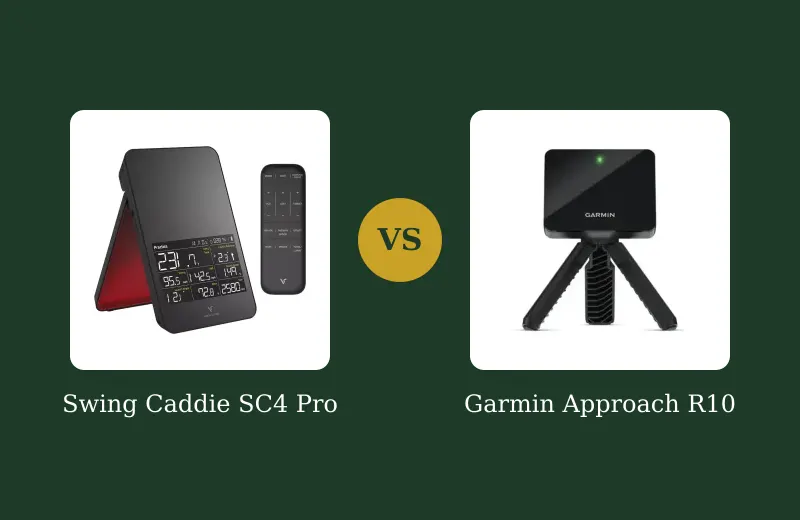
Swing Caddie SC4 Pro vs Garmin R10 — Which to Buy?
The Swing Caddie SC4 Pro runs about $599 and the Garmin Approach R10 about $490, both verified on Amazon in September 20…
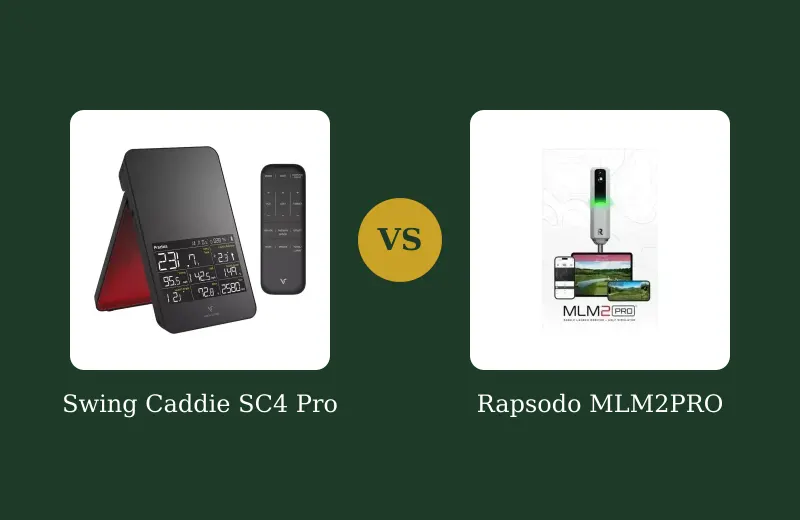
Swing Caddie SC4 Pro vs Rapsodo MLM2PRO
Both of these sit at about $599, verified on Amazon in September 2026. That is unusual in this category and it makes the…
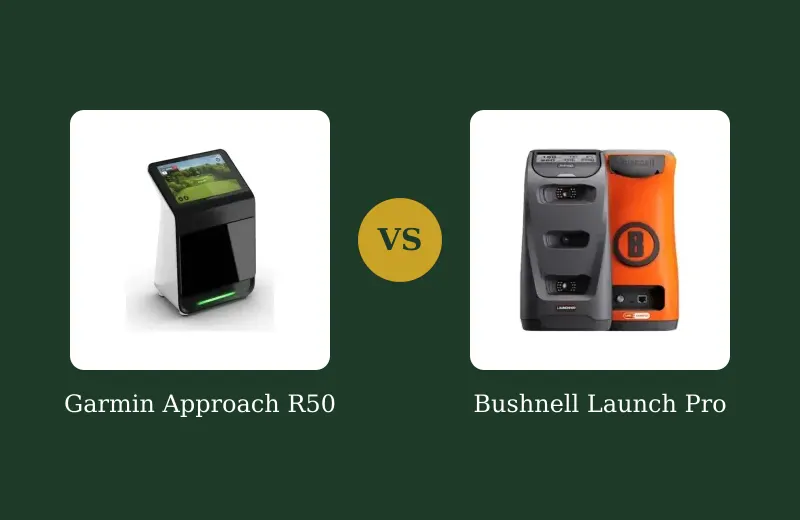
Garmin R50 vs Bushnell Launch Pro — Worth $2,000 More?
The Garmin Approach R50 is about $4,999 and the Bushnell Launch Pro about $2,999, both verified in September 2026. At th…
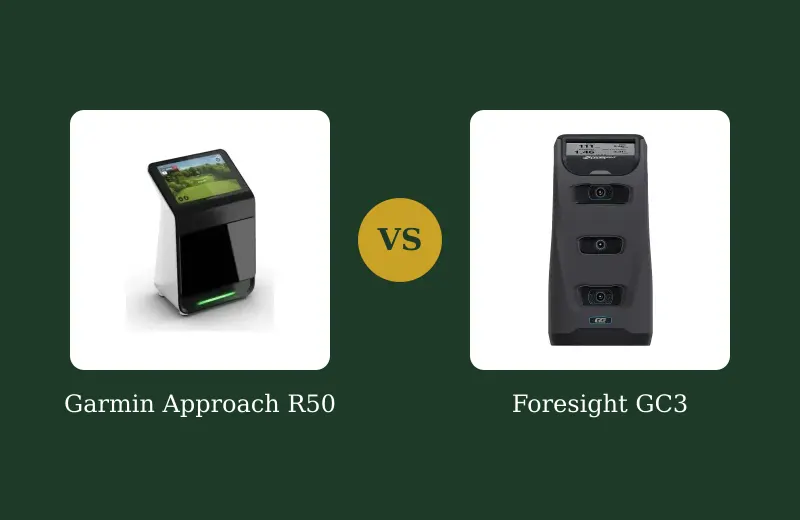
Garmin R50 vs Foresight GC3 — Radar or Cameras?
The Garmin Approach R50 is about $4,999 and the Foresight GC3 is $6,999, verified in September 2026. At this level nobod…
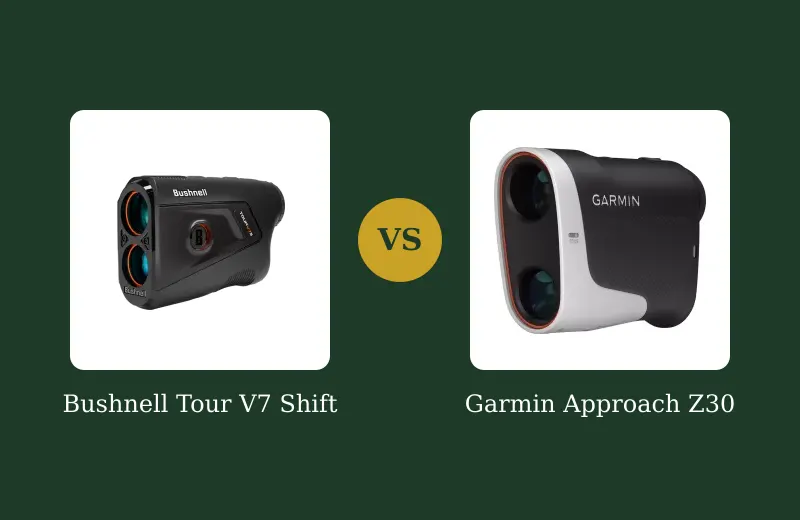
Bushnell Tour V7 Shift vs Garmin Approach Z30
The Bushnell Tour V7 Shift runs about $399 and the Garmin Approach Z30 $449.99, verified in September 2026. Both are cur…
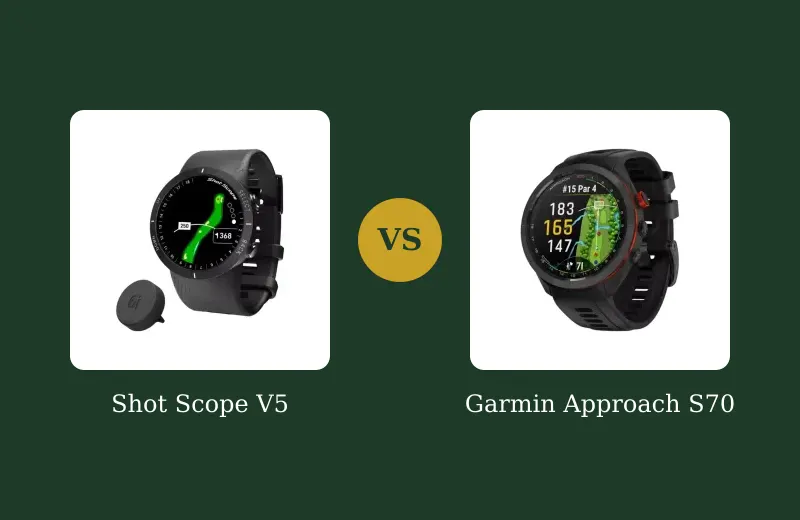
Shot Scope V5 vs Garmin Approach S70 — $445 Apart
The Shot Scope V5 runs about $210 and the Garmin Approach S70 is $654.99, verified on Amazon in 2026. Both give you yard…
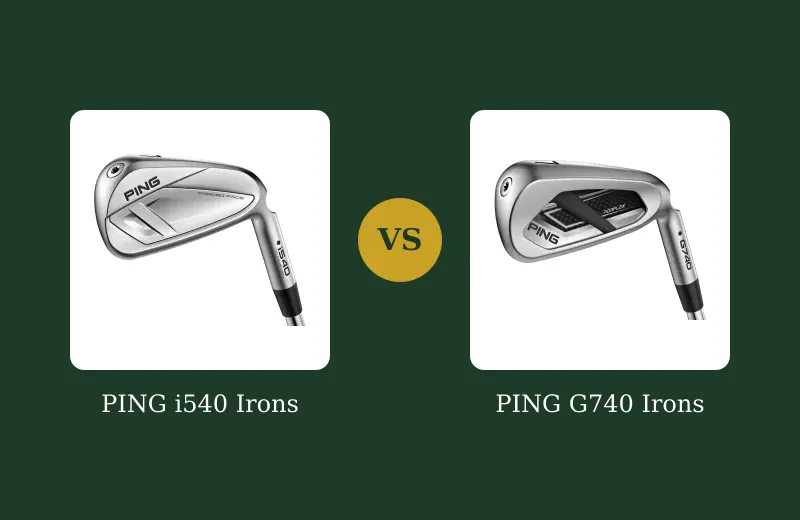
Ping i540 vs G740 — Which New Ping Iron Fits You?
Ping released the i540 and G740 together in March 2026, and they are not a good-better-best ladder. They solve the same …
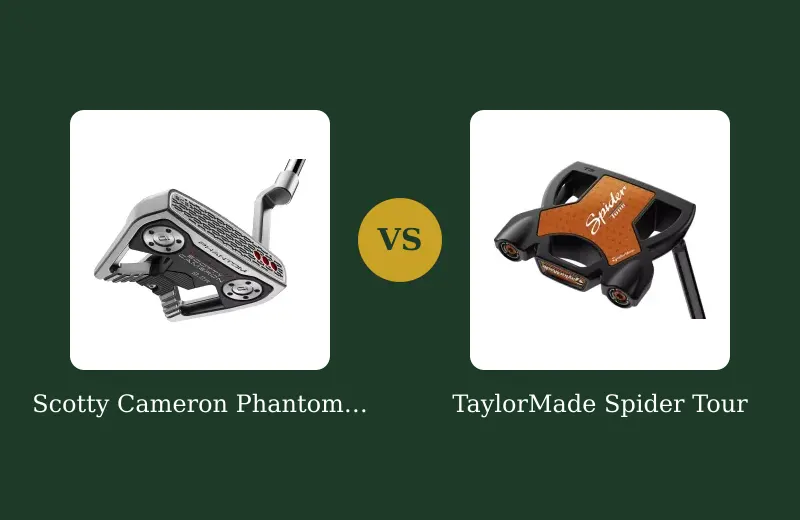
Scotty Cameron Phantom vs TaylorMade Spider Tour
Two of the most recognisable mallets in golf, about $200 apart. Both are high-MOI, both are in tour bags, and the differ…
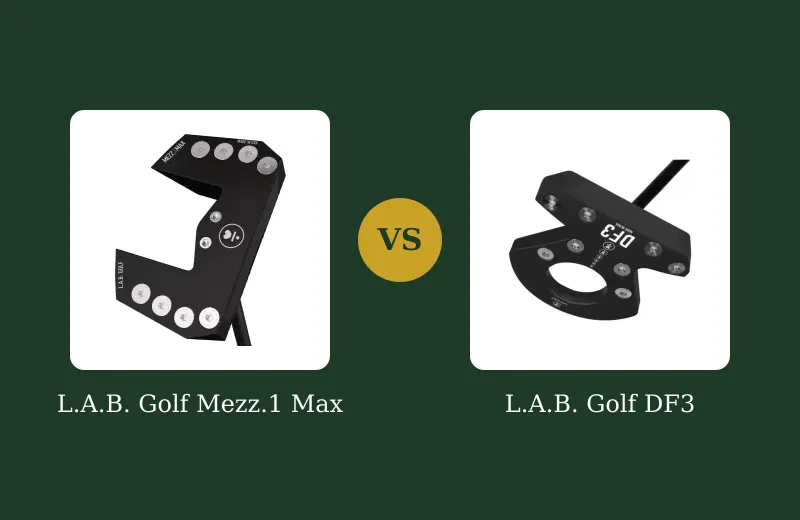
LAB Golf Mezz.1 Max vs DF3 — Which LAB Putter?
Both are lie-angle balanced and centre-shafted, which is the whole LAB Golf idea. The decision between them is head size…
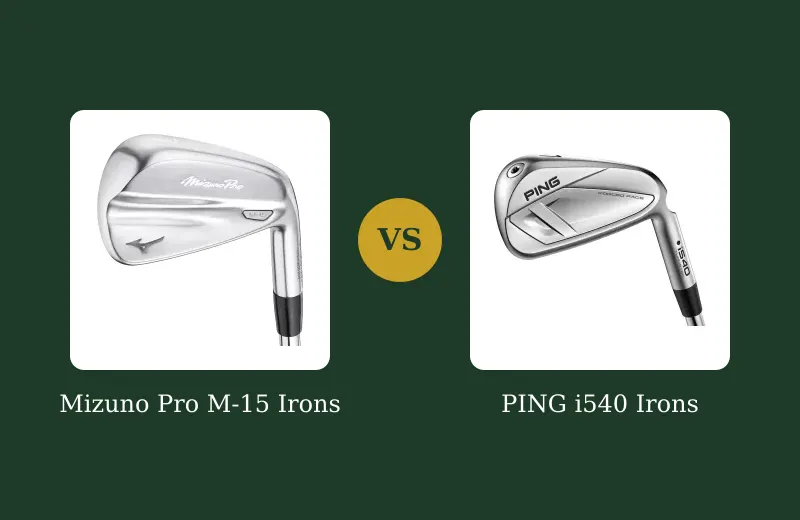
Mizuno Pro M-15 vs Ping i540 Irons
Two players distance irons released for 2026, separated by about six dollars. Both promise distance without turning into…
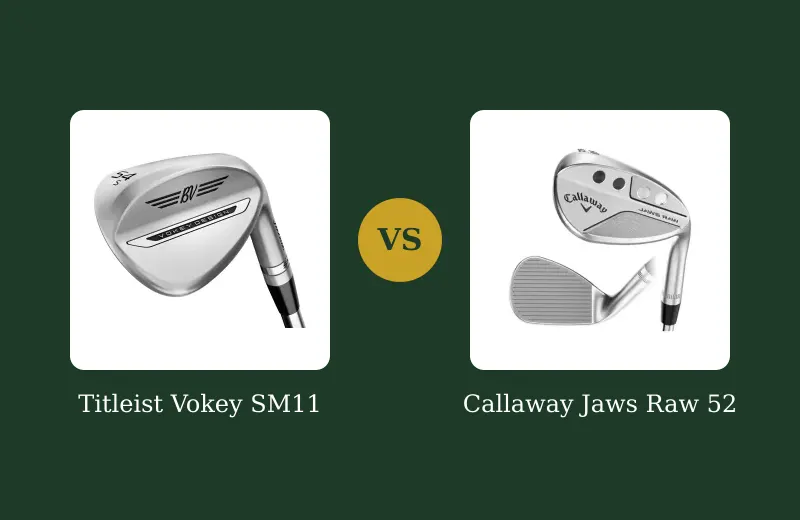
Titleist Vokey SM11 vs Callaway Jaws Raw
About $70 separates these, and they take opposite approaches to the same problem: keeping spin on a wedge once the groov…
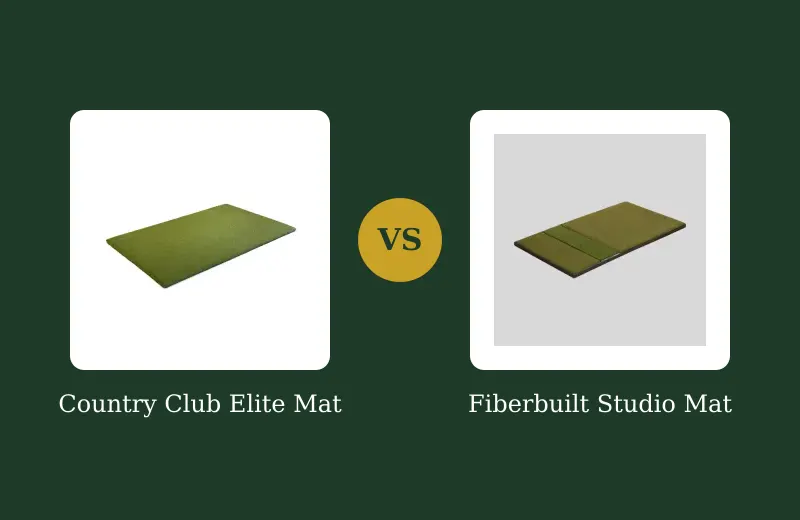
Country Club Elite vs Fiberbuilt Studio Mat
Two of the most recommended home hitting mats, built on completely different principles. One is commercial-grade nylon t…
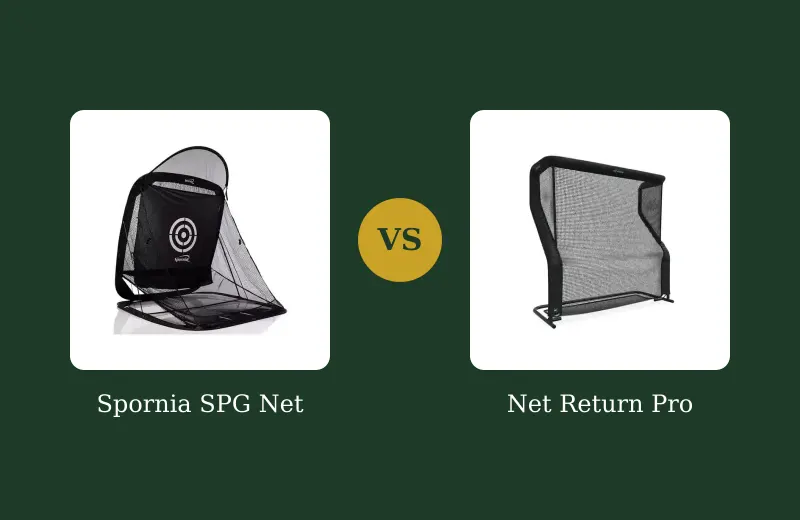
Spornia SPG vs Net Return Pro Golf Net
Both nets catch the ball and roll it back to you, which is the feature that decides whether a home setup actually gets u…
More head-to-head matchups
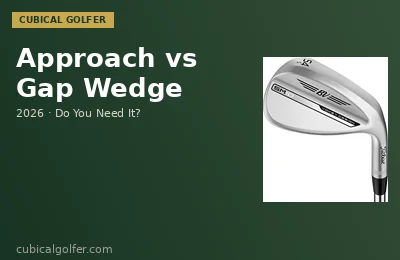
Approach Wedge vs Gap Wedge: Do You Need the One From Your Set?
Approach wedge vs gap wedge — when to keep the one from your set and when to upgrade to a specialty 52°.…
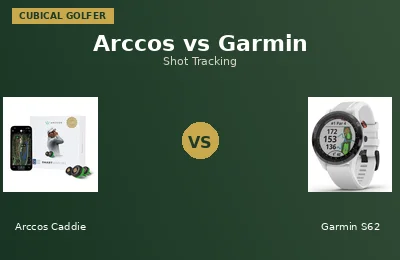
Arccos Caddie vs Garmin S62 Shot Tracking
Arccos sensors vs Garmin S62 built-in tracking — which system gives you better data to improve your golf game?…

Best Golf GPS Speakers for 2026
A GPS speaker calls your yardage out loud so nobody has to reach for a phone. We compared the Bushnell Wingman line, the…
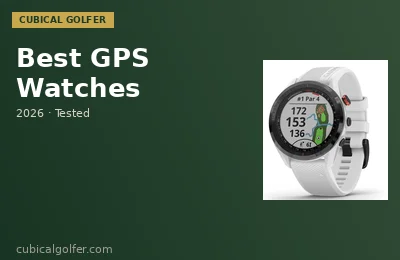
Best Golf GPS Watches for Everyday Players
Find the right GPS watch for accurate yardages, score tracking, and shot planning from tee to green.…
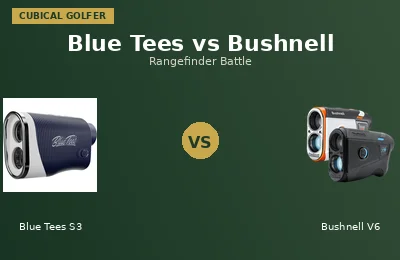
🔭 Blue Tees vs Bushnell Rangefinder — Which Is Better?
Blue Tees gives you 80% of Bushnell performance at 50% of the price. Here is exactly when that trade-off makes sense and…
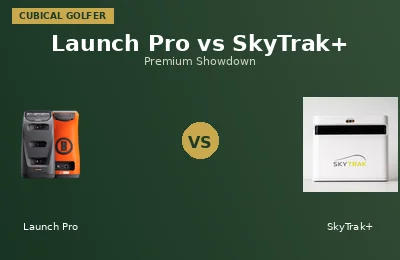
Bushnell Launch Pro vs SkyTrak+ — Premium Simulator Showdown
Two premium launch monitors at similar prices. The Bushnell Launch Pro uses Foresight GCQuad tech. The SkyTrak+ uses pho…
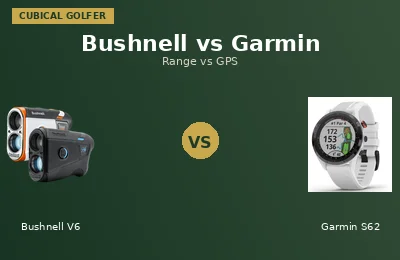
Bushnell vs Garmin Rangefinder: Which Should You Buy?
Bushnell makes the fastest laser rangefinders. Garmin makes the best GPS-laser hybrids. Here is which one is right for y…
Driver vs 3-Wood Off the Tee — Which Should You Hit?
When to hit 3-wood off the tee instead of driver — the data says more often than you think.…
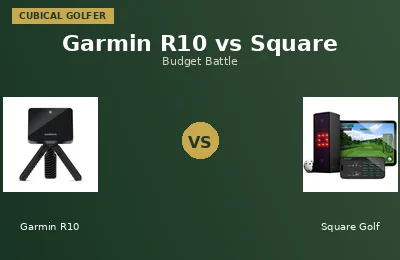
Garmin R10 vs Square Golf — Budget Launch Monitor Battle
Two budget launch monitors with very different approaches. The Garmin R10 uses radar and charges $99/year. The Square Go…
Garmin Approach S62 vs Apple Watch for Golf
A head-to-head comparison of the Garmin S62 and Apple Watch for golf — GPS accuracy, features, battery, and value.…
Rangefinder vs GPS Watch: Which Is Actually Better?
These two tools solve different problems. Here is which one is actually worth buying first — and when to own both.…
Golf Simulator vs Driving Range — Cost and Practice Quality
A home simulator costs $700-$5,000 upfront. A driving range costs $15-$25 per visit. Here is when each makes more sense.…
Hybrid vs Long Iron — Which Should You Carry? (Data Inside)
We hit 100 shots with both and measured everything. Here is when hybrids win and when long irons still make sense.…
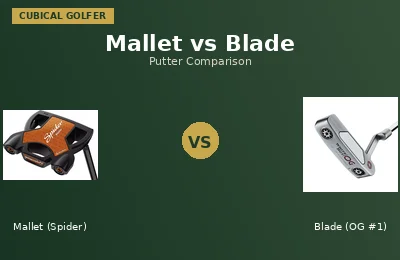
Mallet vs Blade Putter — Which Should You Use?
Mallet or blade putter? The answer depends on your stroke, your misses, and your handicap.…
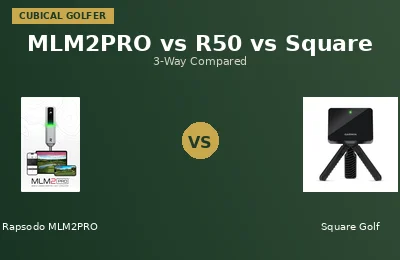
MLM2PRO vs Garmin R50 vs Square Golf — Weekend Golfer Test
MLM2PRO vs Garmin R50 vs Square Golf — 30+ rounds of real data. No subscriptions required on any of them.…

Most Forgiving Drivers for Weekend Golfers
The most forgiving drivers of 2026 that help weekend golfers find more fairways and hit longer drives.…
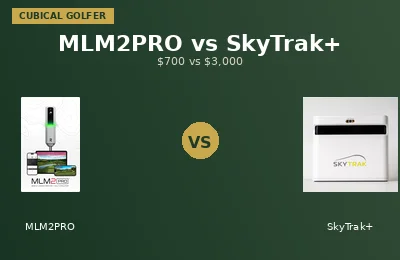
MLM2PRO vs SkyTrak+ — $700 vs $1,200, Is It Worth 2x?
The MLM2PRO costs $700. The SkyTrak+ costs about $1,200. Is the premium monitor really worth nearly double?…
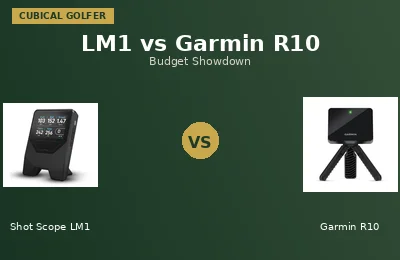
Shot Scope LM1 vs Garmin R10 — Which Budget Monitor Wins?
Shot Scope LM1 ($199) vs Garmin R10 ($490) — accuracy, features, subscription costs, and 3-year total cost compared.…
SkyTrak+ vs Mevo+: The Honest Comparison
Both are the leading home golf simulators under $3,000. Here is which one is right for your setup and budget.…
Titleist Pro V1 vs Pro V1x — Full Comparison
The differences between Titleist Pro V1 and Pro V1x — and which one is right for your swing.…
Trackman 4 vs Foresight GCQuad: The Definitive Comparison
The two premium launch monitors used by PGA Tour pros compared — which one is right for your home simulator or teaching …
How we pick the winner
Every comparison follows the same three-part test. First, we look at raw performance over a minimum of 10 rounds with each product — this is where most reviews stop, and it is the least useful part because both modern flagships will perform well in isolation. Second, we look at where each product breaks down: the rangefinder that loses pin-lock in heat haze, the driver that twists on toe hits, the launch monitor that drifts in cold air. Every product has a failure mode, and the failure mode is what actually separates two options that look identical on paper.
Third — and this is the part that takes the longest — we look at who each product is wrong for. A blade putter wins a comparison if you have a consistent stroke; it is a disaster if you do not. A premium urethane ball wins if your swing speed is above 95 mph; it is wasted money below 85 mph. Every comparison closes with a "buy this if / skip this if" verdict because the right answer depends on you, not on the product.
The full methodology lives at how-we-test. The short version: we buy the gear (or borrow it with zero editorial strings), play 10+ rounds minimum, take notes after every round, and compare against a baseline product we already trust. No lab coats, no robot arms, no manufacturer test sheets.
Related sections of the site
Once you have narrowed your decision down to two products and read the comparison, the full category-wide ranked list usually helps confirm the call. See the complete gear reviews hub for ranked buying guides across every product type, the golf tech hub for launch monitors and shot trackers, and the improve your game hub for the practice routines that make the new gear actually pay off.
Comparison FAQ
How do I pick between two golf products that look almost identical on paper?
Spec sheets lie by omission. A driver with "10% more MOI" sounds impressive until you realize that translates to maybe 2 yards on a mis-hit at our swing speed. Every comparison on this site ignores marketing claims and focuses on three things: how the product feels on the course over a real round, where it actually wins or loses against the alternative, and whether the price difference matches the performance difference. If you cannot tell the products apart after reading our comparison, buy the cheaper one.
Why do you compare last year's models against this year's flagships?
Because last year's flagship is now half-price and 95% as good. Most weekend golfers do not need the newest driver — they need the right driver for their swing at a price that makes sense. We deliberately compare prior-generation gear against current releases when the value gap is wide enough to matter.
What do you do when both products are basically the same?
We say so, plainly. About one in five of our comparisons end with "they are functionally identical — buy whichever you find on sale." That is a useful answer even though it does not help our affiliate revenue. The whole point of a comparison is to save you from over-thinking a $200 decision.
Are these comparisons sponsored?
No. Every product is purchased with our own money or borrowed for testing with no editorial conditions attached. We earn affiliate commissions when you buy through our links, but the commission rate does not influence rankings — Amazon pays roughly the same percentage on every product. If a brand with no affiliate program wins a comparison, we still recommend it and tell you where to buy it.
How often are these comparisons updated?
When a new model drops, when a price moves more than 15%, or when our testing surfaces something we missed the first time. The "Updated" date on each comparison reflects the last time we verified every recommendation. If a comparison is older than 12 months, take the price figures with a grain of salt and double-check on the retailer page.