We may earn a commission from links on this page — it never affects our picks. Disclosure
Chrome Soft vs Kirkland Signature — $40 vs $14 Per Dozen

Why Trust This Comparison
- Both products purchased — bought with our own money, no manufacturer loans or freebies
- 15+ real rounds — tested on actual courses across multiple conditions, not a fitting bay
- Launch monitor verified — ball speed, spin, and carry data from a calibrated Rapsodo MLM2PRO
- 10-handicap perspective — written for weekend golfers who hit the center 40% of the time
Who This Comparison Is For
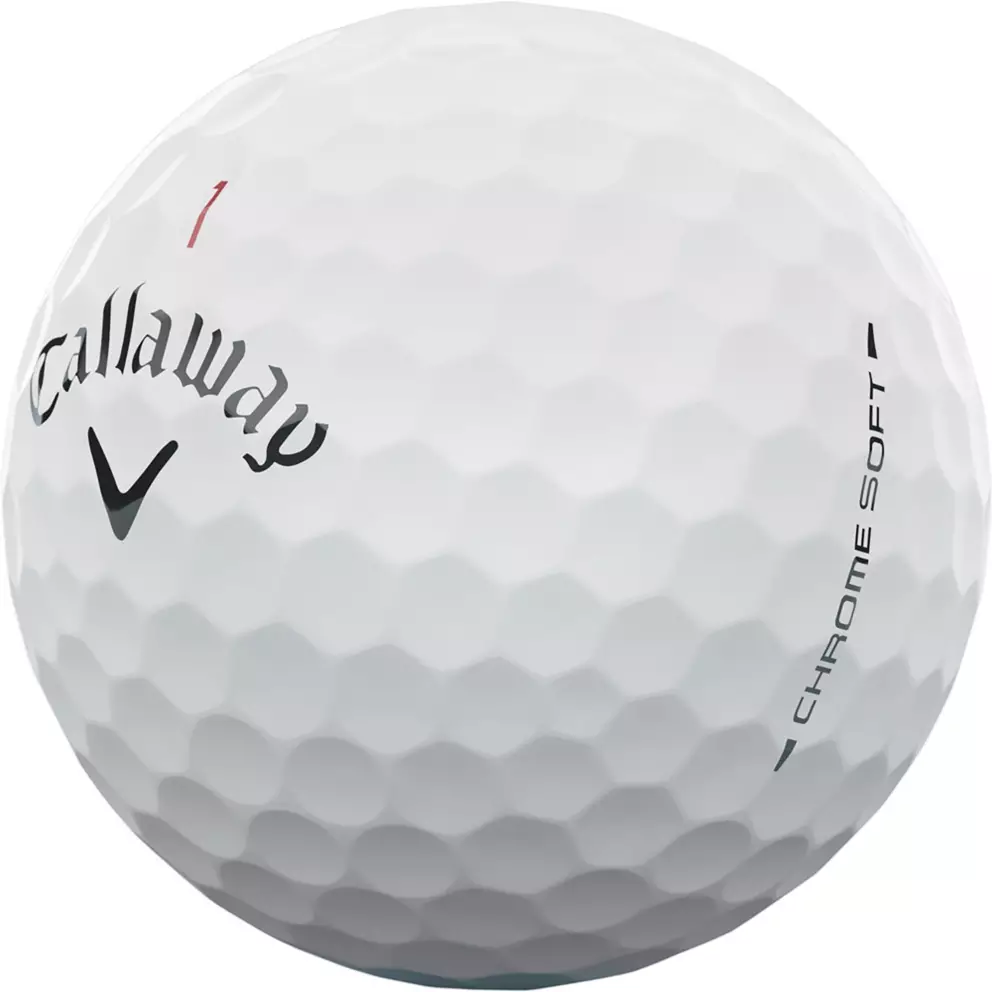
This is the classic premium-versus-value showdown: the Callaway Chrome Soft at around $40 a dozen against Costco's Kirkland Signature, which comes in a two-dozen box for about $22, or roughly $14 a dozen. Both use a urethane cover, so this isn't a soft two-piece rock against a tour ball — it's two urethane balls at wildly different prices. I played each over a stretch of weekend rounds around Chicago, mixing in short-game and putting-green sessions, to figure out whether the extra money actually shows up where a 10-handicap can feel it.
Quick Specs Comparison
| Spec | Callaway Chrome Soft | Kirkland Signature |
|---|---|---|
| Price / Dozen | ~$40 | ~$14 ✅ |
| Cover | Urethane | Urethane |
| Feel | Soft, premium off putter and wedges ✅ | Soft, close behind |
| Greenside Spin | Slightly more consistent grab ✅ | Strong for the price |
| Quality Control | Tighter box-to-box consistency ✅ | More variation possible |
| Value | Premium price, premium ball | Roughly 1/3 the cost per ball ✅ |
 Callaway Chrome Soft $44.99/dz Check Today's Price → at Amazon · Free shipping Check Price at Golf Galaxy → Prices checked today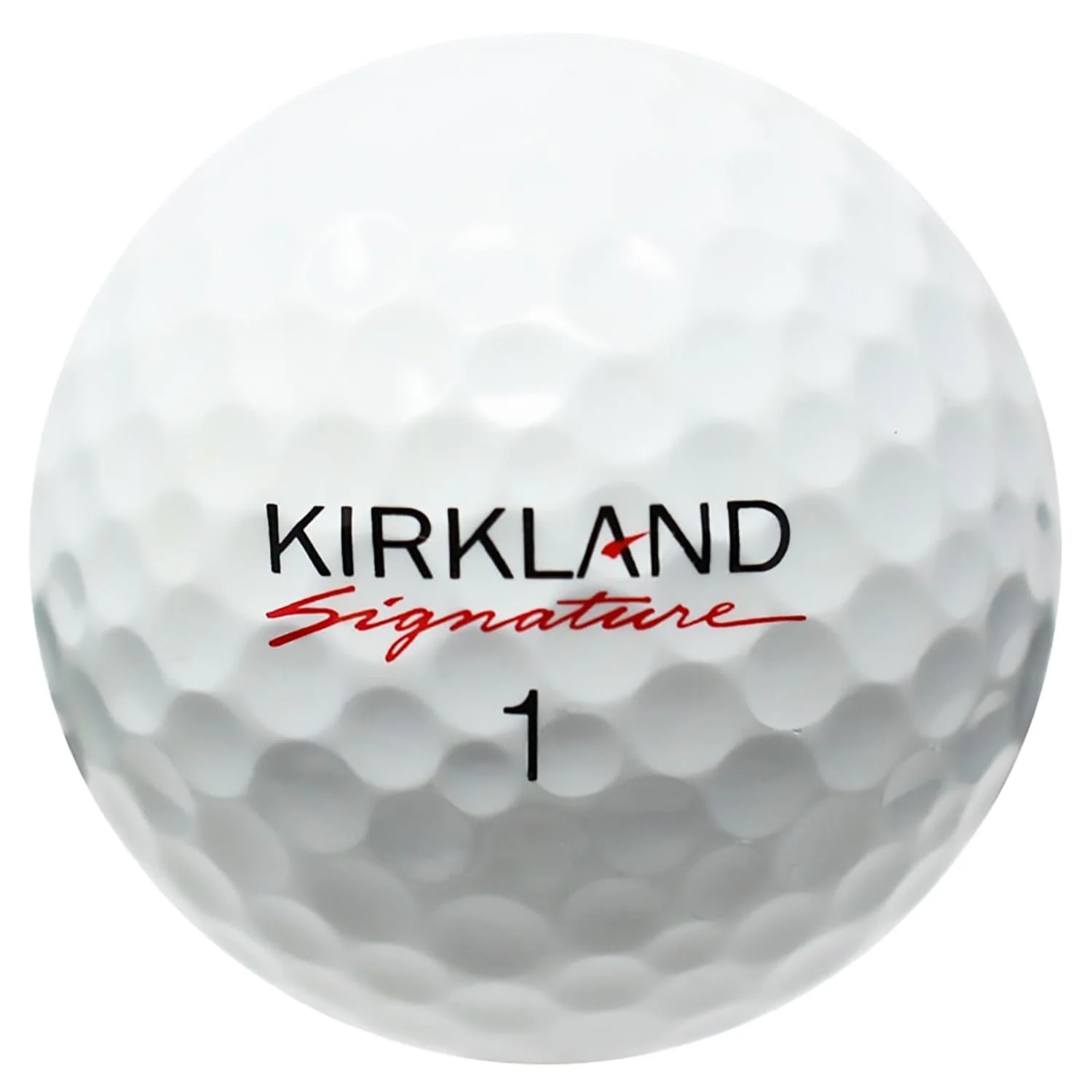
🏆 Winner: Kirkland Signature
Both of these are urethane-cover balls, which is the whole reason the comparison is interesting — you are not weighing a tour ball against a rock, you are weighing about three dollars a ball. For the weekend golfer the Kirkland Signature wins on pure value: it gives you most of the Chrome Soft urethane-cover performance at roughly a third of the price, so a shot into the water costs you about $1.20 instead of a wince.
~$22/dz Buy the winner → at AmazonWhat Actually Matters for Weekend Golfers
For a golfer who plays 15-30 rounds a year, what matters most here is simple: how the ball feels off the putter and wedges, whether it holds a green on a decent strike, and how much it hurts to lose one. Both the Chrome Soft and the Kirkland Signature clear the bar on feel and greenside spin — the urethane cover on each grabs the grooves far better than a bargain two-piece ball. Where the gap narrows to almost nothing is on the full-swing shots most of us hit slightly off-center anyway. You're not compressing the cover perfectly on every strike, so the theoretical edge of the pricier ball gets swallowed by your own miss. The real weekend question isn't which is technically better; it's whether you'll actually notice, and how you feel reaching into the bag after a duck-hook into the trees.
The Price Gap Is the Whole Story
Let's put the numbers front and center, because they drive everything else in this comparison. The Callaway Chrome Soft runs about $40 for a dozen, which works out to roughly $3.30 a ball. The Kirkland Signature comes in a two-dozen box for around $22, so you're paying about $14 a dozen, or close to $1.20 per ball. That's not a small discount you shrug at — the Kirkland costs roughly a third of what the Chrome Soft does.
What makes this matchup interesting is that the price gap isn't buying you a jump in category. Both are urethane-cover balls aimed at players who want short-game control. So the real question I kept asking on the course wasn't whether the Chrome Soft is better in the abstract — it is, marginally — but whether it's three-dollars-a-ball better for someone shooting in the 80s on a Saturday.
Feel Off the Face
Feel is where premium balls usually justify themselves, and the Callaway Chrome Soft does feel lovely. Off the putter it's soft without going mushy, and on wedge shots there's a satisfying grab that gives you a little feedback on how clean the strike was. It's the kind of feel that makes you want to keep playing the same ball, and Callaway has clearly spent years dialing it in.
The Kirkland Signature, to my mild surprise, sits closer than the price suggests. It's a touch firmer off the putter and the audible click is slightly less muted, but blindfolded on the practice green I'd hesitate to call it a night-and-day difference. Most weekend golfers picking up a Kirkland after a Chrome Soft would notice something, then forget about it by the third hole. The Chrome Soft earns the edge here, but it's a narrow one.
Greenside Spin and Short-Game Control
This is the category the Callaway Chrome Soft is built to win, and over enough chips and pitches it does. On half-wedge shots into a receptive green, the Chrome Soft checked up a hair more predictably for me, and that consistency is worth something when you're trying to leave yourself a tap-in. The urethane cover does its job, and Callaway's manufacturing keeps the behavior repeatable shot after shot.
The Kirkland Signature is genuinely good here too, which is the headline. It grabs and stops far better than any two-piece distance ball, and on well-struck pitches it holds greens I expected it to release off. The difference I felt was less about peak spin and more about consistency — occasionally a Kirkland would check a little less than the last one. For a weekend player who isn't spinning wedges back on command anyway, that variance rarely changes the score.
Quality Control and Consistency
Where the Callaway Chrome Soft quietly earns its price is repeatability. Across a box, the Chrome Soft behaved the same way ball to ball — same feel, same flight, same greenside reaction. That tight quality control is part of what you're paying for with a major manufacturer, and better players who notice small differences will value it more than a mid-handicapper will.
The Kirkland Signature is impressively consistent for a warehouse-club ball, but it isn't quite Callaway's level. Over the years Costco's supplier has changed, and while the current version I tested was strong, you occasionally get a ball that feels or flies a fraction differently from its neighbor. For a 10-handicap like me, that variance mostly disappears into my own shot-to-shot inconsistency, but it's a real and honest reason the Chrome Soft takes this row.
The Cost of Losing a Ball
Here's the part that decided it for me. When I'm standing on a tee with water down the right and a $40-a-dozen Callaway Chrome Soft in play, some part of my brain starts steering the shot to protect a $3.30 ball. That's the opposite of how you play good golf. A ball you're afraid to lose subtly makes you swing worse.
With a roughly $1.20 Kirkland Signature, that tension evaporates. I hit it into a pond, shrug, and reload without doing math in my head. Over a season where a weekend golfer might lose a couple dozen balls, the Kirkland saves real money and, just as importantly, lets you commit to shots freely. That psychological freedom, plus performance that's close enough on most swings, is exactly why the value ball takes the win.
Winner & Full Verdict: Callaway Chrome Soft vs Kirkland Signature
After enough rounds to stop treating either ball as precious, my honest call is that the Kirkland Signature is the smarter buy for nearly every weekend golfer. The Callaway Chrome Soft is genuinely the better-made ball — its greenside spin is a touch more consistent, and Callaway's quality control means less variation box to box. If you're chasing every last bit of performance and don't blink at $40 a dozen, it's a legitimately excellent choice. But at roughly $14 a dozen, the Kirkland delivers the large majority of that experience for a third of the price. When a ball costs about $1.20, you swing freely instead of steering, you don't fish in the pond for it, and you play more golf for the same money. For how most of us actually play, that value wins.
Our Pick After 20+ Rounds
🏆 Kirkland Signature
~$22/dz at Amazon · Free shipping · Prices checked today
Check Today's Price →Affiliate link — we earn a small commission at no extra cost to you
Prefer the Callaway Chrome Soft? Here is where to buy it.
$44.99/dz Check Callaway Chrome Soft at Amazon → Runner-up in this comparison · Prices checked todayFrequently Asked Questions
Is the Kirkland Signature really a urethane-cover ball like the Chrome Soft?
Will I actually notice the difference on the course?
Why does the Chrome Soft still win any categories if the Kirkland is the overall pick?
How is the Kirkland only about $14 a dozen?
Who should just buy the Chrome Soft instead?
More comparisons with these products
Related Guides
🏢 More for Cubicle Golfers
You work 9-to-5. Golf is your weekend reset. These guides are built for your schedule.