Golf Gear Reviews
We may earn a commission from links on this page — it never affects our picks. Disclosure
Rangefinders, drivers, irons, putters, GPS watches, golf balls — independently tested and ranked by how much they actually move the needle for a weekend golfer.
Why this hub reads differently than other golf review sites
Most golf gear reviews are written by someone who hits a 250-yard 7-iron and tests 12 drivers in a single afternoon. That is not useful if you play golf the way most people play golf — Saturday mornings, sometimes Sunday afternoons, fitting practice in between work calls and family obligations. Every review on this site reflects that constraint. Products get tested across a full season of real rounds, on real courses, against gear that is already in the bag.
The reviewer is Ryan O., a 10-handicap who has played since 2010 and plays 25–40 rounds a year out of Harborside Golf Course in Chicago, IL. I started writing gear reviews because the existing reviews never told me what I actually wanted to know: which one is wrong for my swing, which one is overpriced for what it does, and which one is the smart buy if I have $200 and need it to last three seasons.
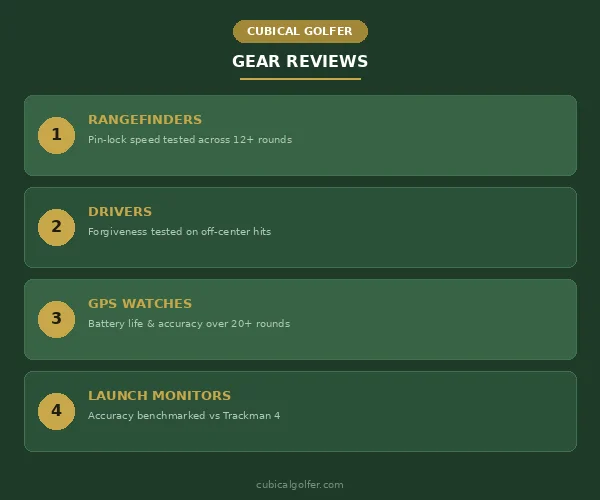
The categories below cover the equipment that matters most. Rangefinders save more strokes than any other single piece of gear because guessing yardage is the single biggest source of approach-shot errors for recreational golfers. Drivers for high-handicaps need to be ranked by forgiveness, not ball speed — a 5-yard miss in the fairway beats a 15-yard miss in the rough every time. Golf balls need to be matched to your swing speed rather than picked because tour pros use them. Irons for weekend players prioritize the mis-hit penalty over the center-strike distance.
Where it makes sense, we include a budget pick alongside the premium one. A $169 rangefinder is often 90% of a $329 rangefinder for someone who plays once a week. Where the budget pick is genuinely worse — like with launch monitors below $300, where the accuracy falloff is real — we say so and explain what the cheap option fails to do.
This site earns affiliate commissions when you buy through our links. Commission rates do not influence rankings — they are roughly equal across products at Amazon. Our full editorial policy is on the about page. The testing methodology is documented at how we test.
Bushnell Tour V7 Shift — ~$399
Our top-ranked rangefinder for 2026
All gear reviews & buying guides
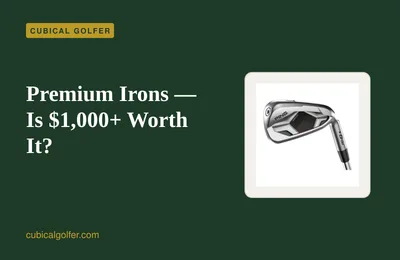
Premium Irons — Is $1,000+ Worth It?
Eight iron sets over $1,000, compared against the most expensive set we have actually tested.

Best Golf GPS Speakers for 2026
A GPS speaker calls your yardage out loud so nobody has to reach for a phone. We compared the Bushnell Wingman line, the Blue Tees Player Pro, and two Turtleboxes for golfers who only want sound.
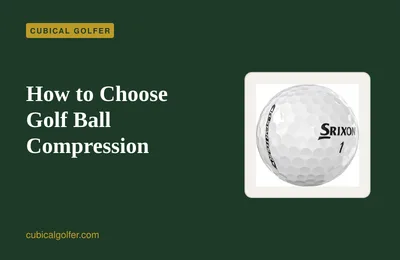
How to Choose Golf Ball Compression (Without Overthinking It)
Compression charts tell you the numbers. This tells you what to actually buy — three steps, four speed bands, and the ball we play in each.

Best Golf Balls Under $30 a Dozen
You do not need a $55 ball. These are the six under $30 that hold up on a real course, and the one I keep going back to.

Best Golf Balls for Beginners
Beginners lose balls. That single fact should decide what you play — here are the five worth putting in the bag, and the one mistake that costs new golfers the most.

Best Golf Balls Under $40 a Dozen
This is the price band where tour-ball technology becomes affordable. Five urethane balls under $40, and an honest answer on whether the jump from $27 is worth it.
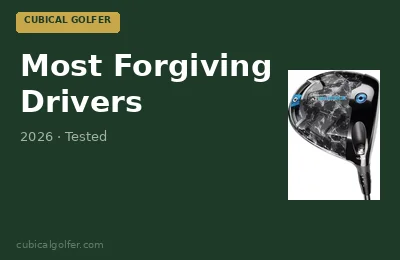
Most Forgiving Drivers for Weekend Golfers
The most forgiving drivers of 2026 that help weekend golfers find more fairways and hit longer drives.
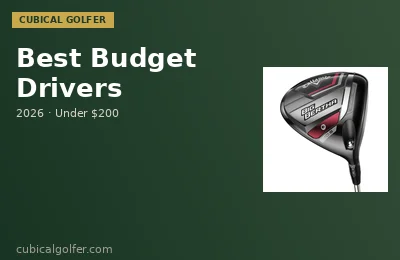
Best Golf Drivers Under $400
Premium driver performance at budget prices — the best drivers under $400 tested over 20+ rounds.
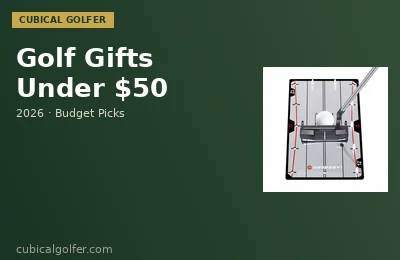
Best Golf Gifts Under $50 That Actually Get Used
4 golf gifts under $50 that golfers actually use — no novelty junk, just gear for every round.
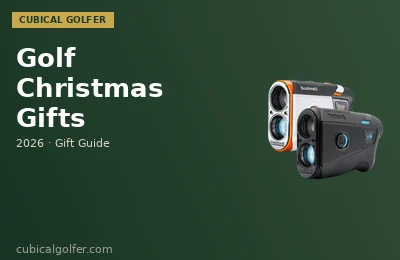
Best Golf Christmas Gifts 2026 — Every Budget Covered
Best golf Christmas gifts 2026 — organized by budget from stocking stuffers to splurge picks.
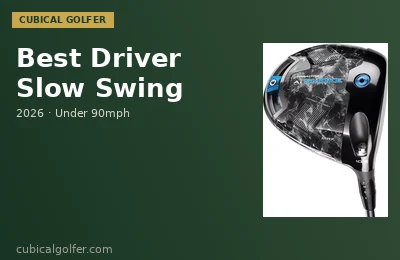
Best Drivers for Swing Speed Under 90mph
Best drivers for swing speeds under 90mph — maximize distance without swinging harder.
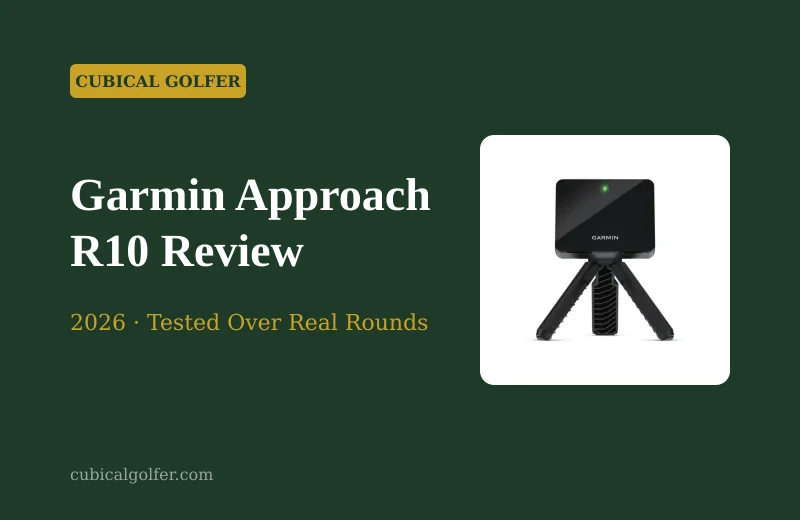
Garmin Approach R10 Review — Tested by a Weekend Golfer
The Garmin R10 tested across a full season — the most popular budget launch monitor delivers reliable outdoor data and simulator play at $550.
Garmin Approach R50 Review — Tested by a Weekend Golfer
The R50 upgrades the R10 with direct spin measurement — but is the jump from $550 to $850 worth it?
FlightScope Mevo+ Review — Tested by a Weekend Golfer
Doppler radar, indoor/outdoor flexibility, E6 Connect simulator — the Mevo+ tries to do everything.
Best Golf Rangefinders We Tested on Course
From premium optics to budget picks — the top rangefinders for weekend golfers who want exact yardages and faster decisions.
Best Golf GPS Watches for Everyday Players
Find the right GPS watch for accurate yardages, score tracking, and shot planning from tee to green.
Best Golf Irons — Tested for Mid and High Handicappers
The best game-improvement, mid-handicap, and players irons of 2026 — tested and ranked for every skill level.
Best Golf Balls for Every Handicap — Tested across a full season
The best golf balls for distance, feel, and scoring — updated for 2026 new Chrome Tour and Bridgestone Tour B X releases tested across a full season.
Best Golf Putters — Blade, Mallet & Mid-Mallet
The right putter style for your stroke type — blade, mallet, and mid-mallet picks at every budget.
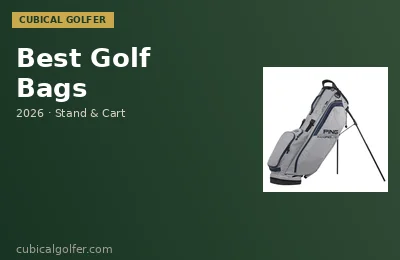
Best Golf Bags for Weekend Golfers
The best carry, stand, and cart bags of 2026 — tested across a full season.
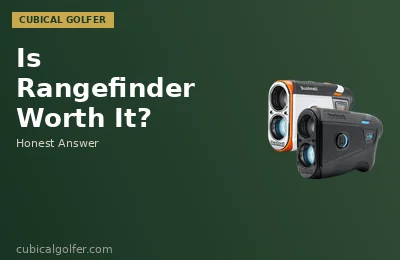
Is a Golf Rangefinder Worth It?
Exact yardages eliminate one of the most common errors in recreational golf. Here is an honest look at whether a rangefinder is worth buying.
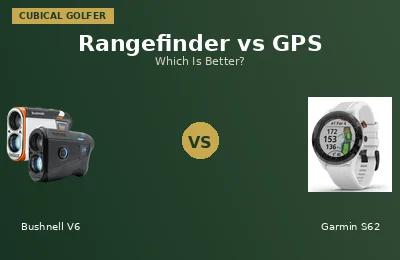
Rangefinder vs GPS Watch: Which Is Actually Better?
These two tools solve different problems. Here is which one is actually worth buying first — and when to own both.
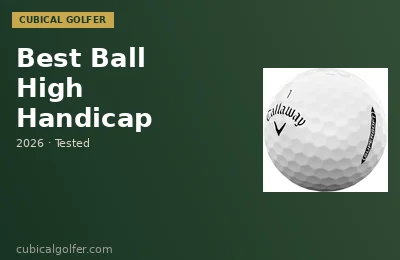
What Golf Ball Should a High Handicapper Use?
The ball that is best for tour players is not best for high handicappers. Here is exactly what to use at 18+ handicap and why.
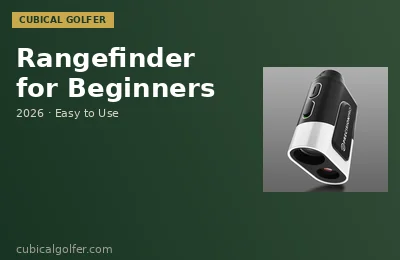
Best Golf Rangefinder for Beginners
Don't overspend on a first rangefinder. Here's what actually matters for beginners and which models deliver it at the right price.
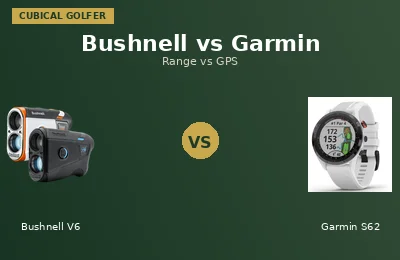
Bushnell vs Garmin Rangefinder: Which Should You Buy?
Bushnell makes the fastest laser rangefinders. Garmin makes the best GPS-laser hybrids. Here is which one is right for your game.
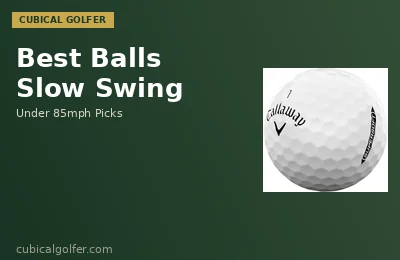
Best Golf Balls for Slow Swing Speed
The wrong ball costs you 15+ yards at slow swing speeds. Here are the balls that compress correctly and perform for slower swingers.
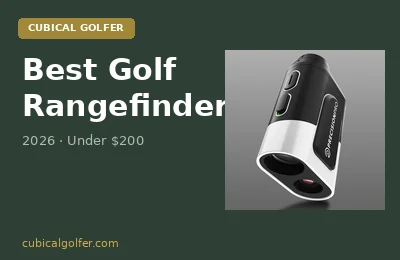
Best Golf Rangefinder Under $200 (2026 Picks)
The best rangefinder for most weekend golfers costs under $200. Here are the top tested picks that outperform their price.
🏌️ Best Golf Rangefinder for Seniors — Tested Picks
Senior golfers need rangefinders that are easy to hold, easy to read in sunlight, and simple to operate with one hand. Here are the only 5 we recommend.
⛰️ Do I Need Slope on a Golf Rangefinder? Honest Answer
Slope adjusts your yardage for uphill and downhill elevation. Here is exactly who needs it and who is wasting money on it.
⛳ Best Golf Balls for Seniors — Tested Picks
Swing speed drops with age. The right low-compression ball gives you back 10-15 yards without changing your swing. These are the only 4 we recommend.
🏌️ Best Golf Irons for Seniors — Tested Picks
Senior golfers need irons that launch high, forgive mishits, and restore the distance lost to slower swing speeds. These 4 sets deliver all three.
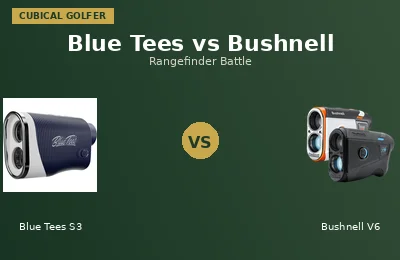
🔭 Blue Tees vs Bushnell Rangefinder — Which Is Better?
Blue Tees gives you 80% of Bushnell performance at 50% of the price. Here is exactly when that trade-off makes sense and when it does not.
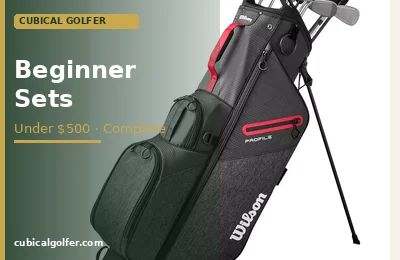
Best Golf Clubs for Beginners (Full Sets Tested)
Complete golf sets under $500 tested for beginners — which one is worth buying and which ones are a waste of money.
Best Golf Balls for 90 MPH Swing Speed
The best mid-compression golf balls for the average male amateur — 85-95 mph swing speed, tested over 25+ real rounds.
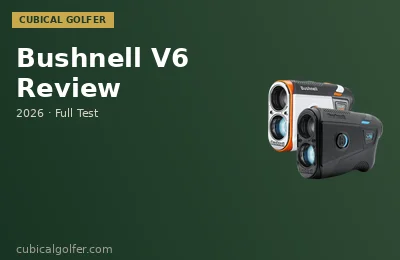
Bushnell Tour V7 Shift Review — 40 Rounds Later
A deep review of the Bushnell Tour V7 Shift after 40 rounds — testing PinSeeker JOLT, slope accuracy, battery life, and build quality on real courses.
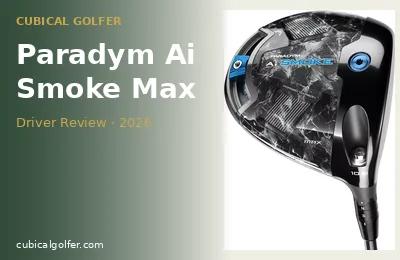
Callaway Paradym Ai Smoke Max Driver — 20 Rounds Later
A deep review of the Callaway Paradym Ai Smoke Max — the most forgiving driver of 2026, tested over 20 real rounds with launch monitor data.
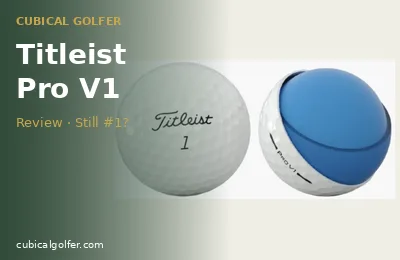
Titleist Pro V1 Review — Still the Best?
An honest Pro V1 review — greenside spin testing, distance data, durability, and value analysis against Chrome Tour and Vice Pro.
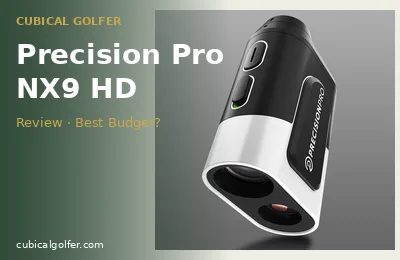
Precision Pro NX9 Review — 25 Rounds Later
The budget rangefinder with a lifetime warranty — tested against the Bushnell V7 Shift over 120+ shots to see if $169 really performs like $399.
Titleist Pro V1 vs Callaway Chrome Soft
Pro V1 vs Chrome Soft head-to-head — distance at multiple swing speeds, greenside spin, feel, and value analysis.
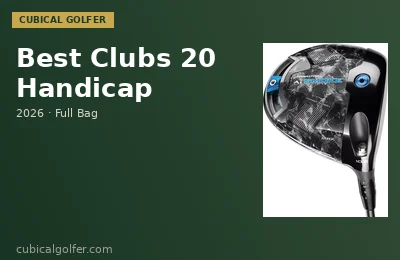
Best Golf Clubs for a 20 Handicap — Complete Bag
A complete club-by-club guide for 20-handicap golfers — every recommendation tested by weekend golfers who shoot in the low 90s.
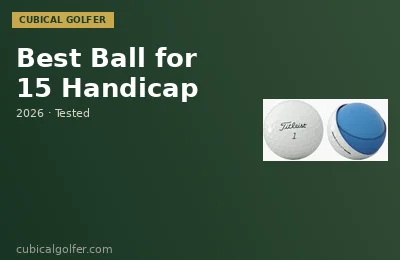
Best Golf Ball for a 15 Handicap
Stop playing the wrong golf ball. Here is exactly what a 15-handicap should play based on swing speed, budget, and scoring goals.
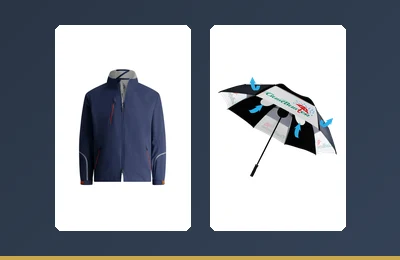
Best Rain Gear for Midwest Golfers — 20 Soggy Rounds Tested
Best rain gear for Midwest golfers — tested over 20 soggy rounds in Indiana and Illinois.

Best Golf Gear for Mom — Equipment She Will Actually Use
Best golf gifts for mom — gear she actually wants, not golf-themed candles.

Best Left-Handed Golf Clubs — Weekend Golfer Guide
Best left-handed golf clubs 2026 — which brands actually stock LH and which leave lefties waiting.

Best Spikeless Golf Shoes for Walking 18 Holes
Best spikeless shoes for walking 18 — tested on wet Midwest mornings and hot summer rounds.
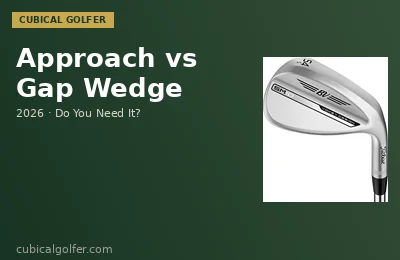
Approach Wedge vs Gap Wedge: Do You Need the One From Your Set?
Approach wedge vs gap wedge — when to keep the one from your set and when to upgrade to a specialty 52°.
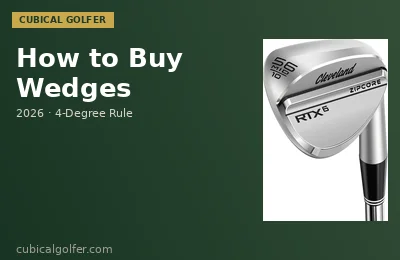
How to Buy Wedges: The 4-Degree Rule That Eliminates Distance Gaps
The 4-degree rule for buying wedges — find your PW loft, do the math, eliminate distance gaps.
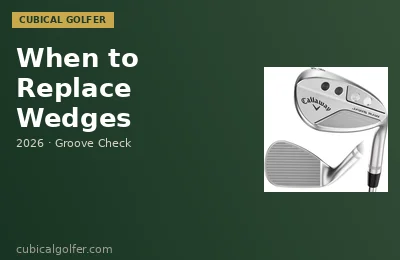
When to Replace Your Wedges (and Why Sharpening Grooves Is a Bad Idea)
When to replace your wedges — the signs, the timeline, and why groove sharpeners are a waste of money.
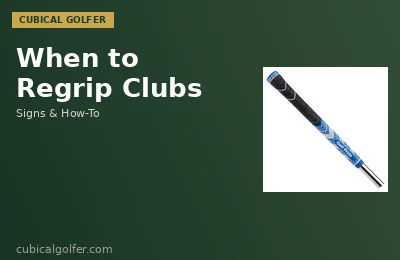
When to Replace Your Golf Grips (It Is Costing You 3-4 Strokes)
Worn grips cost you 3-4 strokes per round — here is when to replace, what to buy, and how to DIY for $60.
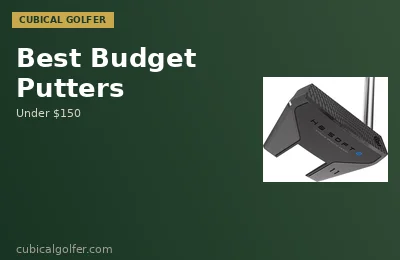
4 Best Putters Under $150 (Plus One Worth Stretching For)
Best putters under $150 — you do not need to spend $300 to putt well.
Best Launch Monitors for Low Ceilings (8-9 ft) — Tested
We tested six launch monitors in rooms with 8-foot and 9-foot ceilings to find which ones actually work in tight spaces.
Launch Monitor Subscription Costs Compared — Real 3-Year Cost
The sticker price of a launch monitor is a lie. We calculated the real 3-year cost including subscriptions for every major monitor.
7 Trackman Alternatives That Don't Cost $25,000 (Tested)
Trackman costs $22,000. These seven alternatives deliver 90-99% of the accuracy for a fraction of the price.
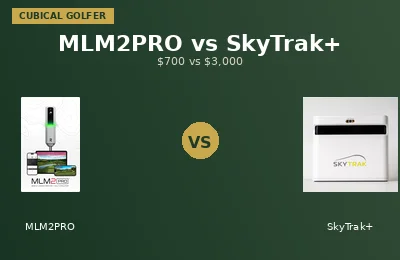
MLM2PRO vs SkyTrak+ — $700 vs $1,200, Is It Worth 2x?
The MLM2PRO costs $700. The SkyTrak+ costs about $1,200. Is the premium monitor really worth nearly double?
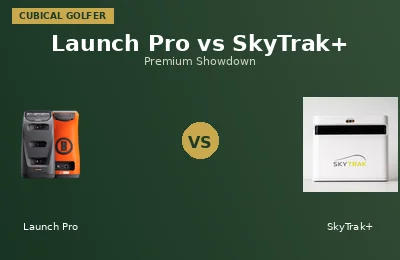
Bushnell Launch Pro vs SkyTrak+ — Premium Simulator Showdown
Two premium launch monitors at similar prices. The Bushnell Launch Pro uses Foresight GCQuad tech. The SkyTrak+ uses photometric tracking. Which one wins?
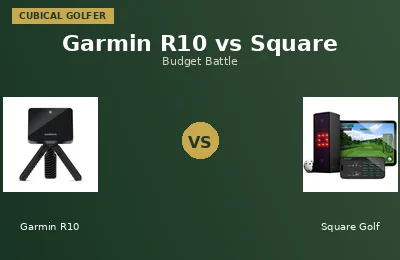
Garmin R10 vs Square Golf — Budget Launch Monitor Battle
Two budget launch monitors with very different approaches. The Garmin R10 uses radar and charges $99/year. The Square Golf uses photometric and charges nothing.
We Tested 8 Launch Monitors for Accuracy — Here Is the Data
We hit 200+ shots with each of 6 launch monitors cross-referenced against the other launch monitors in this test and against Arccos and Shot Scope on-course data. Here is which ones are accurate and which ones miss.
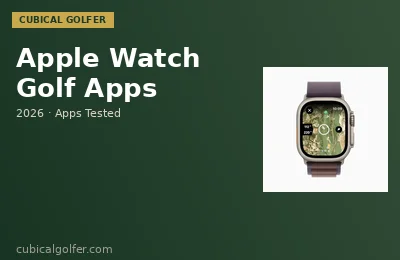
Best Golf Apps for Apple Watch — GPS, Scoring, Swing
Your Apple Watch can replace a $300 GPS device on the course. Here are the 4 best golf apps for 2026.
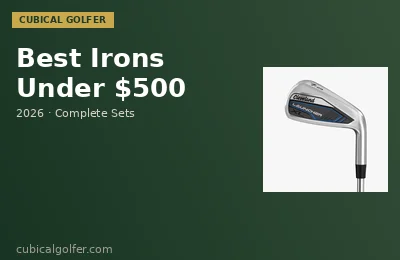
Best Iron Sets Under $500 — Complete Sets That Don't Suck
You do not need to spend $900 on irons. These under-$500 sets deliver 90% of the performance at half the price.
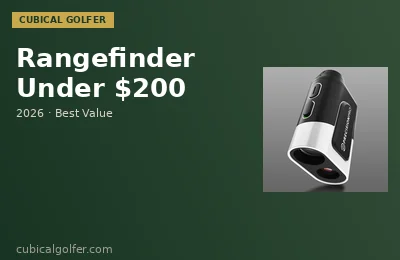
Best Golf GPS Watch Under $300 — Premium Features, Lower Price
Four GPS golf watches under $300 tested — Garmin S42 wins for most weekend golfers.
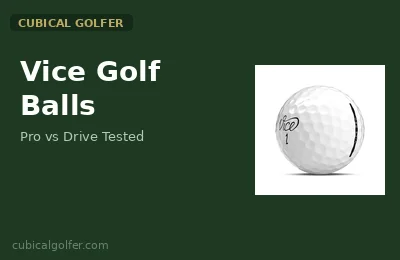
Vice Golf Balls — Every Model Compared and Tested
Vice Pro, Pro Plus, Pro Soft, and Drive compared — which Vice ball matches your swing speed and game.
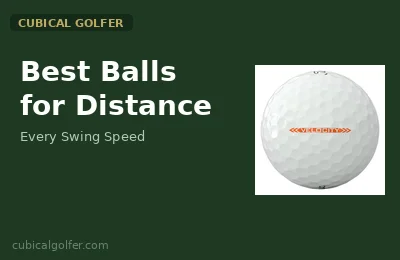
Best Golf Balls for Distance — Tested at Every Swing Speed
Low-spin, high-launch golf balls tested for maximum carry at recreational swing speeds.
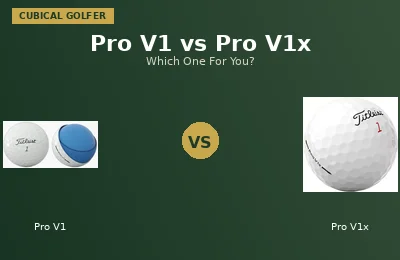
Titleist Pro V1 vs Pro V1x — Full Comparison
The differences between Titleist Pro V1 and Pro V1x — and which one is right for your swing.
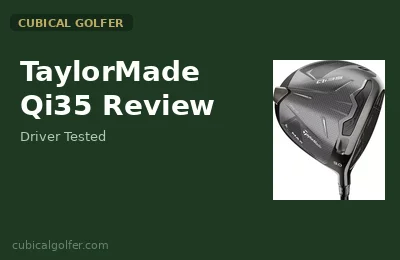
TaylorMade Qi35 Review — Tested by a Weekend Golfer
The TaylorMade Qi35 Max tested over 20 rounds — is the expanded MOI and AI face worth upgrading from a previous-gen driver?
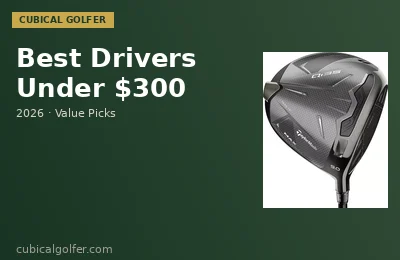
Best Golf Drivers Under $300
Best drivers under $300 — premium forgiveness without the premium price tag.
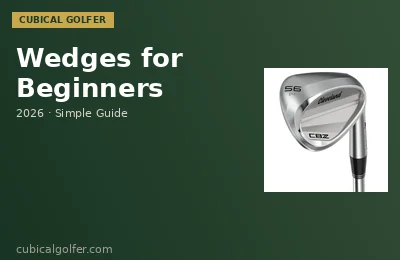
Best Wedges for Beginners — Simple Buying Guide
Beginner-friendly wedges with extra forgiveness. These cavity-back designs make the short game less intimidating.

Best Hybrid Golf Clubs — Replace Your Long Irons
Long irons are the hardest clubs to hit. Hybrids are easier. Here are the best hybrid options for 2026.

Kirkland Signature Golf Balls — Tested by a Weekend Golfer
Costco's $28 urethane golf ball tested head-to-head against premium alternatives.
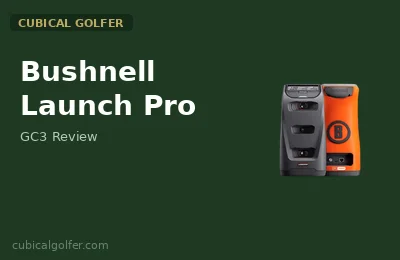
Bushnell Launch Pro Review — Tested by a Weekend Golfer
GC3-powered accuracy at $2,999 — is the Bushnell Launch Pro overkill for a weekend golfer?
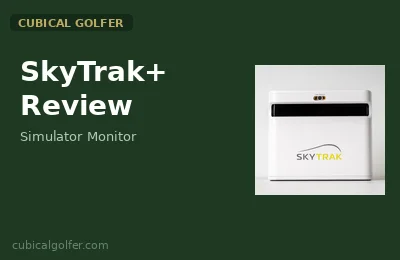
SkyTrak+ Review — Tested by a Weekend Golfer
Photometric accuracy at $2,500 — the SkyTrak+ is the simulator-first launch monitor. Worth it?
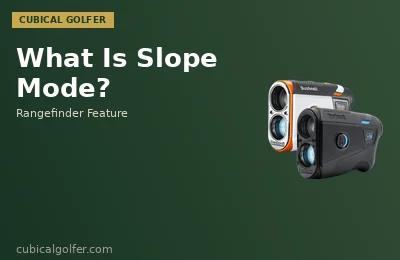
What Is Slope on a Golf Rangefinder? (Actually Explained)
Slope mode adjusts your rangefinder yardage for uphill and downhill elevation. Here's what it does, how it works, and when you cannot use it.
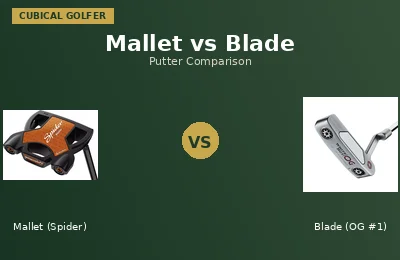
Mallet vs Blade Putter — Which Should You Use?
Mallet or blade putter? The answer depends on your stroke, your misses, and your handicap.
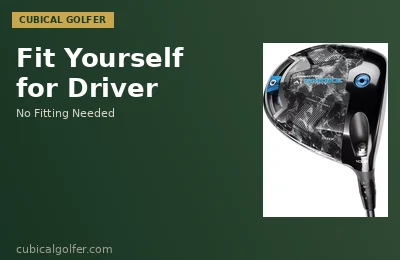
How to Fit Yourself for a Driver (No Pro Shop Needed)
DIY driver fitting — find the right loft, shaft, and head without paying $150 for a fitting.

Best Junior Golf Clubs — Getting Your Kid Started the Right Way
Best junior golf clubs for kids — a weekend dad's guide to getting your kid started without spending $500.
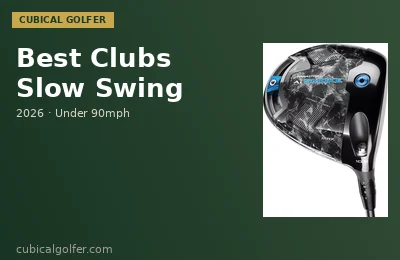
Best Golf Clubs for Slow Swing Speed — Seniors & Returning Golfers
Best clubs for slow swing speed — add 15-20 yards without swinging harder.
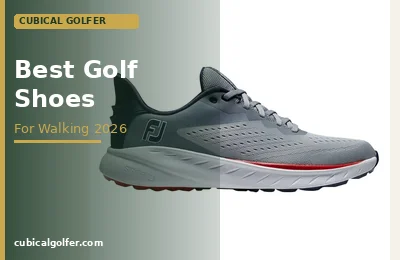
Best Golf Shoes for Every Type of Golfer
The definitive golf shoe guide — spiked, spikeless, walking, and waterproof options tested.

Best Golf Cart Bags for Weekend Golfers
Cart bags tested for pocket organization, cart strap compatibility, and 14-way dividers.
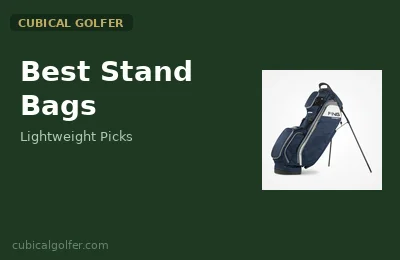
Best Golf Stand Bags for Walking Golfers
Stand bags tested for walking comfort — lightweight, balanced, and organized.
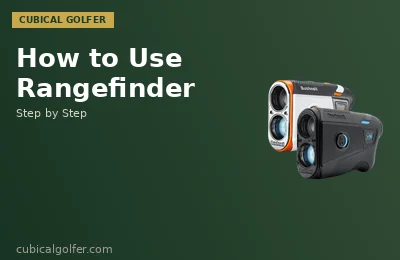
How to Use a Golf Rangefinder on the Course
Most golfers underuse their rangefinder by only ranging the flag. Here is how to get the full value out of it in under 10 seconds per shot.
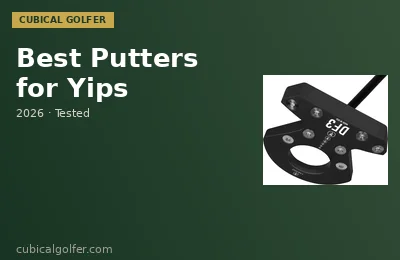
Best Putters for the Yips (2026)
Best putters for the yips — equipment solutions for the most frustrating problem in golf.
How a product earns the top spot in any category
Three things have to be true. First, the product has to perform across mixed conditions — not just the controlled scenarios where every modern flagship looks good. A rangefinder that locks pins in flat sunlight but loses them in heat haze does not win. A driver that produces tour-level ball speed off a center hit but spins wildly off the toe does not win. Second, the product has to deliver value at its price point. A $400 product that performs 5% better than the $200 alternative loses the comparison for most weekend golfers, every time.
Third — and this is the part that disqualifies the most products — the product has to be the right fit for a recreational golfer, not for a tour player. A blade iron with razor-sharp dispersion at center strike is the wrong recommendation for a 22-handicap who needs the mis-hit forgiveness, even if the blade iron is "better" by every measurable metric. Every buying guide on this site assumes you play sometimes, not constantly, and ranks accordingly.
Reviews are refreshed when a new model drops, when a flagship's price falls below the budget pick, or when our own testing surfaces a problem we missed. The "Updated" date on each guide reflects the last time every recommendation was reverified.
Related sections of the site
Already narrowed down to two products? The comparison hub has head-to-head matchups for the most-asked decisions. Want to know what to do with the gear once you own it? The improve your game hub covers the practice routines that make new equipment actually pay off. Need help on the tech side — launch monitors, simulators, apps? See the golf tech hub.
Gear reviews FAQ
How much golf experience does the reviewer actually have?
The site is run by Ryan O., a 10-handicap weekend golfer based in Chicago, IL. I have been playing since 2010, average 25–40 rounds per season, and play primarily out of Harborside Golf Course. I am not a teaching pro, a former mini-tour player, or a club fitter — I am a recreational golfer who got tired of buying gear based on bad reviews. The full author bio is on the about page.
Why should I trust reviews from one weekend golfer instead of a magazine that tests with a robot?
Robots hit the center of the face every time. You do not. A driver that produces 175 mph ball speed off a robot is irrelevant if your real-world hits are 8-10 mm off center. Every test on this site reflects the dispersion patterns of someone who plays once a week, not someone who hits 500 balls a day. That is the actual question you are trying to answer when shopping for forgiveness.
Do you get free gear in exchange for positive reviews?
No. We sometimes receive loaner products for testing, but with explicit written confirmation that there are no editorial conditions — we can rank the product last or refuse to publish a review entirely. Most products are purchased with our own money. Every review states how the product was acquired in the disclosure block.
What is the difference between your buying guides and your comparison articles?
A buying guide ranks the full field of products in a category — typically 5 to 8 picks across price points. A comparison is a head-to-head between two specific products you are deciding between. Use the buying guide first to narrow your shortlist; use the comparison once you have it down to two finalists. Both link to each other extensively.