A professional driver fitting costs $100-200 and is worth it for single-digit handicappers. For the rest of us, you can get 90% of the benefit by matching four variables to your swing: loft, shaft flex, shaft length, and head shape. Here is the DIY guide. For our top picks once you know your specs, see our forgiving drivers guide.
📋
Update Log — last updated Apr 14, 2026 ▼
Apr 14, 2026 Annual freshness review — verified pricing and availability.
Step 1: Find Your Swing Speed
Everything else depends on this number. You have three options to measure it: visit any golf store (they will measure you for free — you do not need to buy anything), use a personal launch monitor like the Garmin Approach R10, or estimate from your 7-iron carry distance. The carry distance method: if your 7-iron carries 120 yards, your driver swing speed is approximately 80 mph. At 140 yards, you are around 90 mph. At 160 yards, roughly 100 mph. At 180 yards, about 110 mph. This is approximate — a launch monitor is better — but it gets you within 5 mph, which is close enough for fitting purposes. Write down your number. Every choice below flows from it.
Step 2: Choose Your Loft
Loft is the most important driver spec and the one most golfers get wrong. The correct loft depends on your swing speed and attack angle. For most weekend golfers who hit slightly down on the ball (negative attack angle): under 85 mph swing speed, use 12° or higher. Between 85-95 mph, use 10.5°. Between 95-105 mph, use 9.5-10.5°. Over 105 mph, use 8.5-9.5°. The most common mistake is using too little loft. Marketing shows tour players using 9° drivers, so amateurs assume 9° is correct. Tour players swing at 115+ mph with a positive attack angle — completely different physics. A 15-handicapper at 90 mph using a 9° driver is leaving 10-15 yards on the table compared to a 10.5° driver. If you are between lofts, always go higher.
Step 3: Match Your Shaft Flex
The shaft transmits energy from your hands to the clubhead. If it is too stiff, the face does not close in time and you lose distance and slice. If it is too soft, the face closes too much and you hook or hit inconsistent shots. Match shaft flex to your driver swing speed: under 75 mph, ladies flex (L). 75-85 mph, senior flex (A). 85-95 mph, regular flex (R). 95-105 mph, stiff flex (S). Over 105 mph, extra stiff flex (X). Most weekend golfers should be in regular or senior flex. The ego play of using a stiff shaft at 88 mph costs you 10-15 yards and promotes a slice. There is no shame in regular flex — it is the correct shaft for the majority of recreational golfers. One important note: shaft flex ratings are not standardized across manufacturers. A "regular" from one brand may play like a "stiff" from another. If possible, try before you buy.
Step 4: Length and Lie Angle
Standard driver length is 45-45.75 inches. Most golfers should play standard length. If you consistently hit the ball off the toe (check your face tape or use Dr. Scholl's foot spray on the face), you may benefit from a half-inch shorter driver. If you consistently hit the heel, consider standard or even a half-inch longer. Before buying a custom length, try choking down 1 inch on your current driver. If your accuracy improves significantly, a shorter driver is worth the investment. Lie angle on drivers is less critical than on irons because the ball is teed up and the face is nearly vertical at impact. Standard lie works for 90% of golfers. Only pursue a lie angle adjustment if a qualified fitter recommends it after seeing your impact pattern.
Step 5: Head Shape for Your Miss Pattern
Modern drivers come in three head configurations: standard (neutral), draw bias, and fade bias. The choice depends on your typical miss. If you slice (ball curves right for right-handed golfers), choose a draw bias driver. The internal weighting shifts the center of gravity toward the heel, which promotes a right-to-left ball flight. This corrects 50-70% of a mild slice without any swing changes. If you hook (ball curves left), choose a fade bias or standard driver. The center of gravity sits more toward the toe, resisting the face from closing too quickly. If you hit it relatively straight with a slight miss in either direction, choose a standard driver. It provides the most versatility and does not favor either miss direction. One counterintuitive point: do not choose a draw bias driver to hit draws if you already hit draws. The draw bias on top of your natural draw will produce hooks. Match the head to compensate for your miss, not to amplify your natural shot shape.
When to Pay for a Professional Fitting
The DIY approach above gets you 85-90% of the way to an optimal driver setup. A professional fitting adds the final 10-15% through three things you cannot do yourself: trying 15-20 shaft options on a launch monitor to find the optimal shaft weight, flex profile, and torque for your swing; dialing in exact loft and lie through adjustable hosel testing with real-time data; and identifying swing characteristics like spin axis tilt and dynamic loft that affect which head design works best. A fitting is worth the $100-200 if you play 30+ rounds per year, you are a single-digit handicapper or aspiring to be one, or you are spending $400+ on a driver anyway (the fitting cost is small relative to the purchase). For golfers playing 15 rounds per year with a 15+ handicap, the DIY approach plus range practice is a better investment than a professional fitting. The performance difference between a DIY-fitted and pro-fitted driver is 3-5 yards and slightly tighter dispersion — meaningful for competitive golfers, negligible for weekend players.
Drivers We Recommend After Self-Fitting
STRONG PICK Read our full review →
★★★★★ Our score: 4.8/5
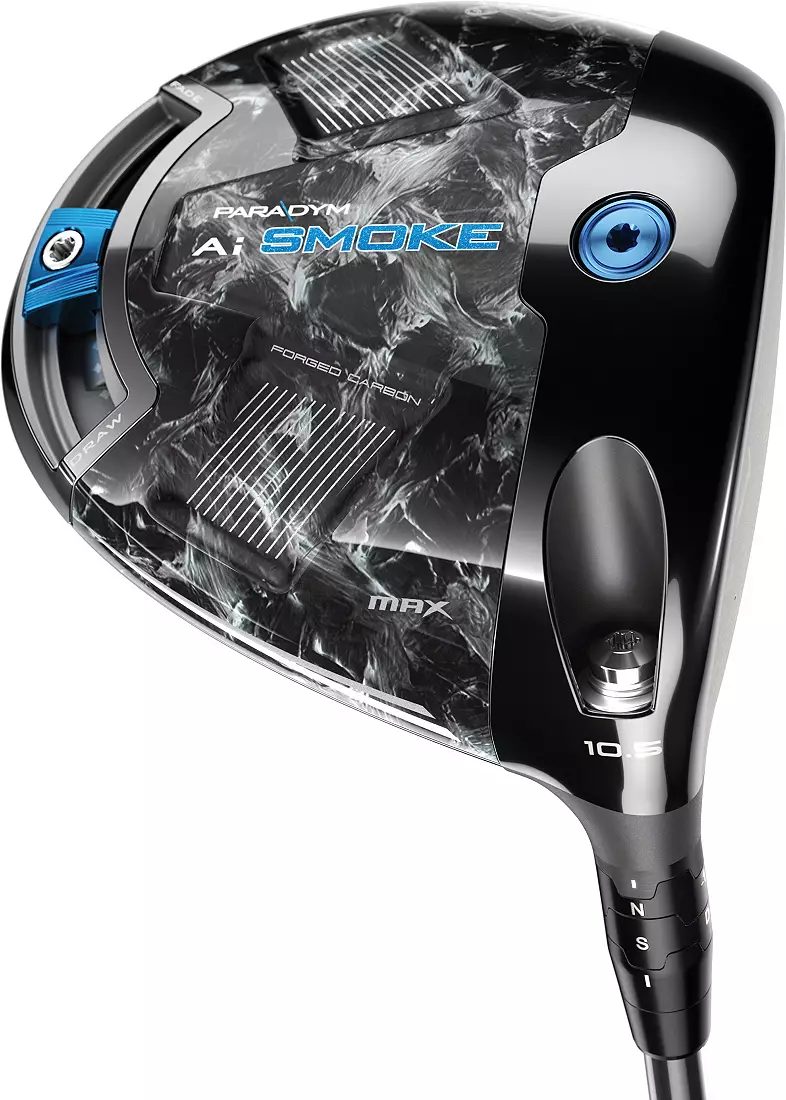
Callaway Paradym Ai Smoke Max
Once you know your ideal loft, shaft flex, and face angle:
- Most forgiving: Callaway Paradym Ai Smoke Max — widest sweet spot
- Best for slow swingers: Cleveland Launcher XL2 — highest launch at moderate speeds
- Best value: Cobra DS-Adapt MAX-K — previous gen, $100 less, 95% of the performance
See our driver rankings.
⚠️ Skip this if: you already hit it straight — this driver is built for forgiveness, not workability.
Most forgivingCallaway Paradym Ai Smoke Max
~$399
Best for slow swingers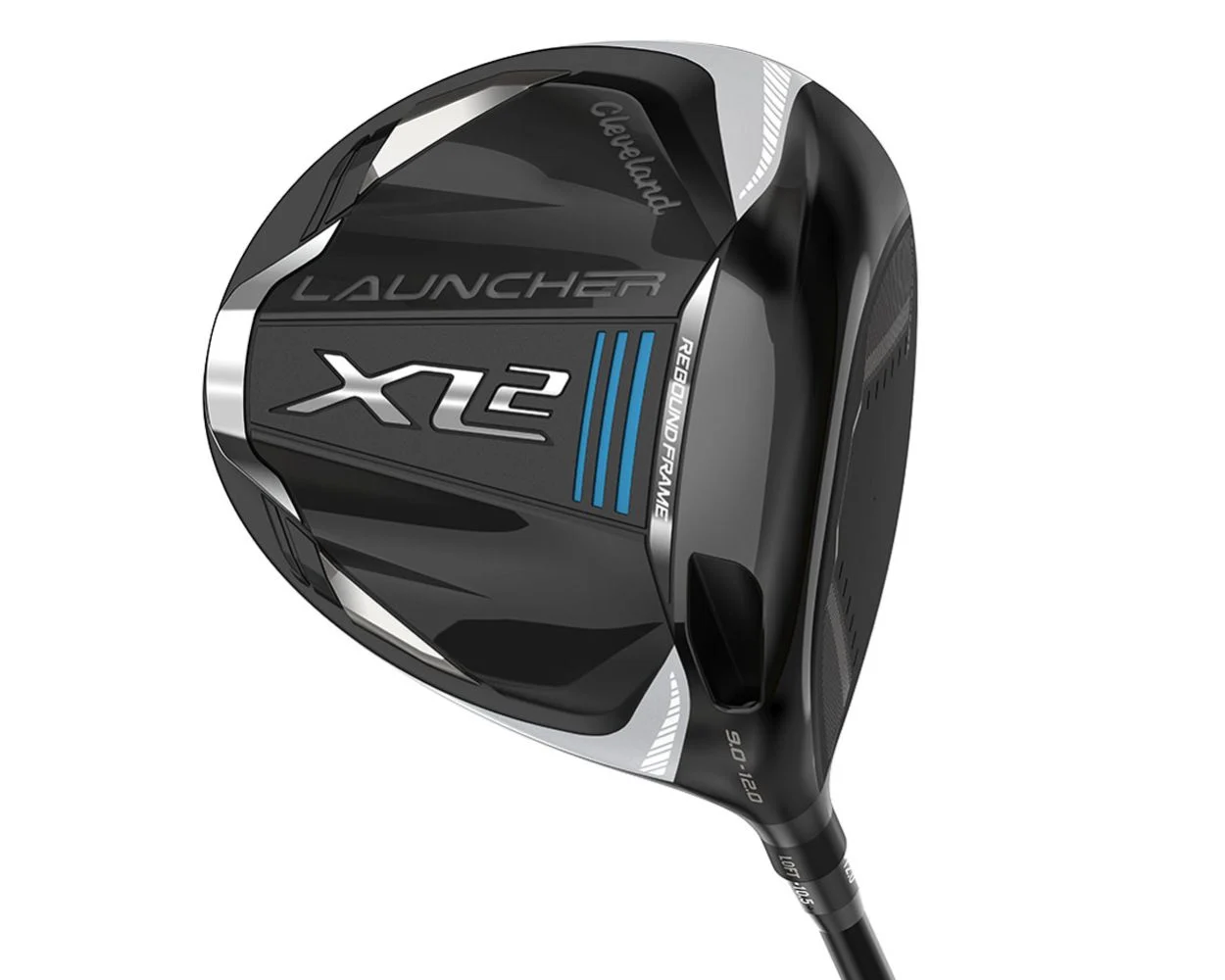
Cleveland Launcher XL2
~$299
Best value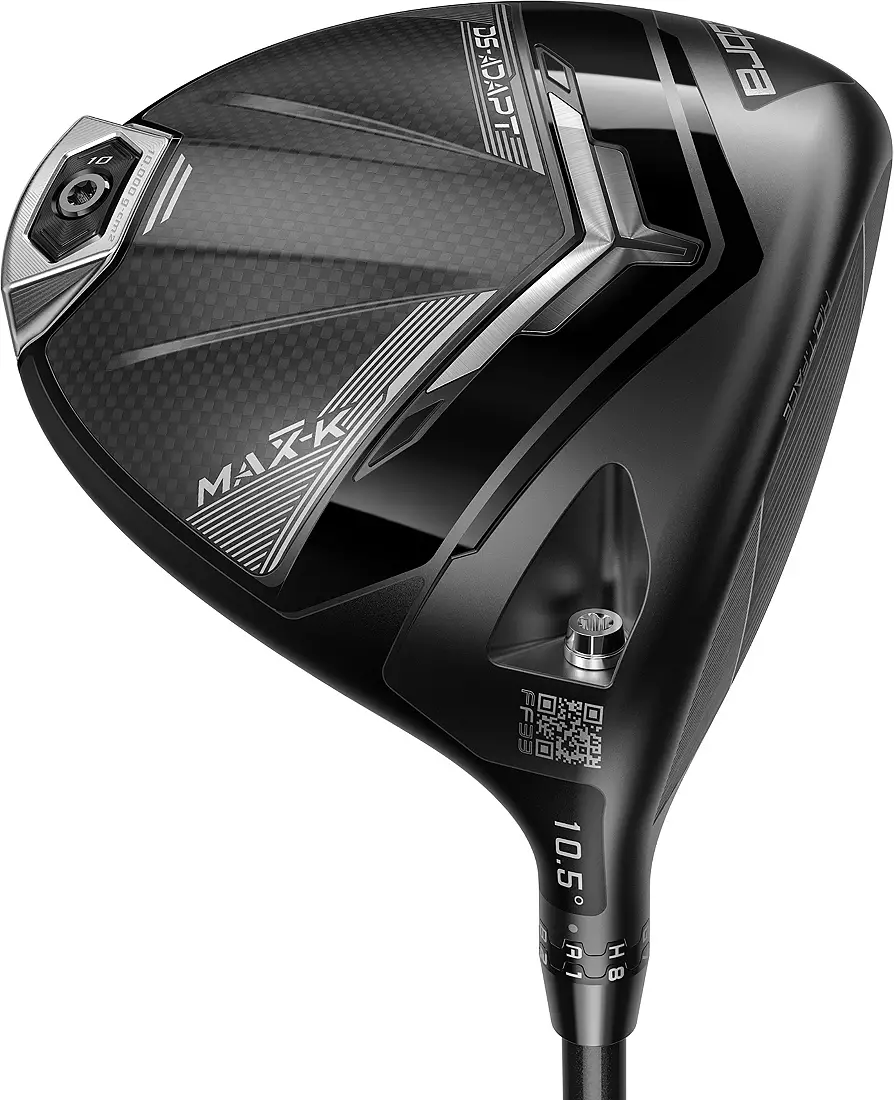
Cobra DS-Adapt MAX-K
~$299
Prices checked 2026-09-24 · Affiliate links — we earn a small commission at no extra cost to you.
If Your Fitting Says You Spin It Too Much
LOW SPIN — NOT YET TESTED RESEARCH PICK — NOT YET IN OUR TEST BAG 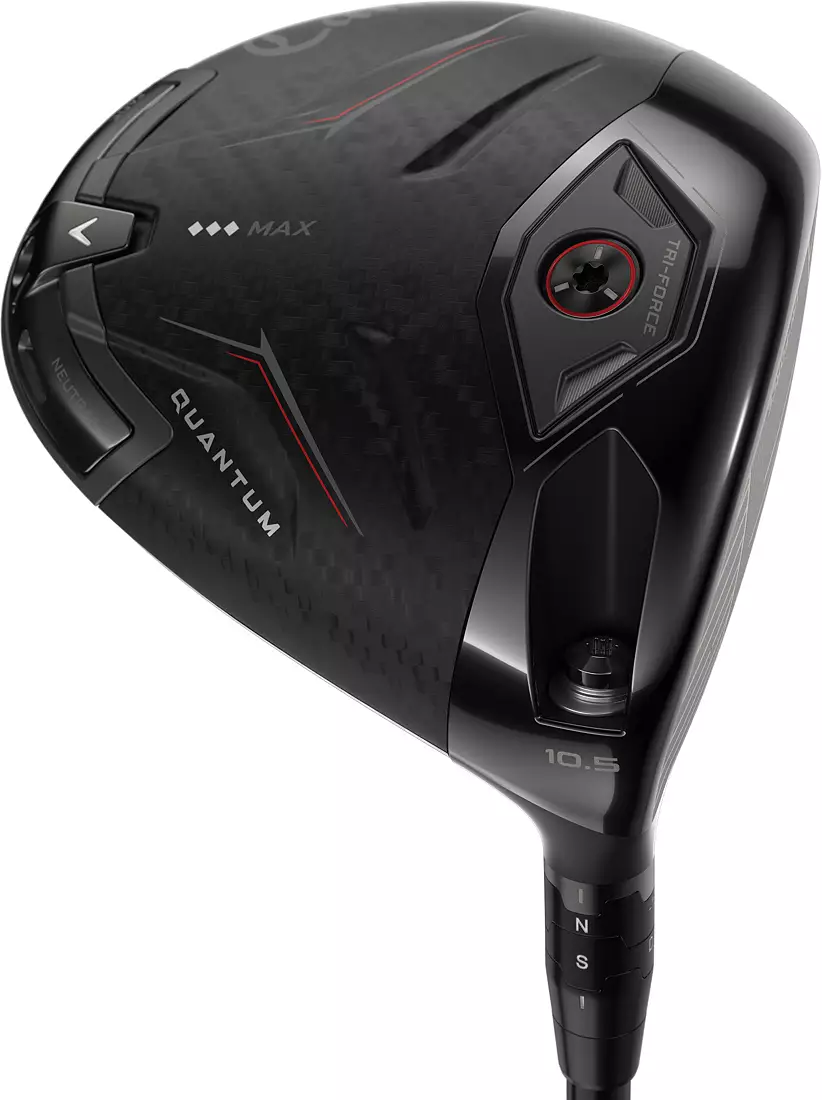
Callaway Quantum Triple Diamond Max
One outcome of the self-fitting steps above is finding that you generate plenty of speed but launch the ball too high with too much spin — a ball flight that climbs and falls short. The fix is a lower-spin head, and Callaway’s Triple Diamond line is theirs.
The Max version is the larger, more forgiving of the two, which makes it the sensible choice for a golfer who swings fast but does not find the centre every time.
We have not tested it. At $699.99 this is a lot of money to spend on a self-diagnosis — if your fitting pointed here, that is the point at which paying for a real one pays for itself.
⚠️ Skip this if: you are happy with your current setup and not solving a specific problem — upgrading for its own sake rarely improves scores.
The Smaller Triple Diamond
TOUR HEAD — NOT YET TESTED RESEARCH PICK — NOT YET IN OUR TEST BAG 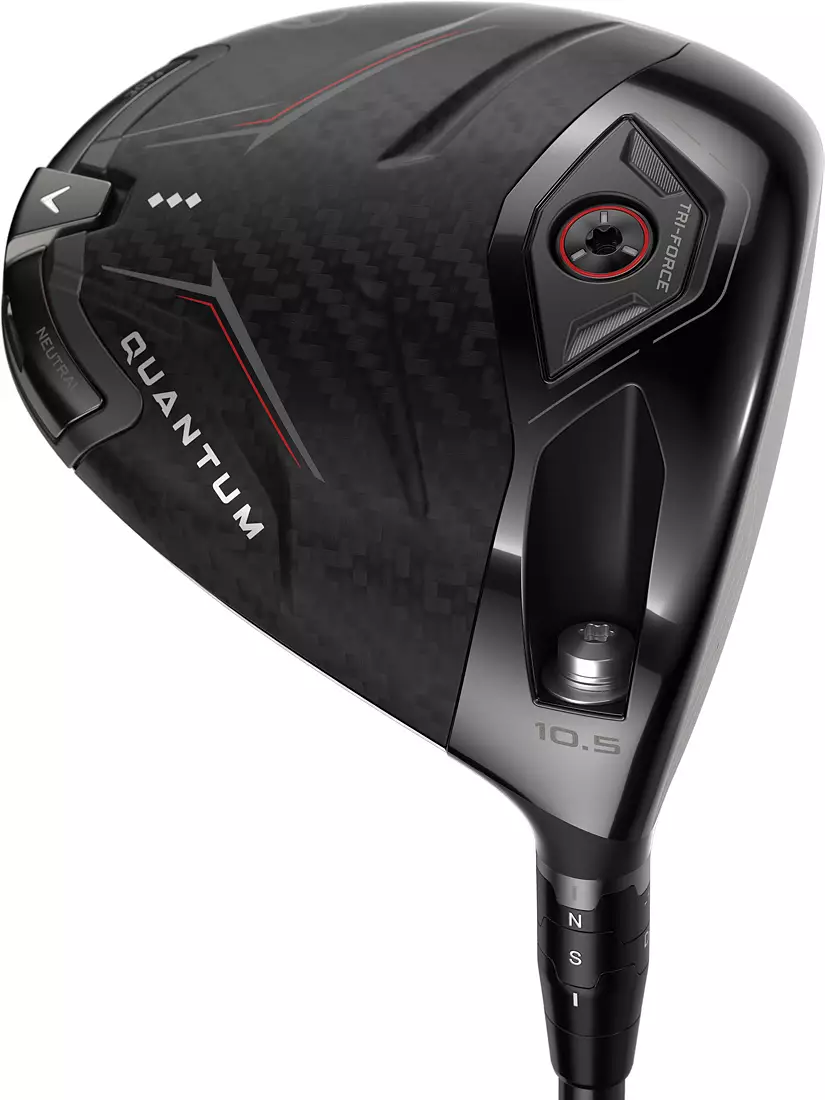
Callaway Quantum Triple Diamond
The standard Triple Diamond is the compact version: lower spin still, less forgiving, and aimed at a golfer who already controls the face.
Untested here, and the same price as the Max above at $699.99.
We are including it for completeness rather than recommending it. If you are fitting yourself at home rather than paying a professional, you are almost certainly not the golfer this head was designed for.
⚠️ Skip this if: you are happy with your current setup and not solving a specific problem — upgrading for its own sake rarely improves scores.
🏌️ Gear That Helps With This
🎯 Our Recommended Gear
Callaway Paradym Ai Smoke Max
~$399 — the product we use and recommend for this topic.
🎯 Gear that helps with this
Every recommendation is independently purchased and tested over 40+ rounds.
Frequently Asked Questions
How do I know my driver swing speed without a launch monitor?
Use your 7-iron carry distance as a proxy: 120 yards carry = ~80 mph driver speed, 140 yards = ~90 mph, 160 yards = ~100 mph, 180 yards = ~110 mph. Alternatively, most golf stores will measure you for free — you do not need to buy anything.
What loft should my driver be?
Under 85 mph: 12°. 85-95 mph: 10.5°. 95-105 mph: 9.5-10.5°. Over 105 mph: 8.5-9.5°. Most weekend golfers use too little loft. Higher loft = higher launch = more carry at slower speeds.
Is a professional fitting worth it?
For golfers under 10 handicap who play 30+ rounds per year, yes. For casual golfers, the DIY approach in this guide gets you 90% of the way there. The $150 fitting fee is better spent on range sessions for most weekend golfers.
Should I get a standard or short driver?
Standard length (45-45.75 inches) is fine for most golfers. If you struggle with consistently hitting the center of the face, try choking down 1 inch before buying a shorter shaft — it achieves the same effect for free.
Draw bias or neutral head?
If you slice: draw bias. If you hook or hit it straight: neutral. If you are unsure, draw bias is the safer choice — the slight closed face at impact helps 80% of amateur golfers who fight a fade or slice.
⚖️ Still deciding between two?
These head-to-head comparisons test the exact products from this guide side by side.
🏢 More for Cubicle Golfers
You work 9-to-5. Golf is your weekend reset. These guides are built for your schedule.
Last updated: 2026-09-24