
Under 85 mph swing speed: play compression 35-65. Between 85-100 mph: play 65-90. Over 100 mph: play 90+. Use the interactive calculator below to get a personalized recommendation in 10 seconds.
Our #1 Pick: Callaway Supersoft ~$27/dozen — Check Price →Read the full guide below for all 36 balls tested.
Download the Golf Ball Compression Chart (PDF)
Printable version — same data, take it to the range or pro shop. The cheat sheet is the one-page version: your band, the balls in it, and where each number came from.
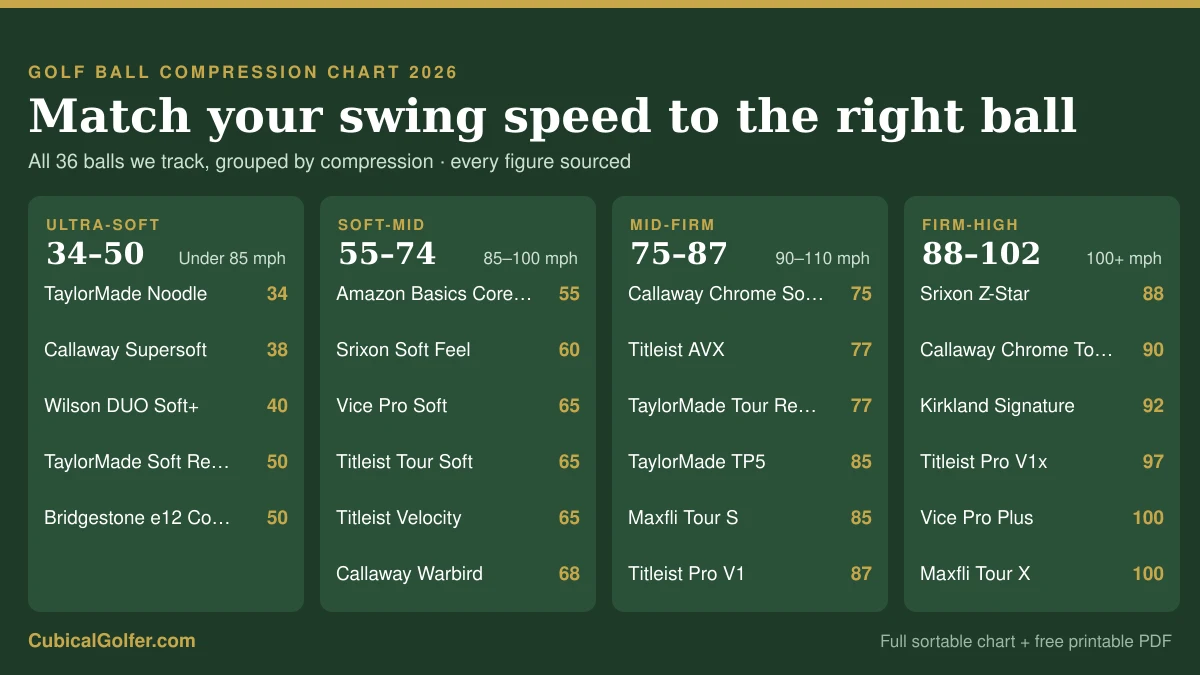
Stop guessing which golf ball to play. This chart maps the compression rating of all 36 balls — every Titleist, Callaway, TaylorMade, Srixon, Bridgestone, Vice, Wilson, Kirkland, Maxfli and Pinnacle model we track — to your swing speed, so you can find the right ball in 10 seconds instead of wasting money on balls built for someone else's swing.
🎯 Find Your Ball in 10 Seconds
How far does your 7-iron carry?
Complete Golf Ball Compression Chart (2026 Data)
Click any column header to sort. Use the filters to narrow by cover type or budget.
Where these numbers come from. There is no industry-standard compression test, so two honest sources can disagree by 20 points or more on the same ball. Manufacturers publish figures from their own rigs; independent labs publish gauge readings from theirs. Titleist and Costco publish nothing at all. This chart uses the manufacturer’s published figure wherever one exists, and an independent measurement where none does — the Source column says which, ball by ball, so you can tell a published spec from a measured reading. Numbers from different scales should not be compared directly.
| Golf Ball ↕ | Compression ↕ | Source | Cover ↕ | Price/dz ↕ | Best Speed | Buy |
|---|---|---|---|---|---|---|
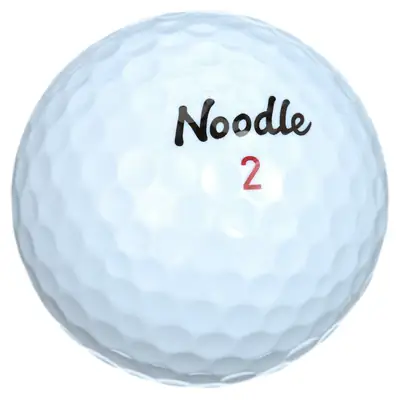 TaylorMade Noodle Ultra-soft feel at 34 compression; the cheapest ball worth playing for beginners under 75 mph. | 34 | TaylorMade (published) | Ionomer | ~$19 | 0–75 mph | Check price |
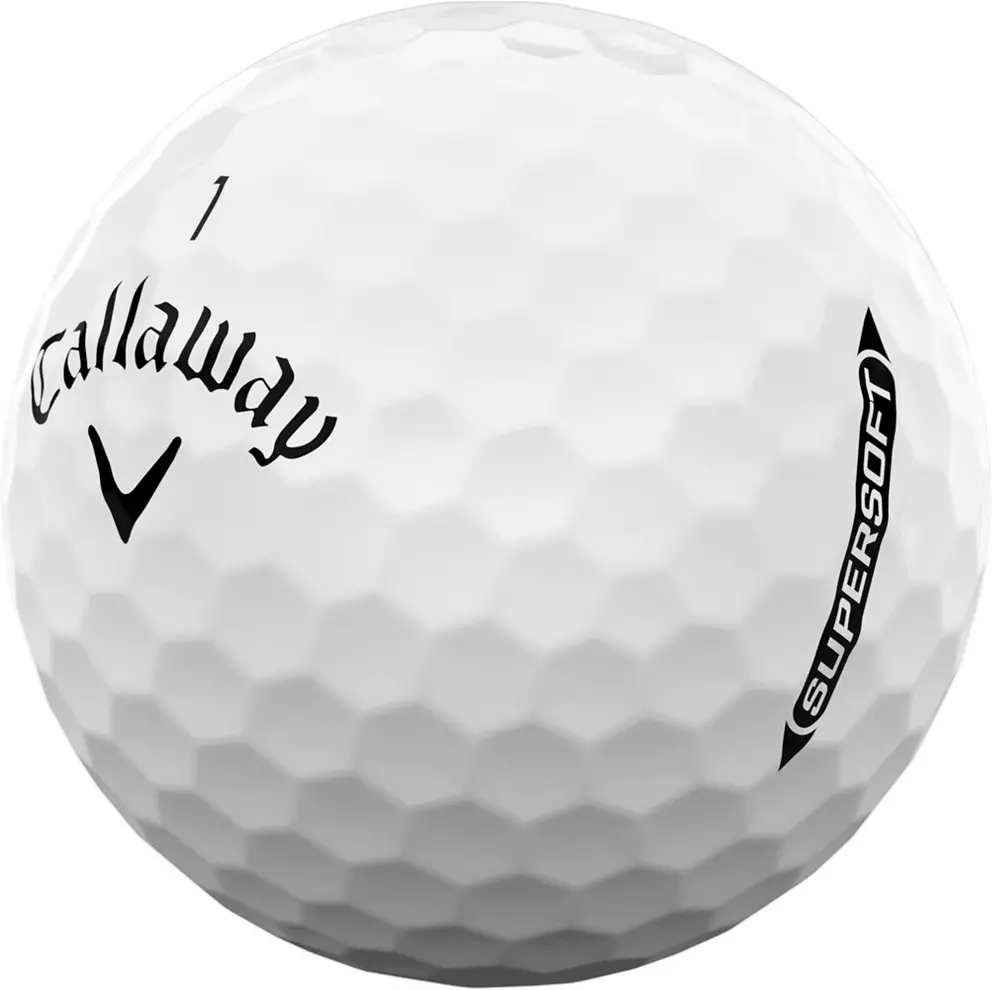 Callaway SupersoftOUR PICK <85mph Our go-to recommendation for seniors — maximum distance at minimum swing speed with a surprisingly good feel around greens. | 38 | Callaway (published) | Ionomer | ~$27 | 0–80 mph | Check price |
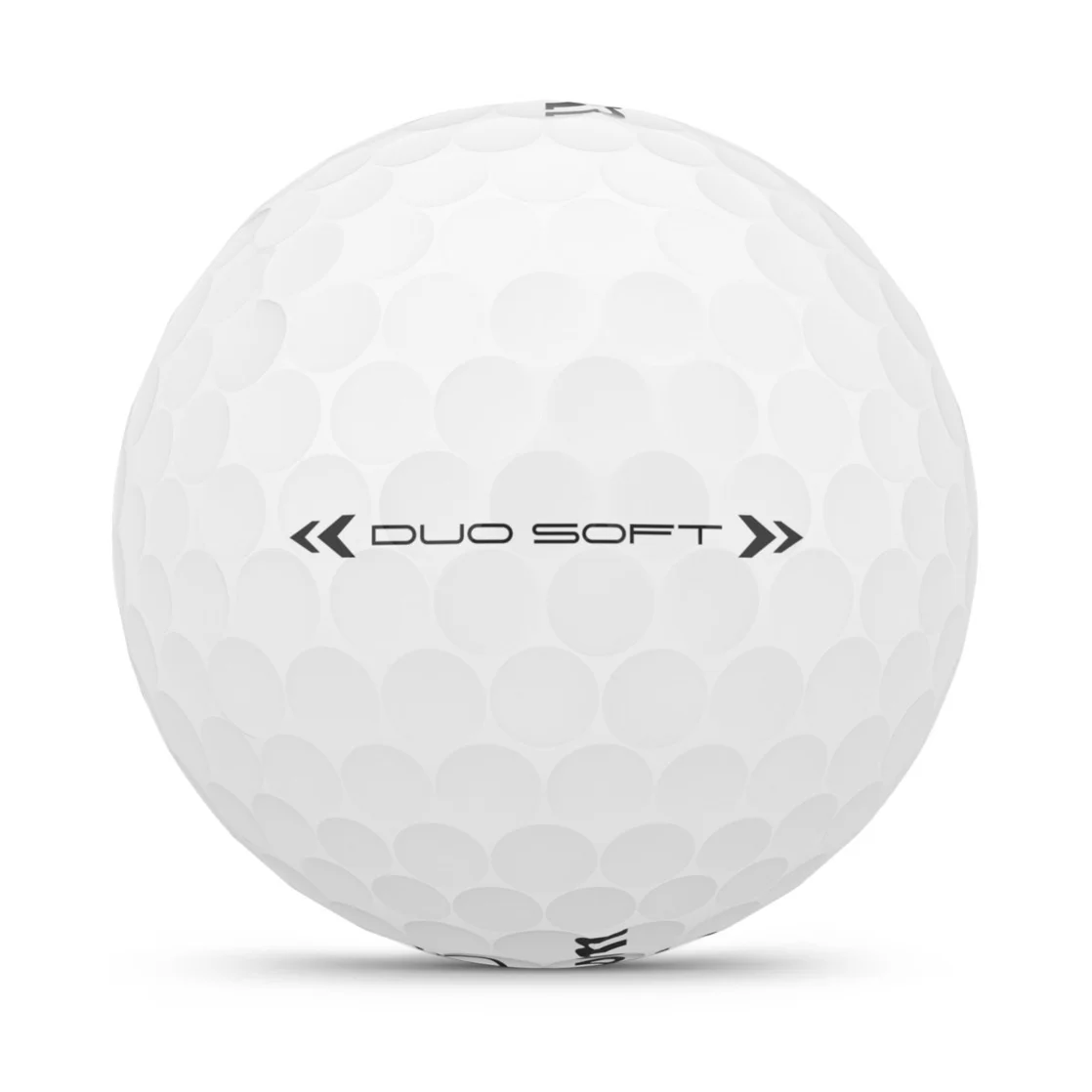 Wilson DUO Soft+ Lightest ball on the market at 40 compression; floats straighter than most soft balls due to 302-dimple pattern. | 40 | Wilson (published) | Ionomer | ~$25 | 0–80 mph | Check price |
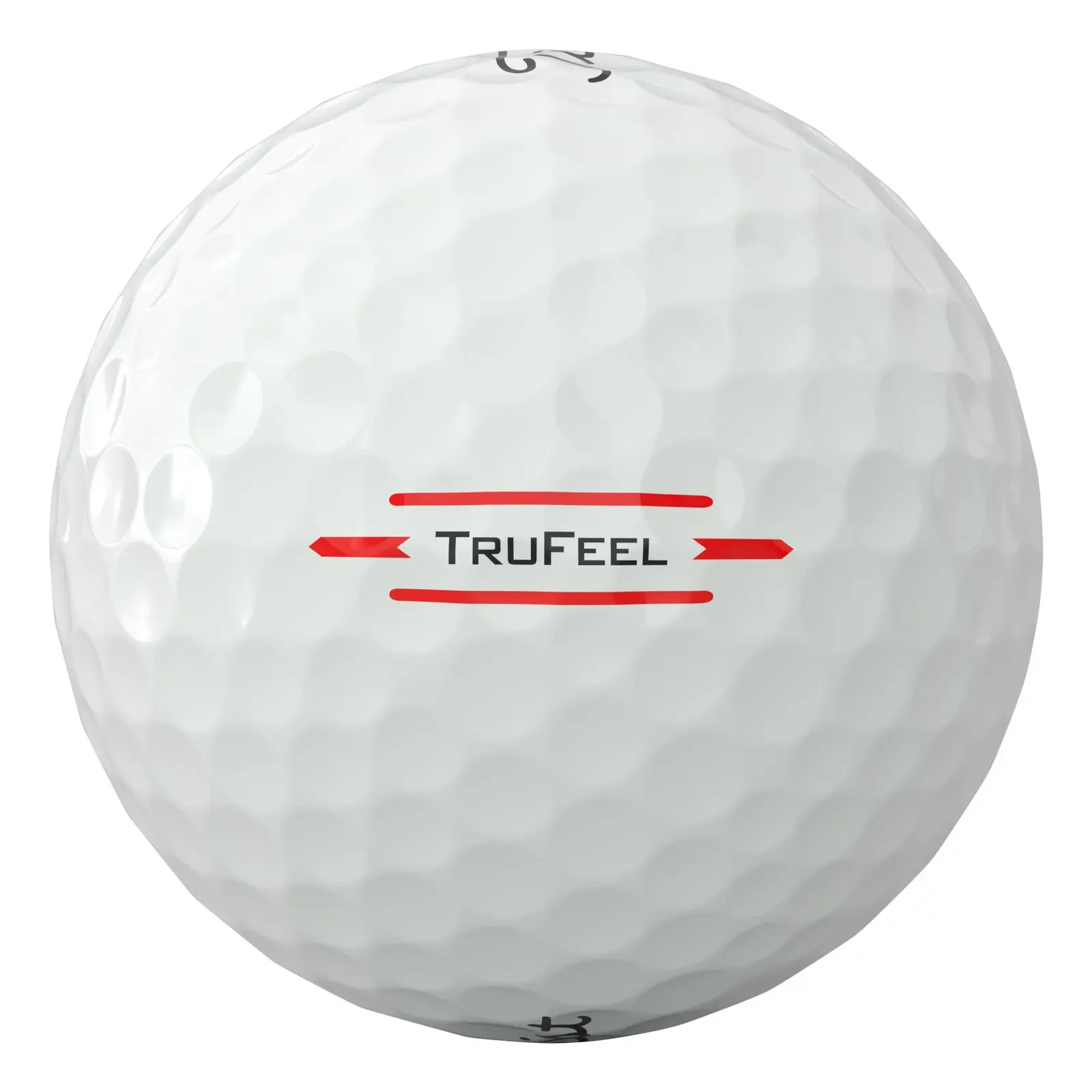 Titleist TruFeel Titleist entry point at $25/dozen. Titleist publishes no compression figure; MyGolfSpy's 2026 ball test gauged it at 70 and Today's Golfer measured 68. Titleist's softest ionomer ball after Tour Soft and Velocity (both 65), and firmer than the ultra-soft marketing implies — noticeably firmer than the Supersoft. | 70 | MyGolfSpy 2026 (measured) | Ionomer | ~$25 | 65–85 mph | Check price |
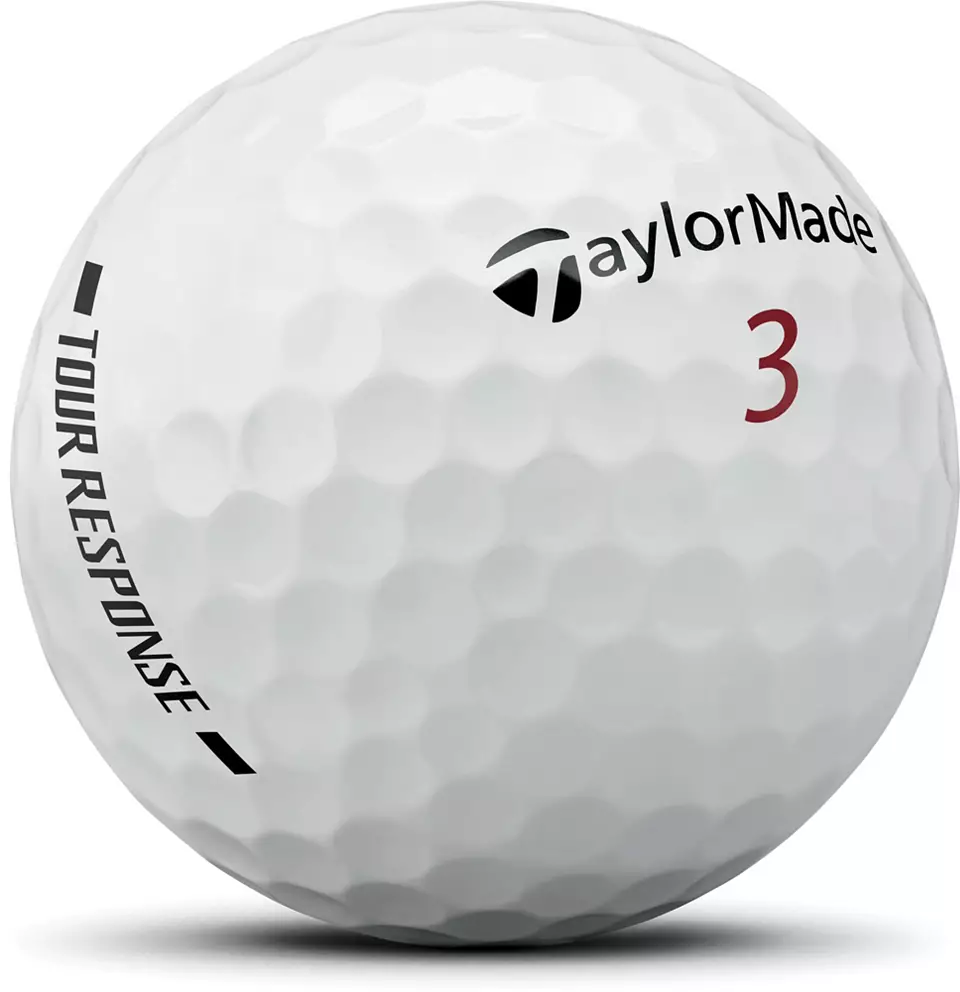 TaylorMade Soft Response Best mid-price option for 70-85 mph swingers who want more greenside spin than a pure distance ball. | 50 | — | Ionomer | ~$25 | 70–85 mph | Check price |
 Bridgestone e12 Contact Unique contact-force dimple creates 38% more surface friction at impact; reduces hooks and slices for mid-handicappers. | 50 | — | Ionomer | ~$30 | 70–90 mph | Check price |
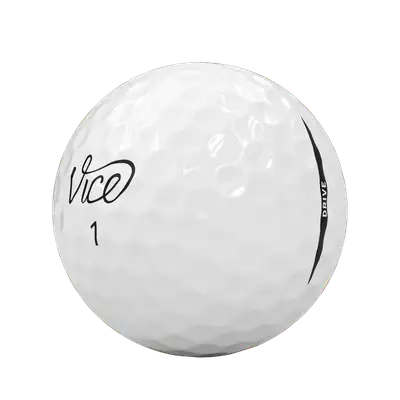 Vice DriveBUDGET PICK At $20/dozen one of the cheapest balls on this chart, and the one to buy when you expect to lose a few. Compression per Vice Golf's published specification. Despite the name it is a firm distance ball, not a soft one — it needs 95 mph or more to compress, so slower swingers should take the Noodle or the Supersoft instead. | 95 | Vice Golf (published) | Ionomer | ~$20 | 95–115 mph | Check price |
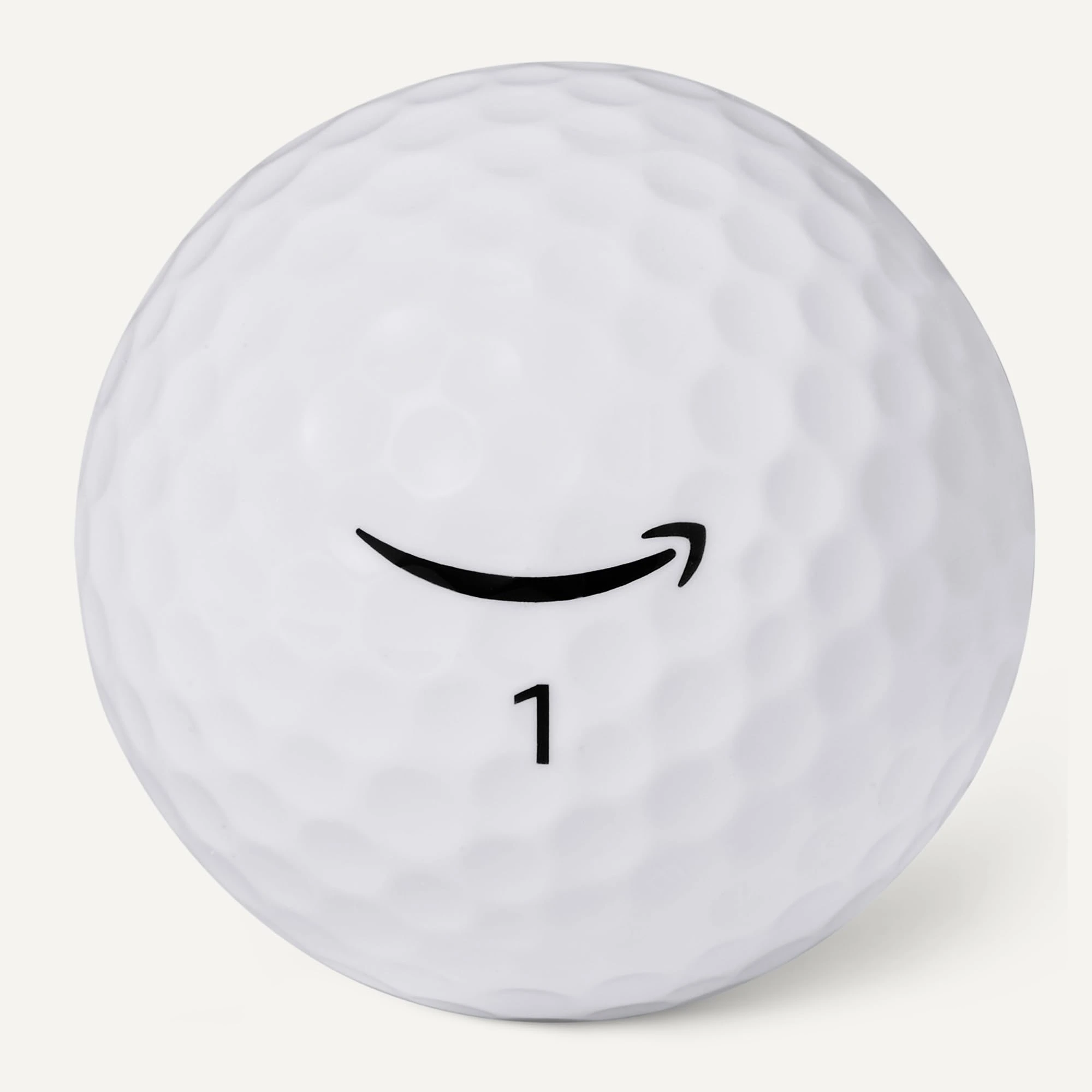 Amazon Basics Core Soft Among the cheapest balls on this chart at about $18 a dozen. Amazon publishes no compression figure; MyGolfSpy ran a dozen through their ball lab and measured an average of 55, putting it among the softest balls sold. Ionomer cover made by SM Global — the same factory as the Kirkland Performance+ and PXG Xtreme, though those are urethane. Low compression means low spin: fine off the tee at slower speeds, short on greenside bite. | 55 | MyGolfSpy Ball Lab (measured) | Ionomer | ~$18 | 70–90 mph | Check price |
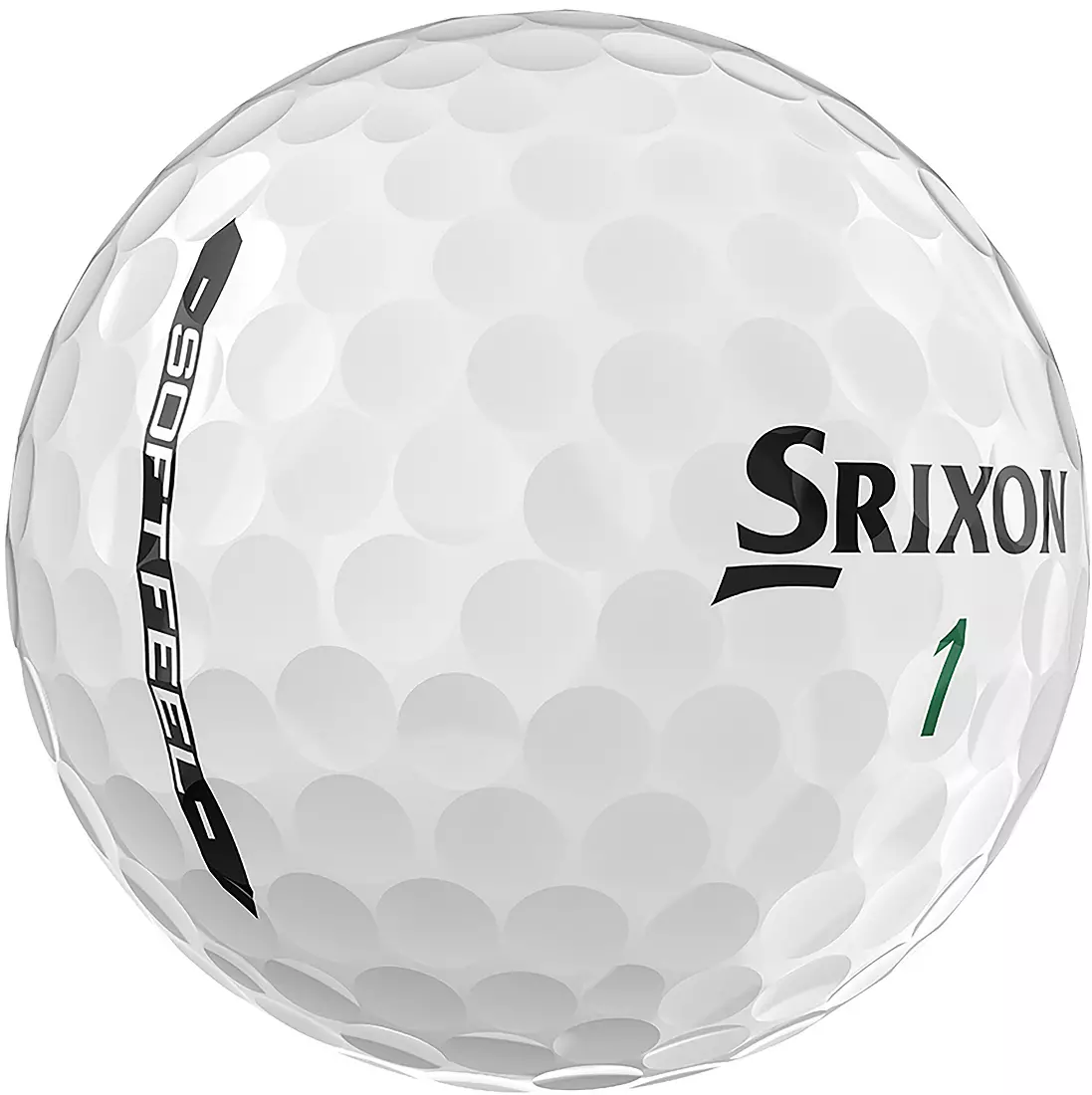 Srixon Soft FeelBEST VALUE Our best-value pick overall — urethane-like greenside feel from an ionomer cover at $25/dozen. | 60 | Srixon (published) | Ionomer | ~$25 | 75–95 mph | Check price |
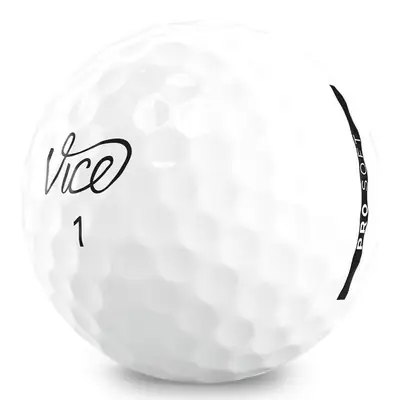 Vice Pro Soft Urethane cover at $35/dozen; the softest urethane ball on this chart at 65 compression, for 80-95 mph swingers who want spin without a firm feel. | 65 | — | Urethane | ~$35 | 80–95 mph | Check price |
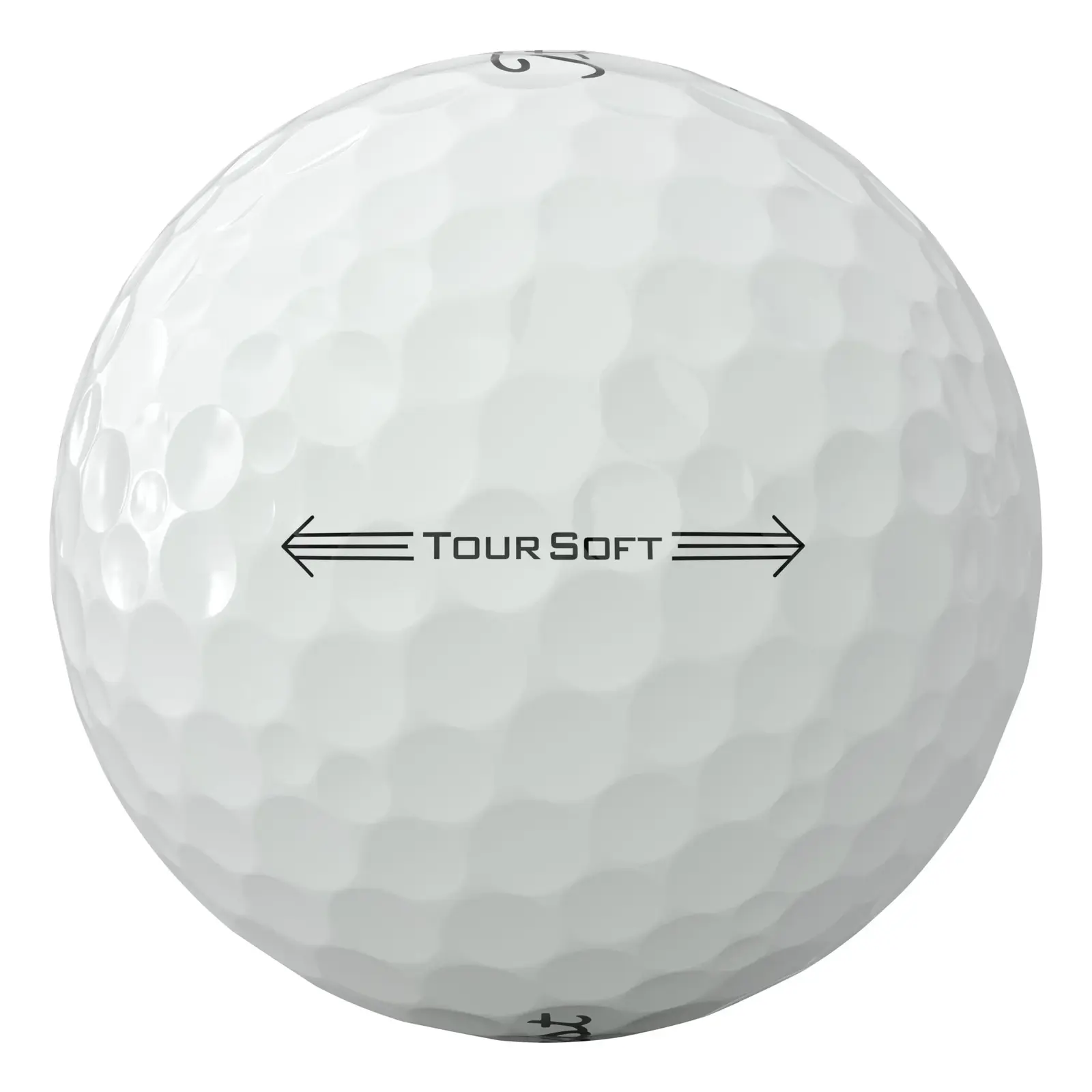 Titleist Tour SoftOUR PICK 85-100mph Bridges the gap between distance balls and tour balls; the Titleist pick for golfers who want brand trust without Pro V1 price. | 65 | — | Ionomer | ~$40 | 80–95 mph | Check price |
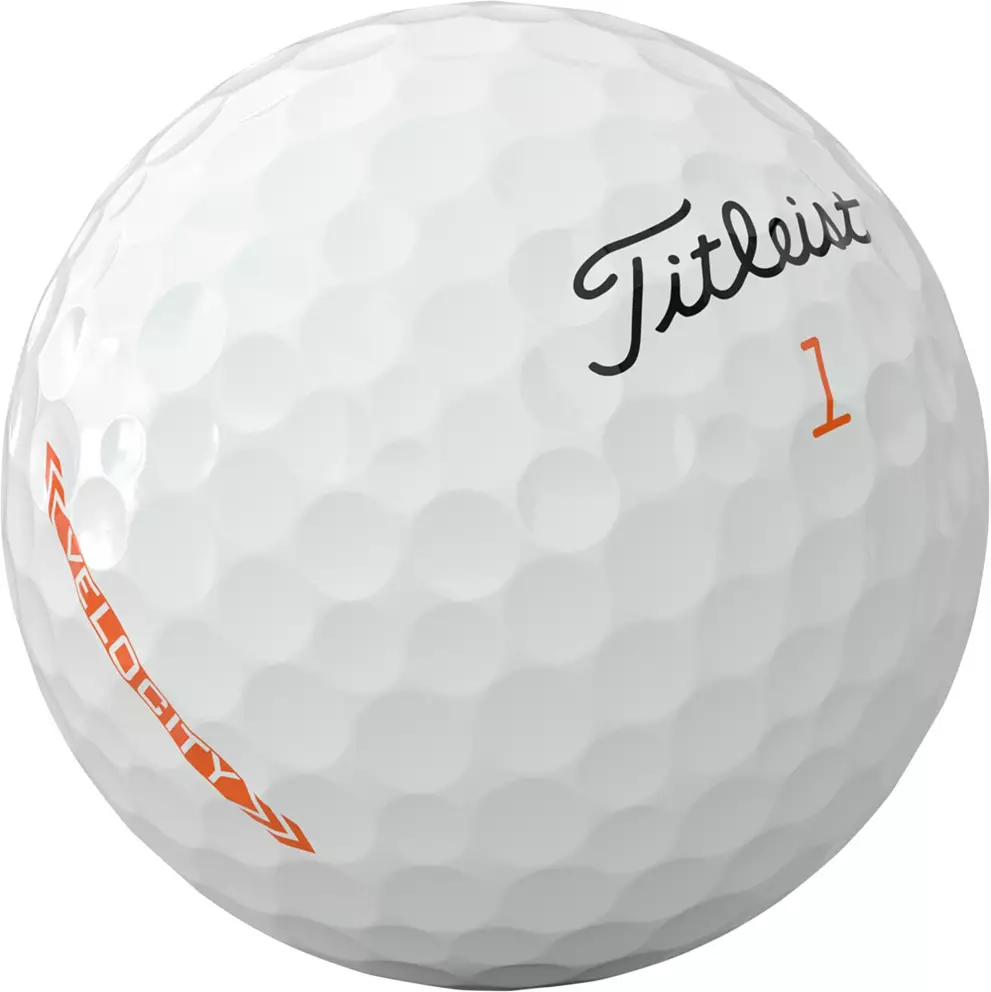 Titleist Velocity Designed purely for distance — highest ball speed in the Titleist lineup but minimal greenside spin. | 65 | — | Ionomer | ~$25 | 85–110 mph | Check price |
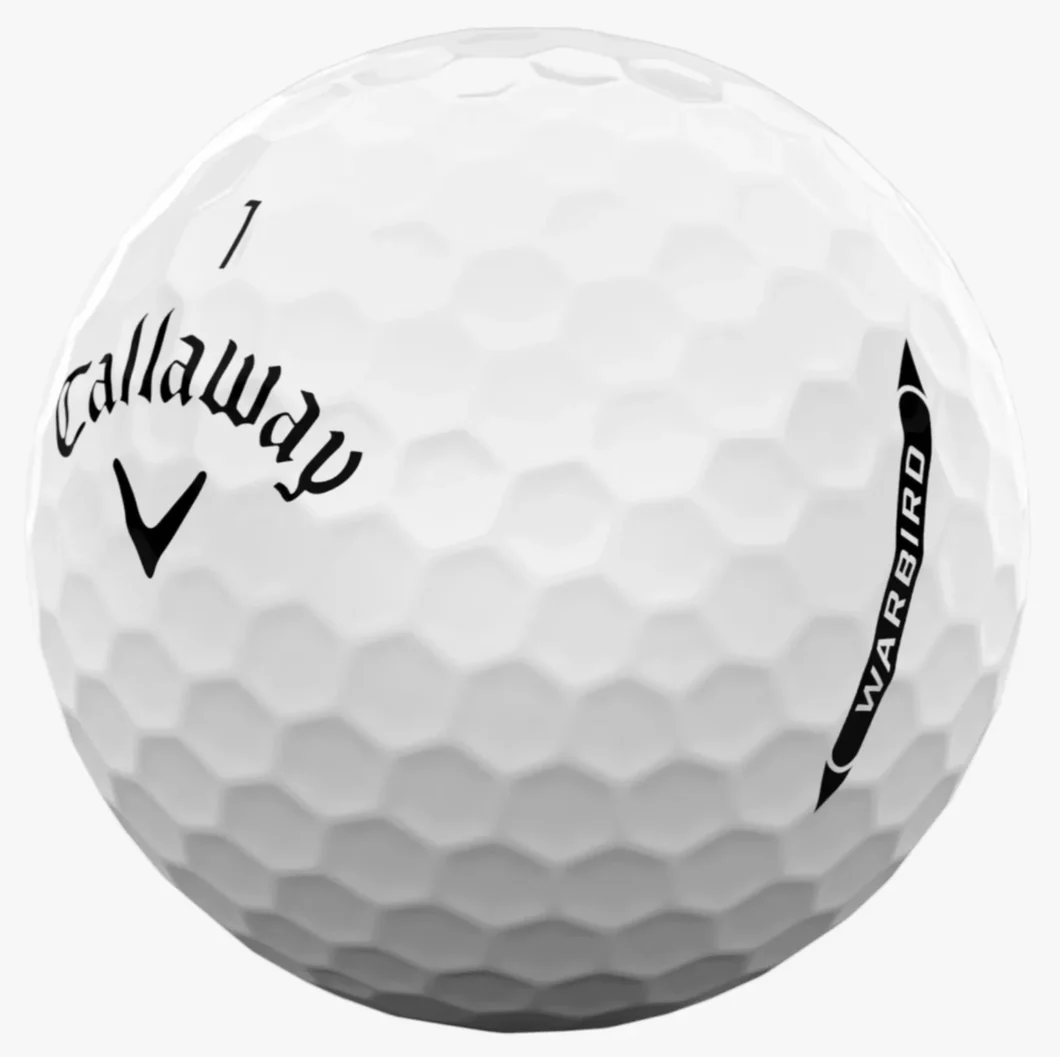 Callaway Warbird High-launch, low-spin design built for golfers who need carry distance more than short-game finesse. | 68 | Callaway (published) | Ionomer | ~$22 | 80–100 mph | Check price |
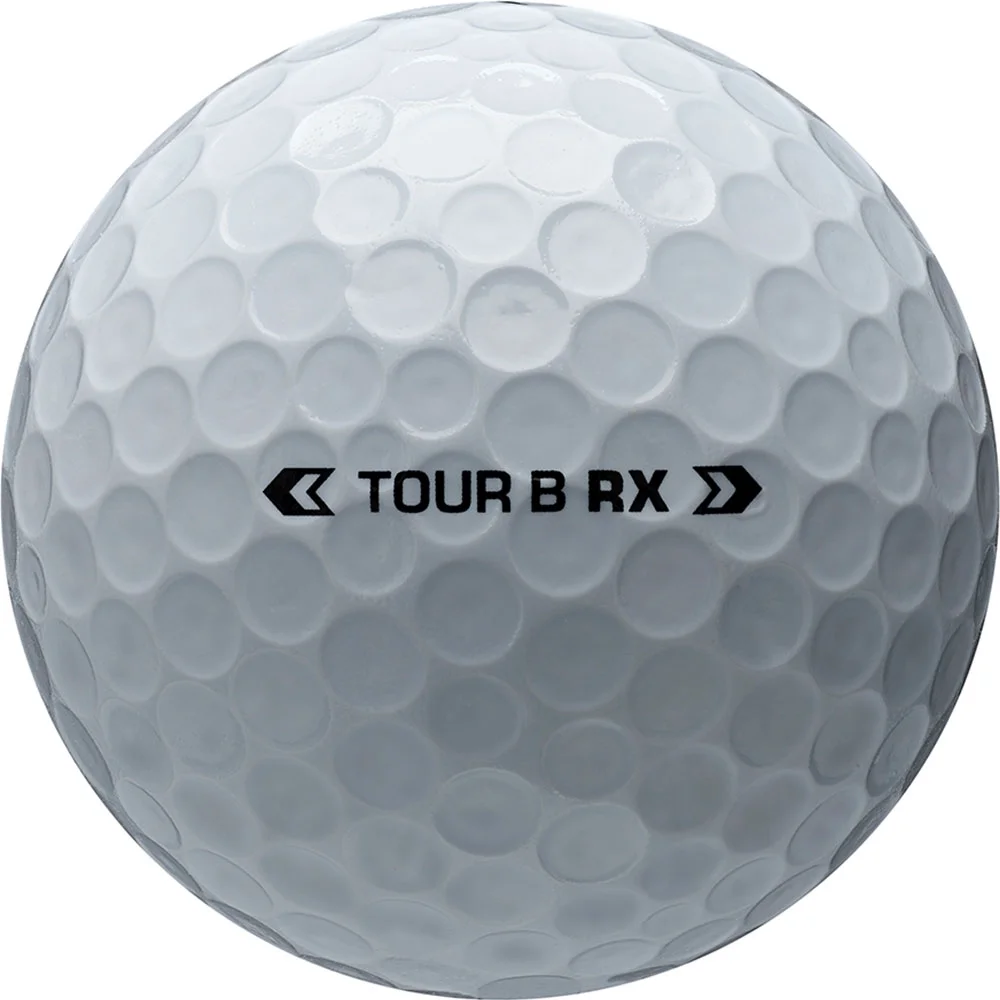 Bridgestone Tour B RX Tour-level urethane at 68 compression — designed specifically for swing speeds of 85-100 mph. Excellent value alternative to Pro V1. | 68 | — | Urethane | ~$40 | 85–100 mph | Check price |
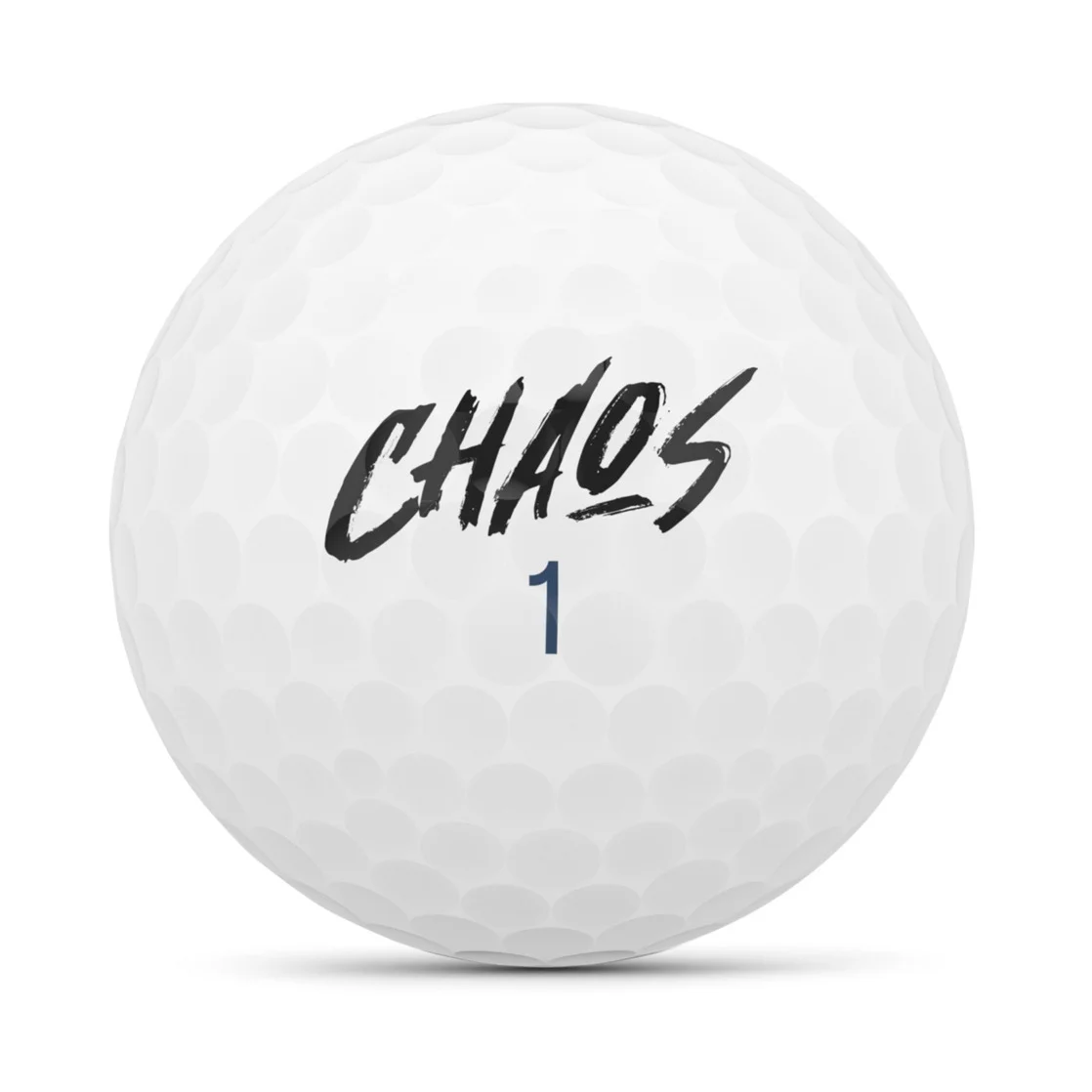 Wilson Chaos Affordable 4-piece construction; more layers than most balls at this price, which adds short-game versatility. | 70 | — | Ionomer | ~$12 | 85–100 mph | Check price |
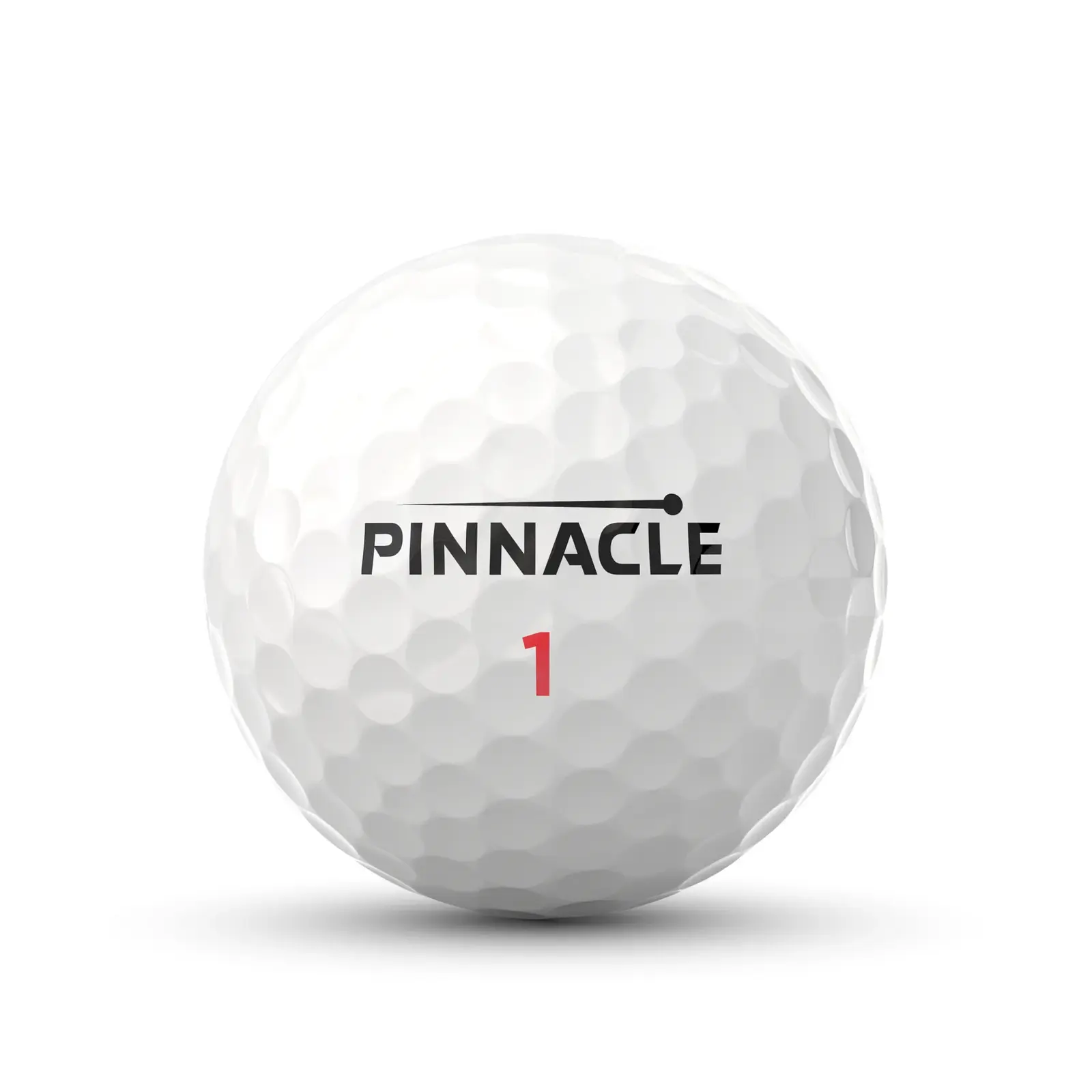 Pinnacle Rush No longer sold new as a dozen — only recycled and personalised Rush balls remain. Compression 72 is the published figure and is kept here for reference. Pinnacle's current new ball is the Distance, sold as a 15-ball pack. It is not charted because no compression figure exists for it that we can attribute: Acushnet publishes none, and the MyGolfSpy measurement people cite for Pinnacle is of the Practice (range) ball, which is a different product. Where a manufacturer publishes nothing we will chart an independent measurement of that exact ball — as with the Kirkland Signature — but no such measurement of the Distance has been published. | 72 | — | Ionomer | ~$22 | 85–105 mph | Discontinued |
 Srixon Q-Star Tour Our top pick for 85-100 mph swingers — urethane cover at $40/dozen with greenside spin that rivals balls costing $18 more. | 74 | Srixon (published) | Urethane | ~$40 | 85–100 mph | Check price |
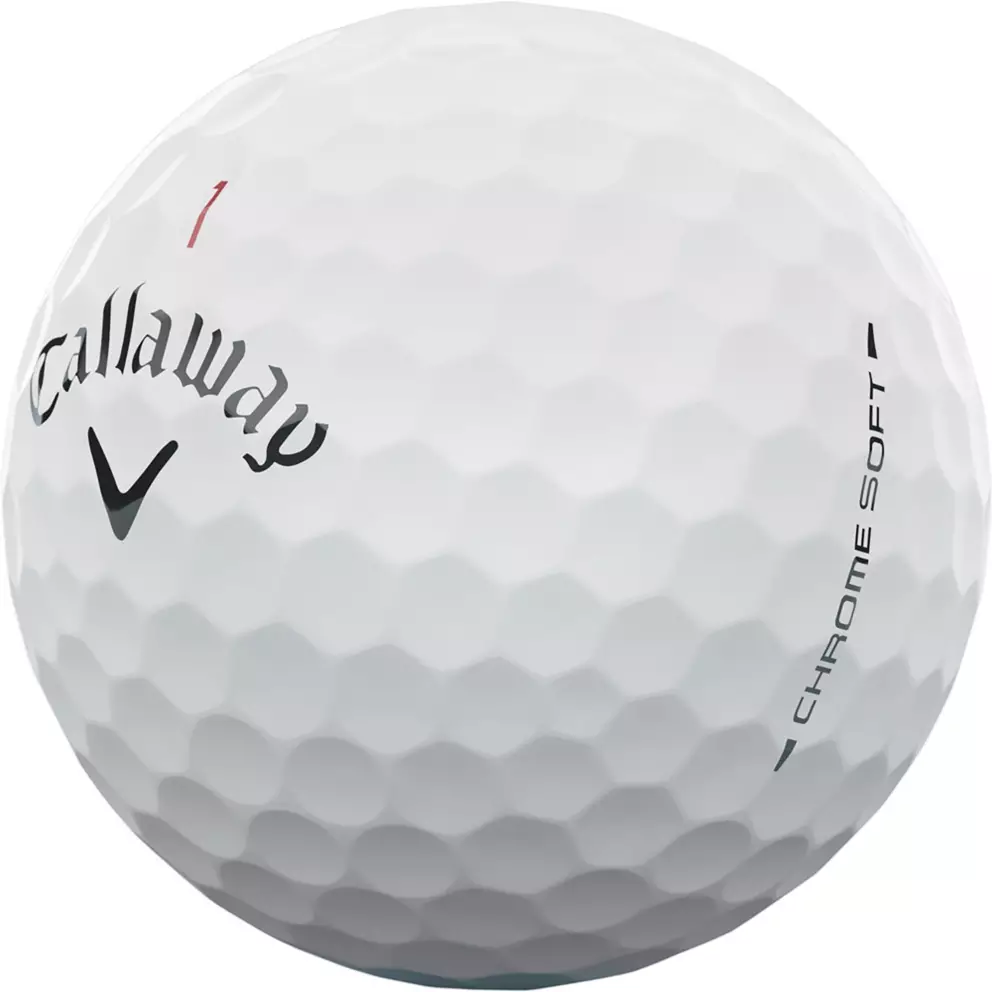 Callaway Chrome Soft Softest tour ball on the market; we played it for 6 rounds and it excels on chips and putts but gives up a few yards off the tee. | 75 | Callaway (published) | Urethane | ~$45 | 88–105 mph | Check price |
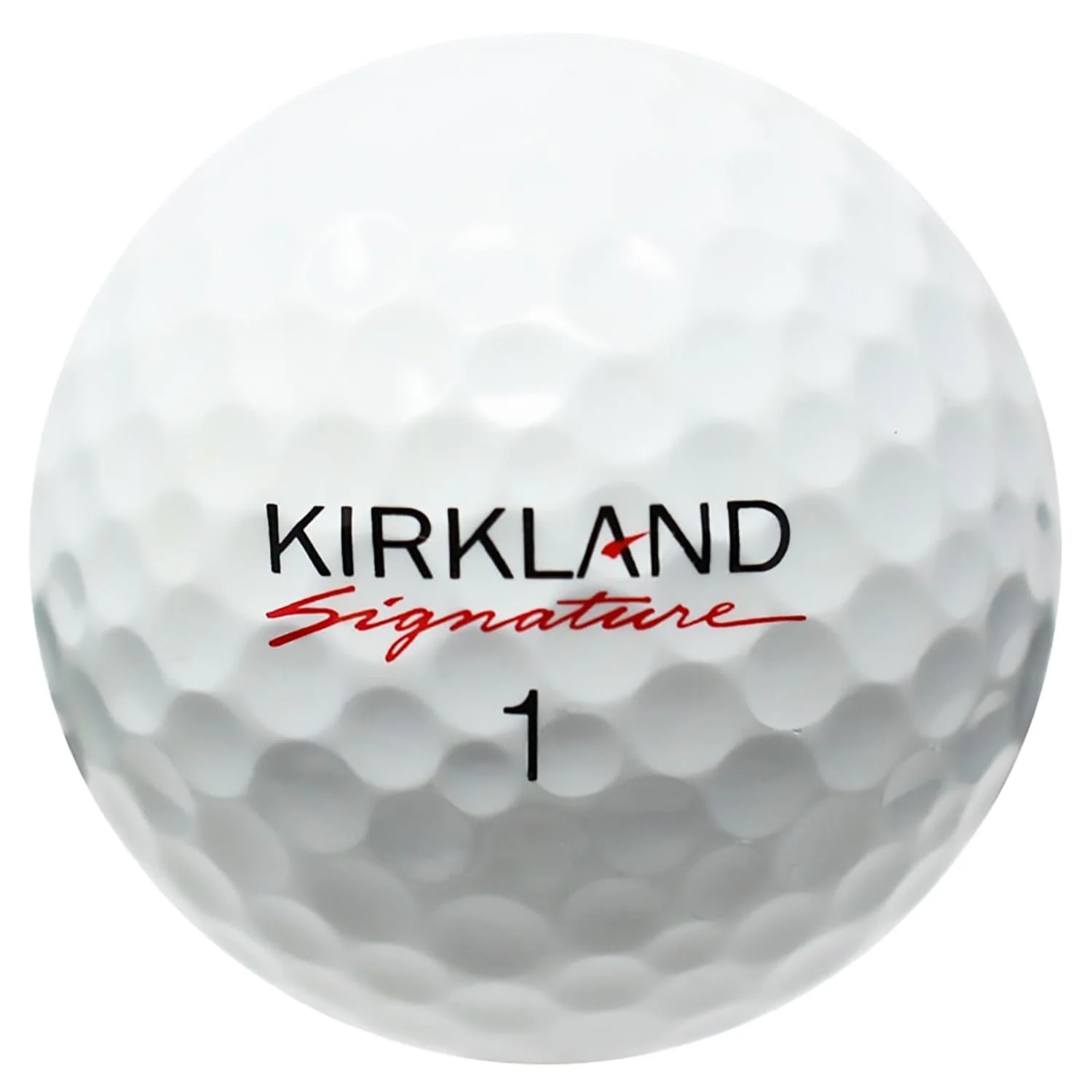 Kirkland SignatureVALUE KING The viral Costco ball — genuine 3-piece urethane at $22/dozen. We tested it against Pro V1 and found 90% of the performance. Costco publishes no compression figure, so this is MyGolfSpy Ball Lab's measured average for the V3 (91 on the yellow sample, 92 on the white). | 92 | MyGolfSpy Ball Lab (measured) | Urethane | ~$22 | 90–110 mph | Check price |
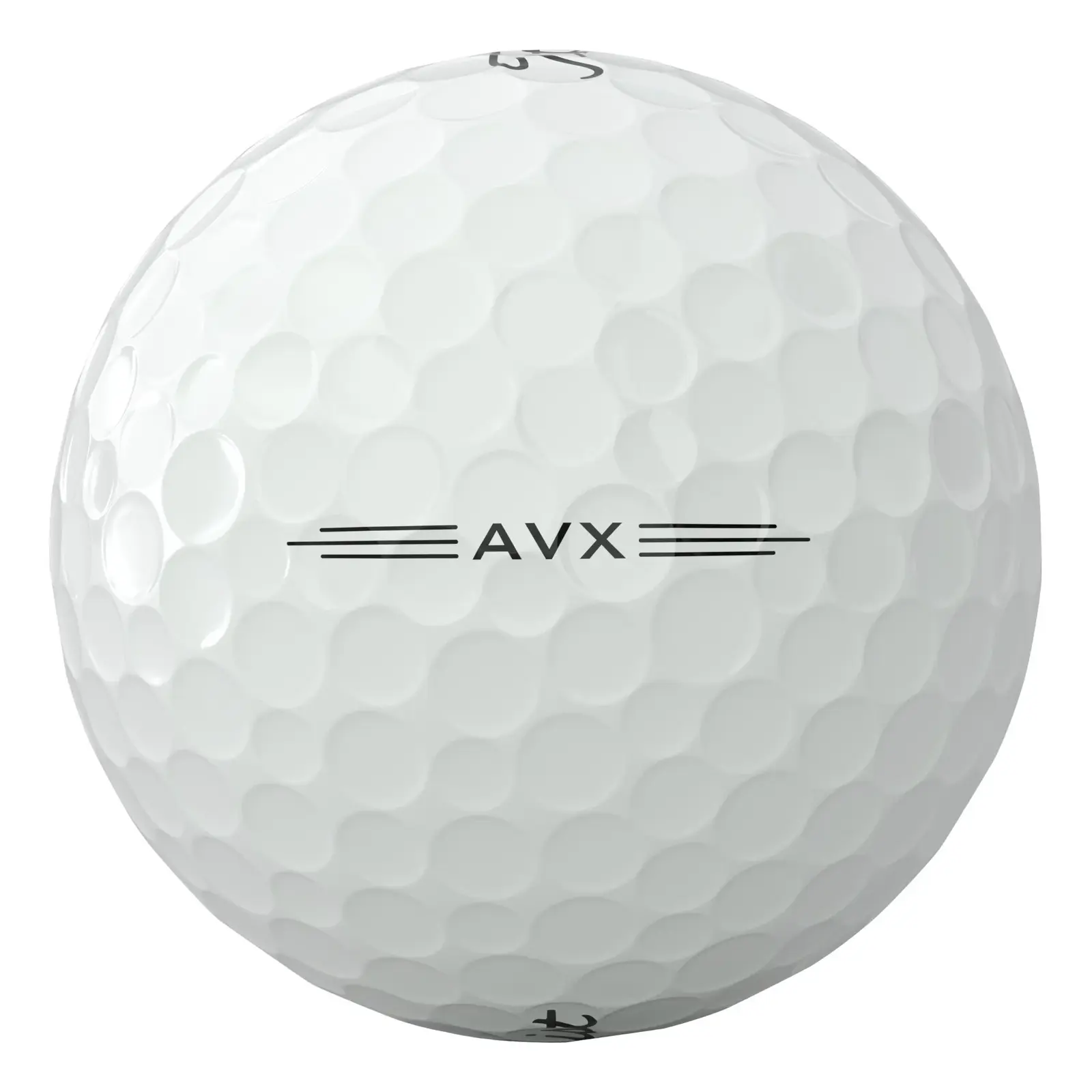 Titleist AVX Low-spin, low-launch alternative to Pro V1 — designed for golfers who already hit the ball too high. | 77 | — | Urethane | ~$45 | 90–110 mph | Check price |
 TaylorMade Tour Response Best value tour ball from a major brand; 100% cast urethane cover at $38/dozen plays like balls at $50. | 77 | — | Urethane | ~$38 | 88–105 mph | Check price |
 Titleist Tour Speed Fastest Titleist ball through the bag; we measured 2-3 mph higher ball speed than Pro V1 but less greenside control. | 78 | — | Urethane | ~$35 | 90–105 mph | Discontinued |
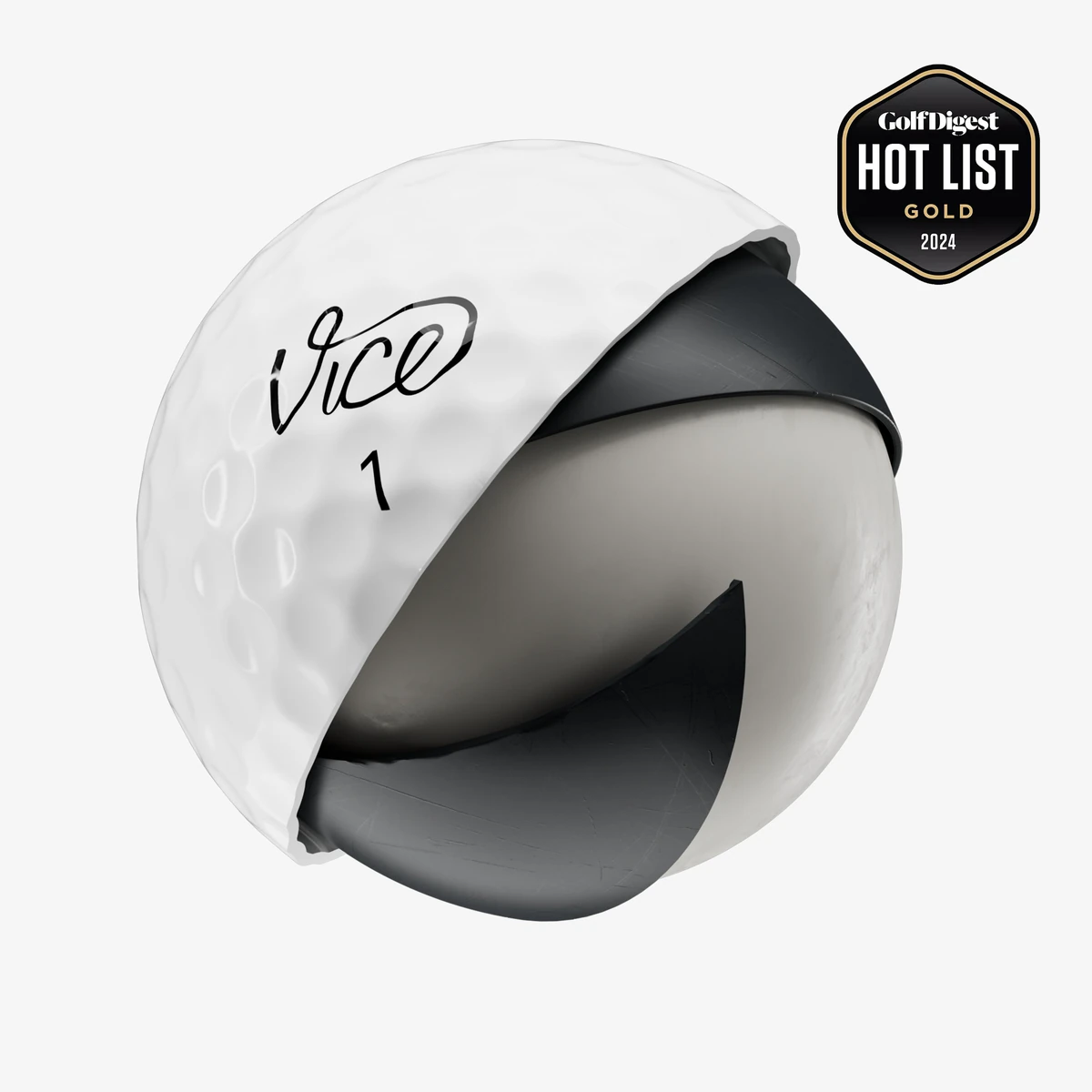 Vice Pro Direct-to-consumer 4-piece urethane at $39/dozen; played 4 rounds and found it competitive with TP5 at about two-thirds of the price. Compression per Vice Golf's published specification. | 90 | Vice Golf (published) | Urethane | ~$39 | 90–110 mph | Check price |
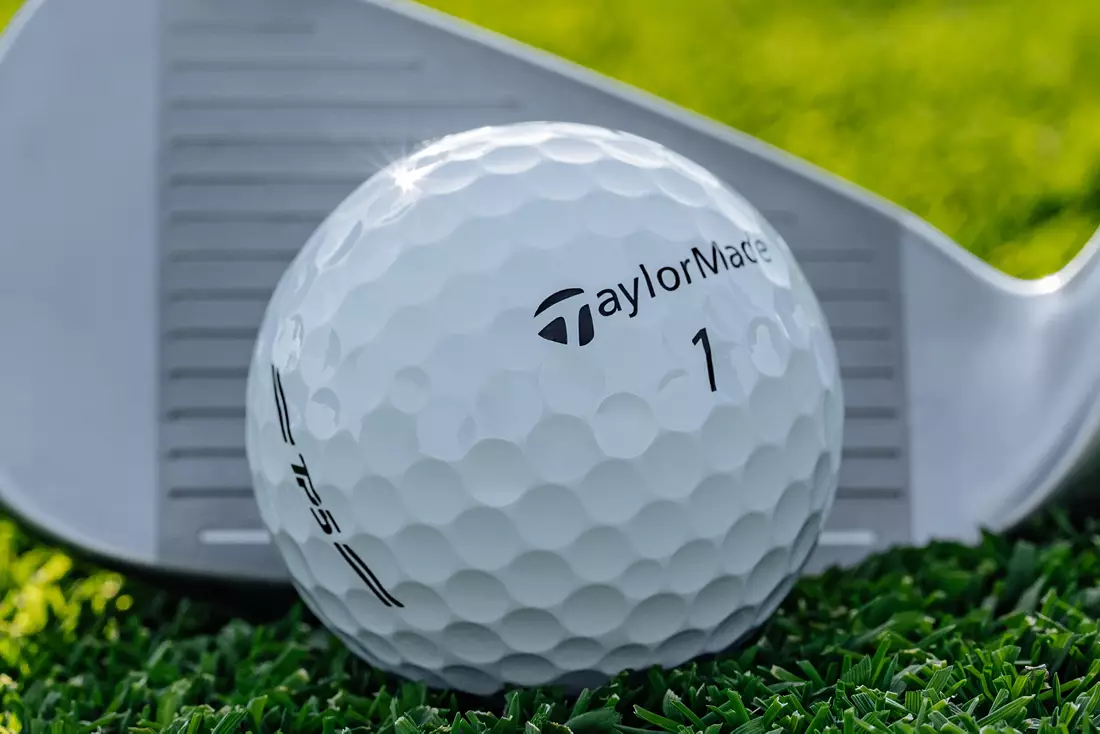 TaylorMade TP5 5-piece construction — the most layers of any ball on this chart. Progressive compression core produces low driver spin and high wedge spin. | 85 | TaylorMade (published) | Urethane | ~$58 | 95–115 mph | Check price |
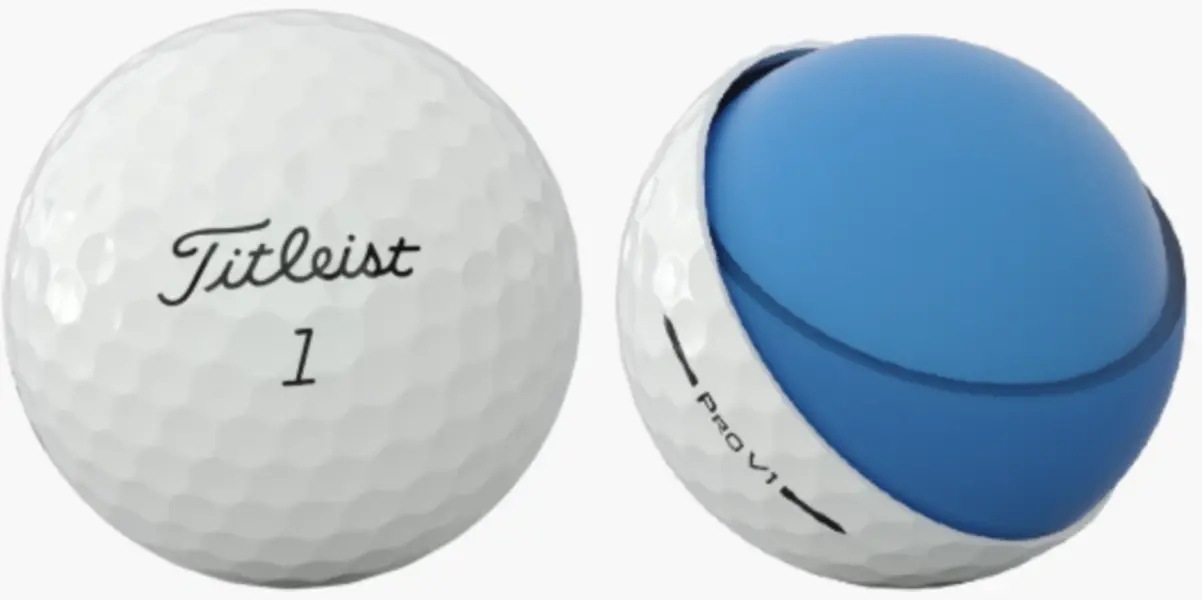 Titleist Pro V1MOST POPULAR The benchmark. 3-piece urethane with the most consistent ball-to-ball performance we have measured. Best greenside spin control in testing. | 87 | — | Urethane | ~$58 | 90–115 mph | Check price |
 Wilson Staff Model Underrated 4-piece urethane at $40/dozen — in blind testing, our group preferred it over the TP5 for feel. | 87 | — | Urethane | ~$40 | 95–115 mph | Check price |
 Srixon Z-Star Spin monster around the greens; 338-dimple pattern produces the most consistent flight in crosswinds we have tested. | 88 | Srixon (published) | Urethane | ~$40 | 90–115 mph | Check price |
 Callaway Chrome Tour The 2026 flagship — replaced Chrome Soft X. Higher compression, more speed, and Callaway claims their most complete ball ever. | 90 | Callaway (published) | Urethane | ~$58 | 95–120 mph | Check price |
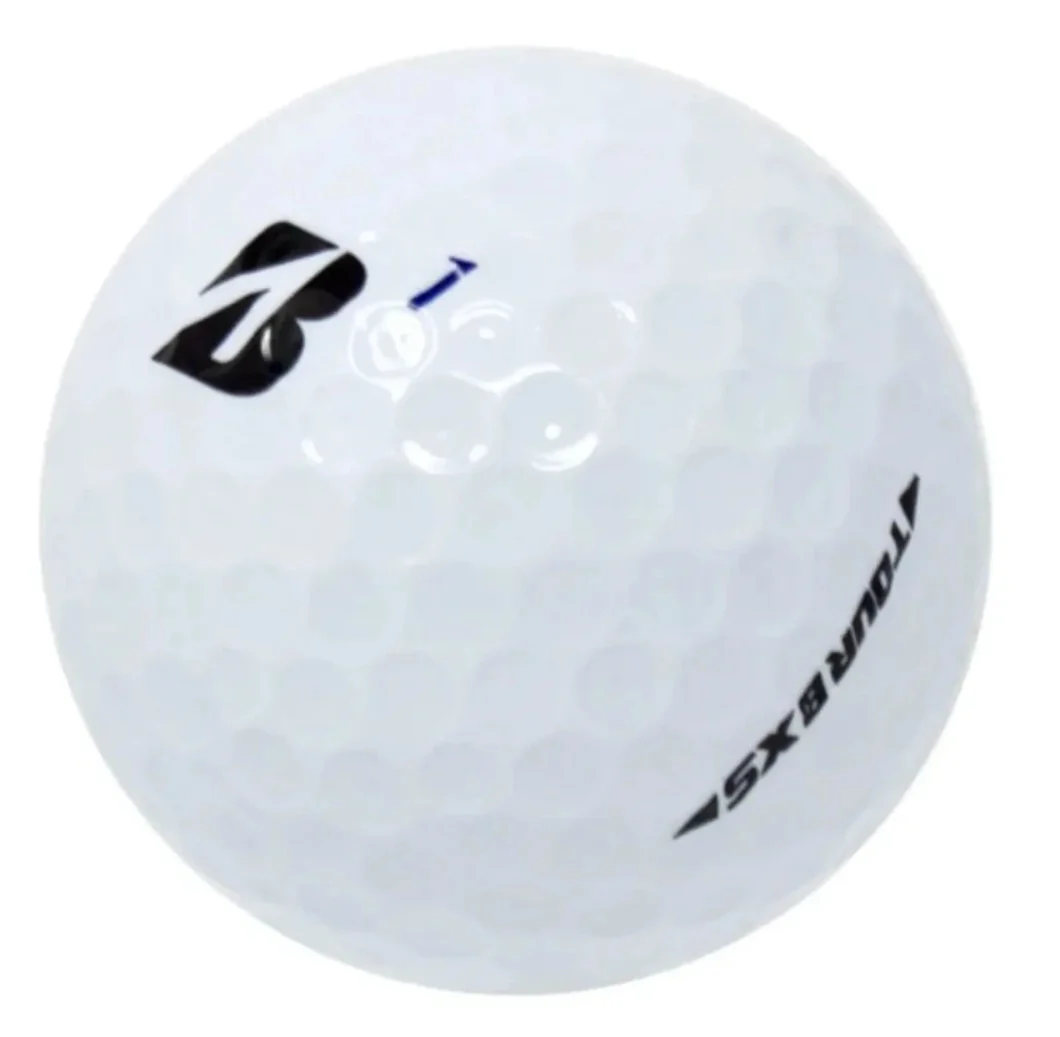 Bridgestone Tour B XS Tiger Woods ball — highest wedge spin in the Bridgestone lineup. Best for golfers who shape shots and work the ball. | 90 | — | Urethane | ~$55 | 95–115 mph | Check price |
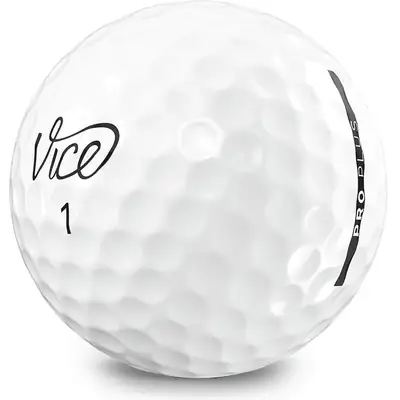 Vice Pro Plus Firmest Vice ball at 100 compression; 4-piece urethane designed for 100+ mph swingers who want low driver spin. Compression per Vice Golf's published specification. | 100 | Vice Golf (published) | Urethane | ~$35 | 100–120 mph | Check price |
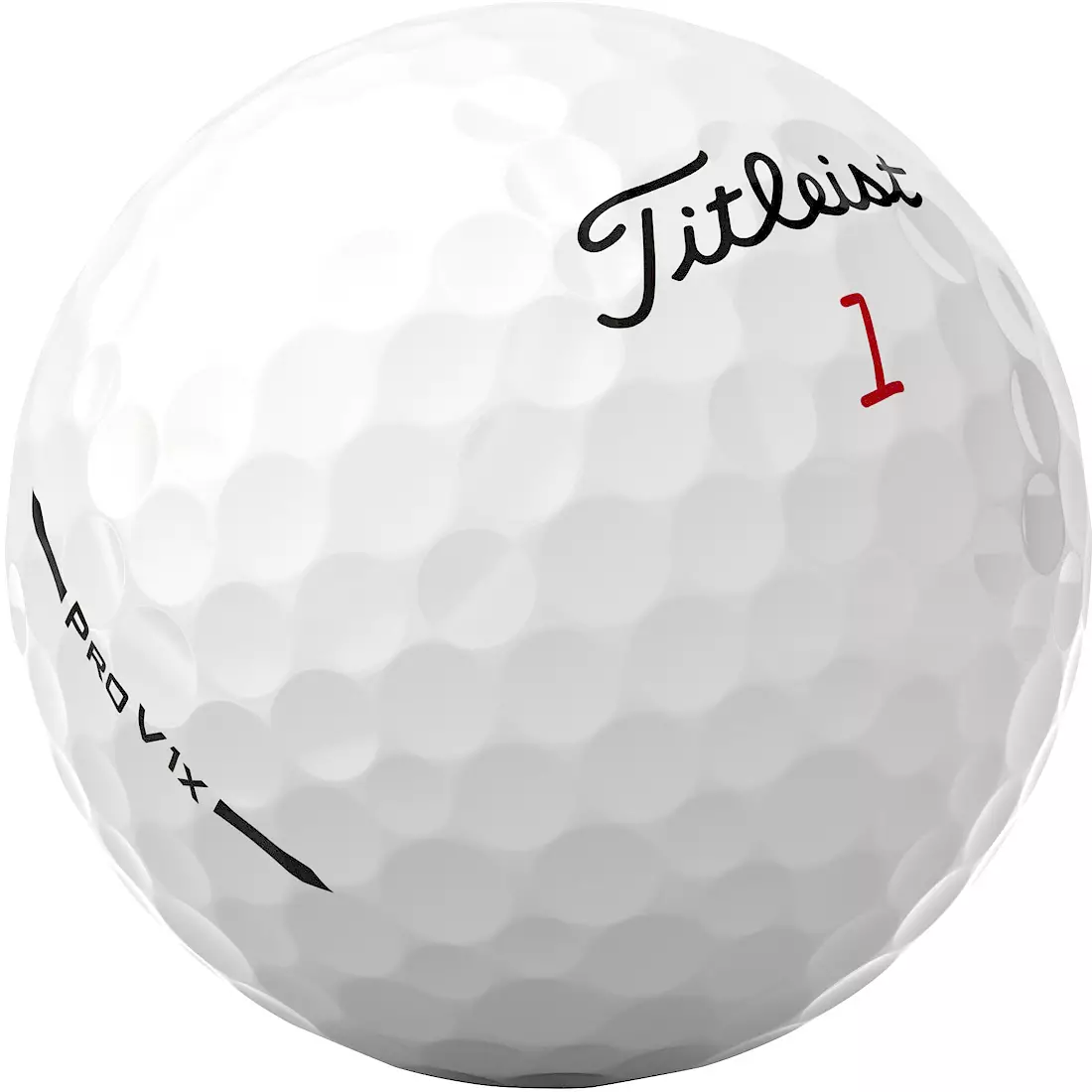 Titleist Pro V1x Higher launch and spin than Pro V1; the choice for golfers who need more carry height and stopping power on approaches. | 97 | — | Urethane | ~$58 | 100–130 mph | Check price |
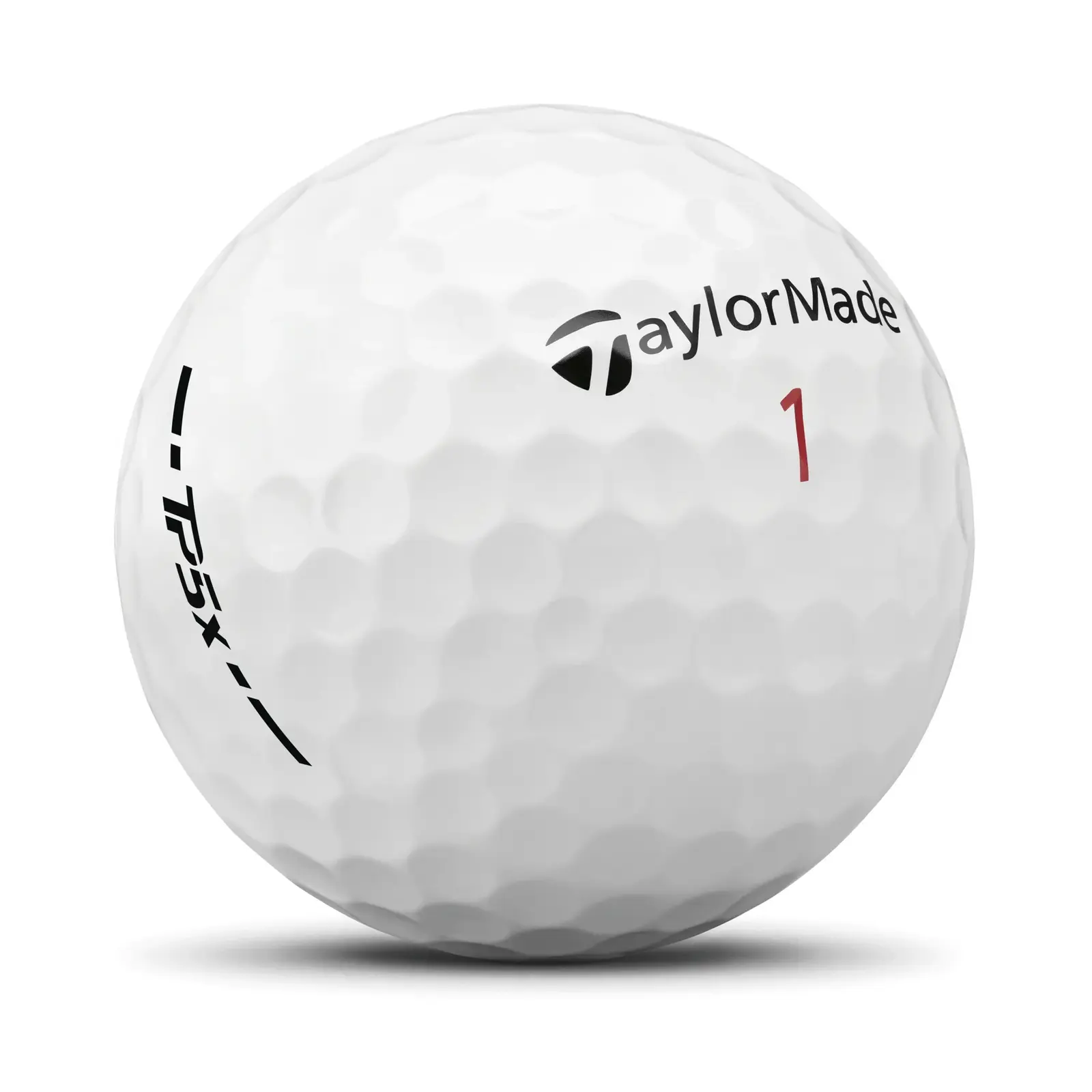 TaylorMade TP5x Firmer version of TP5 — less short-game spin but more ball speed for golfers who prioritize distance over feel. | 97 | TaylorMade (published) | Urethane | ~$45 | 100–130 mph | Check price |
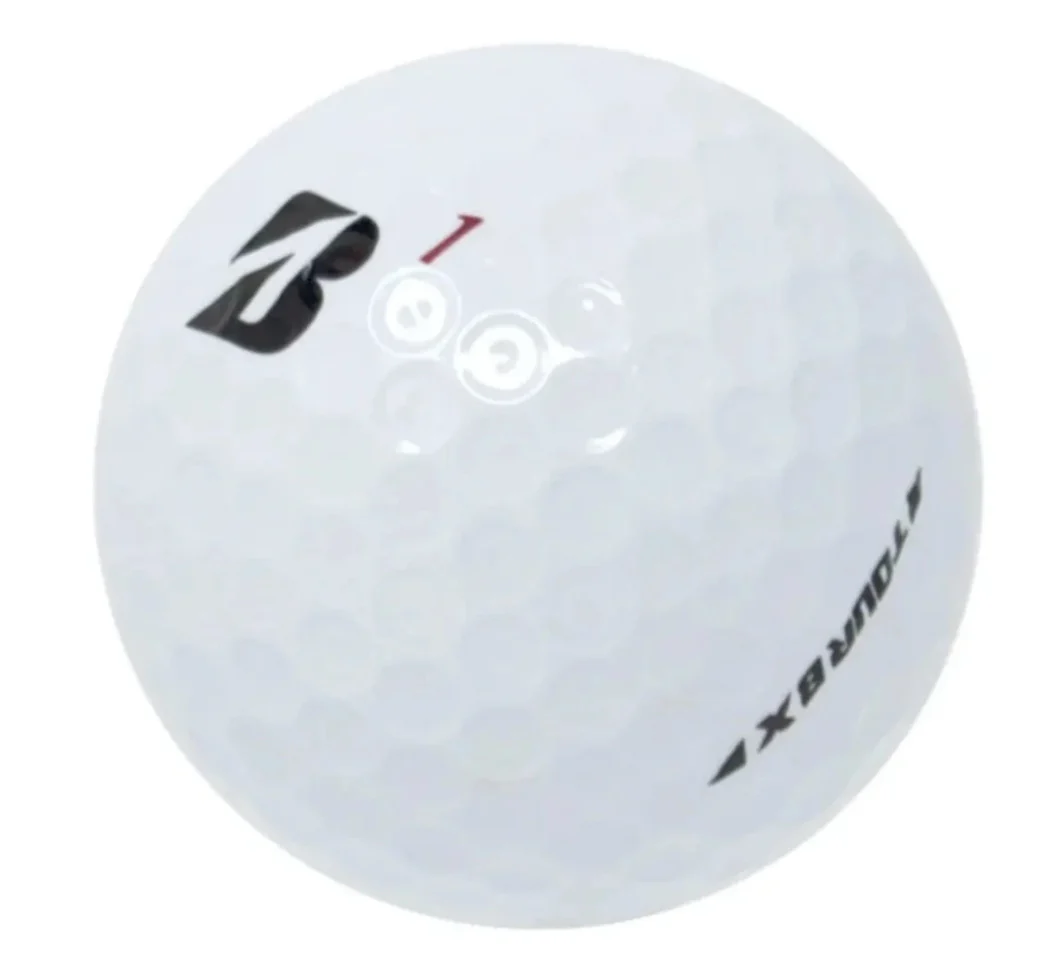 Bridgestone Tour B X The distance-focused Tour B — 100 compression means it only fully compresses above 100 mph. Not for most amateurs. | 100 | Bridgestone (published) | Urethane | ~$55 | 100–130 mph | Check price |
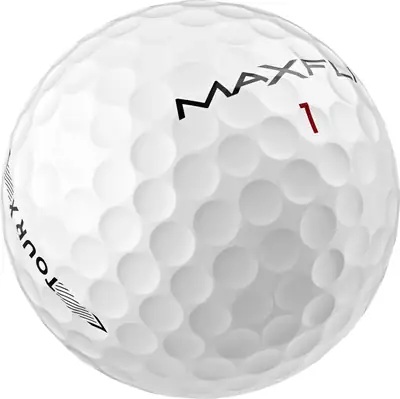 Maxfli Tour X Best value high-compression ball at $35/dozen; Dicks exclusive that competes with Pro V1x at 64% of the price. | 100 | — | Urethane | ~$35 | 105–130 mph | Check price |
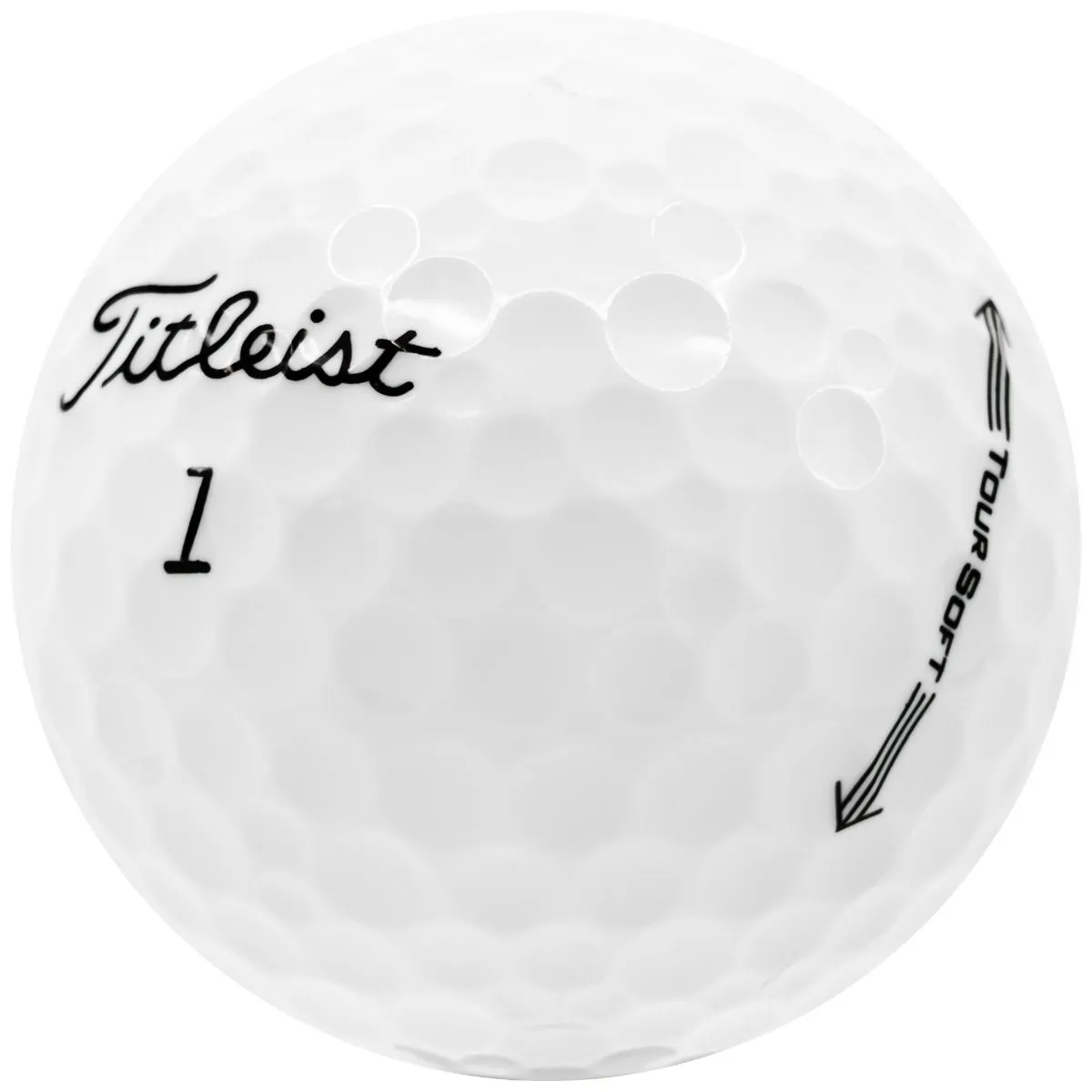 Maxfli Tour S The softest of the three Maxfli Tour balls and the cheapest genuine urethane ball on this chart at $39.99. Maxfli publishes 85 for the current model and that is the figure charted here. MyGolfSpy Ball Lab measured the 2023 Tour S at 82 on its own gauge and gave it a Ball Lab Quality Award, scoring it above the Pro V1 of that year — a different model year and a different gauge, so it is quoted here rather than charted. Made by Foremost in Taiwan for DICK'S Sporting Goods, who pay for extra quality checks. | 85 | Maxfli (published) | Urethane | ~$40 | 85–100 mph | Check price |
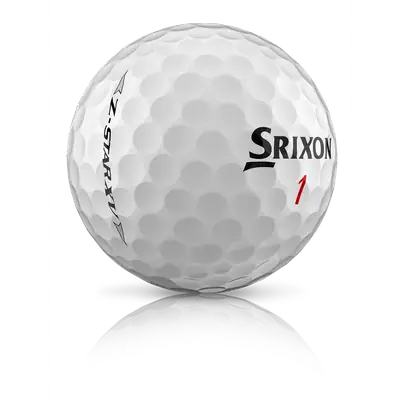 Srixon Z-Star XV Highest compression in our chart at 102; designed for tour-speed swingers who want maximum energy transfer. | 102 | Srixon (published) | Urethane | ~$54 | 105–130 mph | Check price |
Our Top Pick for Each Swing Speed
Based on the compression data above and 20+ rounds of testing per ball, here are the three balls we would actually buy:
Callaway Supersoft
Compression: 38 · Swing speed: Under 85 mph
Maximum distance at moderate speeds. The softest feel in the category with reliable straight flight. Best value under $25/dozen.
💡 $26.97, in stock, 4.8 stars across 6,513 reviews and 10,000+ bought in the past month (checked 1 September 2026). This is the current white Supersoft.
Titleist Tour Soft
Compression: 65 · Swing speed: 85–100 mph
Sweet spot of distance and greenside control. Urethane-like feel at a mid-range price. Our most-recommended ball for weekend golfers.
💡 $39.97 a dozen at Amazon, in stock (checked 17 September 2026).
Titleist Pro V1
Compression: 87 · Swing speed: Over 100 mph
Tour-level spin control and consistency. Worth the premium if your swing speed can compress it — the difference in greenside stopping power is real.
💡 Verified 2026-09-01 on the live page: $57.99, in stock, 622 reviews, 6K+ bought in the past month. Owner-supplied listing, chosen over an equally live alternative because this one carries four times the sales velocity.
Prices are approximate. Links go to Amazon — as an affiliate we earn from qualifying purchases at no extra cost to you.
📋 Found your compression range?
The chart above narrows it to 5-8 balls. Here's how to pick the final one:
Full Ball Rankings →
14 balls tested over 35+ rounds — sorted by swing speed
Pro V1 vs Chrome Soft →
The two most popular premium balls compared head-to-head
Chrome Soft vs Kirkland →
$27 vs $13 — is the Costco ball really as good?
Take the Gear Quiz →
Answer 4 questions, get a personalized ball recommendation
How we built this chart: All 36 balls independently purchased. Compression data sourced from manufacturer specs and verified against independent testing. Recommendations based on 35+ rounds of testing at swing speeds from 75-108 mph. Full methodology →
What Is Golf Ball Compression and Why It Matters
Golf ball compression is a number (typically 30-110) that measures how much the ball deforms at impact. A low-compression ball (35-65) squishes more easily, which means slower swing speeds can fully compress it and transfer maximum energy. A high-compression ball (85-102) resists deformation, which means faster swingers get more energy return — but slower swingers literally cannot compress it enough to get the same benefit.
Think of it like a trampoline: a soft trampoline (low compression) gives a big bounce even with a gentle jump. A stiff competition trampoline (high compression) gives a bigger bounce — but only if you jump hard enough to flex it. Jump gently on a stiff trampoline and you barely bounce. That is exactly what happens when a 75 mph swinger plays a 100-compression ball.
Compression is measured by applying a specific load to the ball and measuring deformation in millimeters. There is no universal standard — Titleist, Callaway, and Bridgestone each use slightly different methods. The numbers on our chart are normalized to be comparable across brands, based on independent testing data and published specifications.
How to Find Your Swing Speed
Measure With a Launch Monitor
The most accurate method. Budget options like the Shot Scope LM1 ($199, no subscription) display your club speed on a built-in screen. Most golf stores also offer free swing speed checks — ask at your local Golf Galaxy or PGA Tour Superstore.
Estimate from Your 7-Iron Carry Distance
If you don't have a launch monitor, your 7-iron carry distance is a reliable proxy. Use the "I don't know my speed" button in the calculator above, or reference this table:
| 7-Iron Carry | ≈ Driver Speed | Compression Range |
|---|---|---|
| ~110 yards | ~72 mph | 35–55 |
| ~130 yards | ~82 mph | 50–70 |
| ~150 yards | ~92 mph | 65–85 |
| ~170 yards | ~102 mph | 80–95 |
| ~190 yards | ~110+ mph | 90–102 |
Best Golf Balls for Swing Speed Under 85 mph
If your driver speed is under 85 mph, you need compression between 35-65. Higher-compression balls will feel like hitting a rock and fly shorter. These are the balls that actually compress at your speed:
Best for Seniors (Under 75 mph)
The Callaway Supersoft (38 compression, $27/dz) is the best ball for swing speeds under 75 mph. It compresses fully even at very slow speeds, maximizing distance. The Wilson DUO Soft+ (40, $25/dz) is the budget alternative. See our full best balls for seniors guide.
Best Budget Options Under $30/dozen
The TaylorMade Noodle at $19/dozen is the cheapest of these, and it is rated up to 75 mph — which is the point: the chart has cheaper balls, but they need more clubhead speed than you have. The Wilson DUO Soft+ ($25/dz) and Callaway Supersoft ($27/dz) round out the set. All three have ionomer covers — durable, consistent, and no greenside spin to speak of.
Best Golf Balls for Swing Speed 85–100 mph
This is where most weekend golfers land — and where the most options exist. Compression 65-90 is your range. The key decision: ionomer cover (cheaper, less spin) or urethane cover (more spin around greens, premium price).
Our top picks: Kirkland Signature ($22/dz, urethane, 92 compression) for value, Srixon Q-Star Tour ($40/dz, urethane, 74) for the best balance, and Callaway Chrome Soft ($45/dz, urethane, 75) for premium performance. See our full 85-100 mph guide.
Best Golf Balls for Swing Speed Over 100 mph
Above 100 mph, you can compress any ball on the market. The choice becomes about spin, feel, and control rather than distance. Compression 85-102 is your range.
The Titleist Pro V1 ($58/dz, 87 compression) remains the gold standard — consistent flight, excellent greenside spin, and the ball every tour player trusts. The TaylorMade TP5 ($58/dz, 85) and Srixon Z-Star ($40/dz, 88) are the best alternatives. Budget pick: Vice Pro ($39/dz, urethane, 90 compression).
Golf Ball Compression Chart by Brand
Shopping one brand? Here is the compression of every Titleist, Callaway, TaylorMade, Srixon, Bridgestone, Vice, and Kirkland golf ball from the chart above, split out by brand and ranked softest to firmest.
Titleist Golf Ball Compression Chart
Full Titleist compression chart →
Titleist's 7 balls on this chart run from 65 compression (Titleist Tour Soft, the softest) up to 97 (Titleist Pro V1x, the firmest), priced $25–$58/dozen. Ranked softest to firmest:
| Ball | Compression | Cover | Price/dz | Speed Range | Buy |
|---|---|---|---|---|---|
| Titleist Tour Soft | 65 | Ionomer | ~$40 | 80–95 mph | Check price |
| Titleist Velocity | 65 | Ionomer | ~$25 | 85–110 mph | Check price |
| Titleist TruFeel | 70 | Ionomer | ~$25 | 65–85 mph | Check price |
| Titleist AVX | 77 | Urethane | ~$45 | 90–110 mph | Check price |
| Titleist Tour Speed | 78 | Urethane | ~$35 | 90–105 mph | Discontinued |
| Titleist Pro V1 | 87 | Urethane | ~$58 | 90–115 mph | Check price |
| Titleist Pro V1x | 97 | Urethane | ~$58 | 100–130 mph | Check price |
Titleist runs the longest lineup on this chart — 7 balls spanning 65 to 97 compression, more models than any other brand here. It splits in two by cover, and the split is not by price: 3 ionomer-covered balls from $25 to $40, and 4 urethane-covered balls from $35 to $58. The cover matters more than the compression number, because urethane is what generates greenside spin. An ionomer ball will not check on a pitch no matter how soft it feels off the putter face.
Which one to play. The cheapest way into Titleist urethane you can actually buy today is the AVX at 77 compression and $45 a dozen — $13 less than a Pro V1 and 10 compression points softer. Below 90 mph that gap is worth very little. The Pro V1 at 87 and Pro V1x at 97 cost the same $58, so the only real question between them is whether you swing over 100 mph: the V1x is rated 100–130 mph and will feel firm below that.
Worth knowing. One thing the table hides: Tour Soft and Velocity are both 65 compression, and they are not interchangeable. Tour Soft is rated 80–95 mph and built for feel. Velocity is rated 85–110 mph and built for distance. Same compression number, opposite intent — so shopping on compression alone will pick the wrong one about half the time. For head-to-head data see Pro V1 vs Chrome Soft and Pro V1 vs Kirkland Signature.
Callaway Golf Ball Compression Chart
Full Callaway compression chart →
Callaway's 4 balls on this chart run from 38 compression (Callaway Supersoft, the softest) up to 90 (Callaway Chrome Tour, the firmest), priced $22–$58/dozen. Ranked softest to firmest:
| Ball | Compression | Cover | Price/dz | Speed Range | Buy |
|---|---|---|---|---|---|
| Callaway Supersoft | 38 | Ionomer | ~$27 | 0–80 mph | Check price |
| Callaway Warbird | 68 | Ionomer | ~$22 | 80–100 mph | Check price |
| Callaway Chrome Soft | 75 | Urethane | ~$45 | 88–105 mph | Check price |
| Callaway Chrome Tour | 90 | Urethane | ~$58 | 95–120 mph | Check price |
Callaway runs one of the shorter ladders here — 4 balls from 38 to 90 compression. What stands out is the gap. There is nothing at all between the Supersoft at 38 and the Warbird at 68, a 30-point hole — the widest inside any brand's lineup on this chart, matched only by Wilson. If you want something moderately soft rather than very soft, Callaway does not currently make it.
Which one to play. The Supersoft at 38 is the second-softest ball on this chart — only the TaylorMade Noodle at 34 goes lower. At $27 a dozen it is the ball we recommend most often below 85 mph. Above that, Chrome Soft at 75 and $45 is where Callaway's urethane begins. Chrome Tour at 90 and $58 is a genuine tour ball and is largely wasted below about 95 mph.
Worth knowing. Warbird at 68 compression and $22 is the cheapest ball Callaway makes, but it is ionomer-covered and built for distance rather than control. It is a good ball to lose in the water. It is not the ball to attack a tucked pin with.
TaylorMade Golf Ball Compression Chart
Full TaylorMade compression chart →
TaylorMade's 5 balls on this chart run from 34 compression (TaylorMade Noodle, the softest) up to 97 (TaylorMade TP5x, the firmest), priced $19–$58/dozen. Ranked softest to firmest:
| Ball | Compression | Cover | Price/dz | Speed Range | Buy |
|---|---|---|---|---|---|
| TaylorMade Noodle | 34 | Ionomer | ~$19 | 0–75 mph | Check price |
| TaylorMade Soft Response | 50 | Ionomer | ~$25 | 70–85 mph | Check price |
| TaylorMade Tour Response | 77 | Urethane | ~$38 | 88–105 mph | Check price |
| TaylorMade TP5 | 85 | Urethane | ~$58 | 95–115 mph | Check price |
| TaylorMade TP5x | 97 | Urethane | ~$45 | 100–130 mph | Check price |
TaylorMade covers the widest compression range on this chart — 34 to 97, and it fills it evenly: 34, 50, 77, 85, 97, with no hole wider than 27 points. It also owns one extreme outright: the Noodle at 34 compression is the softest ball on this entire chart, softer than anything Titleist, Callaway, Srixon or Bridgestone currently offers.
Which one to play. Tour Response at 77 compression and $38 is the value pick and where we point most mid-handicappers. It is urethane-covered, so it spins on short shots, and it is $20 cheaper than the TP5 above it. The odd one is the pair above: TP5x is the firmer ball at 97 yet it is $13 cheaper than the 85-compression TP5 ($45 against $58), so pick on speed rather than price: TP5 is rated 95–115 mph, TP5x 100–130 mph.
Worth knowing. Noodle at $19 is among the cheapest balls on this chart, and at 34 compression it feels soft to almost anyone. But it is rated for swing speeds under 75 mph. Played at 95 mph you are compressing it well past its design range, which costs both distance and control — soft feel and correct fit are not the same thing.
Srixon Golf Ball Compression Chart
Full Srixon compression chart →
Srixon's 4 balls on this chart run from 60 compression (Srixon Soft Feel, the softest) up to 102 (Srixon Z-Star XV, the firmest), priced $25–$54/dozen. Ranked softest to firmest:
| Ball | Compression | Cover | Price/dz | Speed Range | Buy |
|---|---|---|---|---|---|
| Srixon Soft Feel | 60 | Ionomer | ~$25 | 75–95 mph | Check price |
| Srixon Q-Star Tour | 74 | Urethane | ~$40 | 85–100 mph | Check price |
| Srixon Z-Star | 88 | Urethane | ~$40 | 90–115 mph | Check price |
| Srixon Z-Star XV | 102 | Urethane | ~$54 | 105–130 mph | Check price |
Srixon's 4 balls run 60 to 102 compression, and the top end is the firmest of any brand here — the Z-Star XV at 102 is the firmest ball on this entire chart. The more interesting model, though, sits lower down the price list.
Which one to play. Q-Star Tour at 74 compression and $40 is the softest urethane ball Srixon makes, and one of only 3 urethane balls on this chart under 75 compression. The cheapest in-stock urethane the other big brands offer: Callaway $45, Bridgestone $40 and Titleist $45. Bridgestone matches it, so call it joint-cheapest rather than unbeaten — but for an 85–100 mph swing that wants greenside spin without tour-ball pricing it is still the value play. We link the two-tone Divide version, because the plain white listing went out of stock indefinitely. Above it, Z-Star at 88 is $40 — $18 less than a Pro V1 — and Z-Star XV at 102 is $54.
Worth knowing. The step to watch is Soft Feel at 60 to Q-Star Tour at 74. That is where Srixon changes cover material from ionomer to urethane, and it costs $15 a dozen. If you are choosing between those two and you play any shots inside 50 yards, the spin cover is worth it.
Bridgestone Golf Ball Compression Chart
Full Bridgestone compression chart →
Bridgestone's 4 balls on this chart run from 50 compression (Bridgestone e12 Contact, the softest) up to 100 (Bridgestone Tour B X, the firmest), priced $30–$55/dozen. Ranked softest to firmest:
| Ball | Compression | Cover | Price/dz | Speed Range | Buy |
|---|---|---|---|---|---|
| Bridgestone e12 Contact | 50 | Ionomer | ~$30 | 70–90 mph | Check price |
| Bridgestone Tour B RX | 68 | Urethane | ~$40 | 85–100 mph | Check price |
| Bridgestone Tour B XS | 90 | Urethane | ~$55 | 95–115 mph | Check price |
| Bridgestone Tour B X | 100 | Urethane | ~$55 | 100–130 mph | Check price |
Bridgestone commits to urethane earlier than most — 3 of its 4 balls carry a spin cover, and the Tour B RX does it at just 68 compression. It is one of 4 brands here whose second-softest ball is already urethane (Vice, Srixon and Maxfli are the others), and the Tour B RX is one of only 3 urethane balls on this chart under 75 compression. That matters because the cover, not the compression number, is what makes a ball check on a pitch.
Which one to play. That makes Tour B RX the pick for a lot of golfers — 68 compression, $40, rated 85–100 mph. It is one of the few ways on this chart to get a genuinely soft-compression ball with a urethane cover from a major manufacturer. Above it, Tour B XS at 90 and Tour B X at 100 are both $55 and both aimed at 95 mph and up, with the XS the softer and spinnier of the pair.
Worth knowing. e12 Contact at 50 compression is Bridgestone's only ionomer ball here and its cheapest at $30, rated 70–90 mph, and its dimple pattern is genuinely different from a standard design. It is the budget entry in a lineup that otherwise starts at $40 and tops out at $55 — expensive next to most brands on this chart.
Vice Golf Ball Compression Chart
Vice's 4 balls on this chart run from 65 compression (Vice Pro Soft, the softest) up to 100 (Vice Pro Plus, the firmest), priced $20–$39/dozen. Ranked softest to firmest:
| Ball | Compression | Cover | Price/dz | Speed Range | Buy |
|---|---|---|---|---|---|
| Vice Pro Soft | 65 | Urethane | ~$35 | 80–95 mph | Check price |
| Vice Pro | 90 | Urethane | ~$39 | 90–110 mph | Check price |
| Vice Drive | 95 | Ionomer | ~$20 | 95–115 mph | Check price |
| Vice Pro Plus | 100 | Urethane | ~$35 | 100–120 mph | Check price |
Vice sells direct to consumers rather than through pro shops, and the pricing on this chart reflects that. 3 of its balls carry a urethane cover and 1 is ionomer, yet its urethane models sit from $35 to $39 — well below the traditional tour-ball prices.
Which one to play. Pro Soft at 65 compression and $35 is the softest urethane ball on this chart — 10 compression points below Callaway's Chrome Soft at $45 and 22 below a Pro V1 at $58. At 80–95 mph that combination of a soft core and a spin cover is unusual; most balls this soft use ionomer. Pro at 90 and $39 covers 90–110 mph; Pro Plus at 100 and $35 is the 100–120 mph option.
Worth knowing. Drive at $20 is the cheapest ball Vice makes — the chart's outright cheapest is the Wilson Chaos at $12. Vice publishes it at 95 compression, so despite the name it is a firm distance-and-durability ball, not a soft one and not a scoring ball. The step up to Pro Soft costs $15 and buys a urethane cover, which is what lets a ball check on a pitch. For the full budget field see our best golf balls under $30.
Kirkland Golf Ball Compression Chart
Kirkland's entry on this chart is the Kirkland Signature at 92 compression (~$22/dozen).
| Ball | Compression | Cover | Price/dz | Speed Range | Buy |
|---|---|---|---|---|---|
| Kirkland Signature | 92 | Urethane | ~$22 | 90–110 mph | Check price |
Frequently Asked Questions
Why do golf ball compression charts disagree with each other?
Does Titleist publish golf ball compression ratings?
Which golf ball compression numbers are measured and which are published by the manufacturer?
What golf ball compression should I use?
Does golf ball compression affect distance?
What is the compression of a Titleist Pro V1?
What compression is a Callaway Supersoft?
What is a good compression for a senior golfer?
Is higher or lower compression better?
What compression are Kirkland golf balls?
What compression is a TaylorMade TP5?
What compression is a Callaway Chrome Soft?
How do I know what compression golf ball to use based on swing speed?
What is the softest Titleist golf ball?
What is the cheapest Titleist ball with a urethane cover?
What is the cheapest urethane golf ball?
Which TaylorMade ball should I play at 90 mph?
Which Bridgestone golf ball has the lowest compression?
What is the firmest golf ball?
What is the difference between the Titleist Tour Soft and Velocity?
Does temperature affect golf ball compression?
Skip the Chart — Pick by What You Need
If you would rather not read 34 rows, these guides each narrow the field to one situation: under 85 mph, 90–95 mph, seniors and over 60, maximum distance, under $30 a dozen, or the full ranking in best golf balls 2026.
Compression Chart by Brand — Quick Summary
Here is every ball on our chart grouped by manufacturer. This helps if you already play a brand and want to find the right compression within their lineup.
Titleist · 7 balls
The lineup spans the full compression range. See our Pro V1 vs Chrome Soft comparison for the head-to-head data. Most weekend golfers should play the Tour Soft or AVX — the Pro V1 is overkill below 90 mph.
Callaway · 4 balls
The Supersoft-to-Chrome Soft jump is the biggest compression gap in any brand — there is no Callaway ball between 38 and 68.
TaylorMade · 5 balls
The Tour Response at $35 is the best value in the TaylorMade lineup.
Srixon · 4 balls
The Q-Star Tour is the standout — a urethane cover at $40, and the softest urethane Srixon makes, for 85-100 mph swingers. Srixon raised the published figure from 72 to 74 with the 2026 reworked FastLayer core.
Bridgestone · 4 balls
The e12 Contact unique dimple design genuinely reduces slices for mid-handicappers.
Maxfli · 2 balls
DICK'S Sporting Goods' own brand, made by Foremost in Taiwan. The Tour S is the cheapest genuine urethane ball on this chart at $39.99, and it is the only ball we chart between 78 and 87.
All 36 Balls Ranked Low to High Compression
The complete ranking from softest to firmest. Use this as a quick reference — the interactive filter above gives personalized recommendations, but this list shows the full spectrum at a glance.
Does Temperature Affect Golf Ball Compression?
Yes — and it matters more than most golfers realize. Cold temperatures make the ball core stiffer, effectively increasing compression by 5-10 points. A Callaway Chrome Soft rated at 75 compression will play more like an 83-85 in 40°F weather. That is enough to move you out of your optimal compression bracket.
The practical fix: drop one compression tier in cold weather. If you normally play a 75-compression ball (like Chrome Soft or the Titleist AVX), switch to a 60-65 ball (Srixon Soft Feel, Vice Pro Soft) when temperatures drop below 50°F. You will maintain the same feel and distance because the cold-stiffened lower-compression ball behaves like your normal ball at room temperature.
In summer heat above 90°F, balls soften slightly — but the effect is smaller (2-3 points). Most golfers do not need to adjust upward in warm weather unless they are already at the bottom of their compression bracket.