In this guide 7 sections
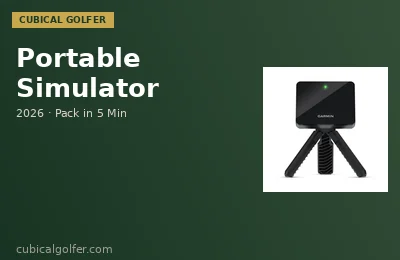
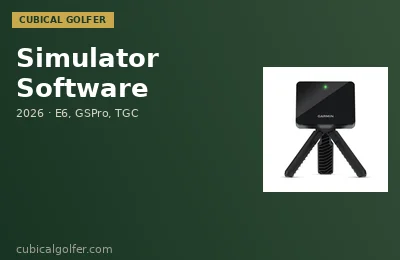
Minimum practical dimensions: 10ft deep x 8ft wide x 8ft tall for radar monitors with irons. Full driver simulator: 12ft x 10ft x 9ft. Measure your lowest ceiling point before buying anything. Our top pick: the Garmin Approach R10 (~$490).
Our #1 Pick: ~$490 at Amazon — Check Today's Price ↗Read the full guide below for all 3 products tested.
Every simulator purchase starts with one question: will it fit in my room? We measured the actual space requirements for every monitor type, hitting configuration, and budget tier so you can check your dimensions before spending a dollar.
📋 Update Log — last updated 2026-05-17 ▼
| Buy | ||||
|---|---|---|---|---|
| Radar + Net (basic) BEST PICK | Smallest rooms | ~$787 | 8x8x10 ft | ~$490 → |
| Camera + Net | Mid-size rooms | ~$896 | 9x9x12 ft | ~$599 → |
| Full Simulator | Dedicated room | ~$1,195 | 9x10x15 ft | ~$1,195 → |
Minimum Dimensions at a Glance
STRONG PICK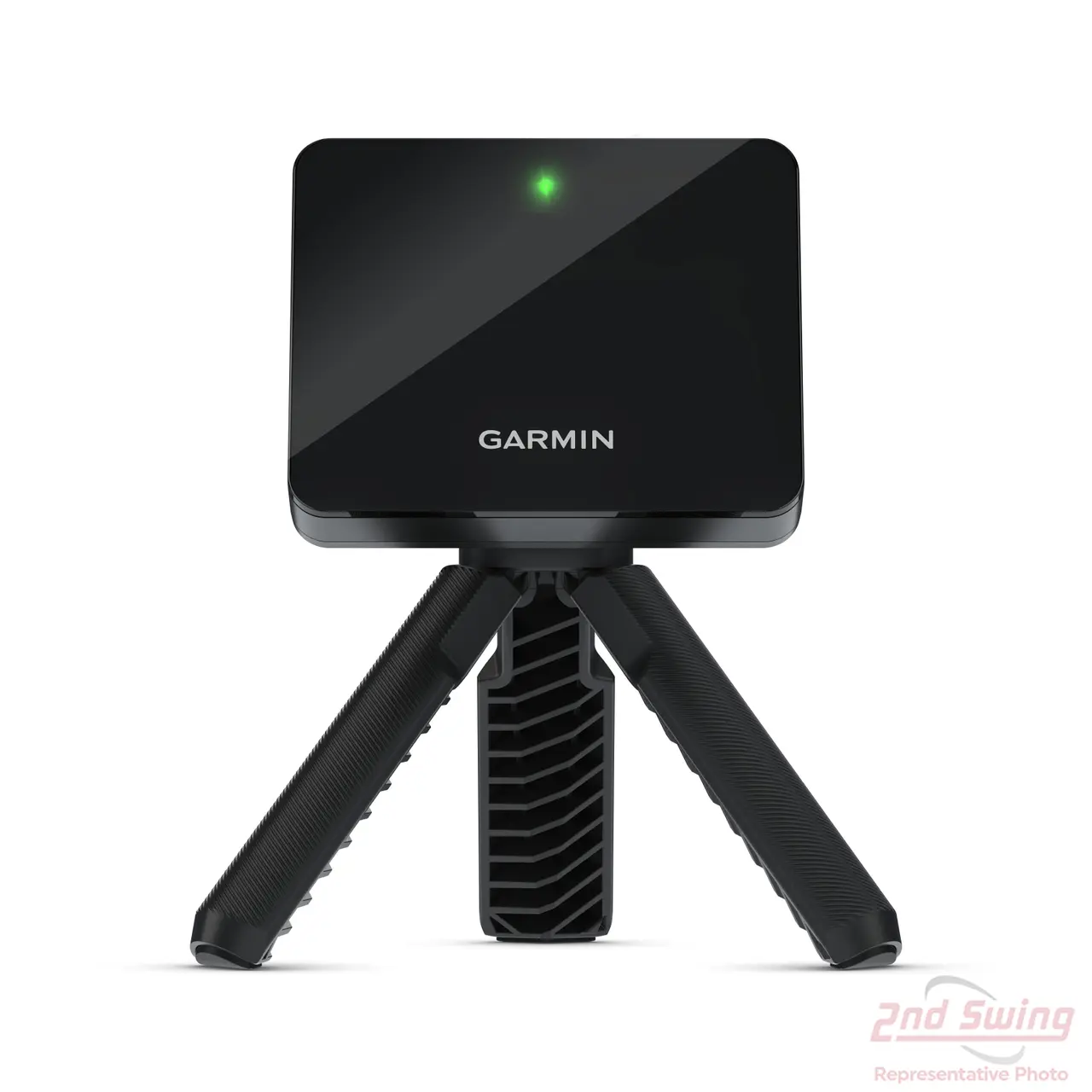
Garmin Approach R10
| Measurement | Irons Only | All Clubs | Full Simulator |
|---|---|---|---|
| Ceiling Height | 8 ft | 9 ft | 9-10 ft |
| Room Width | 8 ft | 9 ft | 10+ ft |
| Room Depth | 10 ft | 12 ft | 15+ ft |
| Ball to Net | 6 ft | 8 ft | 10+ ft |
| Behind Ball | 4 ft | 6 ft | 5-8 ft |
Critical: Measure your LOWEST ceiling point — beams, ductwork, light fixtures, and garage door tracks all reduce effective height. A room listed as 9 feet may have an 8-foot beam.
Ceiling height decides more of this than price does — run your dimensions through the room checker first. Budget first, then shop. The simulator cost calculator shows what a complete setup runs at each tier.⚠️ Skip this if: spin accuracy is critical — the R10 calculates spin rather than measuring it directly.
⚖️ Affiliate link — we earn a small commission at no extra cost to you.
Ceiling Height by Monitor Type
STRONG PICK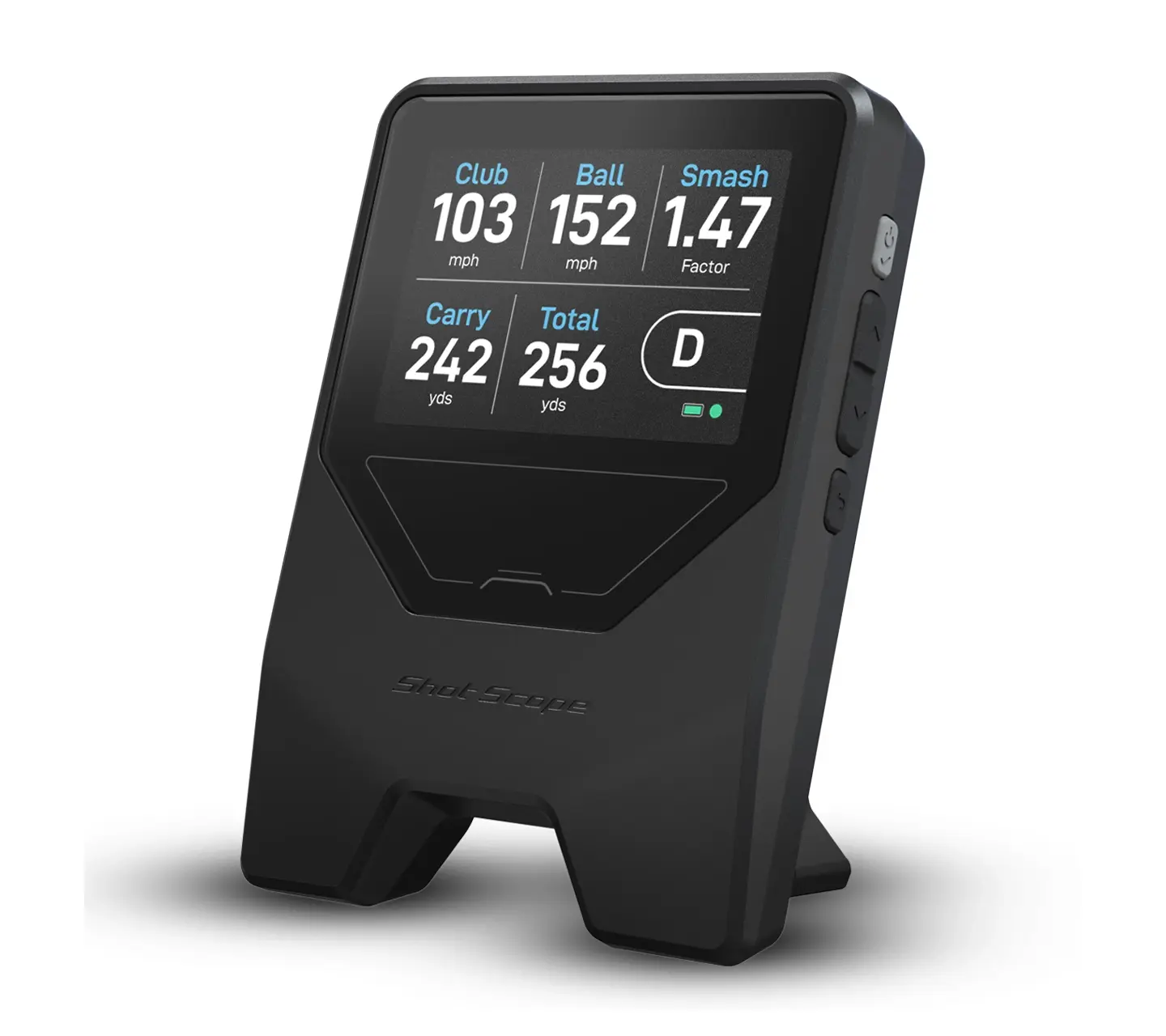
Shot Scope LM1
Your monitor technology determines minimum ceiling height. See our low ceiling guide for detailed monitor testing.
| Monitor Type | Min Ceiling | Examples |
|---|---|---|
| Radar (behind ball) | 7-8 ft | Garmin R10, Shot Scope LM1, Mevo Gen2 |
| Camera (behind ball) | 8.5 ft | Rapsodo MLM2PRO |
| Photometric (beside ball) | 9 ft | SkyTrak+, Bushnell Launch Pro |
⚠️ Skip this if: you want sim compatibility — the LM1 is built for range data, not sim play.
⚖️ Affiliate link — we earn a small commission at no extra cost to you.
Depth: Ball to Screen Distance
STRONG PICK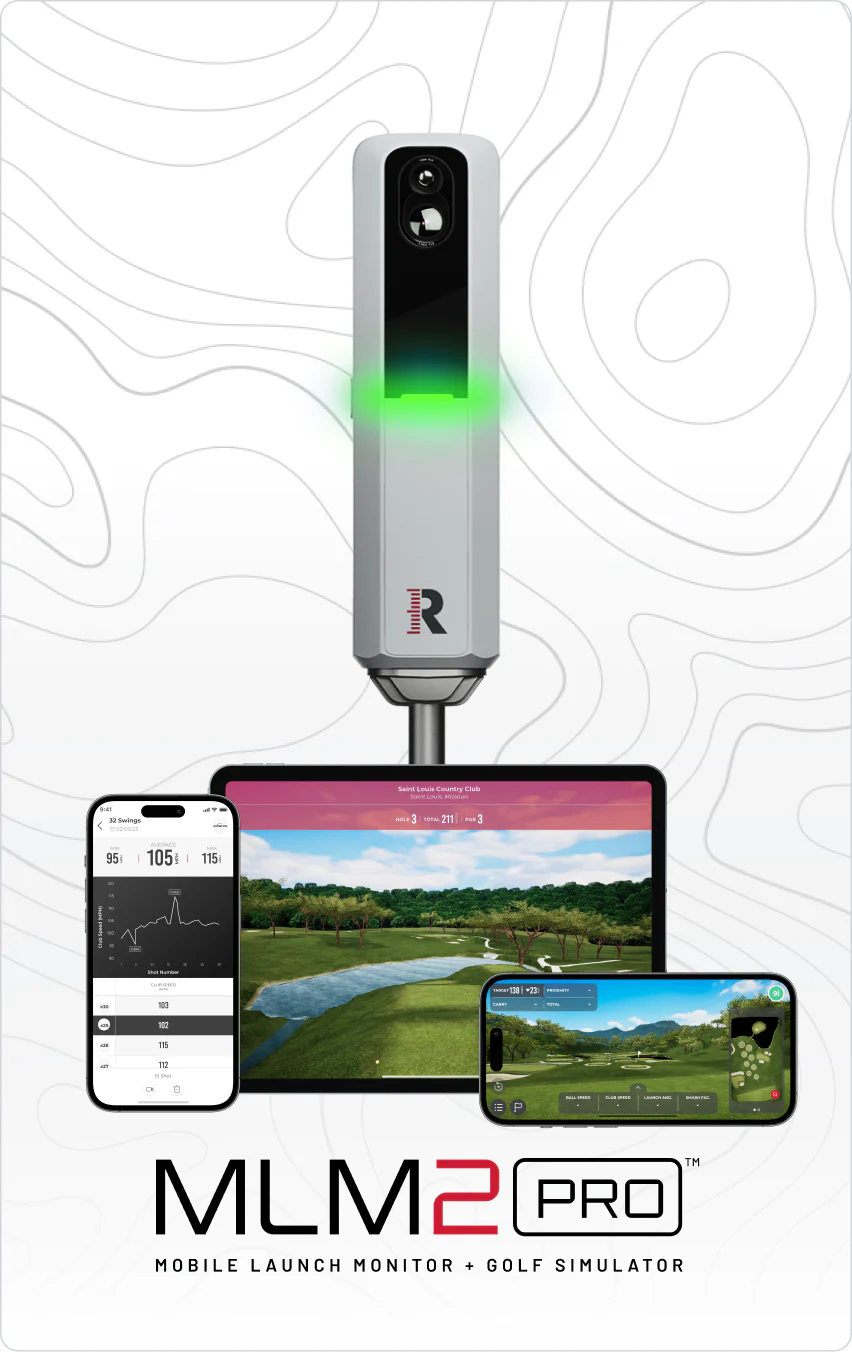
Rapsodo MLM2PRO
You need enough depth for: standing position + backswing clearance + ball flight to net/screen + monitor placement behind you.
Minimum 10 feet for a basic net setup. 12-15 feet for a projector simulator (the projector needs 8-10 feet of throw distance). If your room is under 12 feet deep, use a short-throw projector or skip the projector and use a monitor + net.
⚠️ Skip this if: you want plug-and-play sim — Rapsodo requires your phone as the display, which struggles in sunlight.
⚖️ Affiliate link — we earn a small commission at no extra cost to you.
Width: Lefty and Righty Requirements
Width determines whether you can make a full swing safely. Most golfers need 8 feet minimum for irons and 9 feet for driver. If both left and right-handed players use the simulator, add 1 foot of clearance on each side.
Watch out for: water heaters, furnaces, shelving, and wall-mounted items in garages. Clear the swing zone completely — one mishit into a water heater is an expensive lesson.
Best Setup by Room Size
STRONG PICK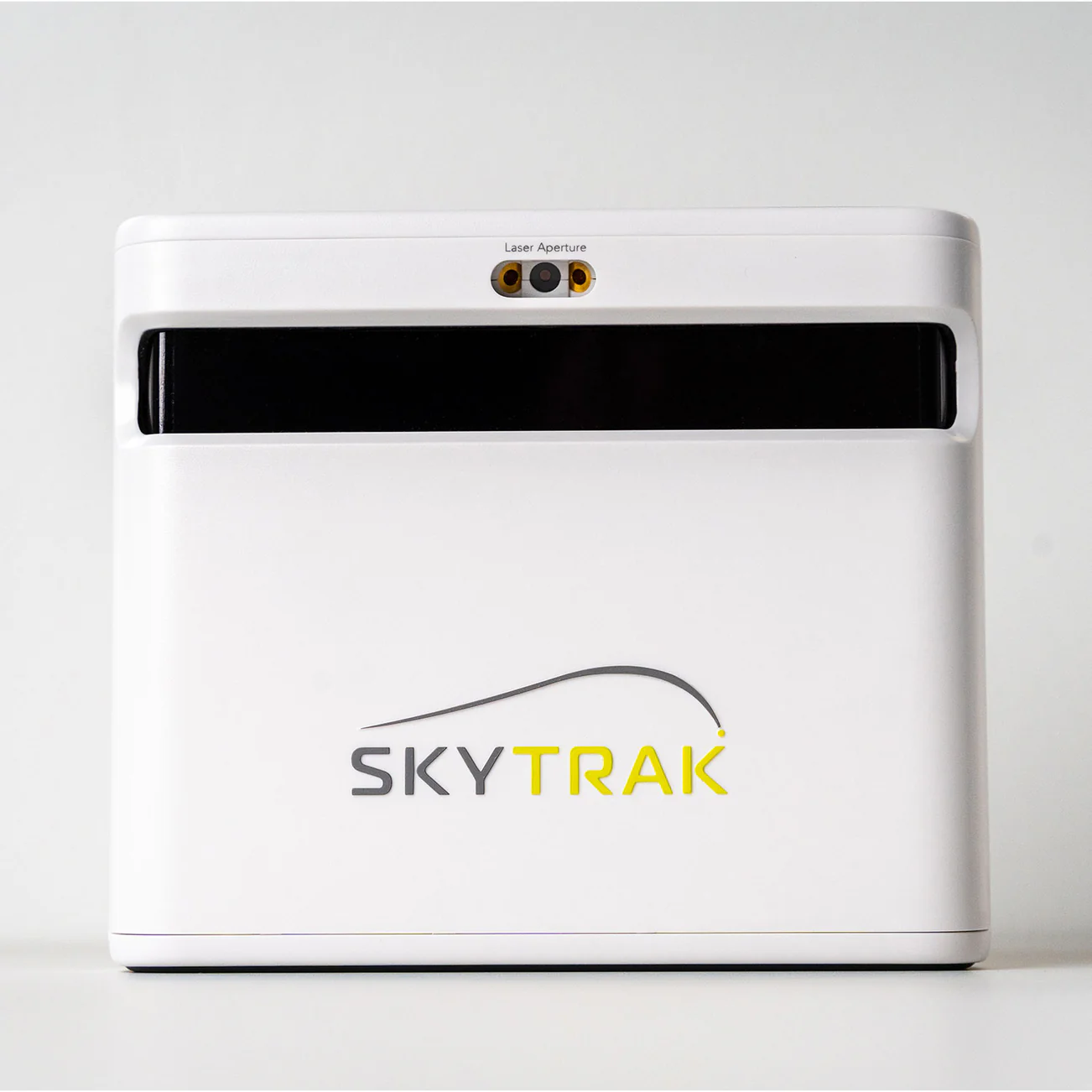
SkyTrak Plus
Small room (8x8x10 ft): Garmin R10 + hitting net + mat. Irons and wedges only. No projector. Total: ~$650.
Medium room (9x10x12 ft): MLM2PRO or R10 + impact screen + short-throw projector + mat. All clubs including driver. Total: ~$2,999-3,000.
Large room (9x12x15+ ft): SkyTrak+ or Launch Pro + full enclosure + projector + premium mat. The complete experience. Total: ~$5,000-8,000. See our full cost breakdown.
⚠️ Skip this if: you primarily practice outdoors — SkyTrak is optimized for indoor use and struggles in bright sunlight.
⚖️ Affiliate link — we earn a small commission at no extra cost to you.
Garage vs Basement vs Spare Room
Garage: Usually the best option — already has concrete floor, easy to add a mat, often 18-20 feet deep. Watch for low ceilings (garage door tracks) and temperature extremes. See our garage simulator guide.
Basement: Best for year-round comfort. Often lower ceilings (7.5-8 ft) due to HVAC ducts and plumbing. Measure carefully around obstructions. Great for radar monitors.
Spare room: Convenient but often too small for driver. Best for putting and chipping practice with a net. See our apartment setup guide.
Who Should Buy This — And Who Should Skip It
- Anyone measuring a room for a simulator
- Garage and basement builders
- Apartment golfers checking space
- Outdoor-only practice
- Golfers who already have a dedicated room
🏌️ Gear That Helps With This
🎯 Our Recommended Gear
Garmin Approach R10
~$490 — the product we use and recommend for this topic.
🎯 Gear that helps with this
Every recommendation is independently purchased and tested over 40+ rounds.
Frequently Asked Questions
What is the minimum room size for a golf simulator?
Can I put a golf simulator in my garage?
How high does a ceiling need to be for a golf simulator?
How far should a projector be from the screen?
⚖️ Still deciding between two?
These head-to-head comparisons test the exact products from this guide side by side.
Related Guides
More from these brands
🏢 More for Cubicle Golfers
You work 9-to-5. Golf is your weekend reset. These guides are built for your schedule.
Ready to find the right gear?
Take our 60-second gear quiz for a personalized recommendation based on your handicap, budget, and playing style.
Take the Gear Quiz → Browse All Reviews