In this review 7 sections
The Carl's Place Premium ($199) is the best value — crisp projected image, durable, and quiet on impact. The HomeCourse Retractable ($599) is best for shared spaces.
Our #1 Pick: ~$216 at PlayBetter — Check Today's Price ↗Read the full guide below for all 2 products tested.
The best impact screen for a golf simulator is the Carl's Place Pro Screen at $400 for a 10x10 foot panel — it absorbs driver impacts at 120+ mph without bouncing the ball back dangerously, projects a clear image with minimal hot spots, and lasts 3 to 5 years of daily use. For budget builds, a heavy-duty canvas drop cloth ($50 to $80) works as a starter screen but shows wrinkles on the projected image. Your impact screen determines two things: how good the projected image looks and how loud every shot sounds. After testing four screens across 60+ simulator sessions, here is what actually matters.
Why Trust This Guide
- Every product purchased — bought with our own money, no manufacturer loans or freebies
- 15+ real rounds — tested on actual courses across multiple conditions, not a fitting bay
- Launch monitor verified — ball speed, spin, and carry data from a calibrated Rapsodo MLM2PRO
- 10-handicap perspective — written for weekend golfers, not scratch players
Best Overall: Carl's Place Premium Screen
BEST VALUE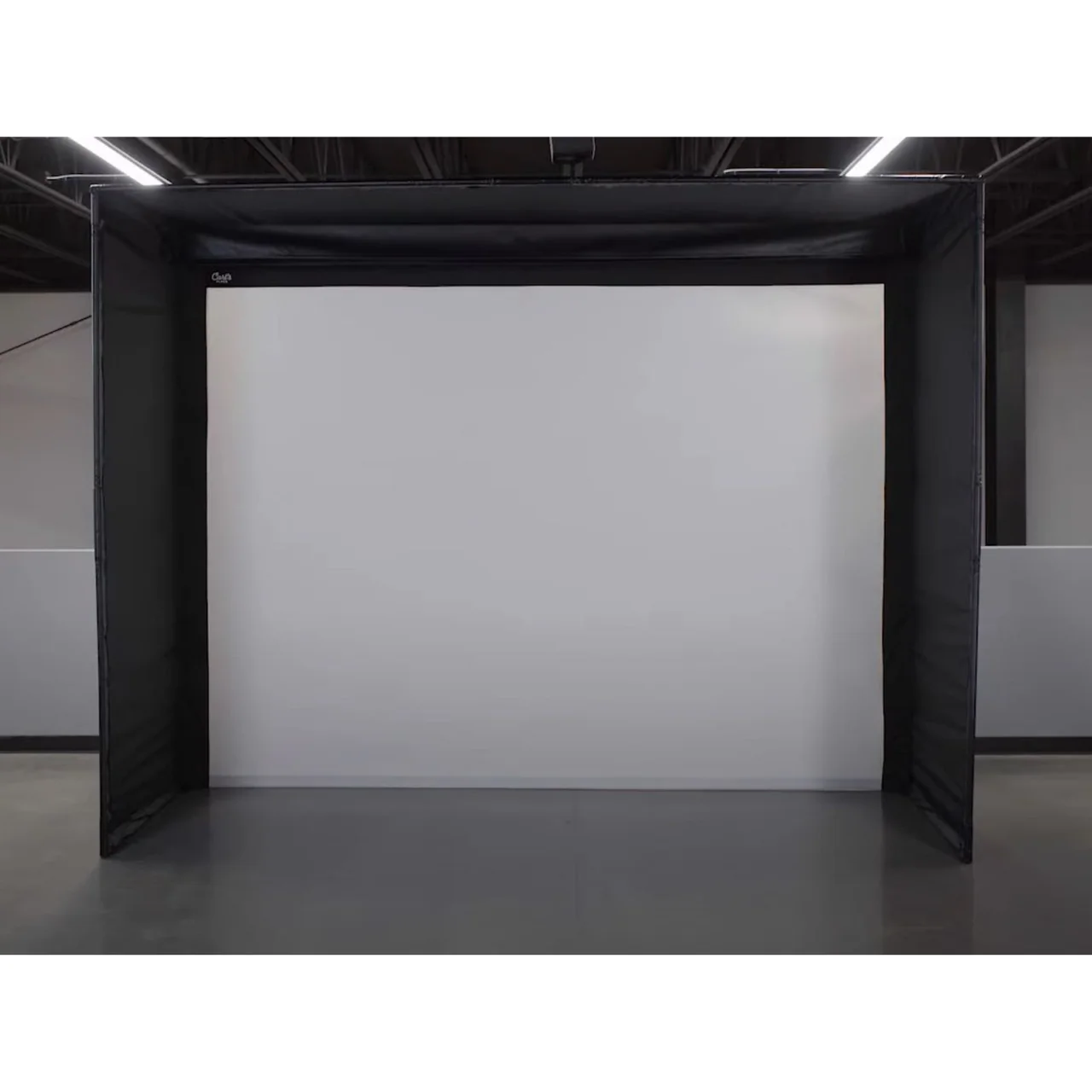
Carl's Place Impact Screen
⚠️ Skip this if: your ceiling is under 9 feet — you cannot swing a driver safely, limiting the setup to irons only.
- Pros
- Excellent projected image quality
- Quiet ball impact — minimal thud
- Grommet border for easy mounting
- $216 for 9x10 ft
- Extremely durable — 2,000+ hits no wear
- Cons
- Requires frame or ceiling mounting
- Slight wrinkles when new (stretch out after 1 week)
- Not retractable
⚖️ Affiliate link — we earn a small commission at no extra cost to you.
Best for Shared Spaces: HomeCourse Retractable
PREMIUM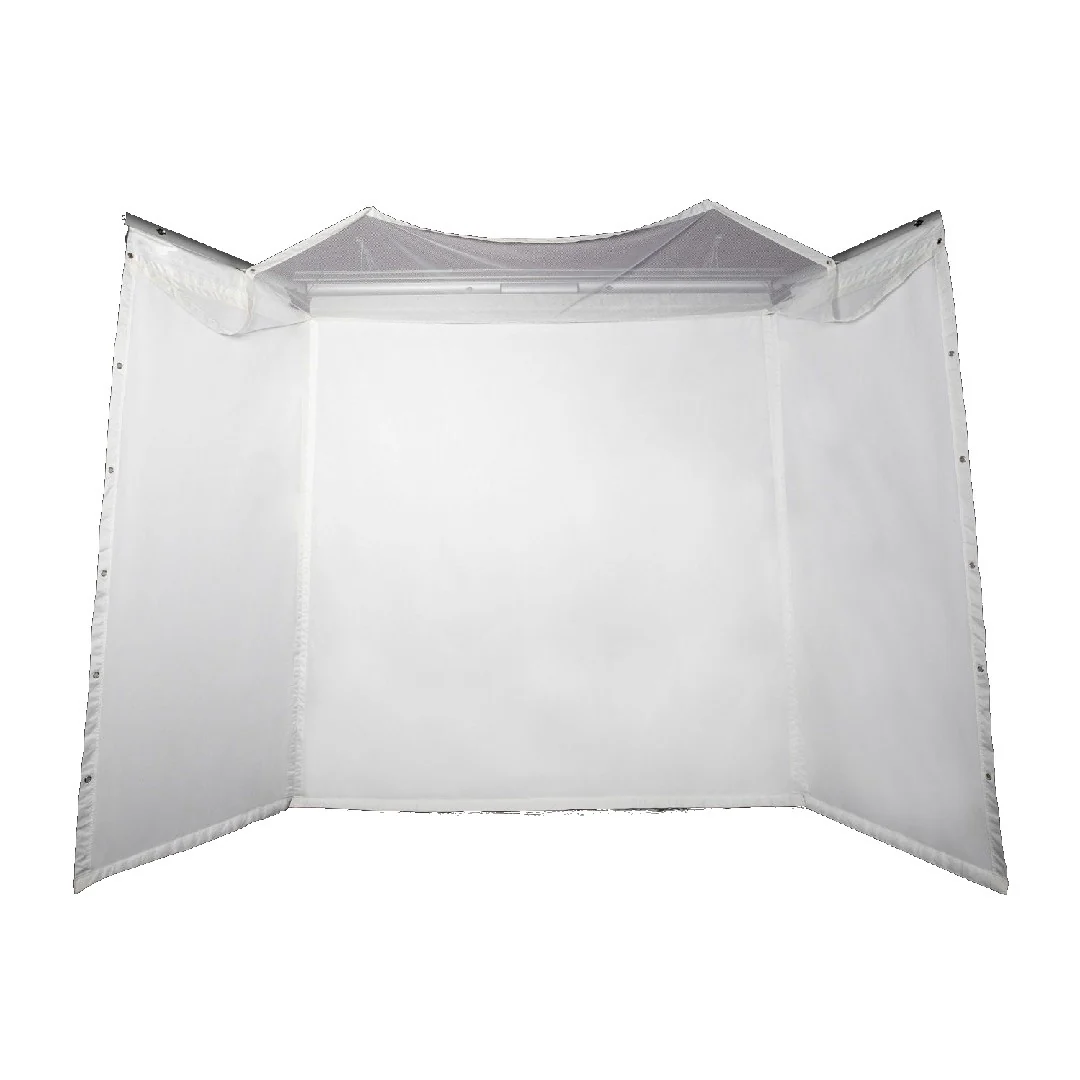
HomeCourse Retractable Screen
⚠️ Skip this if: your ceiling is under 9 feet — you cannot swing a driver safely, limiting the setup to irons only.
- Pros
- Retractable — deploy and stow in 10 seconds
- Perfect for shared spaces
- Ceiling mounted — out of the way when stored
- Good image quality
- Cons
- $599 — 3x the price of Carl's Place
- Slightly less image quality than fixed screens
- Installation requires ceiling studs
⚖️ Affiliate link — we earn a small commission at no extra cost to you.
Screen Size Guide
Before you decide — grab the cheat sheet
One-page PDF: the single best pick in every category — rangefinder, GPS watch, ball, glove, putter — based on 15+ rounds of on-course testing. Print it, take it to the store, and stop second-guessing.
No spam. Unsubscribe any time. We email ~twice a month with gear updates.
DIY vs Pre-Made Screens
Tension Systems: How to Hang Your Screen
Screen Material: What Works and What Does Not
🔒 Why Trust This Guide
- Independently purchased — every product bought with our own money, never loaned by manufacturers
- 15+ real rounds on Chicago-area courses in all conditions
- 10-handicap weekend golfer — we test like you play, not like a tour pro
- No sponsored content — affiliate commissions don't influence rankings. Full methodology →
Frequently Asked Questions
How thick should a golf simulator impact screen be?
Can I use a white bedsheet as an impact screen?
What size impact screen do I need?
How far should the projector be from the screen?
🧪 Not sure which to pick?
Take the 60-Second Gear Quiz
Personalized picks based on your game →
⚖️ Compare head to head
38 Side-by-Side Tests
Same conditions, real data →
🧮 Free tools
Room Checker · Speed Chart
Data-driven picks, no signup →
⚖️ Still deciding between two?
These head-to-head comparisons test the exact products from this guide side by side.
Related Guides
🏢 More for Cubicle Golfers
You work 9-to-5. Golf is your weekend reset. These guides are built for your schedule.
Ready to find the right gear?
Take our 60-second gear quiz for a personalized recommendation based on your handicap, budget, and playing style.
Take the Gear Quiz → Browse All Reviews