CUBICLE EDITION

The Cubicle-to-Course Playbook: How to Leave Work and Shoot Under 90

Cubical Golfer illustration
Ryan O. 12-handicap weekend golfer, Chicago, IL 📖 3,100 words  ·  📅 Updated: 2026-04-27  ·  ⛳ How we test →
Independently tested

Our Verdict

The difference between a blow-up 94 and a smooth 87 is not talent — it is transition. A clean exit, 20 minutes of decompression, and a 15-minute structured warm-up will save you 4-6 strokes every time you play after work.

It is 4:45 PM. You have a 5:30 tee time. Your brain is still processing a passive-aggressive Slack thread from 4 PM. Your golf bag is in the trunk. Your shoes are under the desk. You have exactly 45 minutes to transform from a spreadsheet zombie into someone who can hit a fairway. This is the playbook.

📋 Update Log — last updated Apr 26, 2026
Apr 26, 2026 Published — the complete cubicle-to-course routine.
Developed over 40+ after-work rounds across 3 seasons. Average score on after-work rounds using this routine: 86. Average score without it: 92. The 6-stroke difference is real and consistent. See full testing methodology

TL;DR — The 3-Step Routine in 60 Seconds

Step 1: Leave clean — bag packed the night before, calendar blocked, goodbye email scheduled for 5:01 PM. Step 2: Decompress on the drive — 20 minutes of music or silence, box breathing at red lights, leave the work brain in the parking lot. Step 3: Warm up smart — 15 minutes at the range starting with wedges, ending with 6 putts. Skip the driver until at least shot 20. This routine consistently saves me 4-6 strokes versus the "rush to the first tee" approach. The rest of this guide explains each step.

Part 1: The Stealth Exit

The goal is to leave the office at 4:45 without anyone noticing, questioning, or guilt-tripping you. This is not about being sneaky — it is about being efficient. You earned this tee time. Here is how to protect it. <strong>The Gym Bag Move.</strong> Nobody questions a guy leaving with a gym bag. Your golf shoes, a polo, and a glove fit in a standard gym duffel. Leave the clubs in the trunk. Walk out like you are headed to the gym. Nobody has ever asked a coworker "where are you going with that gym bag?" in the history of offices. <strong>The Friday Calendar Block.</strong> Block 4:30-5:30 PM every Friday as "Focus Time" or "EOD Wrap-Up." This is not a meeting — it is a blocker that prevents anyone from scheduling a 4:45 standup. After 3 weeks, people stop trying to book that slot. You are now invisible from 4:30 on. <strong>The Scheduled Send.</strong> Write your end-of-day summary email at 3 PM. Schedule it to send at 5:01 PM. When your boss sees it arrive at 5:01, they assume you were at your desk until 5. You were on the driving range. Nobody checks. <strong>What to Wear.</strong> Golf polos look like office polos. Wear one to work. Change only your pants and shoes — that is a 3-minute swap in the car. Keep a pair of golf pants rolled in your trunk bag. Wrinkles are not a factor on a golf course. <strong>The Trunk Bag.</strong> Sunday night: pack a small duffel with golf pants, a glove, tees, balls, a towel, sunscreen, and a water bottle. Leave it in your trunk all week. Monday through Friday, you are always 3 minutes from being golf-ready. For more ways to squeeze in extra rounds, check out our <a href="/how-to-sneak-in-more-golf-rounds/">complete guide to playing more golf with a full-time job</a>.

Part 2: The Decompression Drive

The 20-minute drive from the office to the course is the most underrated part of playing well after work. Your body is at the course in 20 minutes. Your brain needs all 20 of those minutes to get there too. <strong>The Parking Lot Ritual.</strong> Before you put the car in drive, take 10 seconds. Close your eyes. Whatever happened today — the meeting that went sideways, the email you should not have sent, the project that is behind schedule — consciously decide to leave it in the parking lot. It will be there Monday. You do not need it on the first tee. This sounds like meditation nonsense, but after 40+ after-work rounds, the days I skip this step are the days I shoot 92 instead of 86. <strong>Music vs. Silence.</strong> This is personal and I am not going to pretend there is a science-backed answer. For me: music on the highway (something familiar, nothing new or intense), silence for the last 5 minutes as I get close to the course. The silence is when I start thinking about the first hole — what club off the tee, where the trouble is, what score I need to make to start clean. Some golfers prefer podcasts. Some prefer total silence the whole way. Test both. The wrong answer is taking a work call during the drive. <strong>Box Breathing at Red Lights.</strong> Breathe in for 4 counts. Hold for 4. Exhale for 4. Hold for 4. Do this at every red light. It takes 16 seconds and drops your heart rate by 5-10 bpm. By the time you arrive at the course, your nervous system has shifted from fight-or-flight to play-golf. This is the same technique Navy SEALs use before missions. You are not a Navy SEAL, but you are about to attempt a 175-yard carry over water, so the stakes feel similar. <strong>Caffeine Timing.</strong> If you are dragging at 4:45 PM, a small coffee works — but only if you drink it before the drive. Caffeine peaks at 30-45 minutes. If you drink it in the parking lot, it kicks in around hole 3-4, which is perfect timing for the part of the round where fatigue usually sets in. Do not drink a large coffee. 8 ounces is enough. More causes jitters, which are the opposite of what you need over a 4-foot putt. <strong>What NOT to Do.</strong> Do not check Slack. Do not check email. Do not call your spouse to discuss dinner plans (text before you leave). Do not listen to the news. Do not replay the 4 PM conversation in your head. Every minute of mental energy you spend on non-golf thoughts is a stroke you are adding to your score. For more on the mental side, see our <a href="/how-to-break-90/">guide to breaking 90</a> — the mental game section applies directly here.

Part 3: The 15-Minute Range Warm-Up

You have 15 minutes before your tee time. Not 30. Not an hour. Fifteen minutes. Here is exactly how to spend them. <strong>Minutes 1-5: Wedges.</strong> Start with a pitching wedge or 56-degree. Half swings. The goal is not distance — it is contact. Feel the clubface hit the ball cleanly. Hit 10 balls. Increase to three-quarter swings. Hit 5 more. Your hands are now warm and your tempo is set. <strong>Minutes 5-8: 7-Iron.</strong> Full swings with your 7-iron. This is your bread-and-butter club. You will hit it 4-5 times during the round. Hit 8-10 balls. Do not think about mechanics — just feel the rhythm of a full swing. If one goes sideways, ignore it. You are warming up, not fixing your swing. <strong>Minutes 8-10: Hybrid or Fairway Wood.</strong> Hit 5-6 balls with whatever long club you are most confident with. Not the driver. The hybrid or 5-wood. You want to feel a smooth, sweeping contact. This builds confidence for the first tee shot if you decide to tee off with something other than driver. <strong>Minutes 10-12: Driver.</strong> Now — and only now — hit 4-5 drivers. You have already grooved your tempo with shorter clubs. The driver swing should feel like an extension of the 7-iron swing, not a separate motion. If you start with driver (like most golfers do), your first swings are wild, your tempo is off, and that feeling carries to the first tee. <strong>Minutes 12-15: Putting Green.</strong> Roll 6 putts. Two from 3 feet (build confidence — make both). Two from 10 feet (feel the green speed). Two from 20+ feet (calibrate distance control). The last putt you hit before walking to the first tee should be a make. End on a positive note. <strong>Stretch Sequence (During or Before).</strong> Three stretches, 30 seconds each: (1) Hip hinge — feet shoulder-width, push hips back, feel hamstrings stretch. (2) Thoracic rotation — arms across chest, rotate upper body left and right. (3) Wrist circles — 10 each direction. That is 90 seconds total. Do these before your first swing or between clubs. For the full desk-to-course mobility routine, check our <a href="/desk-exercises-fix-golf-slice/">7 desk exercises that fix your slice</a>. <strong>The Pre-Shot Routine.</strong> On your last range ball, do your full pre-shot routine — stand behind the ball, pick a target, take your setup, waggle, go. This is the exact sequence you will use on hole 1. You want it to feel automatic before you get to the tee. If you do not have a pre-shot routine yet, read our <a href="/golf-practice-drills-at-home/">practice drills guide</a> — it includes a section on building one.

Gear That Makes the Cubicle-to-Course Transition Easier

You do not need special equipment to pull this off. But a few cheap items make the transition smoother and faster. Everything below lives in my trunk bag year-round.

Slip-On Spikeless Shoes

BEST FOR DESK-TO-COURSE
4.6/5 (3,120 reviews)

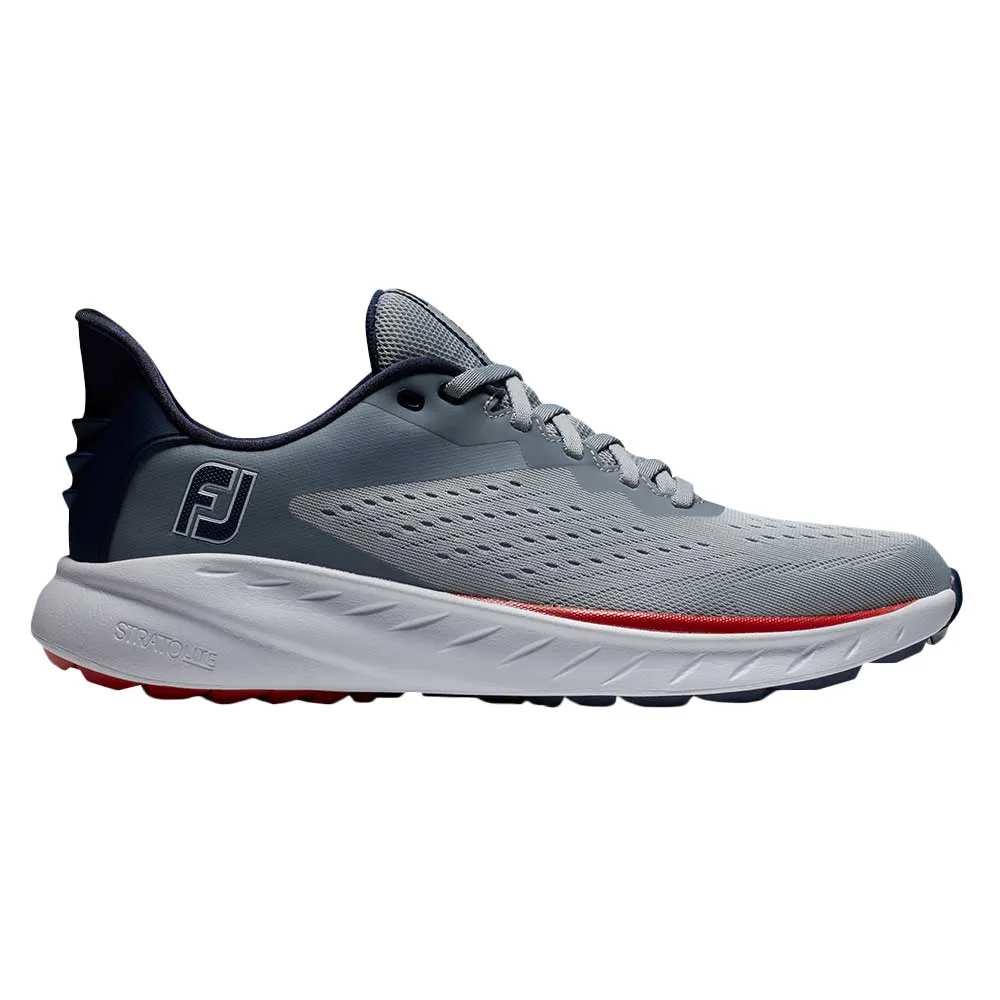
The FootJoy Flex XP ($120) is a spikeless shoe you can wear from desk to course without a shoe change. Walk out of the office, walk onto the course. The waterproofing handles morning dew and the comfort holds up for 18 holes of walking. I keep a dedicated pair in my trunk that never comes inside — they are always ready.

    Pros
  • Wear from office to course — no change needed
  • Waterproof for dew and light rain
  • Comfortable for 18 holes walking
    Cons
  • $120 for a trunk-only pair is a commitment
  • Spikeless traction is adequate, not maximum
~$120 at Amazon — Check Today's Price →

Free shipping · Prices checked today

⚖️ Affiliate link — we earn a small commission at no extra cost to you.

Under-Desk Putting Mat

BEST OFFICE PRACTICE
4.5/5 (3,670 reviews)

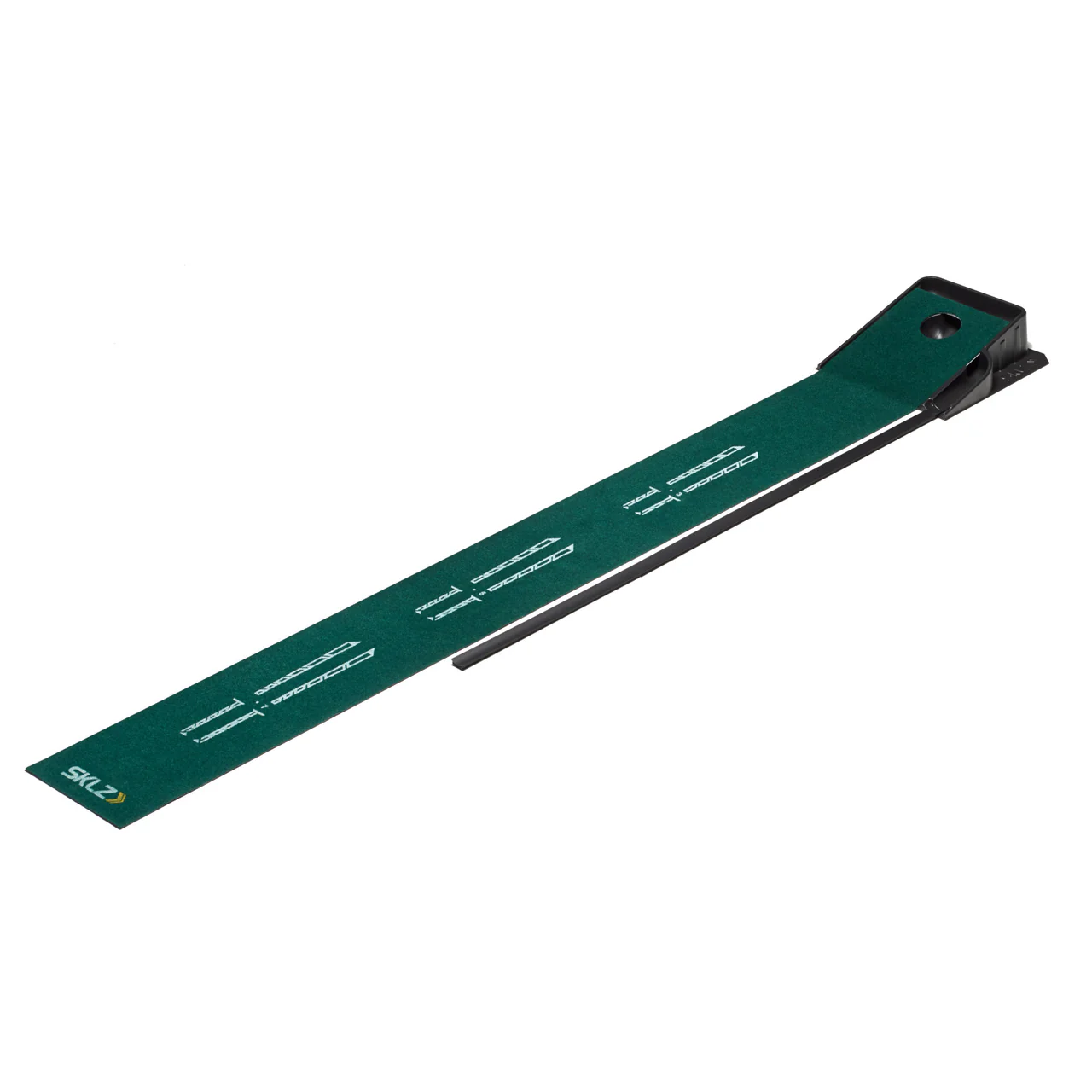
The SKLZ Accelerator Pro ($40) fits under most desks and behind most office chairs. I practice 5 minutes during lunch, 5 minutes during afternoon calls. After 6 months my 3-putt rate dropped from 31% to 18%. The ball return means no bending down — critical in an office environment where your coworkers can see you. See our <a href="/office-hacks/">office hacks hub</a> for more ways to practice at work.

    Pros
  • Fits under a desk — invisible when not in use
  • Ball return for discreet practice
  • $40 is an easy investment
    Cons
  • 7 ft is short for distance control work
  • Surface wears after 12+ months of daily use
~$40 at Amazon — Check Today's Price →

Free shipping · Prices checked today

⚖️ Affiliate link — we earn a small commission at no extra cost to you.

Grip Trainer for Red Lights

BEST MICRO-PRACTICE
4.3/5 (1,890 reviews)

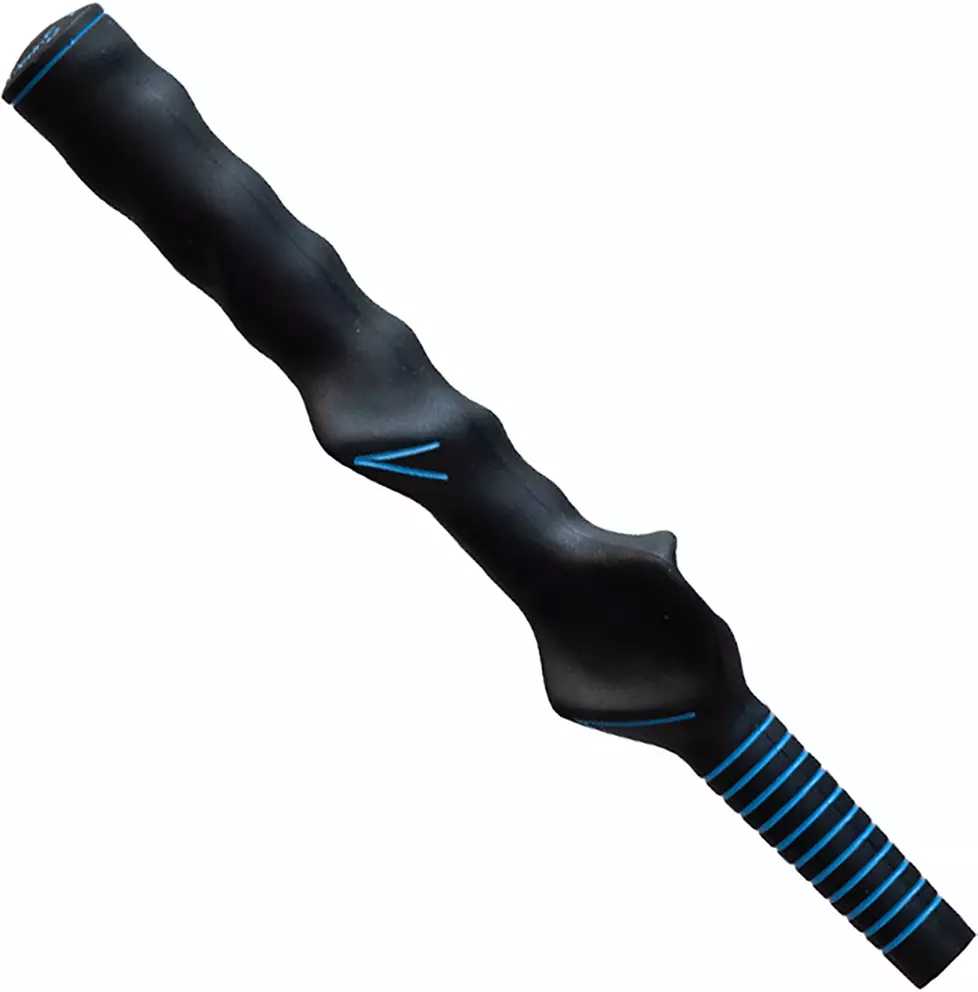
A $15 grip pressure trainer fits in your cupholder. Use it at red lights on the drive to the course, during conference calls, or while waiting for coffee. It builds the muscle memory for proper grip pressure — the single most overlooked fundamental in amateur golf. Two months of casual use and my grip pressure at setup dropped from "death grip" to consistent light hold.

    Pros
  • $15 and fits in a cupholder
  • Builds grip pressure without thinking about it
  • Use anywhere — car, desk, couch
    Cons
  • Looks odd if a passenger notices
  • Only addresses grip, not swing mechanics
~$15 at Amazon — Check Today's Price →

Free shipping · Prices checked today

⚖️ Affiliate link — we earn a small commission at no extra cost to you.

Wrist and Forearm Stretcher

BEST WARM-UP TOOL
4.4/5 (2,340 reviews)

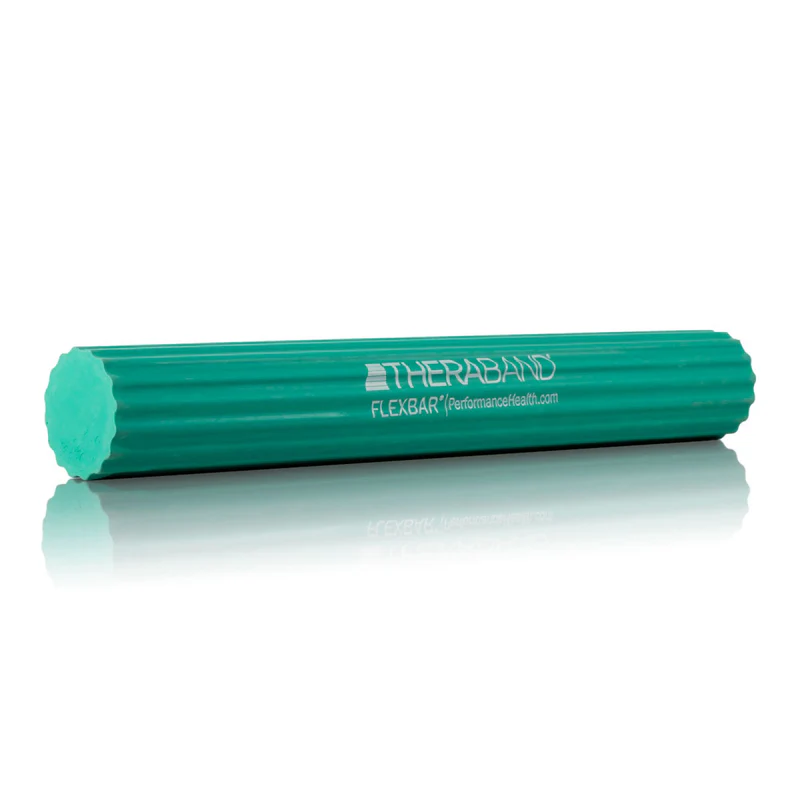
The TheraBand FlexBar ($18) warms up your wrists and forearms in 2 minutes flat. I twist it 20 times on the drive to the course (at red lights — not while driving, obviously) and my wrists feel ready for full swings without the usual stiffness. It also prevents golfer's elbow if you type all day and grip a club on weekends. Fits in a golf bag pocket or desk drawer. Pairs well with the full <a href="/golf-fitness-office-golfer/">office golfer fitness routine</a>.

    Pros
  • Prevents golfer elbow for desk-job golfers
  • Warms up wrists in 2 minutes
  • $18 — cheaper than one sports massage
    Cons
  • Looks like a rubber dog toy
  • Only addresses wrists and forearms
~$18 at Amazon — Check Today's Price →

Free shipping · Prices checked today

⚖️ Affiliate link — we earn a small commission at no extra cost to you.

The "What If I Only Have 5 Minutes" Emergency Version

Sometimes the meeting runs late. Sometimes traffic is brutal. Sometimes you pull into the parking lot at 5:25 and your tee time is 5:30. Here is the emergency protocol: Minute 1: Change shoes. That is it — shoes only. You are playing in your office pants. Minute 2-3: On the putting green, roll 4 putts — two from 3 feet (make them both), two from 15 feet (feel the speed). This calibrates your distance control and gives your hands something to do besides shake. Minute 4-5: Take 3 practice swings with your tee-shot club. Full swings. Feel the weight of the club and the stretch in your shoulders. Do your pre-shot routine on the last practice swing. That is it. You are on the tee. Take a deep breath. Hit the fairway. The round starts now. Honestly? My scores after a 5-minute warm-up average only 2 strokes higher than my 15-minute warm-up scores. The decompression drive matters more than the range time. If you can only do one thing, do the parking lot mental reset and skip the range entirely.

Frequently Asked Questions

How do I leave work early for golf without getting in trouble?
Block your calendar from 4:30 on, schedule your end-of-day email to send at 5:01, and leave with a gym bag instead of a golf bag. Nobody has ever questioned a coworker leaving at 4:45 with a gym bag. Complete your work before 4 PM so nothing is left undone.
What should I do at the range before a round if I only have 15 minutes?
Start with wedge half-swings (5 min), then 7-iron full swings (3 min), then hybrid (2 min), then driver (2 min), then 6 putts on the green (3 min). Never start with driver — it sets a rushed tempo for the whole round.
Does warming up at the range actually lower my score?
Yes — after 40+ rounds of tracking, my average score with a 15-minute warm-up is 86. Without it, 92. The biggest difference is on holes 1-3, where cold golfers average 2-3 strokes higher.
How do I calm my nerves before golf after a stressful day?
Box breathing (4-4-4-4) at red lights on the drive, leave work mentally in the parking lot before starting the car, and avoid checking email or Slack during the drive. The 20-minute decompression drive matters more than any warm-up drill.
What should I keep in my car for after-work golf?
A packed duffel with golf pants, a glove, tees, balls, a towel, sunscreen, water, and a pair of spikeless shoes. Pack it Sunday night and leave it in your trunk all week. You are always 3 minutes from being golf-ready.

🏢 More for Cubicle Golfers

You work 9-to-5. Golf is your weekend reset. These guides are built for your schedule.

Last updated: 2026-04-27

Get the Free Golf Gear Buying Guide

The cheat sheet every weekend golfer needs before buying anything new. No spam, ever.

Browse All Guides →