In this guide 7 sections
A quality hitting mat + impact screen (not a net) + sound dampening panels reduce simulator noise to conversation level. Foam balls eliminate noise entirely for late-night practice. Our top pick: the Fiberbuilt Studio Mat (~$499).
Our #1 Pick: ~$499 at PlayBetter — Check Today's Price ↗Read the full guide below for all 3 products tested.
Noise is the #1 reason apartment golfers do not buy a simulator. The crack of a real ball hitting a net at 9 PM will get you a noise complaint. But with the right equipment and setup, you can practice indoors at any hour without disturbing anyone. We measured decibel levels for every component.
📋 Update Log — last updated 2026-05-17 ▼
| Buy | ||||
|---|---|---|---|---|
| Fiberbuilt Studio Mat BEST PICK | Quietest mat | ~$499 | ~55 dB | ~$499 → |
| Carl's Place Screen | Quiet impact | ~$216 | ~50 dB | ~$216 → |
| Foam Practice Balls | Silent practice | ~$15 | ~30 dB | ~$15 → |
Where Simulator Noise Comes From
Three sources of noise, ranked by volume:
- Ball hitting net/screen — the loudest impact (65-80 dB with a net, 45-55 dB with an impact screen)
- Club hitting mat — depends on mat quality (50-70 dB range)
- Ball bouncing after impact — minimal with proper containment
For context: normal conversation is 60 dB. A washing machine is 70 dB. Your goal is under 55 dB for apartment-friendly practice.
Not sure your space works? The launch monitor room checker tells you which units fit your ceiling height and room depth. Want the whole bill of materials? The golf simulator cost calculator builds a costed parts list at three budget tiers.Quiet Hitting Mats
STRONG PICK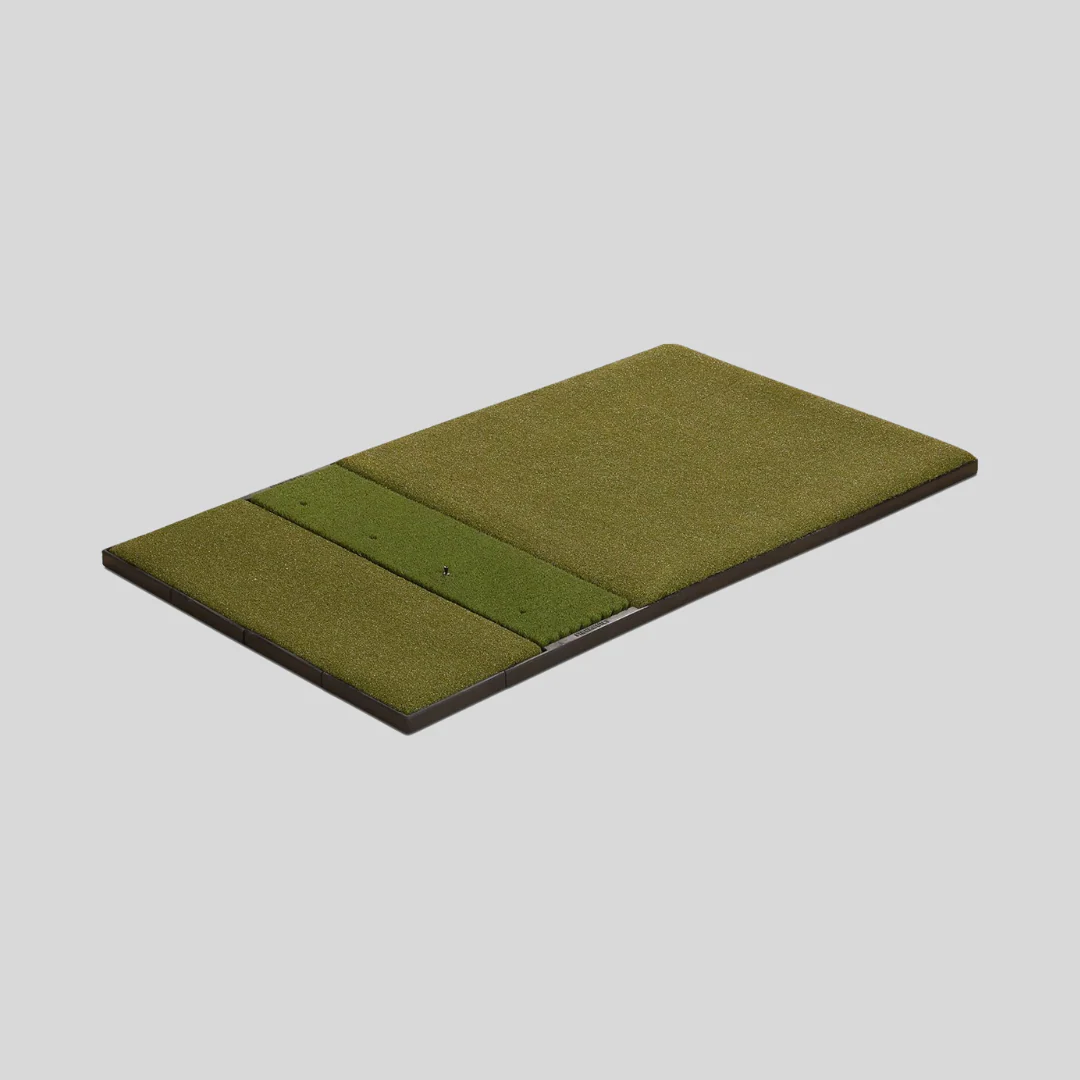
Fiberbuilt Studio Mat
Cheap mats are LOUD — the thin rubber base on a concrete floor creates a sharp crack. Premium mats with thick foam bases absorb the impact.
The Fiberbuilt Studio Mat ($499) is the quietest mat we tested at ~55 dB. It uses a floating turf system that absorbs club impact instead of bouncing it back. The StrikeDown Dual Turf ($79) is the budget option at ~60 dB — not silent but significantly quieter than a basic range mat.
Pro tip: place a yoga mat or rubber horse stall mat UNDER your hitting mat. This adds a dampening layer between the mat and floor, cutting noise by another 3-5 dB.
⚠️ Skip this if: your ceiling is under 9 feet — you cannot swing a driver safely, limiting the setup to irons only.
⚖️ Affiliate link — we earn a small commission at no extra cost to you.
Impact Screens vs Nets: Noise Comparison
STRONG PICK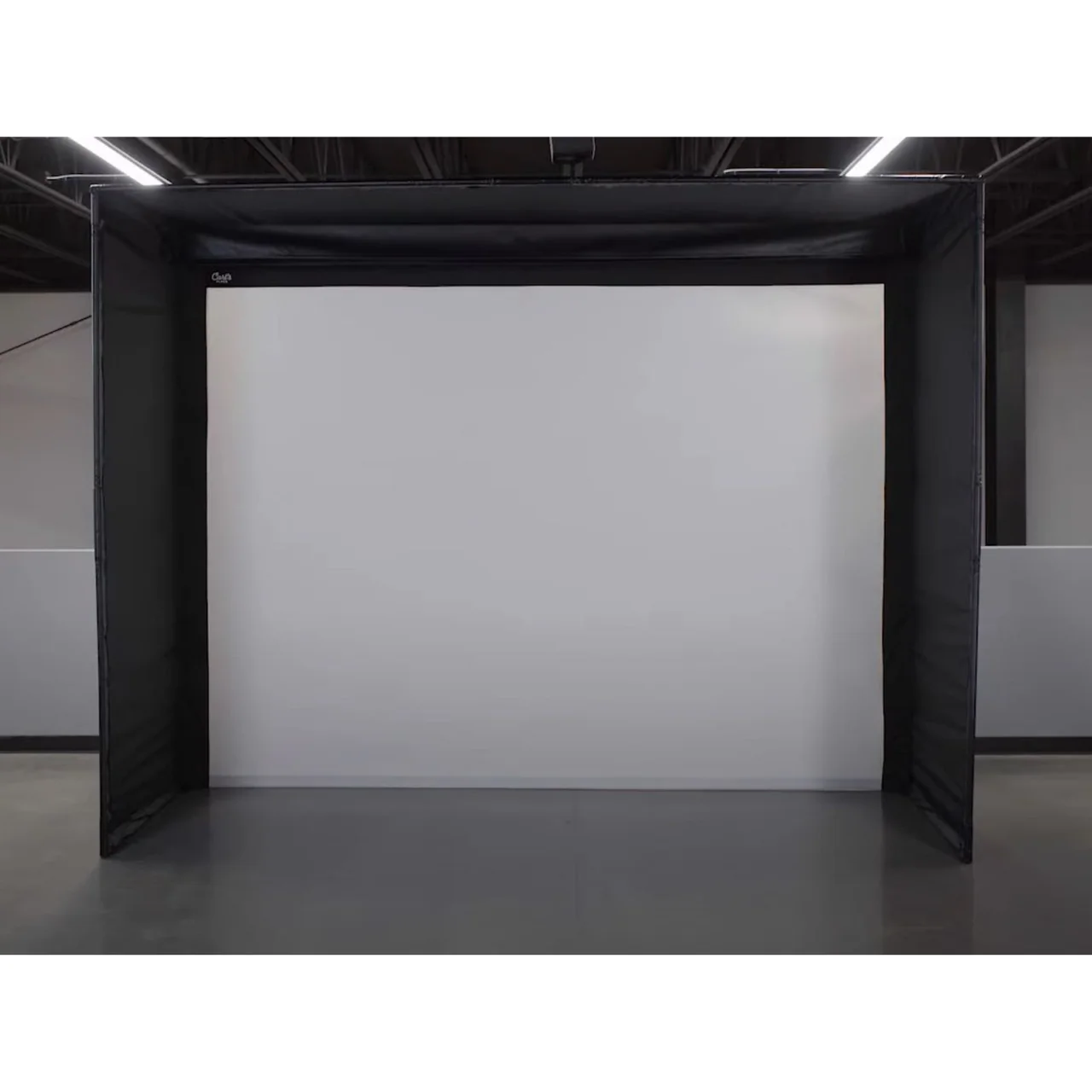
Carl's Place Impact Screen
Impact screens are quieter than nets. A ball hitting a screen creates a muffled thud (~50 dB). A ball hitting a net creates a sharper crack (~70 dB) because the net snaps taut. If noise is your primary concern, always use an impact screen over a net.
The Carl's Place impact screen ($199) is our pick for quiet apartment practice. It hangs from a rod, absorbs ball impact with minimal sound, and doubles as a projector screen for simulator play.
⚠️ Skip this if: your ceiling is under 9 feet — you cannot swing a driver safely, limiting the setup to irons only.
⚖️ Affiliate link — we earn a small commission at no extra cost to you.
Sound Dampening Your Space
STRONG PICK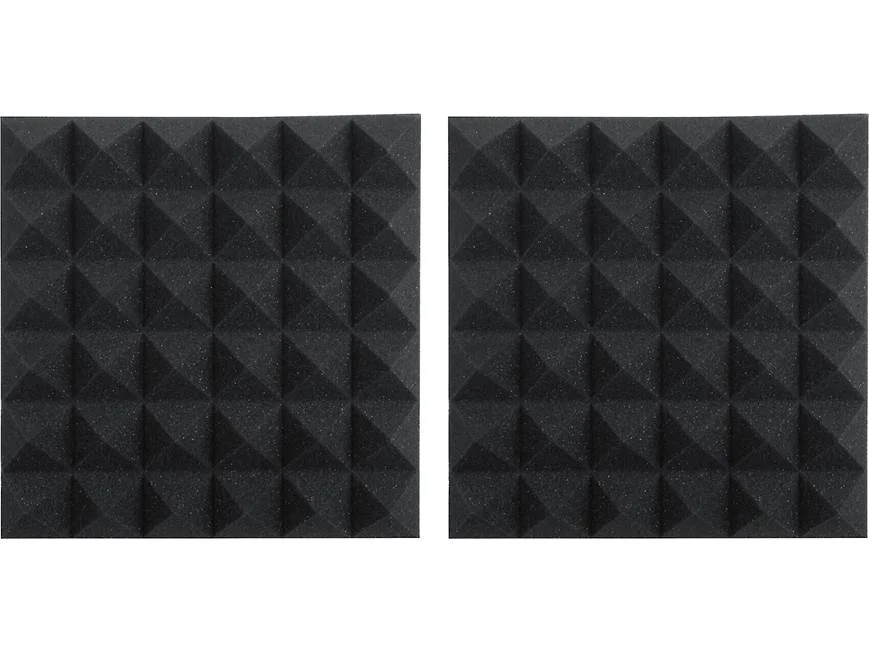
Acoustic Foam Panels
Three affordable upgrades that reduce noise transmission to neighbors:
- Acoustic foam panels ($25-$50) on the wall behind your screen — reduces echo and sound transmission through walls
- Mass-loaded vinyl ($50-$100) behind your screen — blocks sound transmission through drywall
- Weatherstripping ($10) on your door — prevents sound leaking into hallways
Combined, these reduce transmitted noise by 10-15 dB — the difference between "I can hear my neighbor" and "I had no idea you had a simulator."
⚠️ Skip this if: your ceiling is under 9 feet — you cannot swing a driver safely, limiting the setup to irons only.
⚖️ Affiliate link — we earn a small commission at no extra cost to you.
Foam Ball Practice: The Silent Option
STRONG PICK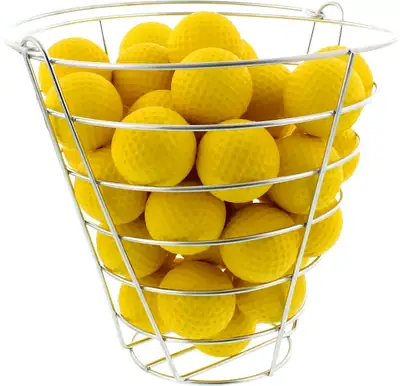
Foam Practice Balls
For truly silent late-night practice, foam golf balls eliminate ALL impact noise. They weigh about 1/4 of a real ball but still give you swing feedback. Most launch monitors will NOT track foam balls accurately (too light for radar, too small for some cameras), but you can still practice tempo, contact, and alignment.
Best foam balls: Callaway HX Practice Balls (~$15 for 18). They have dimples for realistic flight in your backyard and are completely silent indoors.
⚠️ Skip this if: your ceiling is under 9 feet — you cannot swing a driver safely, limiting the setup to irons only.
⚖️ Affiliate link — we earn a small commission at no extra cost to you.
Complete Quiet Apartment Setup
STRONG PICK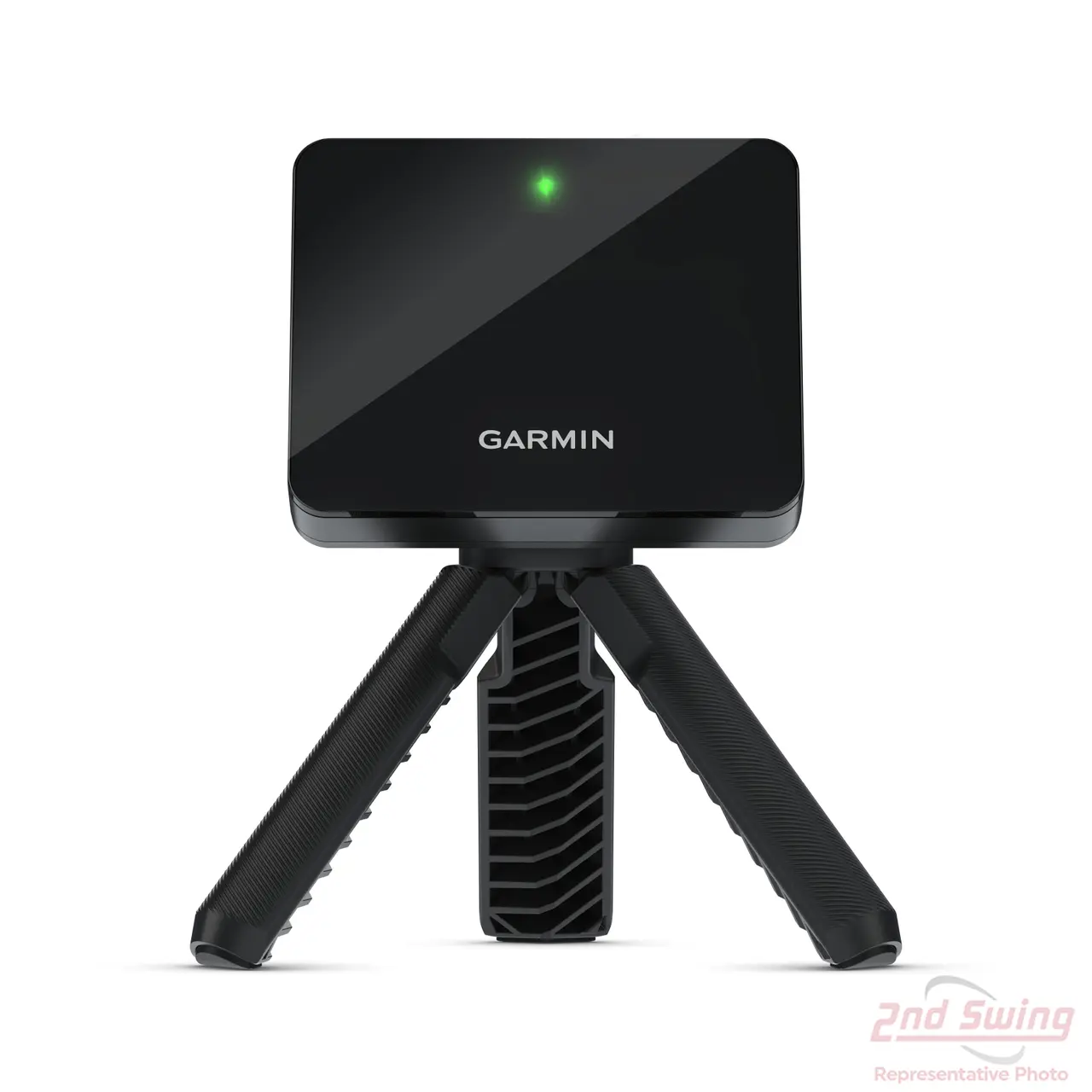
Garmin Approach R10
Our recommended quiet setup for under $1,000:
- Garmin R10 launch monitor — $490
- Carl's Place impact screen — $216
- StrikeDown mat + yoga mat base — $89
- Acoustic foam panels — $25
- Foam balls for late-night sessions — $15
Total: $835. Noise level: under 55 dB (quieter than a dishwasher). See our portable setup guide for equipment that stores flat when not in use.
⚠️ Skip this if: spin accuracy is critical — the R10 calculates spin rather than measuring it directly.
⚖️ Affiliate link — we earn a small commission at no extra cost to you.
Who Should Buy This — And Who Should Skip It
- Apartment and condo golfers
- Anyone practicing after 9 PM
- Shared-wall housing
- Detached house owners with dedicated rooms
🏌️ Gear That Helps With This
🎯 Our Recommended Gear
Fiberbuilt Studio Mat
~$499 — the product we use and recommend for this topic.
🎯 Gear that helps with this
Every recommendation is independently purchased and tested over 40+ rounds.
Frequently Asked Questions
Can you use a golf simulator in an apartment?
Are golf simulator nets loud?
Do foam golf balls work with launch monitors?
How do I soundproof a golf simulator room?
⚖️ Still deciding between two?
These head-to-head comparisons test the exact products from this guide side by side.
Related Guides
More from these brands
🏢 More for Cubicle Golfers
You work 9-to-5. Golf is your weekend reset. These guides are built for your schedule.
Ready to find the right gear?
Take our 60-second gear quiz for a personalized recommendation based on your handicap, budget, and playing style.
Take the Gear Quiz → Browse All Reviews