In this guide 7 sections
Most golfers should play mid bounce (8-12 degrees) in their gap and sand wedges. Low bounce for firm conditions and shallow swings. High bounce for soft conditions and steep swings. Our top pick: the Cleveland RTX-6 Wedge (~$169).
Our #1 Pick: ~$130 at Golf Galaxy — Check Today's Price ↗Read the full guide below for all 3 products tested.
Bounce is the angle between the leading edge and the lowest point of the sole. It determines how the wedge interacts with turf and sand. Too little bounce and the club digs. Too much and it skips. Getting this right makes your short game significantly easier. In this guide we compare three proven wedges across bounce ranges: the Titleist Vokey SM10 for low bounce (precision on firm turf), the Cleveland RTX-6 for mid bounce (the versatile all-rounder), and the Callaway Jaws Full Toe for high bounce (maximum forgiveness in soft conditions and bunkers).
📋 Update Log — last updated 2026-05-17 ▼
| Buy | ||||
|---|---|---|---|---|
| Titleist Vokey SM10 | Firm turf, tight lies | ~$160 | 4-6° (Low) | ~$160 → |
| Cleveland RTX-6 ZipCore BEST PICK | Most golfers | ~$130 | 8-12° (Mid) | ~$130 → |
| Callaway Jaws Full Toe | Soft turf, bunkers | ~$130 | 12-16° (High) | ~$130 → |
What Is Bounce (and Why It Matters)
Bounce is the angle between the leading edge and the lowest point of the sole when the club sits flat. Think of it as a built-in anti-dig feature. Higher bounce means the sole contacts the ground first, preventing the leading edge from digging into turf.
This matters because: too little bounce on soft turf = the club digs and you hit fat. Too much bounce on firm turf = the club bounces off the surface and you blade the ball.
Low Bounce (4-6°)
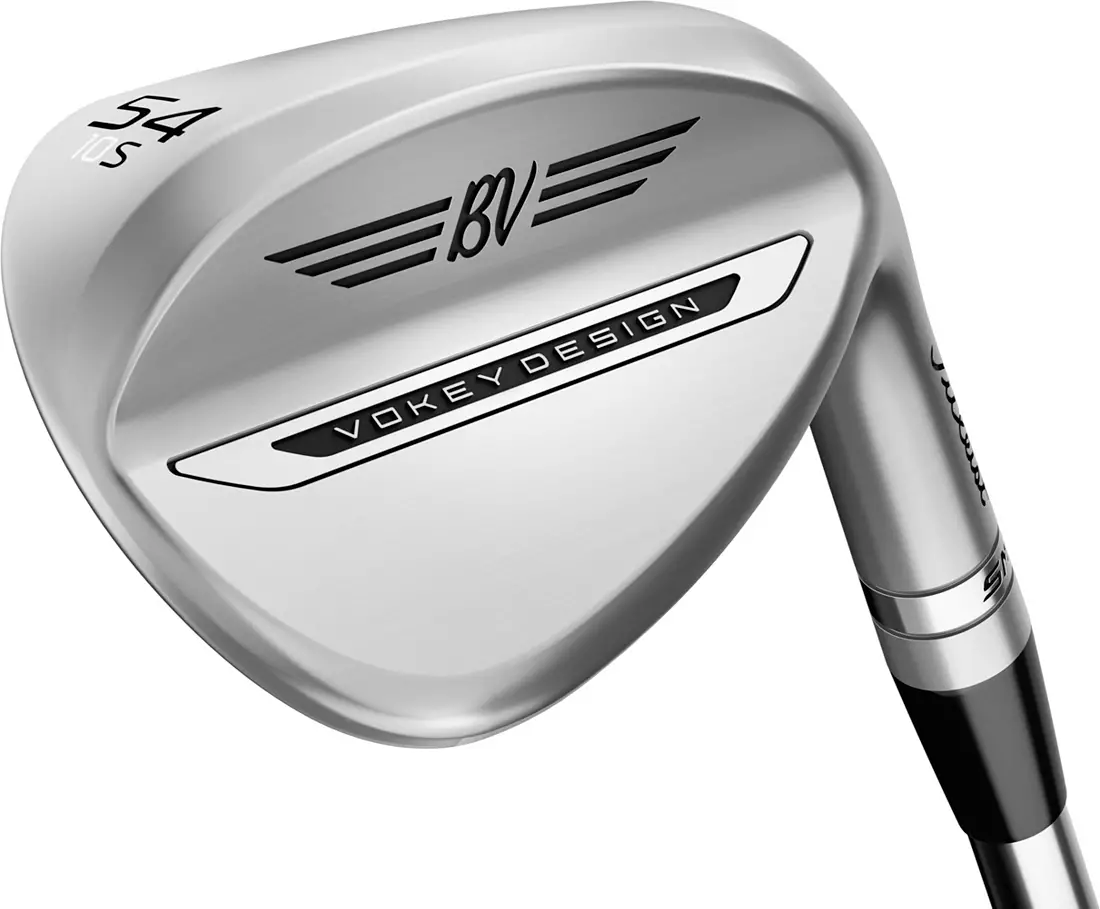
Vokey SM10 52
Our low-bounce pick: the Titleist Vokey SM10 in 4-6° bounce. Precision ground sole for maximum control on tight lies.
Best for: firm course conditions, tight lies, hardpan, links golf. Also suits golfers with shallow swing paths who sweep the ball rather than taking big divots.
Avoid if: you play on soft, lush courses or take deep divots. Low bounce will dig on these surfaces.
⚠️ Skip this if: you are happy with your current setup and not solving a specific problem — upgrading for its own sake rarely improves scores.
⚖️ Affiliate link — we earn a small commission at no extra cost to you.
Mid Bounce (8-12°)
STRONG PICK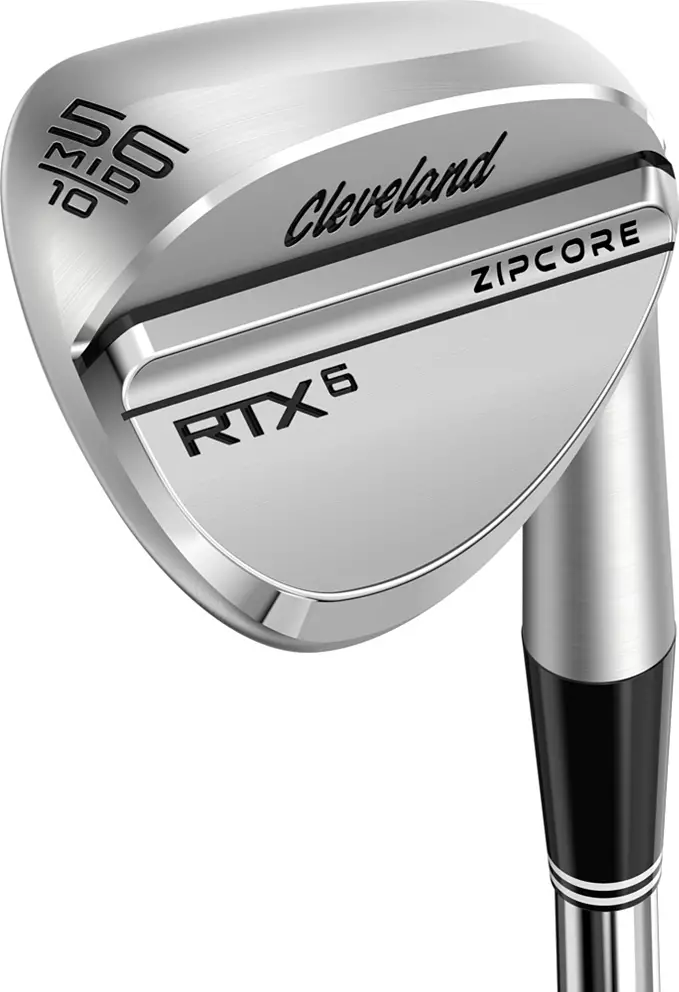
Cleveland RTX 6 52
Our mid-bounce pick: the Cleveland RTX-6 in 10° bounce. The ZipCore insert delivers tour-level spin with amateur-friendly forgiveness.
Best for: most golfers in most conditions. Mid bounce is the versatile option that works on both firm and soft turf. If you are unsure what bounce to choose, mid bounce is almost always the right answer.
Our recommendation: build your wedge setup around mid bounce, especially for your gap wedge (50-52°) and sand wedge (54-56°).
⚠️ Skip this if: your current wedge grooves are still sharp — worn grooves cost more spin than any upgrade adds.
⚖️ Affiliate link — we earn a small commission at no extra cost to you.
High Bounce (12-16°)
STRONG PICK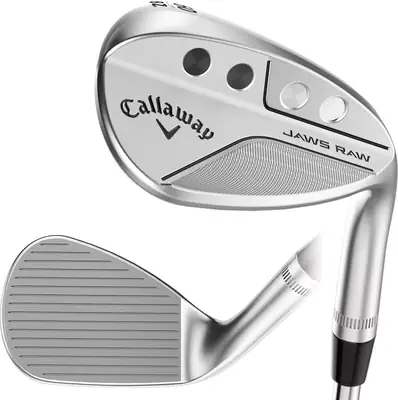
Callaway Jaws Full Toe
Our high-bounce pick: the Callaway Jaws Full Toe in 14° bounce. The full-face grooves provide spin from any lie, especially bunkers.
Best for: soft, lush conditions, fluffy bunker sand, and golfers with steep swing paths who take deep divots. High bounce prevents the club from digging too deep and helps the sole glide through soft material.
Tour players often carry a high-bounce lob wedge (58-60°) specifically for bunker play and soft lies around the green.
⚠️ Skip this if: your current wedge grooves are still sharp — worn grooves cost more spin than any upgrade adds.
⚖️ Affiliate link — we earn a small commission at no extra cost to you.
Recommended Wedge Setup
For most weekend golfers, we recommend:
- Gap wedge (50-52°): mid bounce (10-12°) — your approach weapon
- Sand wedge (54-56°): mid-high bounce (12-14°) — bunkers and pitches
- Lob wedge (58-60°): low-mid bounce (8-10°) — finesse shots
See our best wedges for beginners for specific product recommendations at each loft.
Bounce by Course Condition
Who Should Buy This — And Who Should Skip It
- Golfers buying wedges
- Anyone struggling with fat or thin wedge shots
- Players unsure what bounce to choose
- Golfers happy with their current wedge setup
🏌️ Gear That Helps With This
🎯 Our Recommended Gear
Cleveland RTX 6 52
~$130 — the product we use and recommend for this topic.
🎯 Gear that helps with this
Every recommendation is independently purchased and tested over 40+ rounds.
Frequently Asked Questions
What bounce should my sand wedge be?
Does bounce matter for chipping?
What bounce do pros use?
⚖️ Still deciding between two?
These head-to-head comparisons test the exact products from this guide side by side.
Related Guides
More from these brands
🏢 More for Cubicle Golfers
You work 9-to-5. Golf is your weekend reset. These guides are built for your schedule.
Ready to find the right gear?
Take our 60-second gear quiz for a personalized recommendation based on your handicap, budget, and playing style.
Take the Gear Quiz → Browse All Reviews