In this guide 7 sections
If you practice 2+ times per month, a home simulator built around the Garmin Approach R10 ($490) pays for itself in 6-18 months while being available 24/7. The range is better for beginners who need instructor feedback.
Our #1 Pick: ~$490 at Amazon — Check Today's Price ↗Read the full guide below for all 2 products tested.
A home golf simulator costs $1,000 to $5,000 upfront but pays for itself within 1 to 2 seasons. A driving range habit of 2 visits per week at $15 per bucket costs $1,560 per year — plus 45 minutes of drive time each way. The simulator gives you unlimited practice at home with shot data a range cannot provide: spin rate, launch angle, club path, and carry distance on every swing. The driving range costs nothing upfront but adds up fast. A home simulator costs $700-$5,000 upfront but is free forever after. Which is actually the better investment for a weekend golfer? We did the math.
📋 Update Log — last updated 2026-05-17 ▼
| Buy | ||||
|---|---|---|---|---|
| Garmin R10 Setup (Home) BEST PICK | 24/7 access | Data on every shot | Convenience | ~$490 → |
| FiberBuilt Mat (Range) | Real ball flight | Social/lessons | Real conditions | ~$499 → |
Cost Comparison: Break-Even Analysis
STRONG PICK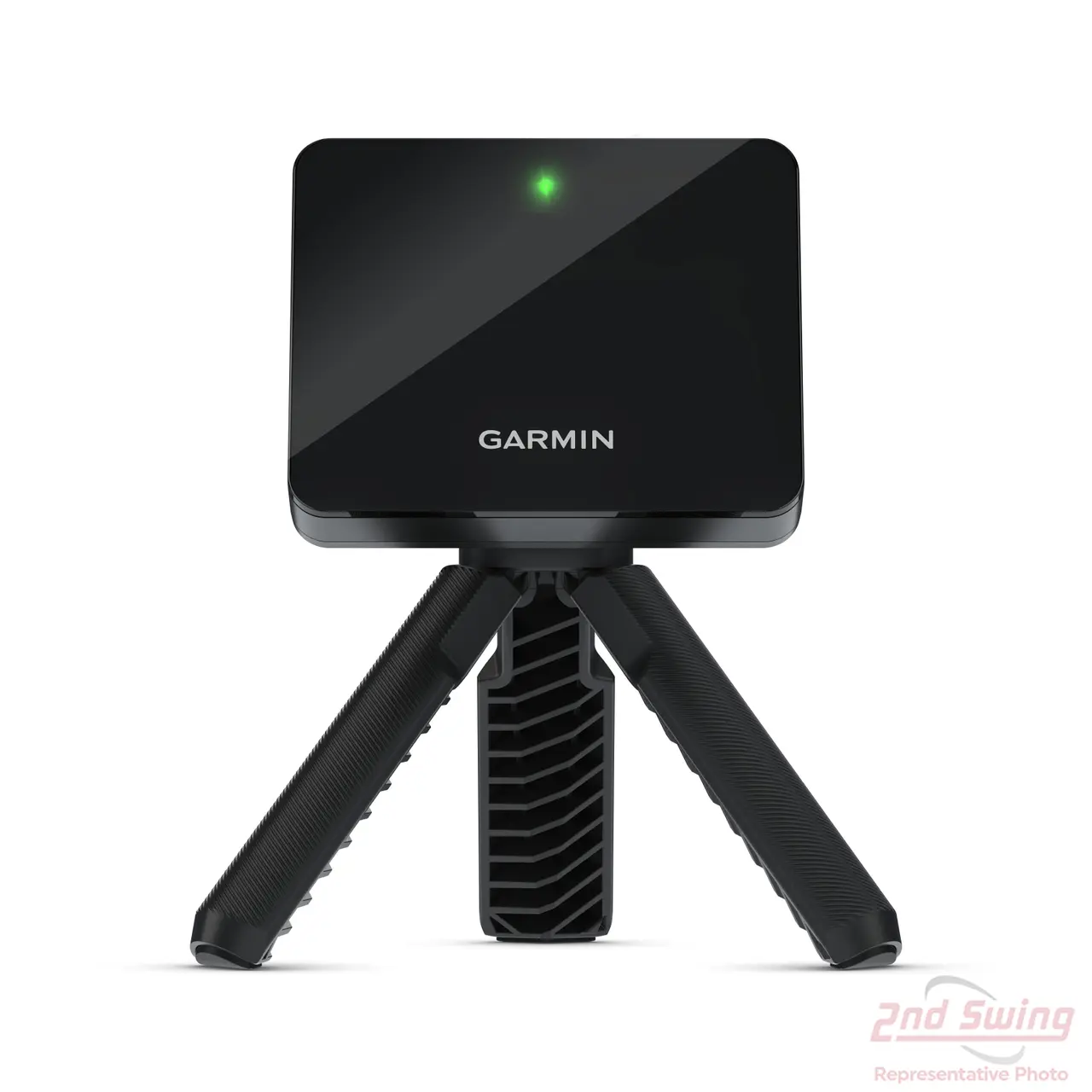
Garmin Approach R10
Average driving range session: $20 (bucket of balls). Average golfer visits: 2-4 times per month. Annual cost: $480-$960.
| Simulator Setup | Upfront Cost | Break-Even (2x/mo) | Break-Even (4x/mo) |
|---|---|---|---|
| Basic (R10 + net) | $700 | 15 months | 7 months |
| Mid (MLM2PRO + screen) | $2,000 | 42 months | 21 months |
| Full (SkyTrak+ package) | $4,500 | 94 months | 47 months |
A basic $700 setup pays for itself in 7-15 months. After that, every practice session is free. Factor in gas, time driving to the range, and weather cancellations — the simulator wins faster than the numbers suggest.
⚠️ Skip this if: spin accuracy is critical — the R10 calculates spin rather than measuring it directly.
⚖️ Affiliate link — we earn a small commission at no extra cost to you.
Practice Quality Comparison
Simulator advantages:
- Data on EVERY shot (speed, carry, spin) — no guessing
- Consistent conditions — no wind, no cold, no bad lies
- Target practice with exact yardages
- Video replay (with MLM2PRO)
Range advantages:
- Real ball flight — see actual draws, fades, trajectory
- Vary conditions — wind, slope, grass lies
- Instructor access for lessons
- Social atmosphere
Convenience Factor
The simulator is available at 6 AM before work, 10 PM after the kids are in bed, and during every rainstorm. No driving, no waiting for a bay, no closing time. For the time-strapped weekend golfer, this is the biggest advantage.
Average range visit: 1.5 hours (drive + warm up + practice + drive home). Average simulator session: 20-30 minutes. You get more practice in less total time.
When the Range Wins
Go to the range when you need: instructor feedback on swing changes, real ball flight for shot shaping, pre-round warm-up, or social practice with friends. The range is also better for beginners who do not yet know their swing — an instructor can diagnose problems a monitor cannot.
When the Simulator Wins
Use the simulator when: you want data-driven practice, it is raining or dark, you only have 20 minutes, you want to practice a specific distance, or you want to play virtual courses. For consistent practice volume, nothing beats a simulator in your garage — the zero-friction access means you actually practice instead of planning to.
Practice Efficiency: Data Per Hour
Who Should Buy This — And Who Should Skip It
- Golfers debating whether to invest in a simulator
- Weekend golfers calculating practice costs
- Golfers who already own a simulator
🏌️ Gear That Helps With This
🎯 Our Recommended Gear
Garmin Approach R10
~$490 — the product we use and recommend for this topic.
🎯 Gear that helps with this
Every recommendation is independently purchased and tested over 40+ rounds.
Frequently Asked Questions
Is a golf simulator better than a driving range?
How long until a golf simulator pays for itself?
Can a golf simulator replace the driving range?
Related Guides
More from these brands
🏢 More for Cubicle Golfers
You work 9-to-5. Golf is your weekend reset. These guides are built for your schedule.
Ready to find the right gear?
Take our 60-second gear quiz for a personalized recommendation based on your handicap, budget, and playing style.
Take the Gear Quiz → Browse All Reviews