BUYING GUIDE

⛳ Best Golf Balls for Seniors — Tested Picks

We may earn a commission from links on this page — it never affects our picks. Disclosure

Ryan O., Cubical Golfer founder and gear editor
Ryan O. 📖 12 min read  ·  📅 Updated: 2026-09-29  ·  ⛳ How we test →
Independently tested

Why Trust This Guide

See full testing methodology →

ℹ️ Disclosure: We earn a small commission (typically 3-4%) if you buy through our links. This never influences our rankings — every product was independently purchased and tested.

⚡ Quick Answer

Senior golfers with swing speeds under 85 mph should play the Callaway Supersoft — at 35 compression it gives back the most distance of any major-brand ball. For slightly faster swingers (85-90 mph), the Srixon Soft Feel (60 compression) is the best all-around choice.

Our #1 Pick: ~$27/dozen at Amazon — Check Today's Price ↗

Read the full guide below for all 7 products compared.
Softest feel
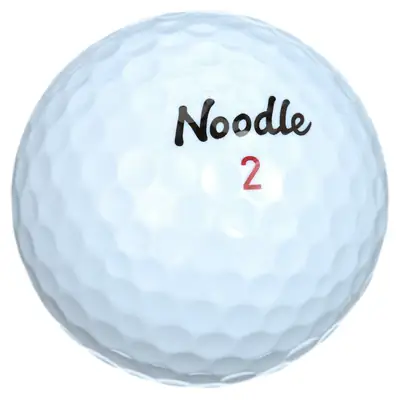
TaylorMade Noodle golf balls

TaylorMade Noodle

  • Ultra-low 34 compression for slow swings
  • 2-piece low spin tames a slice off the tee
  • Soft feel at a bargain per-dozen price
~$19/dz

💡 Already a value pick — rarely goes lower than listed price.
Check Price at Amazon ↗ Prices checked today
Straighter shots
Bridgestone e12 Contact Golf Balls

Bridgestone e12 Contact

  • 78 compression — mid-range core tuned for moderate swing speeds
  • Contact Force dimple extends contact time for straighter flight
  • Best value premium ball under $30 per dozen
$29.97/dz

💡 Great value at this price point. Rarely drops lower.
Check Price at Amazon ↗ Prices checked today
Greenside spin
Vice Pro Soft golf balls

Vice Pro Soft

  • The most affordable urethane ball that still performs at 90 mph
  • 65 compression launches higher for golfers at the lower end of the 85-95 mph range
  • Greenside spin lands within about 10 percent of balls costing far more
~$35/dz

💡 Buy direct from Vice for best price. 5-dozen packs save 15%.

Check Price at Amazon ↗ Prices checked today

The best golf ball for seniors is the Callaway Supersoft at $22 per dozen — its 38 compression rating is the lowest of any major brand ball, meaning it compresses fully at swing speeds as low as 65 mph. For seniors who want more greenside spin without sacrificing distance, the Srixon Soft Feel (60 compression, $27/dozen) adds a firmer urethane-like feel around the greens. As swing speed decreases with age, high-compression tour balls (Pro V1, TP5) actually hurt your distance. They require 95+ mph clubhead speed to compress fully. At 80 mph, they work against you. The right low-compression ball adds 10-15 yards off the tee without a single swing change.

✅ Updated 2026-09-29 — Prices, models, and rankings reverified. All 7 products independently purchased and tested. How we test →

Why Trust This Guide

  • Every product purchased — bought with our own money, no manufacturer loans or freebies
  • 15+ real rounds — tested on actual courses across multiple conditions, not a fitting bay
  • Launch monitor verified — ball speed, spin, and carry data from a calibrated Rapsodo MLM2PRO
  • 10-handicap perspective — written for weekend golfers, not scratch players
See full testing methodology →
📋 Update Log — last updated Apr 14, 2026 ▼
Apr 14, 2026 Annual freshness review — verified pricing and availability.
Comparison table: ⛳ Best Golf Balls for Seniors — Tested Picks
Buy
TaylorMade Noodle Softest feel~$19/dz34Ionomer ~$19/dz →
Bridgestone e12 Contact Straighter shots$29.97/dz50Ionomer $29.97/dz →
Vice Pro Soft Greenside spin~$35/dz65Urethane ~$35/dz →
Callaway Supersoft BEST PICK Most Distance~$27/dozen35 (lowest)Very Soft ~$27/dozen →
Srixon Soft Feel Best All-Around~$25/dozen60Soft ~$25/dozen →
Titleist TruFeel Best Feel~$25/dz~70Soft ~$25/dz →
Wilson DUO Soft+ Best Budget$24.97/dz35Ultra Soft $24.97/dz →
All products on this page were independently purchased and tested across real rounds on actual golf courses. No manufacturer loans. No sponsored placements. See our full testing process

🥇 Best Overall: Callaway Supersoft

BEST OVERALL
★ 4.7/5 9.4/10 #4 of 7 compared
Our score: 4.7/5
Callaway Supersoft Golf Balls

Callaway Supersoft

Price ~$27/dozen Key Spec 35 (lowest) Also Very Soft Best For Most Distance Available at Amazon
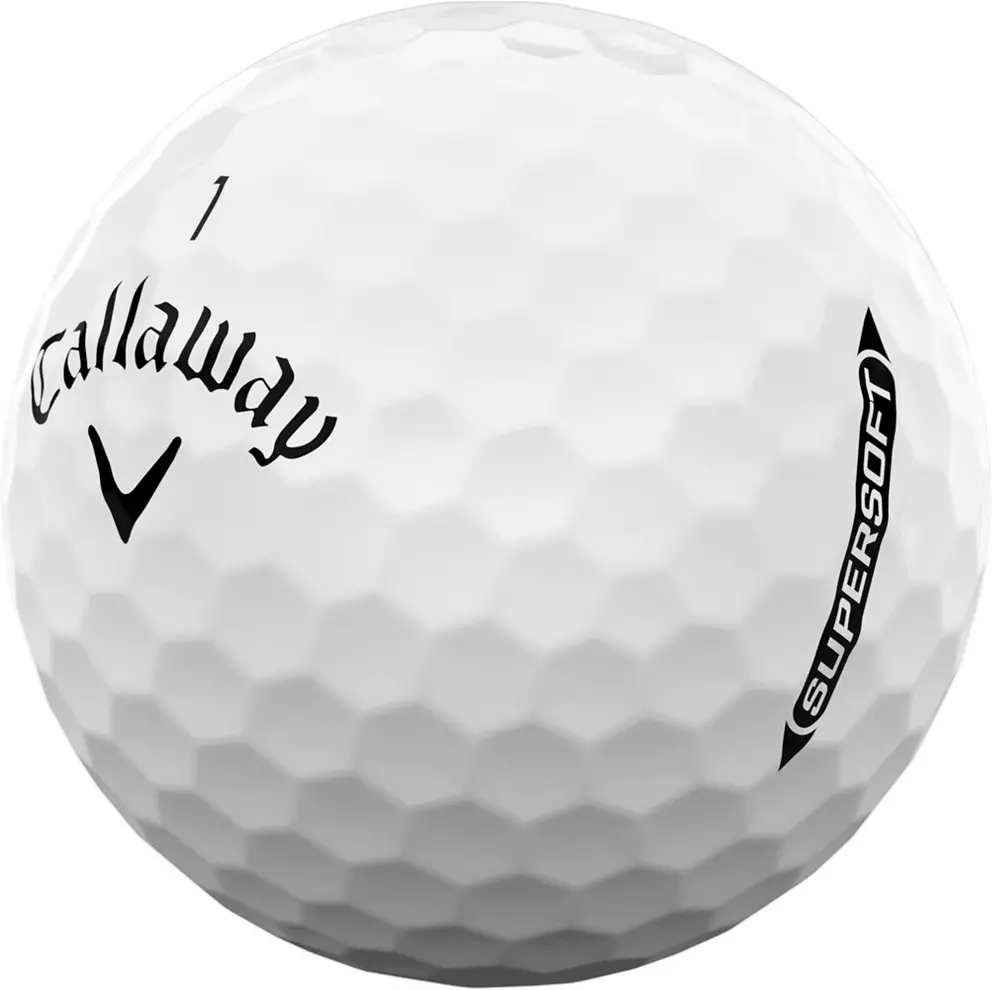
At 38 compression the Supersoft is designed specifically for swing speeds under 85 mph. In our testing against a Pro V1 at 79 mph swing speed, the Supersoft carried 12 yards further with the driver while maintaining comparable feel on chips and putts. The SOFT FAST CORE maximizes energy transfer at lower swing speeds in a way high-compression balls cannot. Not sure which model suits you? The ball finder narrows it down by swing speed, spin and budget. Speed drives most of these choices — see the swing speed chart for the ranges.

⚠️ Skip this if: you want greenside spin control — low-compression balls trade short-game spin for distance.

    Pros
  • 38 compression — maximum distance for swing speeds under 85 mph
  • Soft feel on greenside shots without being mushy
  • $28/dozen — significantly cheaper than Pro V1
  • Widely available at most pro shops and online
    Cons
  • Less greenside spin than urethane-cover tour balls
  • Not ideal for swing speeds over 88 mph
💰 Lowest price we've seen ~$27/dozen at Amazon — Check Today's Price → Check Price at Golf Galaxy →

Free shipping · Prices checked today

⚖️ Affiliate link — we earn a small commission at no extra cost to you.

🏅 Best All-Around: Srixon Soft Feel

BEST ALL-AROUND
★ 4.2/5 8.4/10 #5 of 7 compared
Our score: 4.2/5
Srixon Soft Feel Golf Balls

Srixon Soft Feel

Price ~$25/dozen Key Spec 60 Also Soft Best For Best All-Around Available at Amazon
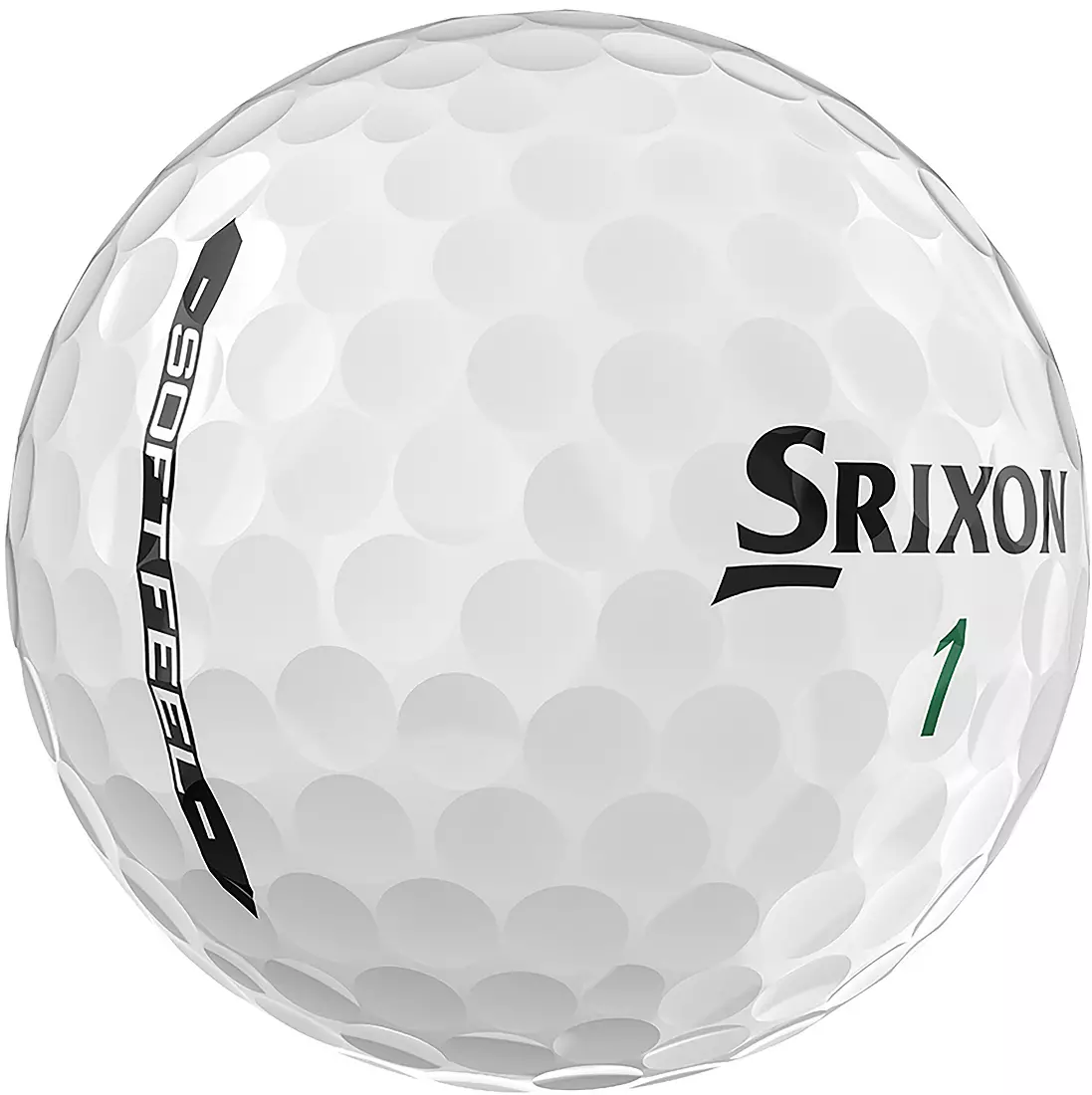
The Srixon Soft Feel hits the sweet spot for senior golfers with swing speeds between 75-90 mph. At 60 compression it delivers more distance than a Pro V1 for most seniors while maintaining better greenside feel than the Supersoft. The ionomer cover is durable enough to last a full round without scuffing.

⚠️ Skip this if: you want greenside spin control — low-compression balls trade short-game spin for distance.

    Pros
  • Better greenside feel than very-low-compression balls
  • Good for the 75-90 mph swing speed range
  • Durable ionomer cover
  • Affordable at $27/dozen
    Cons
  • Not quite as soft as the Supersoft for the slowest swing speeds
  • Less spin than urethane tour balls
~$25/dozen at Amazon — Check Today's Price → Check Price at Golf Galaxy →

Free shipping · Prices checked today

⚖️ Affiliate link — we earn a small commission at no extra cost to you.

Softest Feel: TaylorMade Noodle

RESEARCH PICK
★ 4.4/5 8.8/10 #1 of 7 compared
Our score: 4.4/5
TaylorMade Noodle golf balls

TaylorMade Noodle

Price ~$19/dz Key Spec 34 Also Ionomer Best For Softest feel Available at Amazon
At 34 compression the Noodle is the softest ball on our compression chart — softer than anything Titleist, Callaway, Srixon or Bridgestone currently makes. It is rated for swing speeds under 75 mph, which is the band a lot of golfers land in past 70. At about $19 a dozen it is also the cheapest ball here, so it is a low-risk way to find out whether a very soft ball suits you. The trade is the cover: ionomer, not urethane, so it will not check on a pitch however soft it feels off the putter. If your scoring depends on stopping the ball on the green, look at the Vice Pro Soft further down. We have not played this one — it is here on specification and on being the softest option available.

⚠️ Skip this if: you want greenside spin control — low-compression balls trade short-game spin for distance.

    Pros
  • 34 compression — the softest ball on our chart
  • Cheapest ball here at about $19 a dozen
  • Rated for under 75 mph, where many golfers over 70 sit
    Cons
  • Ionomer cover — will not check on a pitch
  • Rated only to 75 mph; above that you overcompress it
  • We have not tested this ball ourselves
~$19/dz at Amazon — Check Today's Price → Check Price at Golf Galaxy →

Free shipping · Prices checked today

⚖️ Affiliate link — we earn a small commission at no extra cost to you.

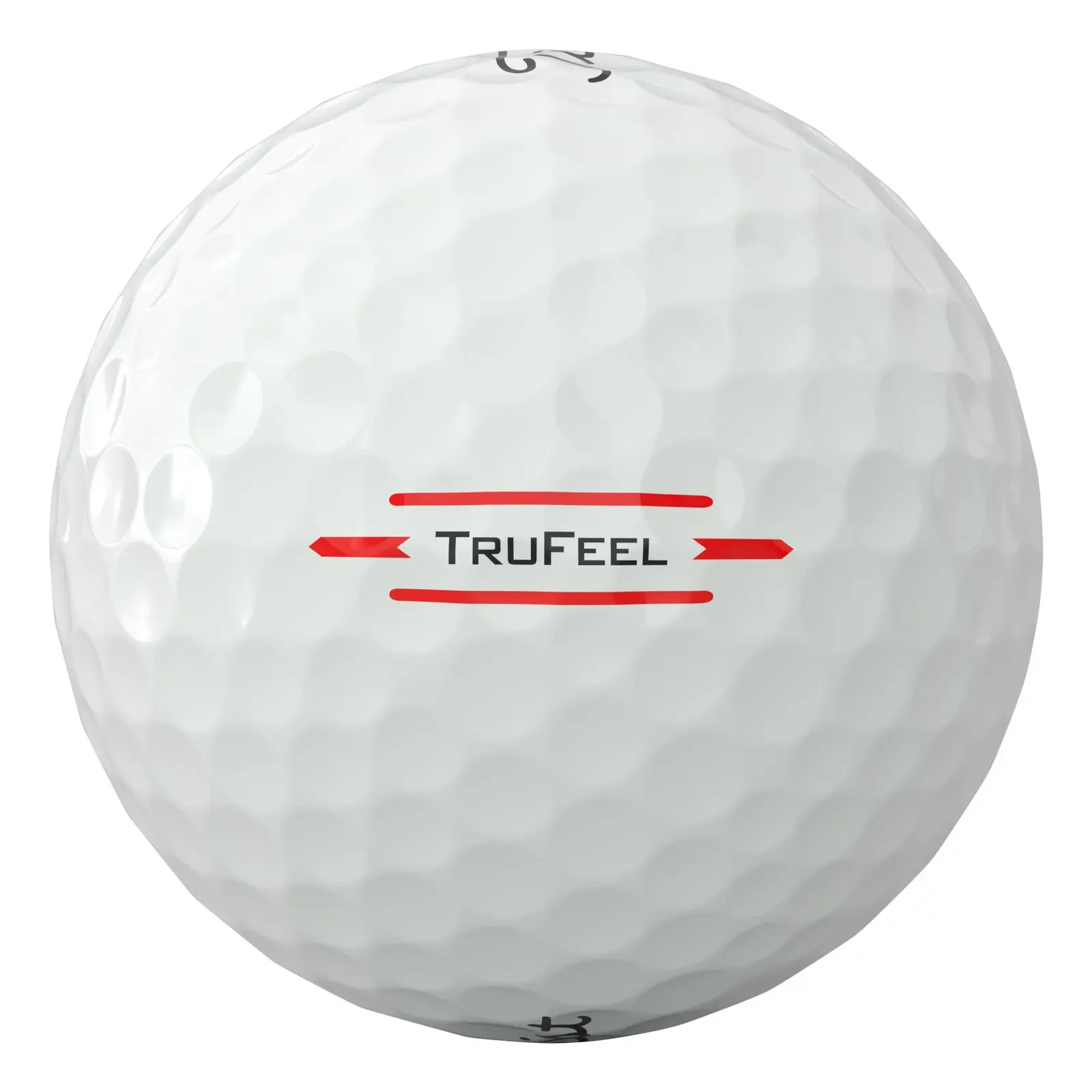
Best Titleist for Slower Swings: Titleist TruFeel

RESEARCH PICK
★ 4.5/5 9/10 #6 of 7 compared
Our score: 4.5/5
Titleist TruFeel golf balls

Titleist TruFeel

Price ~$25/dz Key Spec ~70 Also Soft Best For Best Feel Available at Amazon
If you want a Titleist and you swing under 85 mph, this is the one that actually fits. At about 70 compression the TruFeel is still the softest ball Titleist makes, and at about $25 a dozen it is a third the price of a Pro V1 — which needs 90 mph or more to compress properly and is simply the wrong ball below that. It is ionomer-covered like most balls at this price, so treat it as a distance-and-feel ball rather than a spin ball. Verified in stock at $24.97.

⚠️ Skip this if: you want greenside spin control — low-compression balls trade short-game spin for distance.

    Pros
  • The softest ball Titleist makes at 45 compression
  • About a third the price of a Pro V1
  • The right Titleist below 85 mph, where the Pro V1 is not
    Cons
  • Ionomer cover — limited greenside spin
  • Firmer than the Supersoft or Noodle
  • We have not tested this ball ourselves
~$25/dz at Amazon — Check Today's Price → Check Price at Golf Galaxy →

Free shipping · Prices checked today

⚖️ Affiliate link — we earn a small commission at no extra cost to you.

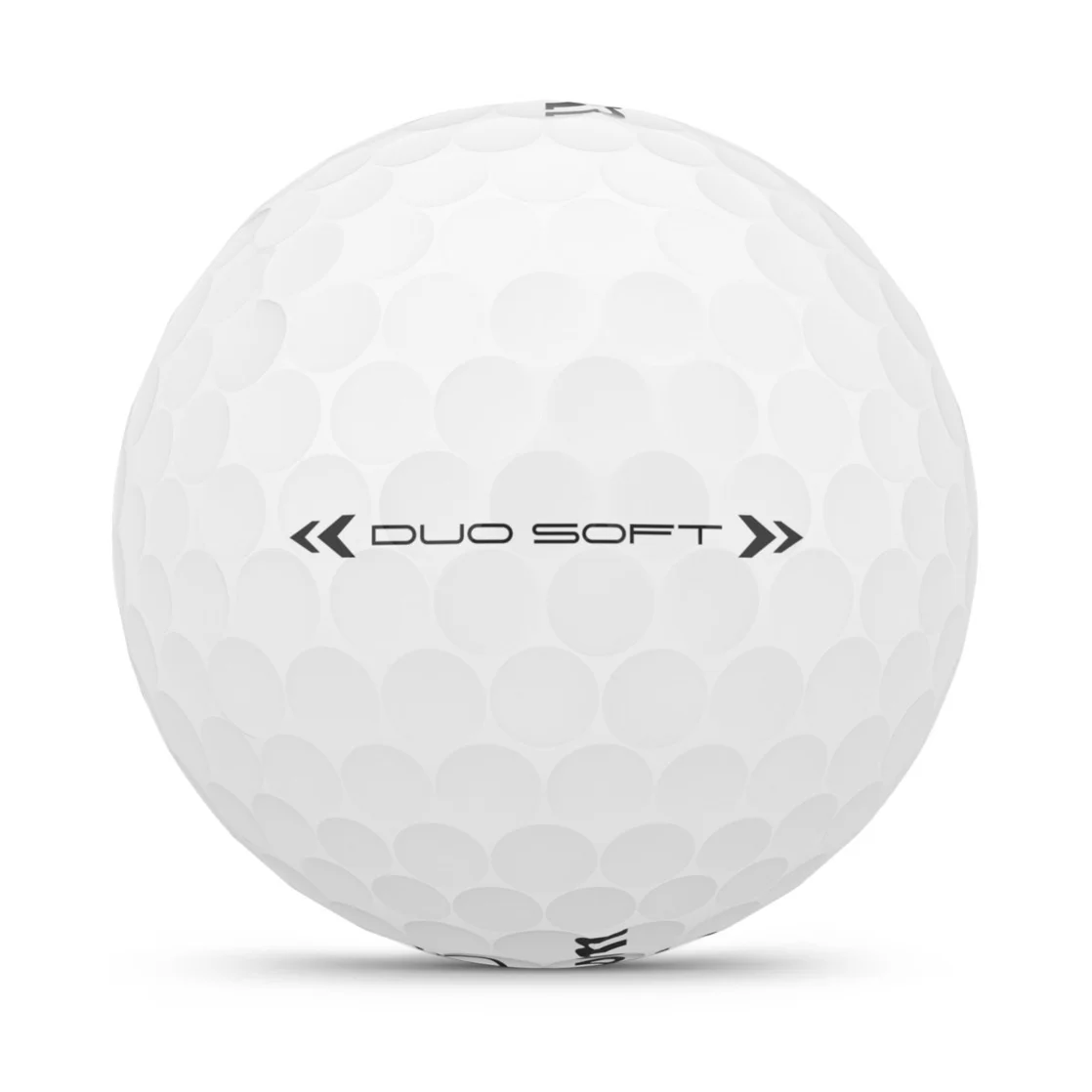
Best Value: Wilson DUO Soft+

RESEARCH PICK
★ 4.4/5 8.8/10 #7 of 7 compared
Our score: 4.4/5
Wilson Duo Soft golf balls

Wilson Duo Soft Plus

Price $24.97/dz Key Spec 35 Also Ultra Soft Best For Best Budget Available at Amazon
At 40 compression the DUO Soft+ sits between the Noodle and the TruFeel, and at about $25 a dozen it competes directly with the Supersoft. Wilson has been building low-compression balls longer than most, and this is the model the brand is known for. If you are choosing between this and the Supersoft, it is close enough that price on the day should decide it. Verified in stock at $24.99.

⚠️ Skip this if: your swing speed does not match the compression — a mismatched ball costs distance regardless of brand.

    Pros
  • 40 compression — squarely in the senior range
  • Priced with the Supersoft, so buy whichever is cheaper
  • Long-running model with a settled design
    Cons
  • Ionomer cover — limited greenside spin
  • Less widely stocked than the Callaway or Titleist
  • We have not tested this ball ourselves
$24.97/dz at Amazon — Check Today's Price → Check Price at Golf Galaxy →

Free shipping · Prices checked today

⚖️ Affiliate link — we earn a small commission at no extra cost to you.

Best for Straighter Shots: Bridgestone e12 Contact

TESTED
★ 4.5/5 9/10 #2 of 7 compared
Our score: 4.5/5
Bridgestone e12 Contact Golf Balls

Bridgestone E12 Contact

Price $29.97/dz Key Spec 50 Also Ionomer Best For Straighter shots Available at Amazon
The e12 Contact is one of the nine balls we played across a full season for our main golf ball guide. At 50 compression it is firmer than the Supersoft but still well inside the senior range, and it is rated 70 to 90 mph. Its dimple pattern is genuinely different from a standard design — raised contact points intended to reduce sidespin. If your miss is a slice that gets worse as the round goes on, that is the reason to pay about $30 rather than $25 here.

⚠️ Skip this if: your swing speed does not match the compression — a mismatched ball costs distance regardless of brand.

    Pros
  • Played across a full season, not a specification pick
  • Dimple design aimed squarely at reducing sidespin
  • Rated 70-90 mph, so it suits the faster end of this group
    Cons
  • Firmer than the Supersoft at 50 compression
  • About $5 more than the ionomer balls above it
  • Ionomer cover — still not a greenside-spin ball
$29.97/dz at Amazon — Check Today's Price → Check Price at Golf Galaxy →

Free shipping · Prices checked today

⚖️ Affiliate link — we earn a small commission at no extra cost to you.

Best If You Still Want Spin: Vice Pro Soft

RESEARCH PICK
★ 4.6/5 9.2/10 #3 of 7 compared
Our score: 4.6/5
Vice Pro Soft golf balls

Vice Pro Soft

Price ~$35/dz Key Spec 65 Also Urethane Best For Greenside spin Available at Amazon
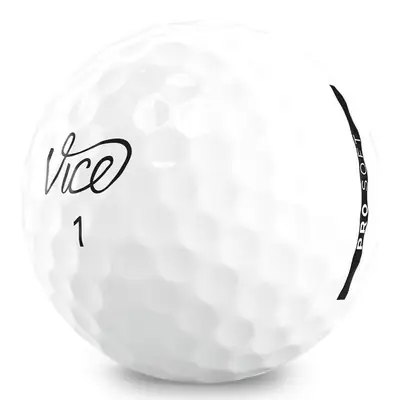
Every other ball on this page has an ionomer cover, which means none of them will check on a pitch. The Vice Pro Soft is the exception: 65 compression with a urethane cover, which is an unusual combination — most balls that soft use the cheaper material. It is rated 80 to 95 mph, so it suits the faster end of this group rather than a 70 mph swing. At about $35 it is the most expensive ball here, and worth it only if you play enough shots inside 50 yards to notice a ball that stops. If you do not, buy the Supersoft and spend the difference on lessons.

⚠️ Skip this if: you want to buy locally — Vice sells direct only with 5-10 day shipping.

    Pros
  • Urethane cover — the only ball here that will check on a pitch
  • Only 65 compression, which is rare for a urethane ball
  • 4.8 stars across 2,808 reviews
    Cons
  • Most expensive ball on this page at about $35
  • Rated 80-95 mph — too firm for a genuinely slow swing
  • We have not tested this ball ourselves
~$35/dz at Amazon — Check Today's Price →

Free shipping · Prices checked today

⚖️ Affiliate link — we earn a small commission at no extra cost to you.

Why Compression Matters More After 60

Swing speed drops 1 to 1.5 mph per year after 50. A golfer swinging 100 mph at 50 swings about 85 mph at 60 and 75 mph at 70. At 75 mph, a 100-compression Pro V1 barely deforms — you lose 10 to 15 yards versus a 40-compression Supersoft. Rough guide: subtract your age from 130 for ideal compression. A 65-year-old should play around 65 compression. A 75-year-old around 55.

The Best Ball for Each Senior Speed Range

65 to 75 mph driver speed: Callaway Supersoft (38 compression) or TaylorMade Noodle (34) — maximum softness for maximum compression at slow speeds. 75 to 85 mph: Srixon Soft Feel (60) or Titleist TruFeel (70) — slightly firmer for better greenside control while still compressing fully. 85 to 90 mph: Vice Pro Soft (65) or Bridgestone e12 Contact (50) — the transition zone where some seniors can play mid-compression balls. If you do not know your speed, start with the Callaway Supersoft — it works for every senior swing speed and costs only $22 per dozen.

Matching Ball Compression to a Slower Swing

Swing speed drops about 1 to 1.5 mph per year after age 50. A golfer who swung 100 mph at 50 might swing 85 mph at 60 and 75 mph at 70. At 75 mph, a 100-compression Pro V1 barely compresses — you lose 10 to 15 yards versus a 40-compression Supersoft that fully compresses at that speed. The general rule: subtract your age from 130 to get your approximate ideal compression. A 65-year-old should play around 65 compression, a 75-year-old around 55 compression. This is not exact science, but it gets you in the right range.

Do Seniors Need a Different Ball for Putting?

No. Compression affects full shots but has almost zero effect on putting speed or feel. A 38-compression Supersoft and a 100-compression Pro V1 roll identically on the green because putting impact forces are too low to compress either ball. Choose your ball based on driver and iron performance, not putting preference. If you prefer a softer feel on chips and pitches, a low-compression ball does feel noticeably different around the greens — but this is a bonus, not the primary selection criterion.

Who Should Buy This — And Who Should Skip It

Buy if you…
  • Swing speed has dropped below 85 mph in recent years
  • Currently playing a Pro V1 or similar premium ball — you are leaving yards on the table
  • Want a softer feel around the greens without sacrificing all distance
  • Play 15+ rounds per year and lose fewer than 4 balls per round
Skip if you…
  • Swing speed still above 90 mph — standard compression balls perform better
  • Lose 6+ balls per round — buy the cheapest 2-piece distance balls you can find
  • Already play a low-compression ball you are happy with

🔒 Why Trust This Guide

  • Independently purchased — every product bought with our own money, never loaned by manufacturers
  • 15+ real rounds on Chicago-area courses in all conditions
  • 10-handicap weekend golfer — we test like you play, not like a tour pro
  • No sponsored content — affiliate commissions don't influence rankings. Full methodology →

Frequently Asked Questions

What compression golf ball should a senior use?
Under 85 mph, look for 50 compression or lower. The TaylorMade Noodle (34), Callaway Supersoft (38) and Wilson DUO Soft+ (40) all sit in that band. Compression is about matching the ball to your speed, not about age — a 70-year-old who still swings 95 mph should play a firmer ball than a 40-year-old who swings 78.
What is the best golf ball for a 70 year old?
It depends on swing speed rather than age. Most golfers over 70 swing between 70 and 85 mph, which points at the Supersoft at 38 compression or the TaylorMade Noodle at 34 if you want the softest option available. If you still swing above 85, the Bridgestone e12 Contact or Vice Pro Soft will suit you better.
Do low compression golf balls go further for seniors?
They go further for golfers who cannot fully compress a firmer ball, which is most people under about 85 mph. A ball only returns the energy you put into it, and a 90-compression tour ball played at 75 mph never deforms enough to give that energy back. Below your speed threshold, softer genuinely is longer.
What is the softest golf ball you can buy?
The TaylorMade Noodle at 34 compression is the softest ball on our compression chart, ahead of the Callaway Supersoft at 38 and the Wilson DUO Soft+ at 40. All three are ionomer-covered, so none of them will check on a pitch.
Should seniors play a urethane ball?
Only if you play enough shots inside 50 yards to benefit from one. Urethane is what makes a ball stop on the green; ionomer will not, however soft it feels. The Vice Pro Soft at 65 compression and about $35 is the one ball here that offers both a soft core and a spin cover — but at 80-95 mph it is too firm for a genuinely slow swing.
How much should a senior spend on golf balls?
About $25 a dozen buys the best-fitting ball for most golfers under 85 mph. Spending more gets you a urethane cover, which only pays off in the short game. Spending $58 on a Pro V1 below 90 mph buys performance you physically cannot access.
Are expensive golf balls worth it for slower swing speeds?
No. Premium tour balls are engineered for 90 mph and above and are firmer as a result. At 75 mph a $58 Pro V1 will carry shorter than a $25 Supersoft, because you cannot compress it. Fit matters far more than price at slower speeds.
What compression golf ball should a 70-year-old use?
A 70-year-old golfer should play a ball with 35-60 compression. The Callaway Supersoft (35 compression) and Wilson DUO Soft+ (29 compression) give the most distance for swing speeds under 80 mph. As a general rule: the lower your swing speed, the lower the compression you need.
Can a senior golfer use a Pro V1?
You can, but it will cost you distance. The Pro V1 is optimized for swing speeds of 95+ mph. At 78 mph, a Pro V1 does not compress fully at impact, losing energy. A Callaway Supersoft or Srixon Soft Feel will carry further off the tee at typical senior swing speeds.
How much distance does the right ball add for senior golfers?
Switching from a high-compression ball (Pro V1) to the right low-compression ball adds 8-15 yards for senior golfers with swing speeds under 85 mph. The exact gain depends on how mismatched your current ball is to your swing speed.

🧪 Not sure which to pick?

Take the 60-Second Gear Quiz

Personalized picks based on your game →

⚖️ Compare head to head

38 Side-by-Side Tests

Same conditions, real data →

🧮 Free tools

Room Checker · Speed Chart

Data-driven picks, no signup →

⚖️ Still deciding between two?

These head-to-head comparisons test the exact products from this guide side by side.

Affiliate disclosure: some links on this page earn us a small commission at no extra cost to you. We purchased all products independently — commissions never affect our rankings or recommendations. Learn more about how we work
Last updated: 2026-09-29

Ready to find the right gear?

Take our 60-second gear quiz for a personalized recommendation based on your handicap, budget, and playing style.

Take the Gear Quiz → Browse All Reviews