In this guide 6 sections
Point at the flag, press once, wait for vibration. That is 90% of rangefinder use. The skill is knowing when to range the flag vs. range a hazard edge — and building this into your pre-shot routine so it takes under 10 seconds. Our top pick: the Bushnell Tour V7 Shift (~$399).
Our #1 Pick: ~$399 at Bushnell — Check Today's Price ↗Read the full guide below.
A rangefinder is simple to operate but easy to underuse. Most weekend golfers point it at the flag, get a number, and put it away. The golfers who get the most out of it also range hazard edges on risky shots, layup distances on par 5s, and the front of the green when playing into the wind. This guide covers how to use it correctly at every type of shot.
📋 Update Log — last updated Apr 10, 2026 ▼
Basic Pin Acquisition — The Right Technique
Using Slope Mode Correctly
When to Range Hazards Instead of the Flag
Integrating Into Your Pre-Shot Routine
Common Mistakes
- Ranging after addressing the ball — Range before you commit to your setup, not after. Changing clubs mid-routine disrupts your routine.
- Not confirming the reading — If the number looks wrong, range again. Locking onto a tree behind the green costs you a stroke.
- Ignoring slope on hilly courses — Elevation change on a hilly course can mean 10-15 yards difference on steep shots. Never ignore slope data when it's available.
- Forgetting wind adjustment — Rangefinders measure distance to the target, not adjusted distance for wind. With a strong headwind, add 1-2 clubs on top of whatever the rangefinder says.
🏌️ Gear That Helps With This
🎯 Our Recommended Gear
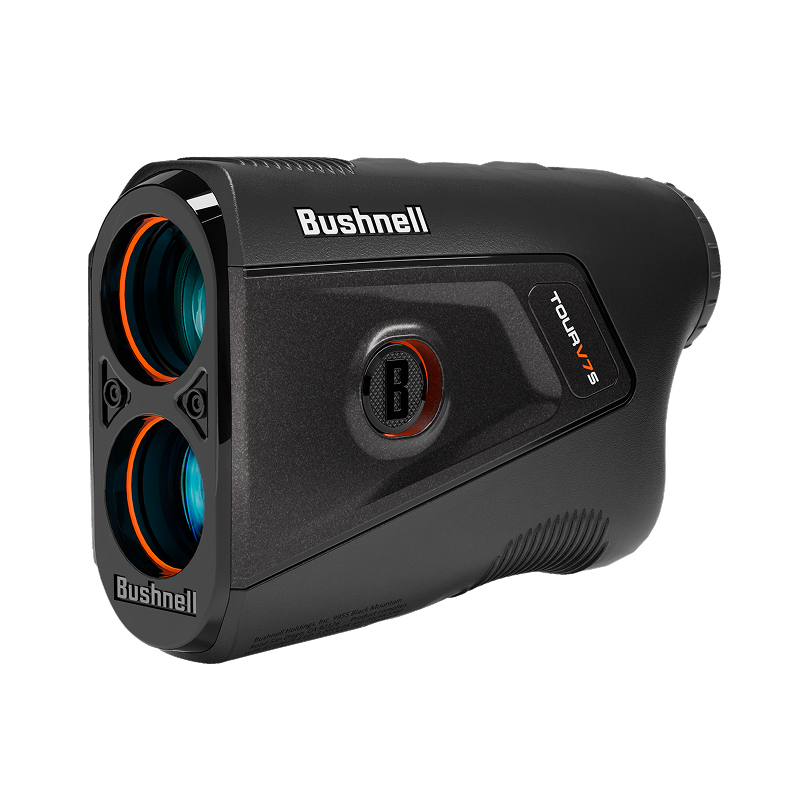
Bushnell Tour V7 Shift
~$399 — the product we use and recommend for this topic.
🎯 Gear that helps with this
Every recommendation is independently purchased and tested over 40+ rounds.
Frequently Asked Questions
How do I stop ranging trees instead of the flag?
Should I use slope mode in competition?
⚖️ Still deciding between two?
These head-to-head comparisons test the exact products from this guide side by side.
Related Guides
More from these brands
🏢 More for Cubicle Golfers
You work 9-to-5. Golf is your weekend reset. These guides are built for your schedule.
Ready to find the right gear?
Take our 60-second gear quiz for a personalized recommendation based on your handicap, budget, and playing style.
Take the Gear Quiz → Browse All Reviews