LISTICLE

25 Golf Accessories Every Golfer Should Own

Ryan O., Cubical Golfer founder and gear editor
Ryan O. 10-handicap weekend golfer, Chicago, IL 📖 2,000 words  ·  📅 Updated: 2026-06-30  ·  ⛳ How we test →
Independently tested

Why Trust This Guide

See full testing methodology →

ℹ️ Disclosure: We earn a small commission (typically 3-4%) if you buy through our links. This never influences our rankings — every product was independently purchased and tested.

⚡ Quick Answer

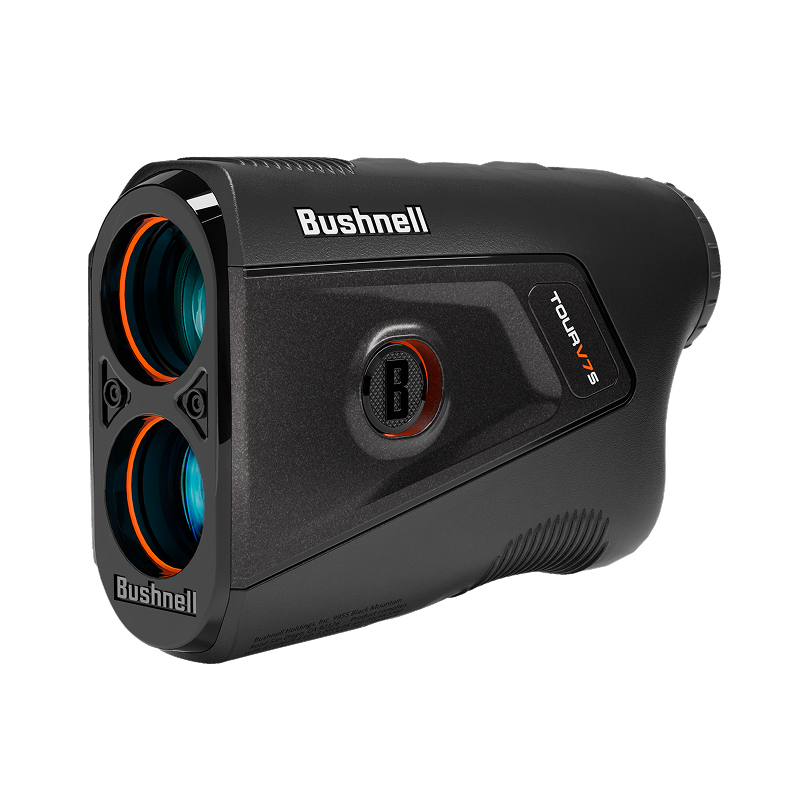
The 5 must-own golf accessories: a quality glove ($18), a groove cleaning brush ($8), magnetic ball markers ($8), a rain towel ($18), and alignment sticks ($12). Total: $64 for gear you will use every single round. Our top pick: the Bushnell Tour V6 Shift (~$329).

Our #1 Pick: ~$8 at Amazon — Check Today's Price ↗

Read the full guide below.

You don't need a $500 driver to play better golf. Half the strokes you're losing are to unforced errors. These 25 accessories fix all of that for under $200 total.

📋 Update Log — last updated Mar 25, 2026
Mar 25, 2026 Annual freshness review — verified pricing and availability.
All products on this page were independently purchased and tested across real rounds on actual golf courses. No manufacturer loans. No sponsored placements. See our full testing process

Building Your Golf Kit From Scratch

You do not need to spend $500 to have every accessory that matters on the course. The essentials cost under $100 total and solve real problems: lost balls, wet grips, poor alignment, and slow pace of play. This is the complete list — organized from cheapest to most expensive — of every accessory a weekend golfer should own. Not everything on this list is for everyone. A golfer who plays 10 dry-weather rounds per year does not need rain gear. A golfer who never practices at home does not need a putting mirror. Read each tier and build your kit based on how you actually play. We have used every item on this list over more than two full seasons of regular play. Items that broke, lost usefulness, or collected dust were removed. What remains is the working gear that actually earns a permanent spot in the bag.

The 8 Essentials Every Bag Needs

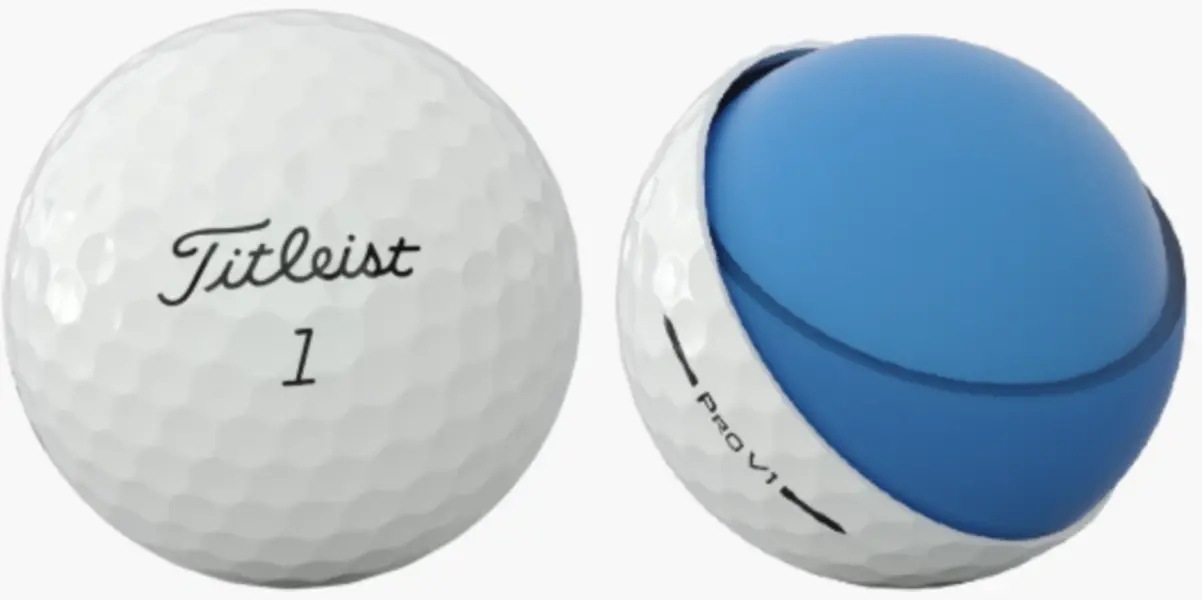
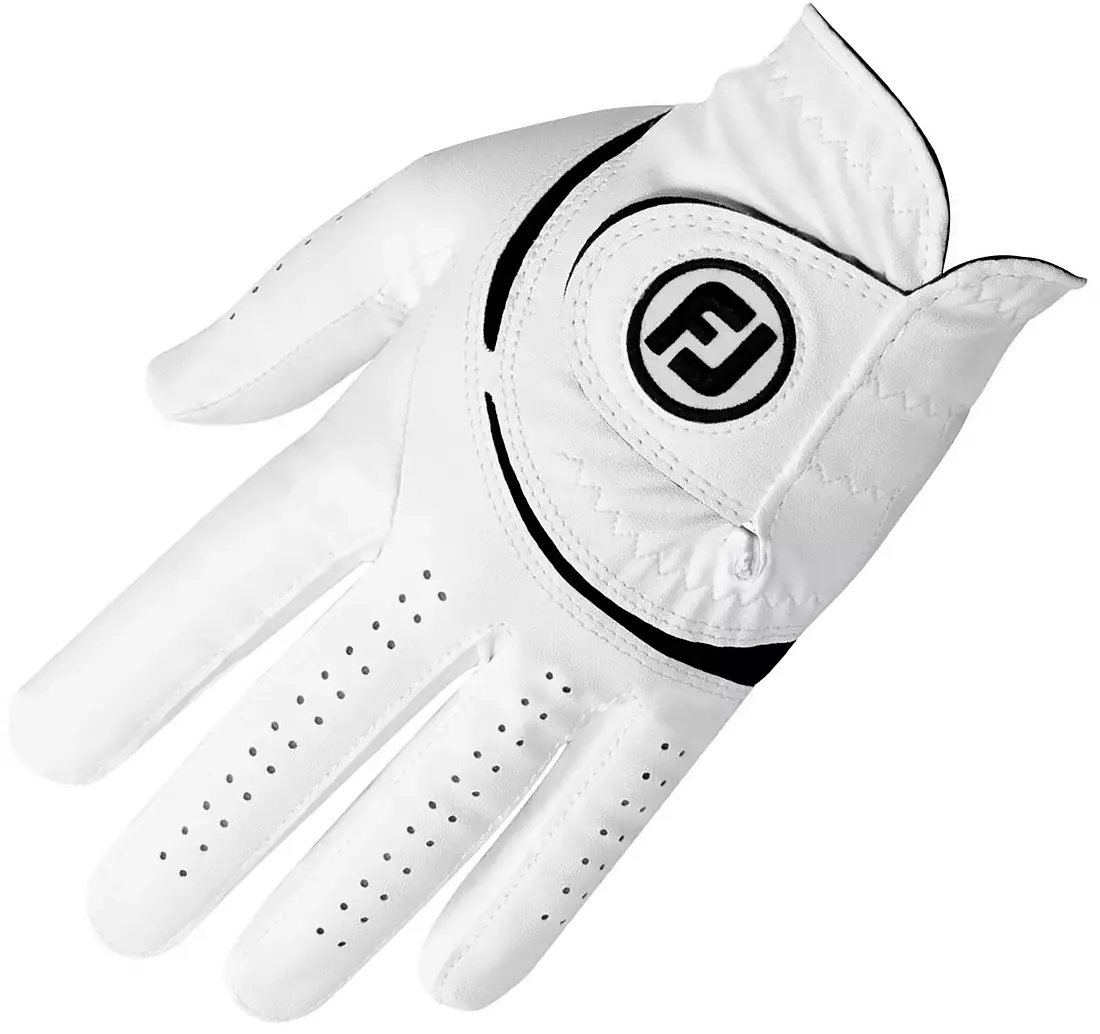
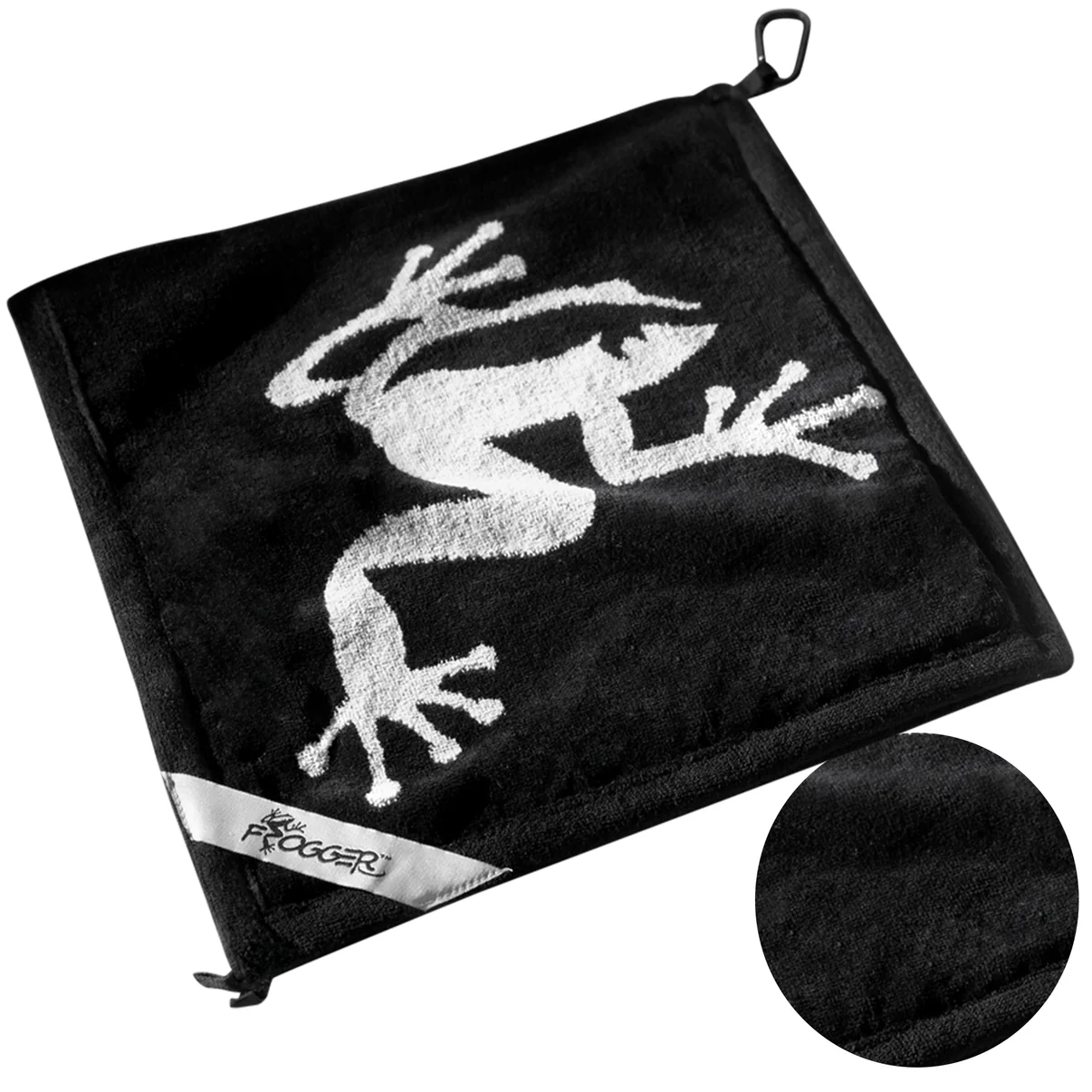
A proper golf glove ($12-20). The synthetic glove that came with your starter set lost its grip 10 rounds ago. A cabretta leather glove like the FootJoy WeatherSof ($15) or Titleist Players ($18) provides genuine feel and grip that lasts 15-20 rounds. Buy your exact hand size — snug, no bunching at the fingertips. Golf balls you trust ($25-55/dozen). Stop playing whatever you find in the woods. Pick one ball and play it consistently so you learn its flight and feel. The full ball guide covers every price point, but the Kirkland Signature ($28/dozen) is the best value for most weekend golfers. Quality wooden tees ($6-10/pack). Cheap plastic tees snap inside the ground and leave debris. Quality hardwood tees in a visible color (orange, neon green) cost the same and you can actually find them after your tee shot. Divot repair tool with ball marker ($8-12). A metal switchblade-style tool repairs pitch marks faster and cleaner than a plastic fork. The built-in ball marker means one less thing to carry. Microfiber golf towel ($10-18). A real microfiber towel cleans clubfaces, wipes balls, and dries grips. The thin cotton towel from the pro shop does none of these well. The Frogger Amphibian ($18) is our pick — it has a wet side and a dry side. A ball marker you can see ($3-8). Stop using a random coin. A bright-colored, oversized ball marker ($5-8) is visible from across the green. Your playing partners will thank you. Sun protection ($15-25 total). A wide-brim hat or performance cap with UPF protection, SPF 50 sport sunscreen that does not run into your eyes, and SPF lip balm. Five hours in direct sun without protection costs you energy on the back nine even if you do not burn. A compact golf umbrella ($20-35). Not a full-size beach umbrella — a 42-inch single-canopy that fits in your bag side pocket. The GustBuster is the standard. When the unexpected storm hits on hole 11, this saves your electronics, your grips, and your round.

The Next 9 Quality-of-Life Upgrades Under $50

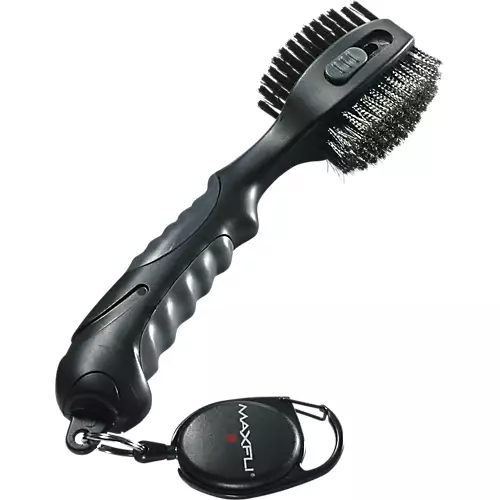
Club groove brush ($8-12). Dirty grooves lose spin. A brass-bristle brush with a retractable clip attaches to your bag and takes 5 seconds per club. Clean grooves add 500-800 rpm of spin on approach shots — that is the difference between a ball that checks and one that rolls through the green. Alignment sticks ($12-15). Two fiberglass rods that set your aim, swing path, and ball position during practice. The most useful $12 you will ever spend on golf. Every tour player uses them. Most amateurs do not — and it shows. Grip enhancer spray or powder ($8-12). On humid or rainy days, a grip enhancer like Dry Grip spray prevents the micro-slips that cause loose shots. Cheaper and more effective than a new glove mid-round. Golf-specific sunglasses ($25-40). Polarized lenses cut glare on water hazards and help you read greens. Tifosi and Goodr make golf-specific tints at the $25-40 range that outperform generic $10 sunglasses without the $200 Oakley price tag. Pocket hand warmers ($8-15 for a season). For spring and fall rounds under 55 degrees, disposable hand warmers in your pockets keep your hands flexible. Cold hands lose feel — and feel is the difference between a solid chip and a chunked one. A quality pencil with clip ($3-5). The free pencil from the pro shop breaks by hole 5. A mechanical pencil with a clip that attaches to your scorecard holder lasts a full season. Small detail that eliminates a recurring annoyance. Ball retriever — telescoping ($15-25). If your course has water hazards and you lose 2+ balls per round, a telescoping ball retriever pays for itself in 3 rounds. Skip it if you rarely lose balls to water. Rangefinder or GPS app (free-$40/year). Before spending $200+ on hardware, try a free GPS app like The Grint. It provides front-middle-back yardages on 40,000+ courses. If you find yourself wanting pin distances, upgrade to a rangefinder (see our full buying guide). A sharpie for ball marking ($2). Draw a line on your ball for putting alignment. Draw dots for identification. Costs nothing, improves every putt.

The 5 Worth Paying Real Money For

A quality stand bag or carry bag ($120-250). If you walk, your bag is the most important equipment decision after clubs. The Sun Mountain 2.5+ ($230) is the gold standard for walkers at 2.8 lbs. A bad bag makes every round uncomfortable. A good bag disappears and lets you focus on golf. See our bag guide for specific picks by use case. A rangefinder ($169-329). Knowing exact yardage eliminates the 10-15 yard guessing error that costs you 3-4 wrong club selections per round. The Precision Pro NX9 HD ($169) with lifetime warranty is the best value. If you play 15+ rounds per year, a rangefinder pays for itself in better club selection within a season. A putting mirror ($12-25). Twenty minutes a week on your carpet with a putting mirror fixes alignment errors that no amount of practice without feedback can address. It shows your eye position, face angle, and stroke path simultaneously. The cheapest meaningful practice aid in golf. A waterproof rain jacket ($60-150). Not a $20 windbreaker — a real waterproof golf jacket with sealed seams and freedom-of-movement sleeves. A round in the rain without waterproof gear is miserable. A round in the rain with good gear is just golf. One purchase lasts 5+ years. A GPS watch ($149-449). If you prefer wrist access over pulling out a rangefinder, a GPS watch like the Garmin S12 ($149) or S62 ($399) gives you distances without breaking stride. It also functions as a daily smartwatch. See our GPS watch guide for detailed recommendations.

The 3 Nice-to-Haves for Frequent Players

A portable launch monitor ($499-699). If you practice at the range weekly, a launch monitor transforms range sessions from mindless ball-hitting into data-driven practice. You learn your actual carry distances, see spin rates, and diagnose ball flight issues. The Garmin Approach R10 ($599) is the sweet spot of price and data quality. Skip this if you play fewer than 20 rounds per year — the data only helps if you have enough rounds to build meaningful patterns. Shot tracking sensors ($179-249/year). Arccos Caddie sensors screw into your grip ends and automatically track every shot via your phone GPS. After 10+ rounds, the strokes gained analysis shows exactly where your game leaks strokes. This is the accessory that turns data into improvement — but only if you review the data after rounds. Be honest about whether you will actually look at the numbers before investing. A portable Bluetooth speaker ($25-50). A small, waterproof speaker clipped to the cart adds background music to a casual round. The etiquette rule: keep volume low enough that the group on the next tee cannot hear it. JBL Clip and similar mini speakers are purpose-built for this. Skip this for competitive rounds or courses with strict noise policies.

What We Left Off the List and Why

Several popular accessories did not earn a spot. Weighted swing trainers under $30. Cheap weighted clubs claim to improve tempo but the weight distribution is so different from a real club that the tempo does not transfer to your actual swing. The Orange Whip ($109) works — but at that price it belongs in the premium tier, not the accessories list. Swing tempo gadgets and clip-on analyzers under $40. We tested three clip-on devices that claim to measure swing plane and tempo. All three lost calibration within a few sessions and produced inconsistent data. At $40 they are too cheap to be accurate and too expensive to be disposable. Branded ball markers and accessories. A $15 ball marker with your favorite brand logo does the same job as a $2 quarter with a dot drawn on it. Golf accessories should solve problems, not display brand loyalty. AI-powered anything under $50. Several products market AI swing analysis or AI caddie features. At this price point, the AI is a basic algorithm doing simple math — not the machine learning that makes products like Arccos ($179+) genuinely useful. If it says AI and costs $30, it is marketing.

How to Upgrade Your Kit Gradually Without Overspending

Most weekend golfers ruin their accessory spend by trying to buy the full kit at once — which produces a $300 cart full of things they will never use. The smarter approach is replacement-driven: every accessory has a natural failure point, and that is when to upgrade. The glove lasts 8-15 rounds before grip degrades — buy a cabretta upgrade when the current one wears through, not before. The towel survives until it stains — replace with a microfiber upgrade. The tees lose to broken plastic — that is the cue to try wooden or castle tees. This pattern produces the right kit for your actual play style instead of a generic kit pulled from a forum thread. The exception: anything that improves a swing or a putt right now — alignment sticks, a putting mirror, a launch monitor accessory — buy those immediately because the strokes you save start today. Everything else can wait for its predecessor to fail.

🎯 Our Recommended Gear

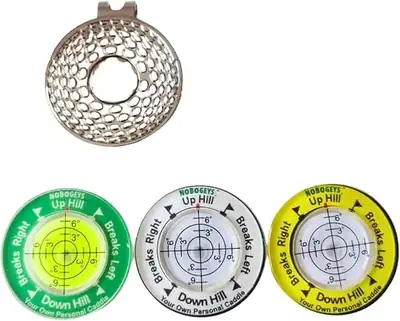
Magnetic Golf Hat Clip Ball Markers

Magnetic Ball Markers

~$8 — the product we use and recommend for this topic.

Frequently Asked Questions

How do I know which accessories I will actually use?
Start with Tier 1 (the 8 essentials) and use them for 5 rounds. Then add one Tier 2 item per month based on problems you notice during play. If you keep losing balls to water, add a retriever. If your grooves are dirty, add a brush. If you practice regularly, add alignment sticks. Building gradually based on actual need prevents buying accessories that collect dust in the garage.
Is buying a starter kit bundle worth it?
Usually no. Starter kit bundles ($30-50 for a bag of accessories) include 2-3 useful items padded with 5-6 items you will never use — branded ball markers, cheap plastic tee holders, generic towels. You end up paying $50 for $15 worth of useful gear. Buy the specific items from Tier 1 individually and you will spend less while getting better quality.
How often should golf accessories be replaced?
Gloves: every 15-20 rounds or when grip feels slick. Golf balls: switch when visibly scuffed or after 3 rounds of heavy play. Towels: once per season if washed regularly. Tees: they are disposable — buy in bulk. Divot tools: lasts years if metal. Alignment sticks: essentially permanent. Rangefinder batteries: every 6-12 months. Replace based on function, not calendar — if it still works, keep using it.
What is the single best golf accessory under $20?
Alignment sticks ($12-15). They improve your aim, swing path, and ball position during every practice session. No other $12 purchase has a comparable impact on your practice quality. A distant second is a club groove brush ($10) — clean grooves add measurable spin that dirty grooves cannot provide.

⚖️ Still deciding between two?

These head-to-head comparisons test the exact products from this guide side by side.

🏢 More for Cubicle Golfers

You work 9-to-5. Golf is your weekend reset. These guides are built for your schedule.

Affiliate disclosure: some links on this page earn us a small commission at no extra cost to you. We purchased all products independently — commissions never affect our rankings or recommendations. Learn more about how we work
Last updated: 2026-06-30

Ready to find the right gear?

Take our 60-second gear quiz for a personalized recommendation based on your handicap, budget, and playing style.

Take the Gear Quiz → Browse All Reviews