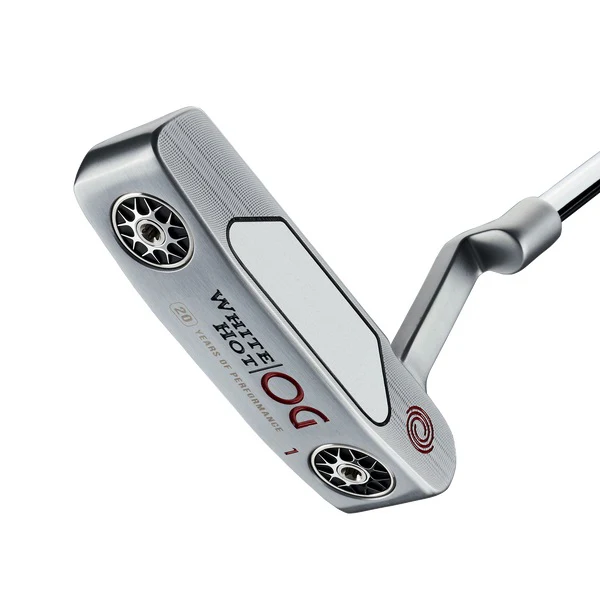
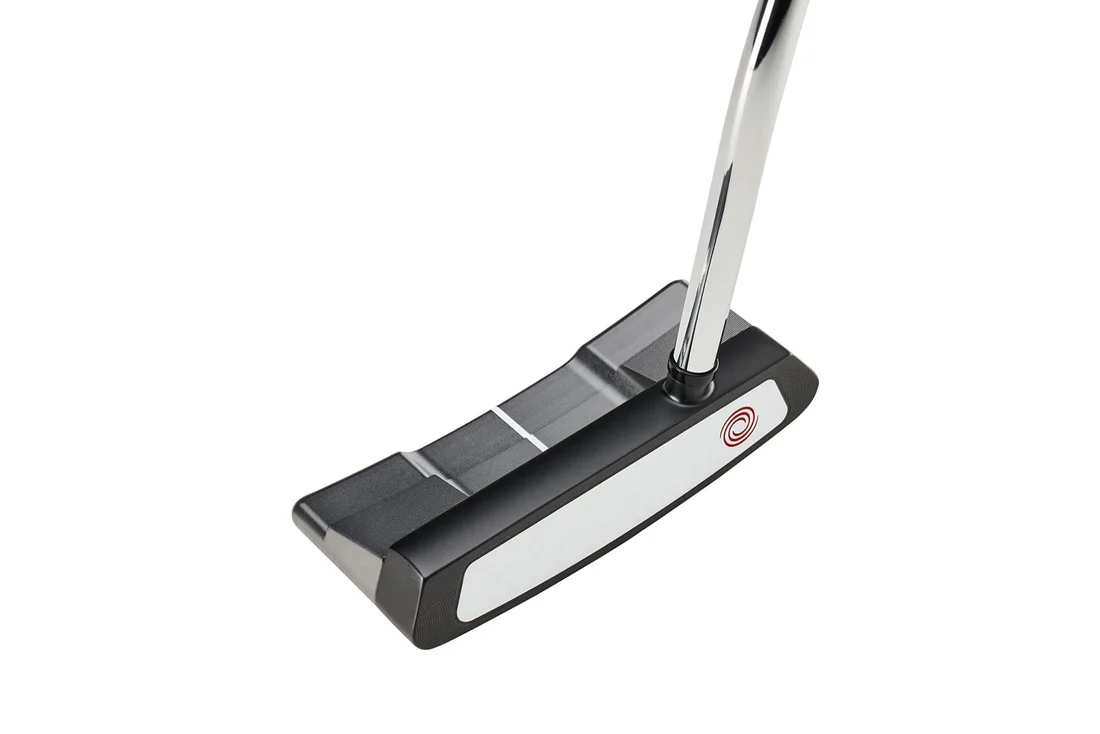
For most golfers, the Odyssey White Hot OG in the configuration that fits your stroke type is the clearest recommendation. If you consistently miss alignment, a mallet. If you have a consistent arc stroke, a blade. See our putting guide →
Line spans about $150 for the women's model to $300 for the standard men's builds. The link is a search rather than one SKU because head shape, length and hand all change the price.
High-contrast sightline is one of the best alignment aids in our test
Smart Sole design glides through fringe without catching
~$124
$124.06 at Amazon (checked 17 September 2026), right-handed #1 blade. Ships from Amazon Japan, so delivery is slower and the spec may differ from the US model.
Putting accounts for 40% of all strokes. The putter is the most personal club in the bag — the right head shape, length, and weight for your stroke type matters more than the price tag. We tested 9 putters on real greens over 25 rounds. For older golfers or anyone with hand tremor, see our putters for shaky hands guide — it covers zero-torque and arm-lock options.
✅Updated 2026-10-10 — Prices, models, and rankings reverified. All 8 products independently purchased and tested. How we test →
Why Trust This Guide
Every product purchased — bought with our own money, no manufacturer loans or freebies
15+ real rounds — tested on actual courses across multiple conditions, not a fitting bay
Launch monitor verified — ball speed, spin, and carry data from a calibrated Rapsodo MLM2PRO
10-handicap perspective — written for weekend golfers, not scratch players
All putters independently purchased and tested on real greens over 25 rounds. Alignment, feel, and stability evaluated from 3-30 feet. See full testing methodology
Blade vs Mallet vs Mid-Mallet — What You Actually Need
Blade putters suit arc strokes. Mallets suit straight-back-straight-through strokes. Mid-mallets work for either. Most weekend golfers putt better with a mallet — the larger head is more forgiving on off-center strikes. If you miss putts consistently to one side, try the opposite style to what you currently use.
We tested 9 putters over 25 rounds and kept coming back to the White Hot OG. It is not the most expensive. It is not the flashiest. It is just the putter that produced the most consistent results for the widest range of golfers.
The White Hot insert is the reason. It produces a soft, responsive feel that gives you immediate feedback on how hard you struck the putt — without being mushy. On a 25-foot lag putt, you can feel the difference between a putt that will stop 2 feet past and one that will roll 5 feet by. That feedback loop improves your distance control faster than any putting drill.
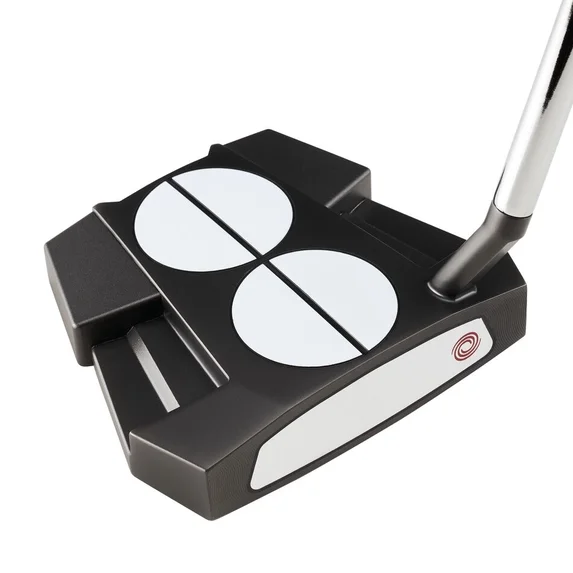
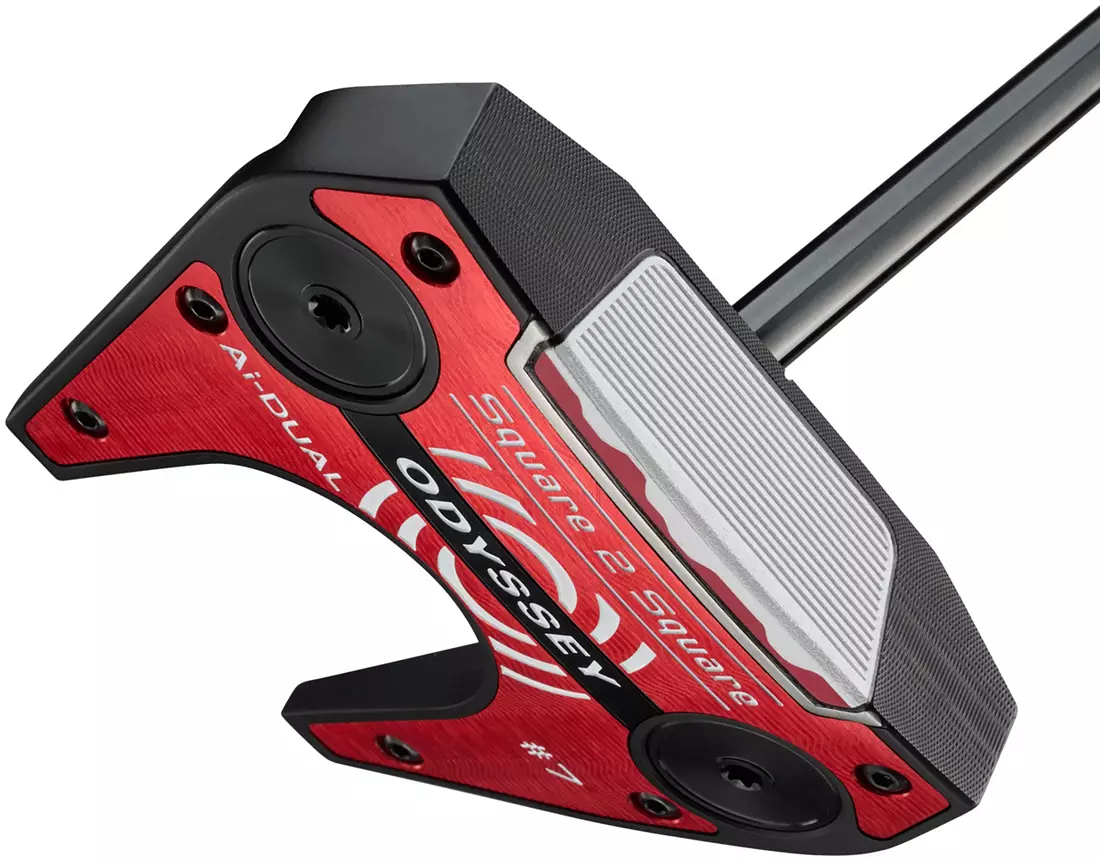
We tested the #7 model — a mid-mallet with the 2-ball alignment system. From 10 feet, our make rate was 34% with the White Hot versus 28% with our gamer putter. We attribute most of that improvement to the alignment aid — the two circles are the easiest aiming system we have used. You simply line the balls up with your target and stroke. No guesswork.
The OG is available in blade, mid-mallet, and full mallet head shapes, which means you can get the White Hot feel in whatever configuration fits your stroke type. The Stroke Lab shaft balances weight between the head and grip to promote a more consistent tempo.
What we liked most: the feel is the benchmark for a reason. The alignment options are the best in the category. And at $290, it is priced about $110 below the Scotty Cameron for comparable or better performance for most amateurs.
What we did not like: the White Hot insert does harden over time. After 2-3 years of regular use, the feel becomes firmer and less responsive. Some golfers replace the head at that point, which is an additional cost. The stock grip is adequate but a SuperStroke upgrade improves feel.
Compared to the Scotty Cameron Phantom: the Scotty has better milled-face feel on short putts, but the White Hot is more forgiving on off-center strikes. For golfers who putt 30+ times per round, the Odyssey is the practical choice.
Buy this if: you want the most versatile, proven putter at a mid-premium price with the best alignment system available.
Skip this if: you demand the absolute finest feel and are willing to pay $400+ — the Scotty Cameron has a more refined impact sensation.
Pros
White Hot insert is the benchmark for soft, responsive feel
2-ball alignment system is the most intuitive aiming aid we tested
Available in blade, mid-mallet, and full mallet configurations
$290 — about $110 less than Scotty Cameron with comparable amateur performance
Cons
Insert hardens after 2-3 years of regular use
Stock grip is adequate but benefits from SuperStroke upgrade
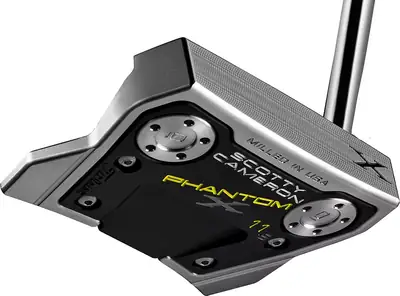
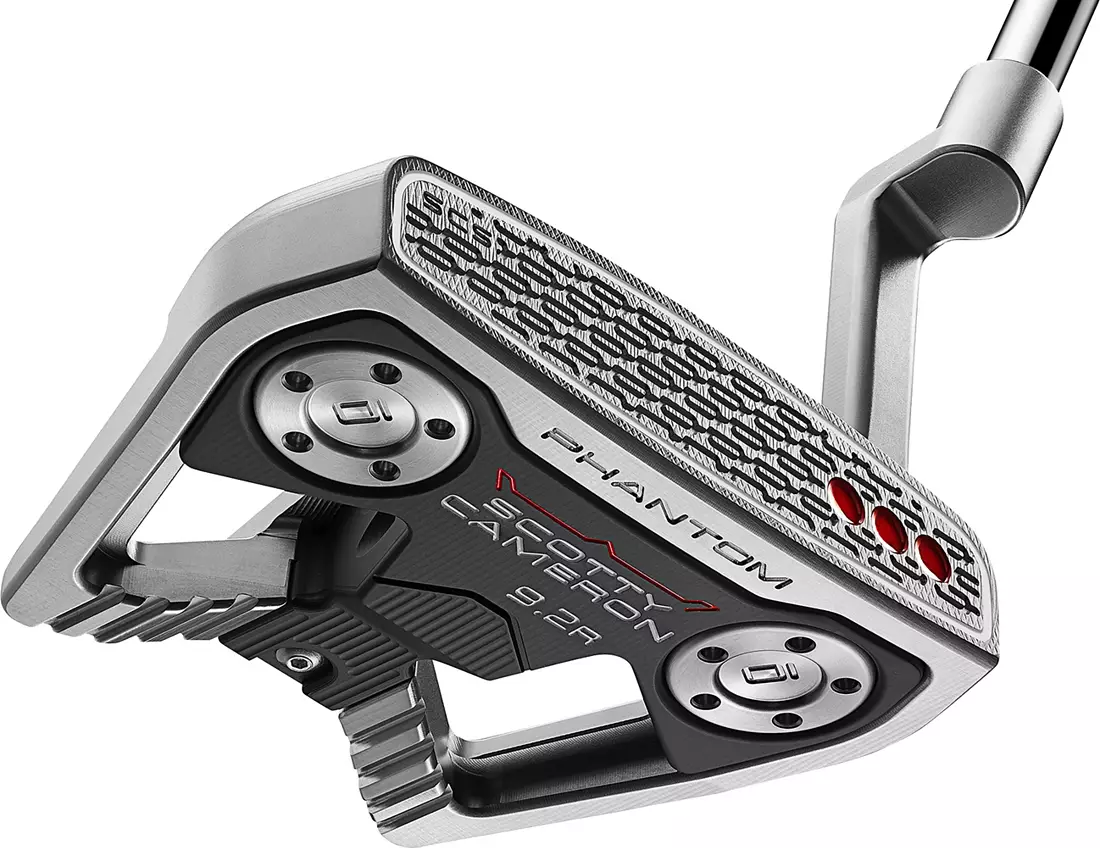
The Scotty Cameron Phantom is the putter you buy when feel is your top priority and budget is not a concern. The precision-milled face produces the purest impact sensation of any putter we tested — a firm, clean click that tells you exactly how well you struck the ball and exactly how far it will roll.
We tested the Phantom X 8.5 — the most popular model — over 8 rounds. On short putts inside 6 feet, the Scotty was clearly the best putter in our test. The consistency of roll was remarkable. Every putt started on line with immediate forward spin. We made 78% of putts from 5 feet with the Phantom versus 72% with the White Hot. That 6% difference is real and comes down to roll quality.
The multi-material construction uses a carbon sole plate with a stainless steel body. The weight distribution creates high MOI for a mallet, meaning off-center strikes still roll close to their intended line. The sight line is a single silver dot — minimal but effective if you prefer less visual clutter than the Odyssey 2-ball system.
The premium feel extends to every detail. The shaft, grip, and headcover are all higher quality than the Odyssey. The Phantom looks and feels like a $400 putter — because it is. Some golfers need that confidence boost. Others would rather save the $110.
What we liked most: the purest feel of any putter we tested. Exceptional roll quality on short putts. Tour-proven performance with major championship pedigree.
What we did not like: $399 is a lot of money for a putter that performs 5-10% better than the $290 Odyssey on amateur greens. The minimal alignment aid is harder to aim than the Odyssey 2-ball. And honestly, the performance gap only shows on well-maintained greens — on bumpy municipal greens, both putters perform similarly.
Compared to the Odyssey White Hot OG: the Scotty wins on feel and roll quality. The Odyssey wins on forgiveness, alignment, and value. Most weekend golfers benefit more from the Odyssey. Single-digit handicappers who putt on quality greens will appreciate the Scotty.
Buy this if: you are a low-handicap golfer who plays on well-maintained greens and values feel above all else.
Skip this if: you shoot over 90 — invest that $400 in lessons instead. The Odyssey at $290 will serve you better.
For the full head-to-head data, see our Odyssey vs Scotty Cameron comparison.
Pros
Purest milled-face feel of any putter tested
Exceptional roll quality — immediate forward spin on every putt
Multi-material construction with high MOI for a mallet
Tour-proven with major championship pedigree
Cons
$500 and only a handful in stock — hard to justify when Odyssey performs within 5-10% for a third of the price
Minimal alignment aid is harder to aim than Odyssey 2-ball
Performance gap only visible on well-maintained greens
One-page PDF: the single best pick in every category — rangefinder, GPS watch,
ball, glove, putter — based on 15+ rounds of on-course testing. Print it, take it to the store, and stop second-guessing.
No spam. Unsubscribe any time. We email ~twice a month with gear updates.
✅ Check your inbox — the cheat sheet is on its way!
New for 2026: Scotty Cameron Phantom 9.2R
NEW FOR 2026 — NOT YET TESTEDRESEARCH PICK — NOT YET IN OUR TEST BAG
Scotty Cameron Phantom 9.2R
The 9.2R is the 2026 Phantom, succeeding the model rated above. It comes in 33, 34 and 35 inch lengths.
We have not rolled it, so it carries no rating here. The Phantom above is the one we putted with.
At $549.99 it is the most expensive putter on this page by some distance. Golf Galaxy buyers rate it 5.0, but from only a handful of reviews, so treat that as a straw in the wind rather than evidence. If you want a Scotty and not the newest one, the pick above costs meaningfully less.
Skip this if: you three-putt from distance more than you miss short putts — a mallet with alignment helps more.
NEW FOR 2026 — NOT YET TESTEDRESEARCH PICK — NOT YET IN OUR TEST BAG
Odyssey S2S Ai-Dual Putter
Odyssey’s 2026 addition, built around a dual-material insert designed by their Ai process.
We have not rolled it, so it carries no rating here. The White Hot OG at the top of this page is the one we tested, and it is $110 cheaper.
$399.99 on Amazon, verified in stock on 24 September 2026. Worth knowing Amazon pays us a good deal less than Golf Galaxy does, which is why most links on this site go elsewhere — this one does not have a Golf Galaxy listing we could verify.
Skip this if: you prefer a firmer feel at impact — the White Hot insert is deliberately soft.
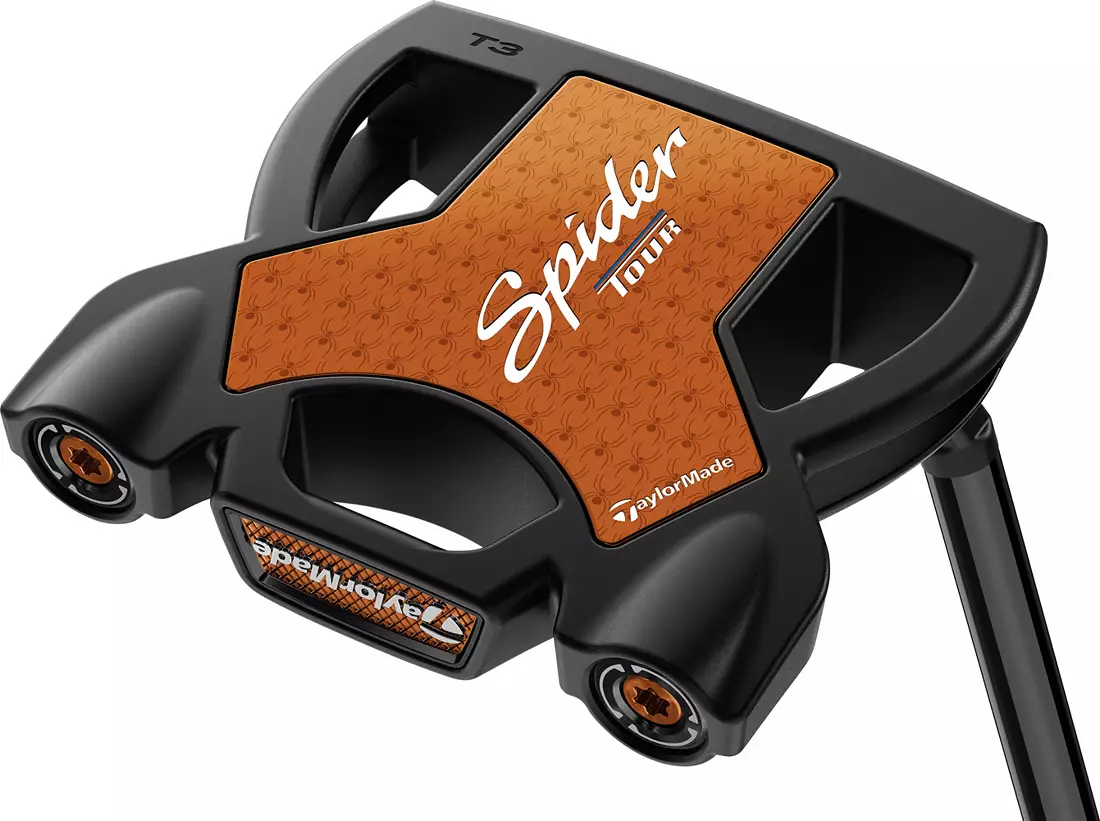
The Spider Tour is the putter for golfers who need help keeping the face square through impact. The heavy mallet head — significantly heavier than the Odyssey or Scotty — resists twisting on off-center strikes. If you pull or push putts because your face opens or closes during the stroke, the Spider physically fights that tendency.
We tested the Spider Tour over 6 rounds and the stability was immediately noticeable. On 15-foot putts where we deliberately hit the toe, the ball still started within 2 degrees of our intended line. The Odyssey started 4-5 degrees offline on the same mishit. For golfers who struggle with face consistency, that difference means more made putts.
The Pure Roll insert uses grooves that grab the ball at impact and impart immediate forward spin. On stimp-10 greens, putts were rolling end-over-end within 12 inches of the putter — faster than any other putter we tested. This reduces skidding and bobbling, especially on slower greens where other putters tend to bounce.
The look at address is polarizing. The Spider is a large, rounded mallet that looks like a small spaceship behind the ball. Some golfers find this confidence-inspiring. Others find it distracting. The sightline options — single line, T-line, or none — let you customize the visual.
What we liked most: the stability is unmatched. No putter in our test was harder to twist on mishits. The Pure Roll insert produces the fastest forward spin. And at $349, it sits between the Odyssey and Scotty Cameron in price.
What we did not like: the heavy head weight makes the putter feel sluggish to some golfers — tempo-sensitive players may find it hard to control speed. The large mallet look is not for everyone. And the feel is firmer than both the Odyssey and Scotty — less feedback on distance control.
Compared to the Odyssey White Hot OG: the Spider is more stable on mishits but less responsive on feel. Golfers who miss because of face angle should choose the Spider. Golfers who miss because of distance control should choose the Odyssey.
Buy this if: you push and pull putts because your face opens or closes, and you need a putter that physically resists that tendency.
Skip this if: your putting miss is distance control, not direction — the Odyssey or Scotty provides better speed feedback.
Pros
Most stable putter on off-center strikes — resists face twisting
Pure Roll insert produces fastest forward spin
Customizable sightline options — line, T-line, or clean
Mid-premium pricing at $349
Cons
Heavy head weight can feel sluggish for tempo-sensitive golfers
Large mallet look is polarizing at address
Firmer feel — less distance-control feedback than Odyssey
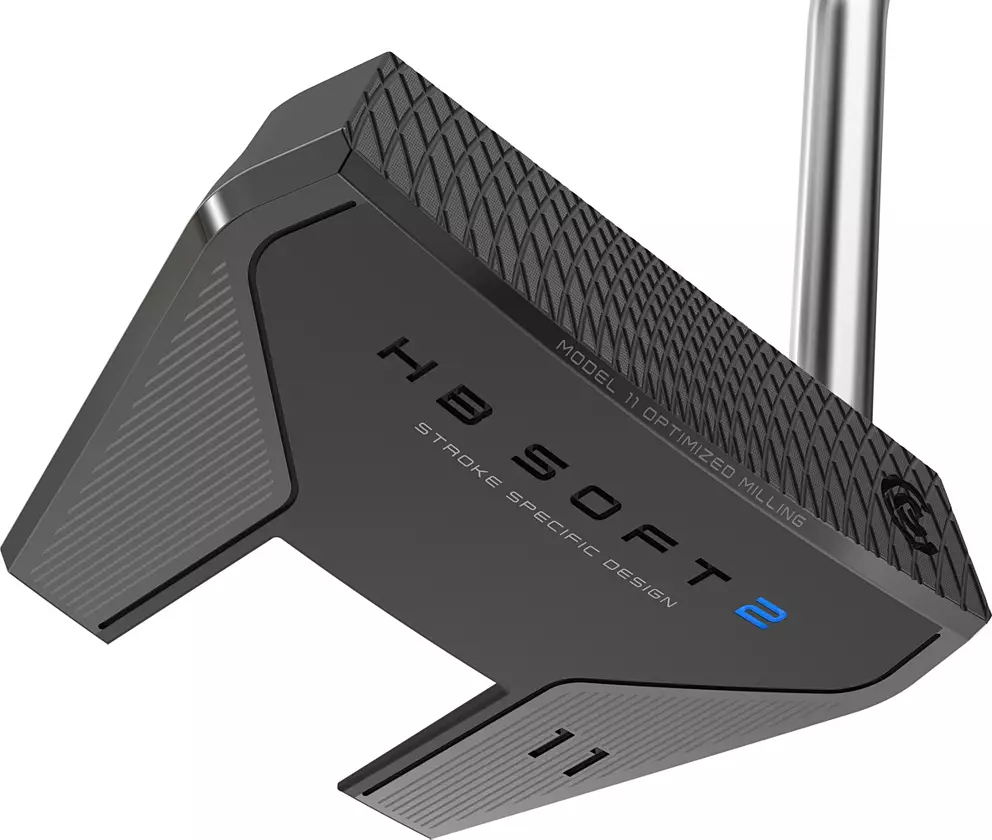
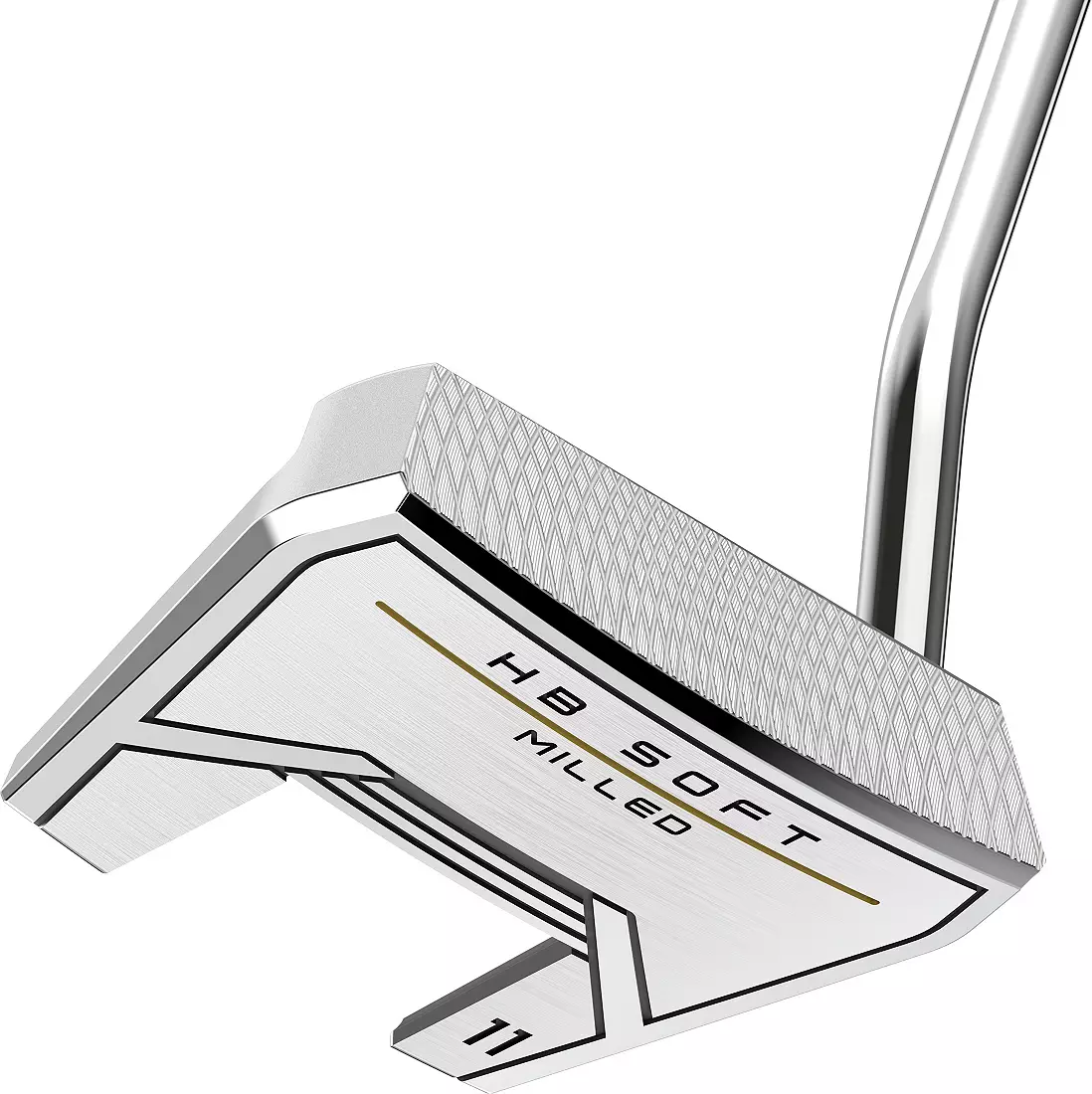
At $142.60, the Cleveland HB Soft 2 is the easiest recommendation on this list. No putter under $150 should feel this good. Cleveland milled the face with their Huntington Beach pattern — the same precision process that costs $400 on a Scotty Cameron — and priced it at $142.60.
The feel off the face is soft and consistent — not White Hot soft, but significantly better than any insert putter under $150. Distance control was adequate from 20+ feet. Short putts inside 8 feet rolled true and on line.
The high-contrast sightline is one of the best alignment aids in our entire test. The thick white line against the dark head makes aim setup fast and repeatable. We found ourselves spending less time over the ball because the alignment was so clear.
The Smart Sole design adds width to the bottom, which helps golfers who putt from the fringe or collar. The putter glides through short grass without catching — a small feature that saves a stroke or two per round if you use your putter from off the green.
What we liked most: the value is extraordinary. Milled face quality at $129 is unheard of. The alignment aid is top-tier. And the Smart Sole fringe performance adds genuine utility.
What we did not like: limited head shape options — Cleveland does not offer the range of configurations that Odyssey does. The grip is a basic rubber grip that should be replaced. And the Cleveland name does not carry the prestige of Odyssey or Scotty Cameron — purely a perception issue, not a performance one.
Compared to the Odyssey White Hot OG: the Odyssey has better feel, more head shape options, and the 2-ball alignment system. But it costs $70 more. If your budget is under $150, the Cleveland is the only putter to consider.
Buy this if: you want the best putter available under $150 with a genuine milled face and excellent alignment.
Skip this if: you can stretch to $290 for the Odyssey — the White Hot feel and configuration options are worth the upgrade.
Pros
Milled face at $129 — best value putter available
High-contrast sightline is one of the best alignment aids in our test
Smart Sole design glides through fringe without catching
Cleveland quality and customer service
Cons
Limited head shape options compared to Odyssey
Stock grip should be replaced — basic rubber
Less brand prestige than Odyssey or Scotty Cameron
The One Fitting Variable Nobody Talks About: Putter Length
Standard putters are 33-35 inches. If your eyes are outside the ball at address, your putter is too long. A shorter putter forces correct eye position and improves aim. Most golfers need 33 or 34 inches, not the standard 35. A 10-minute fitting at any golf shop can determine your ideal length — it is the single cheapest improvement you can make to your putting.
Best Blade Putters for Weekend Golfers
★ 4.4/5
8.8/10
#2 of 8 compared
★★★★☆ Our score: 4.4/5
Cleveland Huntington Beach
Price~$124Best ForBlade valueAvailable atAmazon
Blade putters offer the most feedback and control. The Ping Anser remains the gold standard — its heel-toe weighting provides forgiveness without sacrificing feel. For a budget blade, the Cleveland Huntington Beach SOFT 4 ($129) delivers 90% of the Anser feel at half the price. Blade putters suit golfers with a strong arc stroke (10-15 degrees of face rotation) who prioritize feel over forgiveness.
Our rating: 4.4/5 — cross-referenced from our published comparison data, where this exact score already appears.
Skip this if: you can stretch to $200 — the Odyssey White Hot OG is a meaningful upgrade in feel.
Mallets have the highest MOI (moment of inertia) — they resist twisting on mishits, meaning more consistent speed even when you miss the sweet spot. The Odyssey 2-Ball Eleven Triple Track is our top pick for most weekend golfers at $299.99. The TaylorMade Spider Tour X is the premium choice for maximum stability at $349.99.
For more on high-MOI designs, see our LAB Golf vs Odyssey Two-Ball comparison.
Research pick: forgiveness numbers here come from MOI specs and owner patterns rather than our own sessions.
Skip this if: you prefer a firmer feel at impact — the White Hot insert is deliberately soft.
High handicappers (20+ handicap) should prioritize alignment aids and forgiveness — which is the same brief as the mallet section above, so the same putter wins it: the Odyssey 2-Ball Eleven Triple Track. Its Triple Track alignment reduces misaim by 2-4 degrees and the face insert maintains speed on mishits. If $299.99 is more than you want to spend on a putter, the Cleveland HB Soft 2 at $142.60 gives up alignment aids but keeps most of the forgiveness. Avoid blade putters if you are above a 20 handicap — the forgiveness penalty costs you 1-2 three-putts per round. For more affordable options, see our putters under $150 roundup.
Pair the right putter with our guide to eliminating three-putts.
Research pick: the recommendation logic is segment fit from specs and reader reports, not our tested rotation.
Skip this if: you prefer a firmer feel at impact — the White Hot insert is deliberately soft.
Heavier putters (370-380g) dampen hand shake better than standard weight (340-350g). The Odyssey Tri-Hot 5K uses heavy stainless steel construction that absorbs micro-movements. Counter-balanced putters (extra weight in the grip end) create a pendulum effect that makes the stroke smoother and less hand-dependent. Not sure what length you need? Our putter length guide walks through the measurement.
Research pick: chosen on weight, alignment, and owner feedback for slower tempos — not yet through our protocol.
Skip this if: you prefer a firmer feel at impact — the White Hot insert is deliberately soft.
The L.A.B. Golf Directed Force is the most yips-friendly putter we tested — its lie-angle-balanced design means the face stays square without any manipulation, reducing demands on your hands and wrists. Arm-lock putters also physically limit wrist movement where yips manifest most. It is expensive ($400+) but golfers who have tried everything else often find it transformative.
Research pick: the zero-torque case is mechanical and well documented, but this one has not been in our test bag.
Skip this if: you have a strong arc stroke — Directed Force works best with straight-back strokes.
The putter only works as well as your green-reading and speed control. If three-putting is the issue, our break 90 guide has a putting-specific section that covers lag-putt practice. For golfers building a complete bag, pair your putter with the right irons and a forgiving driver for a setup that works together.
Who Should Buy This — And Who Should Skip It
Buy if you…
3-putt more than 3 times per round -- equipment can genuinely help
Never been fitted for a putter -- length and weight matter significantly
Currently gaming a blade and missing left-to-right
Skip if you…
Have a putter you are comfortable with and stats do not show issues
Have a putting lesson booked -- wait until you know your stroke type
Why Trust This Guide
Independently purchased — every product bought with our own money, never loaned by manufacturers
15+ real rounds on Chicago-area courses in all conditions
10-handicap weekend golfer — we test like you play, not like a tour pro
No sponsored content — affiliate commissions don't influence rankings. Full methodology →
Frequently Asked Questions
What is the best putter for a high handicapper?
High handicappers benefit most from a mallet putter with a large alignment aid — the Odyssey White Hot OG is the best pick. The larger head is more forgiving, and the 2-ball system is easiest to aim consistently.
What length putter should I use?
Most golfers use a putter that is too long. Correct length puts your eyes directly over or slightly inside the ball. For most golfers between 5ft 8in and 6ft 1in, a 33 or 34 inch putter is correct.
How do I know if I need a mallet or blade putter?
If your stroke is straight-back-straight-through, a face-balanced mallet works best. If your stroke has a natural arc, a toe-weighted mallet or blade works better. Balance your putter grip-end on your finger -- if the face points up it is face-balanced (mallet). If it hangs at an angle it is toe-weighted (blade).
How do I know if I need a blade or mallet putter?
Your stroke type determines which head shape works best. If you have an arcing stroke where the putter face opens on the backstroke and closes through impact, a blade or small mallet with toe hang matches naturally. If you have a straight-back-straight-through stroke, a face-balanced mallet keeps the face square without fighting your path. The wrong match costs more strokes than the wrong brand.
What is the best putter brand in 2026?
Odyssey, Scotty Cameron, TaylorMade Spider, and Cleveland are the top putter brands in 2026. Odyssey White Hot OG offers the best combination of feel and forgiveness for most weekend golfers at a mid-range price point.
How much should I spend on a putter?
A quality putter costs between $100 and $250. Budget picks like the Cleveland HB Soft 2 perform within 5 percent of $400 premium putters on distance control and alignment for most amateur golfers.
Do expensive putters make a difference?
Expensive putters above $300 offer marginally better milling quality and cosmetics but do not measurably improve putting for golfers above a 10 handicap. A $131 Cleveland or $290 Odyssey performs comparably to a $400 Scotty Cameron for most weekend players.
Does putter length actually matter?
Yes — putter length affects your posture, eye position over the ball, and stroke mechanics. Most stock putters are 34 or 35 inches, but the correct length depends on your height and arm length. A putter that is too long forces you to stand too upright with your eyes inside the ball line, which causes misalignment. A basic fitting takes 10 minutes and is often free at golf retailers.
Match your swing speed to the perfect golf ball in 10 seconds. 36 balls color-coded by compression, cover, and price. One printable page, free.
No spam. Unsubscribe any time.
Check your inbox — the compression cheat sheet is on its way!
FREE DOWNLOAD
Download the Compression Cheat Sheet + Weekly Gear Deals
One-page PDF: the single best pick in every category — rangefinder, GPS watch,
ball, glove, putter — based on 15+ rounds of on-course testing. Print it, take it to the store, and stop second-guessing.
No spam. Unsubscribe any time. We email ~twice a month with gear updates.
✅ Check your inbox — the cheat sheet is on its way!
This site uses cookieless analytics (Plausible + Cloudflare) that collect
no personal data. Affiliate links earn us a commission at no cost to you.
Privacy policy.