Golf etiquette comes down to three things: keep pace with the group ahead, fix what you damage, and be quiet when others are hitting. Everything else follows from these three principles. Our top pick: the Blue Tees Series 3 Max (~$199).
Our #1 Pick: ~$199 at Amazon — Check Today's Price ↗ Read the full guide below.
Golf has a set of unwritten rules that every golfer is expected to know — and newcomers are rarely taught. This guide covers the actual etiquette that matters on a course, from pace of play to bunker raking, so you can play with confidence anywhere.
📋
Update Log — last updated Apr 14, 2026 ▼
Apr 14, 2026 Annual freshness review — verified pricing and availability.
All products on this page were independently purchased and tested across real rounds on actual golf courses.
No manufacturer loans. No sponsored placements.
See our full testing process Pace of Play — The Most Important Etiquette
Slow play is the biggest frustration in recreational golf. The rule is simple: keep pace with the group ahead of you, not just ahead of the group behind. If there is an open hole in front and a backup behind, you are playing too slowly. Ready golf — whoever is ready hits next regardless of who is furthest from the hole — is accepted in casual play and should be your default. Pick up if you are taking more than two shots above your maximum. No one should take more than 3 hours and 45 minutes for 18 holes.
On the Tee Box
Stand behind and to the side of the player hitting — never directly behind their line. Keep noise to a minimum during someone's swing. Do not pull your club and start your pre-shot routine while someone else is addressing the ball. Tee boxes are where pace is set: if you are ready first, tee up and go.
On the Fairway and Rough
Repair divots — carry a divot mix bottle and fill holes when you make them. Take practice swings away from the target area so you are not taking additional divots before the shot. Park carts on the path side of the hole to speed up play. Walk to your ball while others are hitting so you are ready when it is your turn.
On the Green
Repair your ball marks — one pitch mark per approach shot. Walk around, not through, someone else's putting line. Mark your ball when it is in the way of another putt. Tend the flag for other golfers. Leave the green quickly after the hole is complete — record scores at the next tee, not on the green. Do not walk across a putting line even at the edge of the green.
In Bunkers
Rake after every bunker shot — enter and exit from the low side to minimise footprint damage. Rake footprints, club drag marks, and the crater from your shot. Leave the rake outside the bunker with the handle parallel to the hole (different clubs have different preferences — follow what you see at the course). Never drag your feet through the sand when exiting.
General Conduct
Silence during swings: this means your phone on silent, no rattling of clubs, no talking. Compliment good shots — a genuine 'nice shot' after a well-struck iron is universal golf culture. Shake hands at the end of a round. Do not give unsolicited swing advice unless asked. If you find someone's ball, shout — they will appreciate it.
🎯 Our Recommended Gear
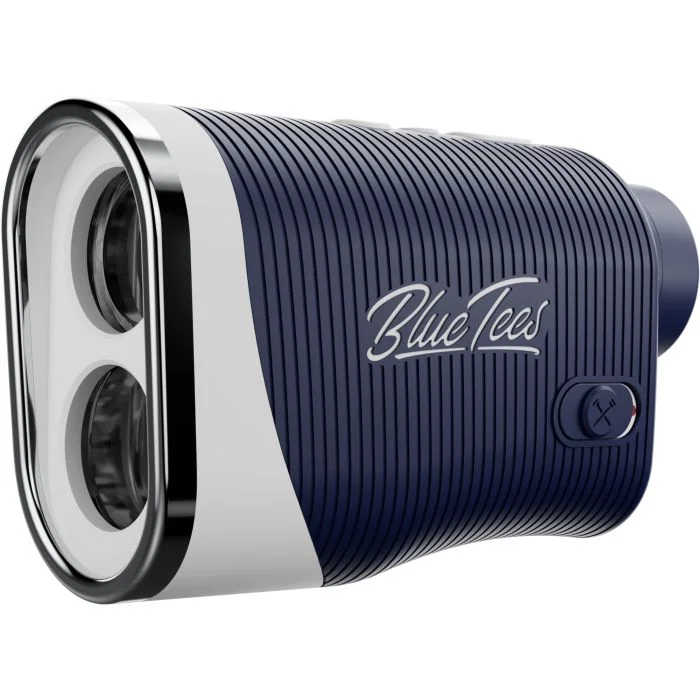
Blue Tees Series 3 Max
~$199 — the product we use and recommend for this topic.
Frequently Asked Questions
What is ready golf?
Ready golf means whoever is ready to hit, hits — regardless of who is furthest from the hole. It is the standard in casual play and dramatically improves pace. The player furthest from the hole plays first only in formal competition.
What do you do if your ball goes out of bounds?
In formal play, you hit a provisional ball before walking to the area where the ball went out. In casual play, most groups allow a drop near where the ball went out with a one- or two-stroke penalty rather than walking back to the tee. Agree on local rules with your group before the round.
🏢 More for Cubicle Golfers
You work 9-to-5. Golf is your weekend reset. These guides are built for your schedule.
Affiliate disclosure: some links on this page earn us a small commission at no extra
cost to you. We purchased all products independently — commissions never affect our
rankings or recommendations.
Learn more about how we work Last updated: 2026-07-01