Bridgestone Golf Ball Compression Chart
Every Bridgestone golf ball we track, with its compression rating, cover material and the swing speed it is built for. 4 balls from 50 compression (Bridgestone e12 Contact) up to 100 (Bridgestone Tour B X), priced $30–$55 a dozen. Compression is the number that decides whether you actually compress the ball at your speed — get it wrong and you leave yards on the tee.
⚖️ Affiliate links — we earn a commission at no extra cost to you. It never changes which ball we rank first.
Bridgestone Golf Ball Compression Chart (2026)
| Ball | Compression | Cover | Price/dz | Swing Speed | Buy |
|---|---|---|---|---|---|
 Bridgestone e12 Contact Bridgestone e12 Contact | 50 | Ionomer | ~$30 | 70–90 mph | Check price |
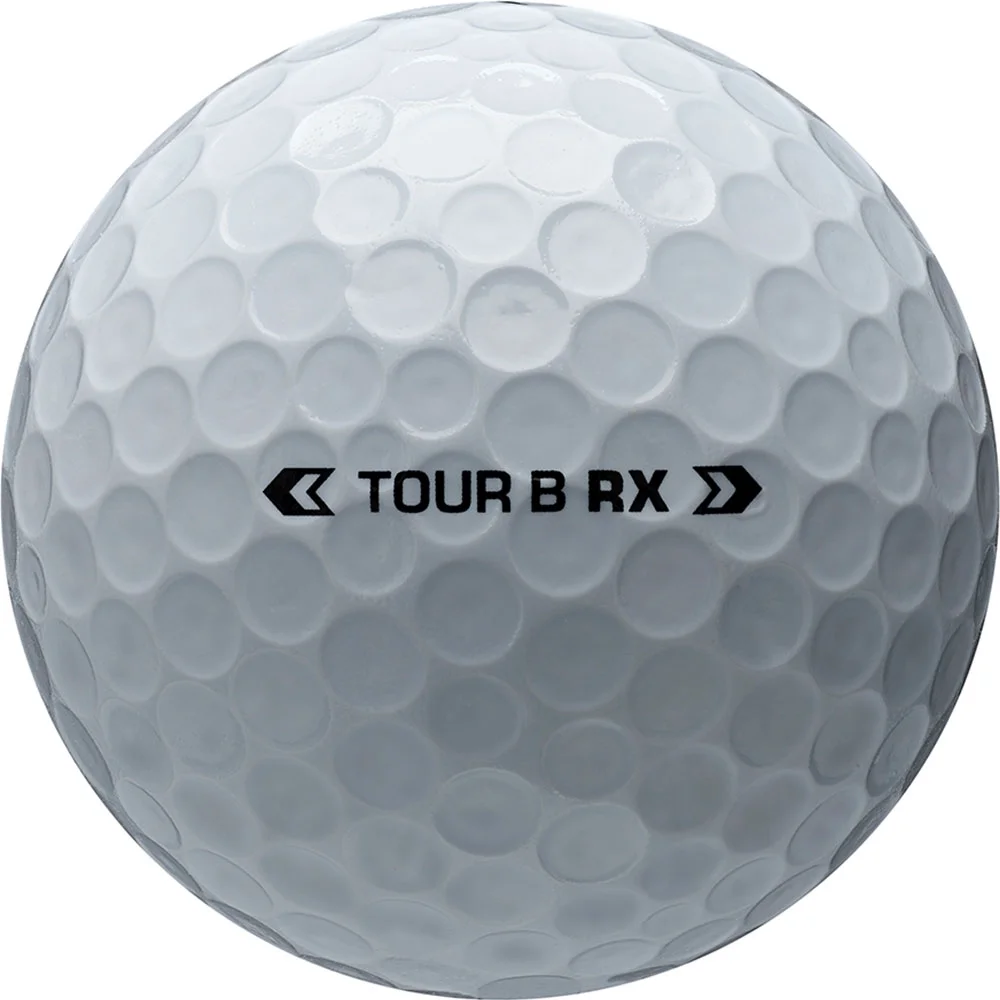 Bridgestone Tour B RX Bridgestone Tour B RX | 68 | Urethane | ~$40 | 85–100 mph | Check price |
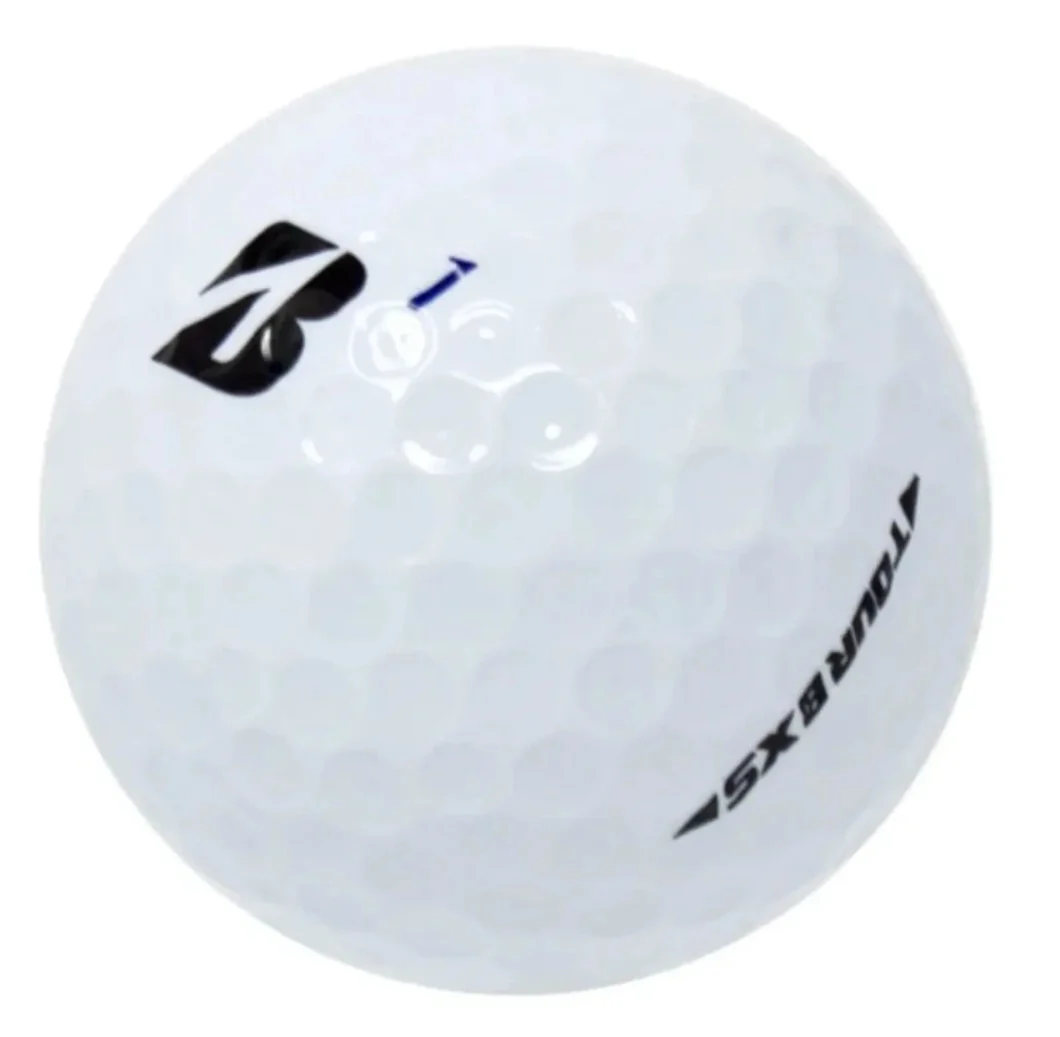 Bridgestone Tour B XS Bridgestone Tour B XS | 90 | Urethane | ~$55 | 95–115 mph | Check price |
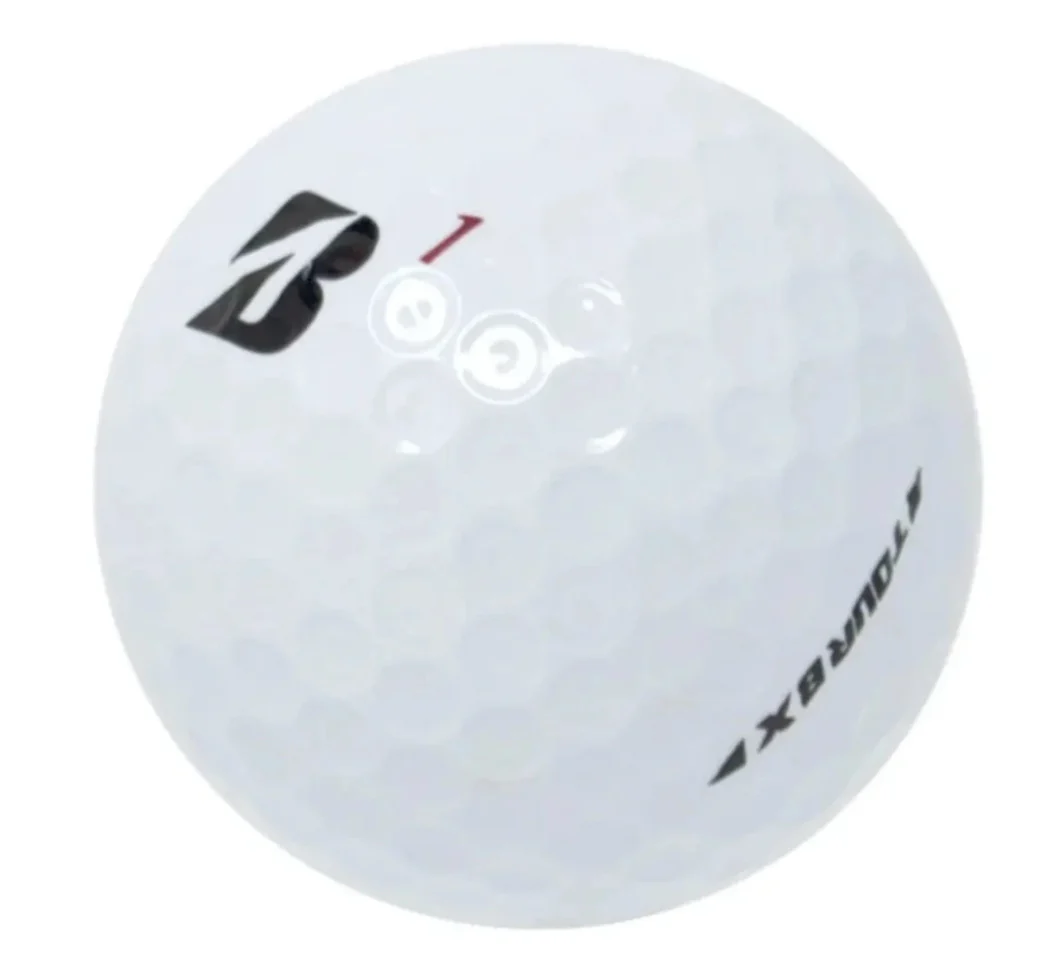 Bridgestone Tour B X Bridgestone Tour B X | 100 | Urethane | ~$55 | 100–130 mph | Check price |
Prices are per dozen and checked against live listings. 3 of these 4 carry a urethane cover, which is what produces greenside spin — an ionomer ball will not check on a pitch however soft it feels.
Which Bridgestone Ball Should You Play?
Bridgestone commits to urethane earlier than most — 3 of its 4 balls carry a spin cover, and the Tour B RX does it at just 68 compression. It is one of 4 brands here whose second-softest ball is already urethane (Vice, Srixon and Maxfli are the others), and the Tour B RX is one of only 3 urethane balls on this chart under 75 compression. That matters because the cover, not the compression number, is what makes a ball check on a pitch.
Which one to play. That makes Tour B RX the pick for a lot of golfers — 68 compression, $40, rated 85–100 mph. It is one of the few ways on this chart to get a genuinely soft-compression ball with a urethane cover from a major manufacturer. Above it, Tour B XS at 90 and Tour B X at 100 are both $55 and both aimed at 95 mph and up, with the XS the softer and spinnier of the pair.
Worth knowing. e12 Contact at 50 compression is Bridgestone's only ionomer ball here and its cheapest at $30, rated 70–90 mph, and its dimple pattern is genuinely different from a standard design. It is the budget entry in a lineup that otherwise starts at $40 and tops out at $55 — expensive next to most brands on this chart.
Bridgestone Balls by Swing Speed
The same 4 balls, grouped by the driver swing speed each is built for.
| Swing Speed | Bridgestone Balls |
|---|---|
| Under 85 mph | Bridgestone e12 Contact (50) |
| 85–100 mph | Bridgestone e12 Contact (50), Bridgestone Tour B RX (68), Bridgestone Tour B XS (90), Bridgestone Tour B X (100) |
| Over 100 mph | Bridgestone Tour B XS (90), Bridgestone Tour B X (100) |
Compression Charts for Other Brands
Cross-shopping? These use the same tested data and the same table.
- Callaway Golf Ball Compression Chart
- Titleist Golf Ball Compression Chart
- TaylorMade Golf Ball Compression Chart
- Srixon Golf Ball Compression Chart
- All 36 balls in one chart — every brand ranked together, with a free printable PDF.
Want every brand in one table?
The full chart covers all 36 balls we track across eleven brands, with a sortable table and a free printable PDF.
Open the full compression chart →Frequently Asked Questions
What is the compression of Bridgestone golf balls?
Bridgestone golf balls on this chart run from 50 compression (e12 Contact) up to 100 (Tour B X). Lower compression suits slower swing speeds; a firmer ball needs more clubhead speed before it compresses properly.
Which Bridgestone golf ball is the softest?
The Bridgestone e12 Contact is the softest Bridgestone ball on this chart at 50 compression, about $30 a dozen, rated 70–90 mph.
Which Bridgestone ball suits my swing speed?
Match compression to driver speed. Under 85 mph suits the softer end of the Bridgestone range; 85-100 mph the middle; over 100 mph the firmest. The table above lists the rated speed range for every Bridgestone ball.
How many Bridgestone golf balls are on this chart?
4. This page covers the Bridgestone balls we track and test. For every brand side by side, see the full compression chart of all 36 balls.