Callaway Golf Ball Compression Chart
Every Callaway golf ball we track, with its compression rating, cover material and the swing speed it is built for. 4 balls from 44 compression (Callaway Supersoft) up to 91 (Callaway Chrome Tour), priced $22–$58 a dozen. Compression is the number that decides whether you actually compress the ball at your speed — get it wrong and you leave yards on the tee.
Affiliate links — we earn a commission at no extra cost to you. It never changes which ball we rank first.
Callaway Golf Ball Compression Chart (2026)
| Ball | Compression | Cover | Price/dz | Swing Speed | Buy |
|---|---|---|---|---|---|
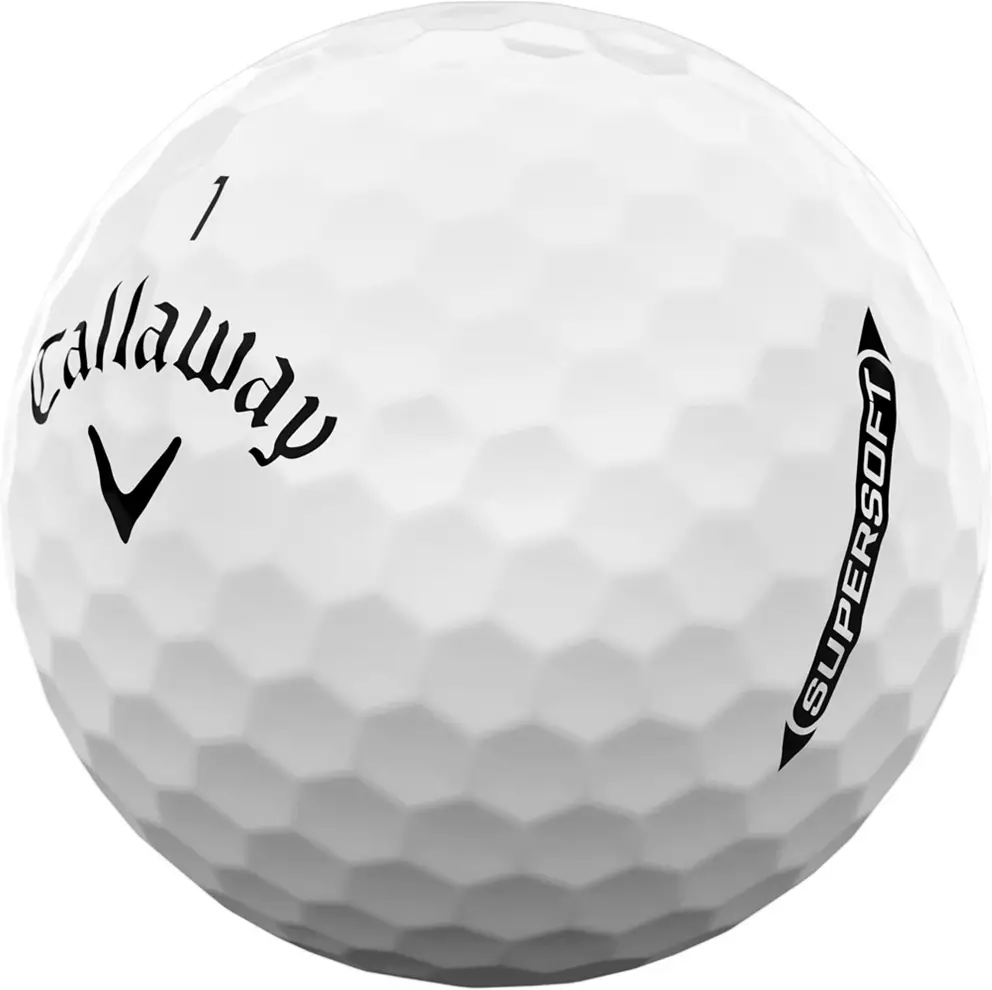 Callaway Supersoft | 44 | Ionomer | ~$27 | 0–80 mph | Check price |
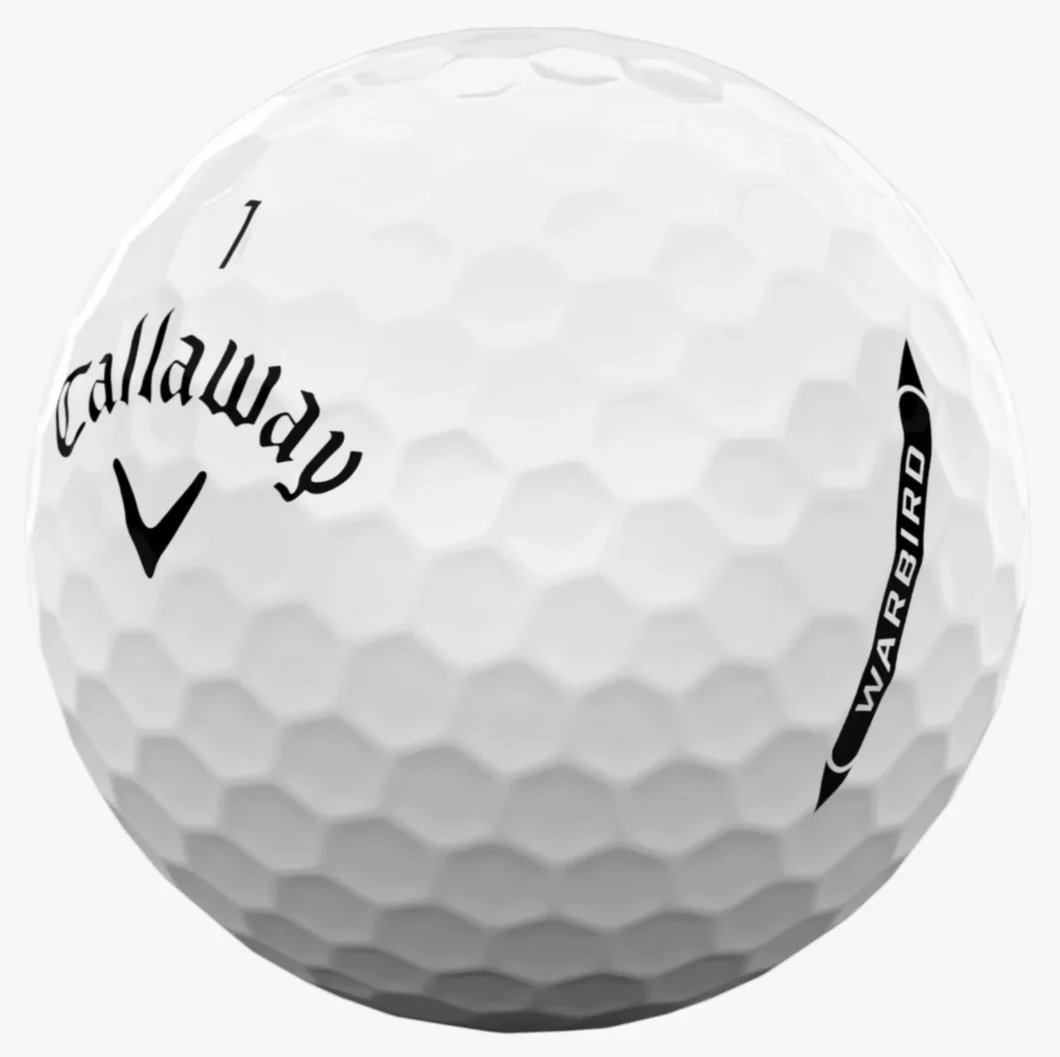 Callaway Warbird | 68 | Ionomer | ~$22 | 80–100 mph | Check price |
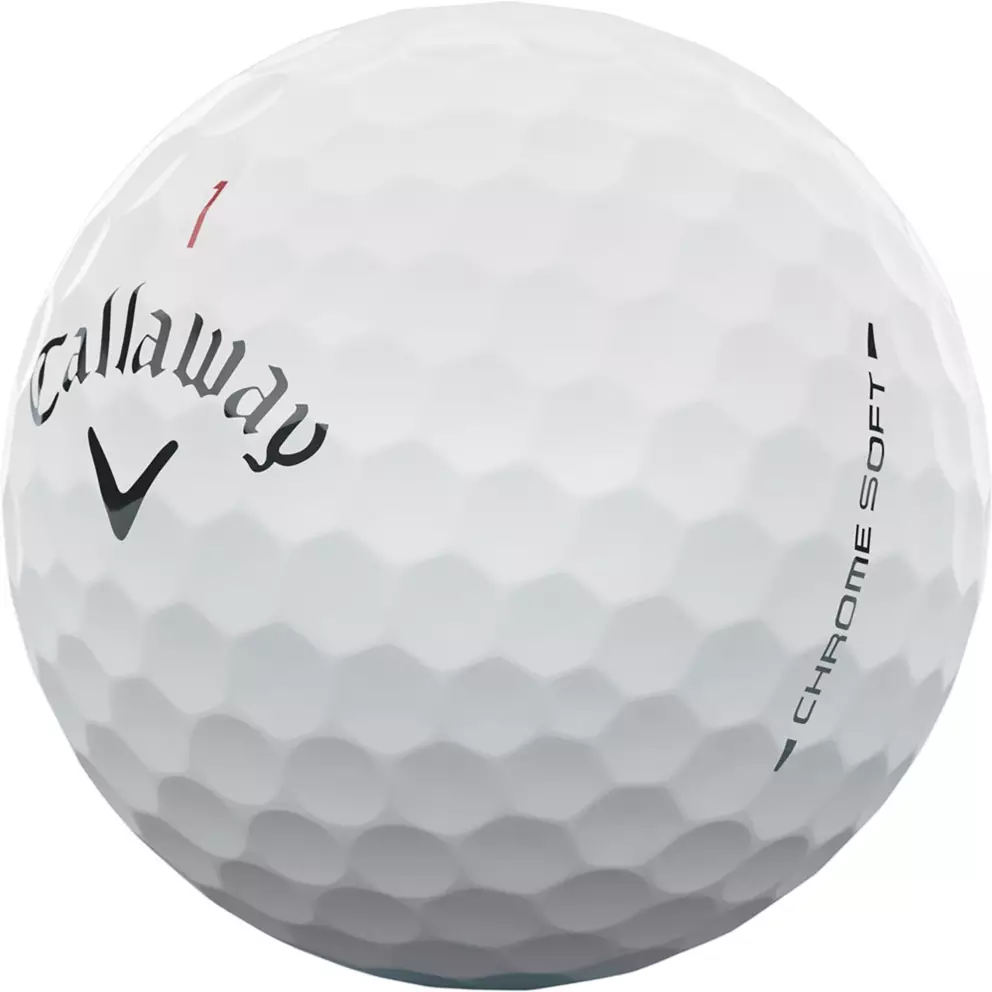 Callaway Chrome Soft | 75 | Urethane | ~$45 | 88–105 mph | Check price |
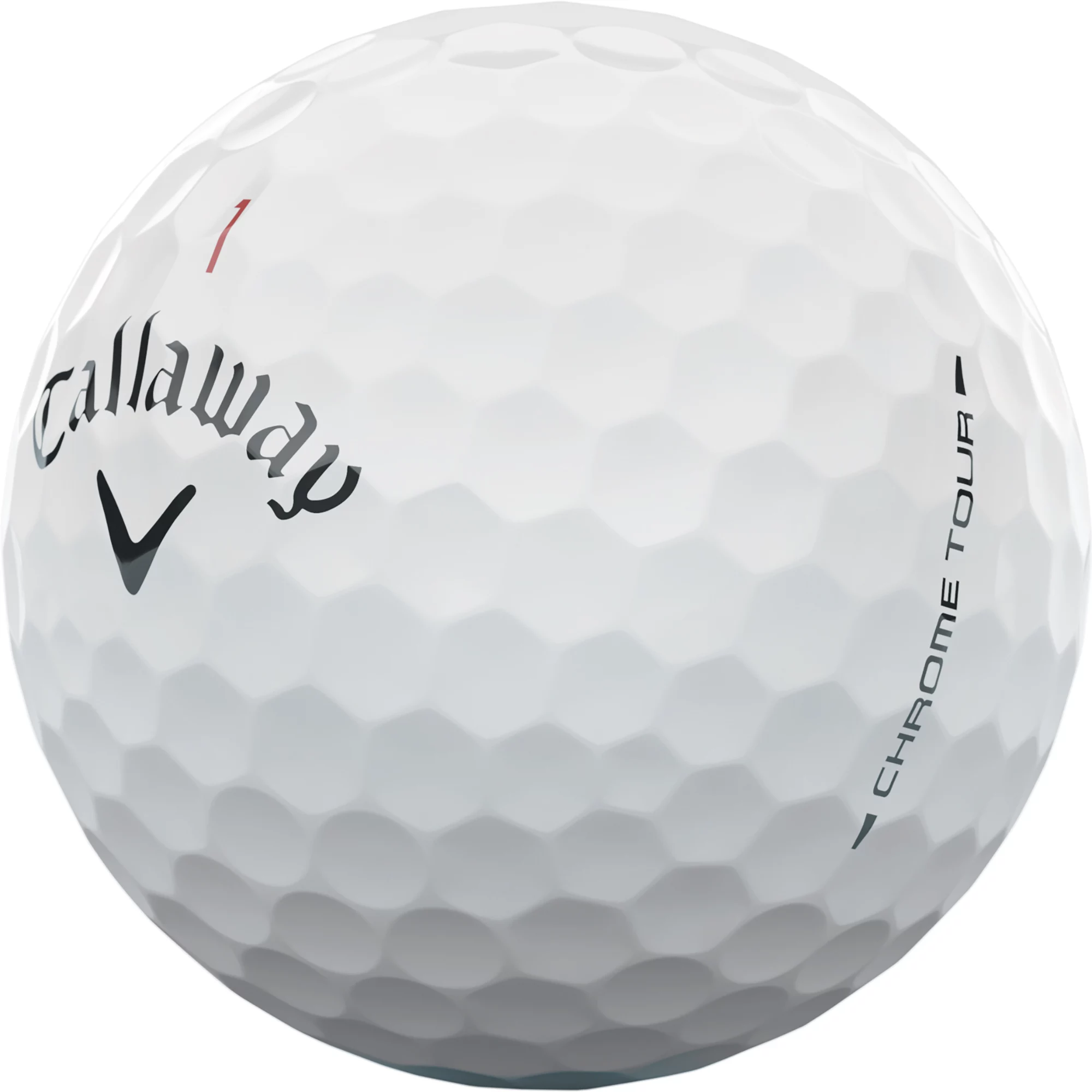 Callaway Chrome Tour | 91 | Urethane | ~$58 | 95–120 mph | Check price |
Prices are per dozen and checked against live listings. 2 of these 4 carry a urethane cover, which is what produces greenside spin — an ionomer ball will not check on a pitch however soft it feels.
Which Callaway Ball Should You Play?
Callaway runs one of the shorter ladders here — 4 balls from 44 to 91 compression. What stands out is the gap. There is nothing at all between the Supersoft at 44 and the Warbird at 68, a 24-point hole — the widest inside any brand's lineup on this chart, matched only by Wilson and Vice. If you want something moderately soft rather than very soft, Callaway does not currently make it.
Which one to play. The Supersoft at 44 is the softest ball on this chart. At $27 a dozen it is the ball we recommend most often below 85 mph. Above that, Chrome Soft at 75 and $45 is where Callaway's urethane begins. Chrome Tour at 91 and $58 is a genuine tour ball and is largely wasted below about 95 mph.
Worth knowing. Warbird at 68 compression and $22 is the cheapest ball Callaway makes, but it is ionomer-covered and built for distance rather than control. It is a good ball to lose in the water. It is not the ball to attack a tucked pin with.
Callaway Balls by Swing Speed
The same 4 balls, grouped by the driver swing speed each is built for.
| Swing Speed | Callaway Balls |
|---|---|
| Under 85 mph | Callaway Supersoft (44), Callaway Warbird (68) |
| 85–100 mph | Callaway Warbird (68), Callaway Chrome Soft (75), Callaway Chrome Tour (91) |
| Over 100 mph | Callaway Chrome Soft (75), Callaway Chrome Tour (91) |
Compression Charts for Other Brands
Cross-shopping? These use the same tested data and the same table.
- Titleist Golf Ball Compression Chart
- TaylorMade Golf Ball Compression Chart
- Srixon Golf Ball Compression Chart
- Bridgestone Golf Ball Compression Chart
- Vice Golf Ball Compression Chart
- Wilson Golf Ball Compression Chart
- Maxfli Golf Ball Compression Chart
- All 37 balls in one chart — every brand ranked together, with a free printable PDF.
Want every brand in one table?
The full chart covers all 37 balls we track across eleven brands, with a sortable table and a free printable PDF.
Open the full compression chart →Frequently Asked Questions
What is the compression of Callaway golf balls?
Callaway golf balls on this chart run from 44 compression (Supersoft) up to 91 (Chrome Tour). Lower compression suits slower swing speeds; a firmer ball needs more clubhead speed before it compresses properly.
Which Callaway golf ball is the softest?
The Callaway Supersoft is the softest Callaway ball on this chart at 44 compression, about $27 a dozen, rated up to 80 mph.
Which Callaway ball suits my swing speed?
Match compression to driver speed. Under 85 mph suits the softer end of the Callaway range; 85-100 mph the middle; over 100 mph the firmest. The table above lists the rated speed range for every Callaway ball.
How many Callaway golf balls are on this chart?
4. This page covers the Callaway balls we track and test. For every brand side by side, see the full compression chart of all 37 balls.