Wilson Golf Ball Compression Chart
Every Wilson golf ball we track, with its compression rating, cover material and the swing speed it is built for. 3 balls from 46 compression (Wilson DUO Soft+) up to 96 (Wilson Staff Model), priced $12–$40 a dozen. Compression is the number that decides whether you actually compress the ball at your speed — get it wrong and you leave yards on the tee.
Affiliate links — we earn a commission at no extra cost to you. It never changes which ball we rank first.
Wilson Golf Ball Compression Chart (2026)
| Ball | Compression | Cover | Price/dz | Swing Speed | Buy |
|---|---|---|---|---|---|
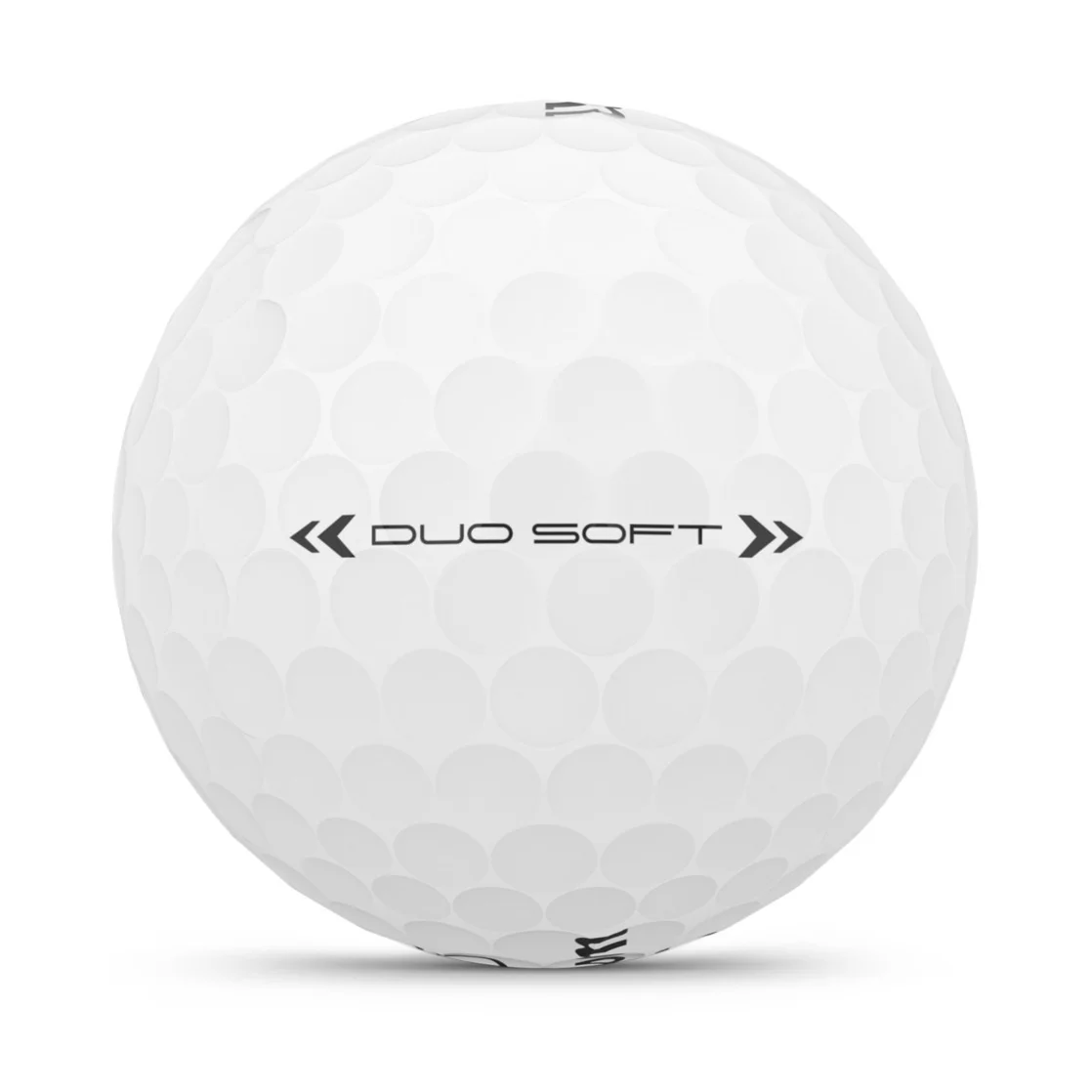 Wilson DUO Soft+ | 46 | Ionomer | ~$25 | 0–80 mph | Check price |
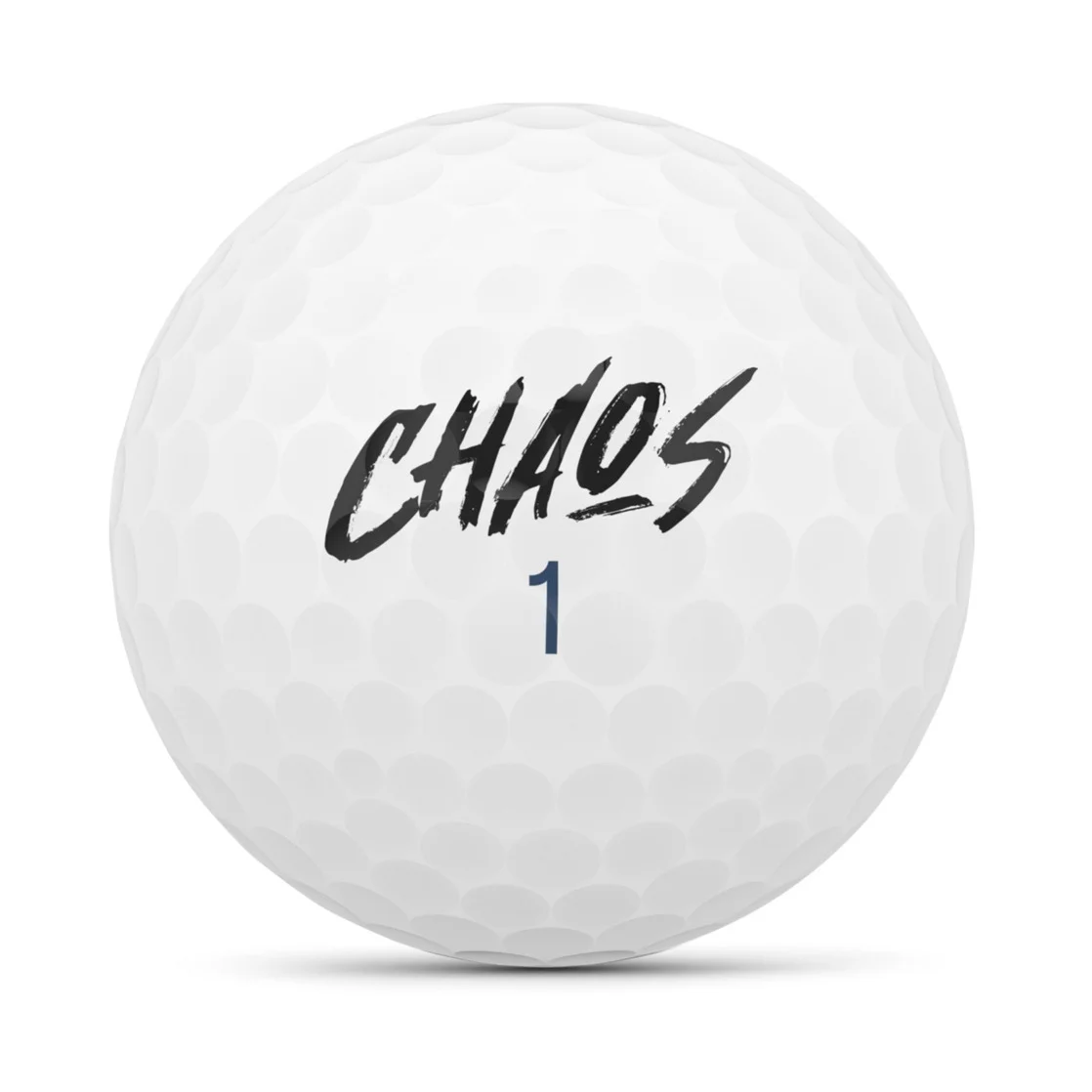 Wilson Chaos | 70 | Ionomer | ~$12 | 85–100 mph | Check price |
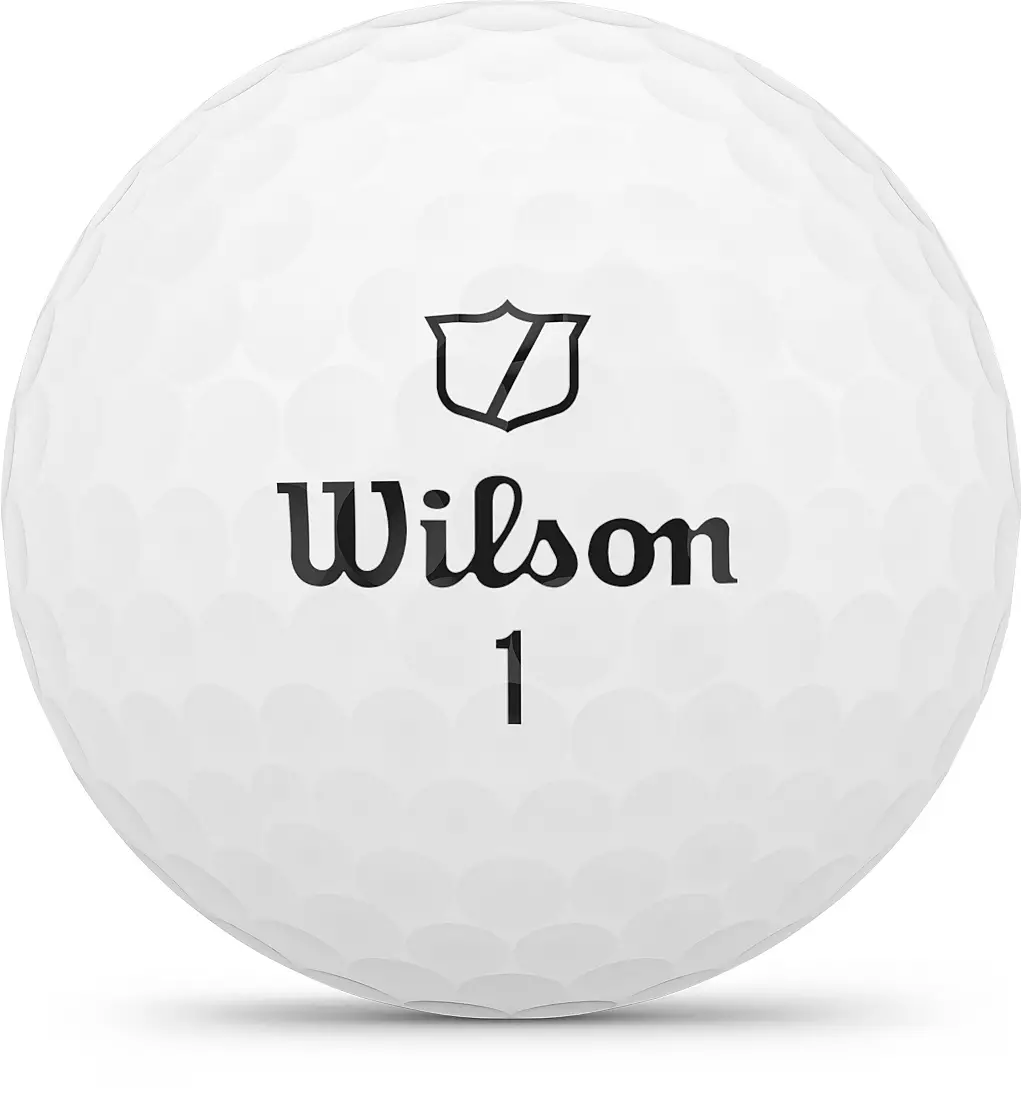 Wilson Staff Model | 96 | Urethane | ~$40 | 95–115 mph | Check price |
Prices are per dozen and checked against live listings. 1 of these 3 carry a urethane cover, which is what produces greenside spin — an ionomer ball will not check on a pitch however soft it feels.
Which Wilson Ball Should You Play?
Wilson spans 50 compression points with 3 balls — 46 to 96, the widest range of any brand on this chart, wider than Titleist manages with 7 balls. Prices run $12 to $40, and both ends of the ladder are MyGolfSpy gauge readings rather than Wilson's own published figures.
Which one to play. Staff Model at 96 compression and $40 is the argument for this brand. It is a cast-urethane tour ball rated 95–115 mph that costs $18 less than a Pro V1 — $40 against $58 — and at 96 compression it is actually 3 points firmer than the Pro V1's 93, not a softer club-golfer substitute for it. At the other end, DUO Soft+ at 46 is the second-softest ball on this chart, $25 a dozen and rated up to 80 mph — the one to play if you are losing distance because you cannot compress a firmer ball.
Worth knowing. Chaos at $12 is the cheapest ball on this chart of any brand or cover, and that is the whole point of it — a 70-compression ionomer ball rated 85–100 mph that you will not mind losing. We have not found an independent gauge reading for it, so treat its number as approximate in a way the DUO Soft+ and Staff Model figures are not. There is nothing between 70 and 96 in this lineup, so the 85–95 mph player picking Wilson chooses between a ball built down to a price and a full tour ball. For the cheap end of the whole field see our best golf balls under $30.
Wilson Balls by Swing Speed
The same 3 balls, grouped by the driver swing speed each is built for.
| Swing Speed | Wilson Balls |
|---|---|
| Under 85 mph | Wilson DUO Soft+ (46) |
| 85–100 mph | Wilson Chaos (70), Wilson Staff Model (96) |
| Over 100 mph | Wilson Staff Model (96) |
Compression Charts for Other Brands
Cross-shopping? These use the same tested data and the same table.
- Titleist Golf Ball Compression Chart
- Callaway Golf Ball Compression Chart
- TaylorMade Golf Ball Compression Chart
- Srixon Golf Ball Compression Chart
- Bridgestone Golf Ball Compression Chart
- Vice Golf Ball Compression Chart
- Maxfli Golf Ball Compression Chart
- All 37 balls in one chart — every brand ranked together, with a free printable PDF.
Want every brand in one table?
The full chart covers all 37 balls we track across eleven brands, with a sortable table and a free printable PDF.
Open the full compression chart →Frequently Asked Questions
What is the compression of Wilson golf balls?
Wilson golf balls on this chart run from 46 compression (DUO Soft+) up to 96 (Staff Model). Lower compression suits slower swing speeds; a firmer ball needs more clubhead speed before it compresses properly.
Which Wilson golf ball is the softest?
The Wilson DUO Soft+ is the softest Wilson ball on this chart at 46 compression, about $25 a dozen, rated up to 80 mph.
Which Wilson ball suits my swing speed?
Match compression to driver speed. The DUO Soft+ suits swings up to 80 mph, the Chaos 85-100 mph, and the Staff Model 95-115 mph. There is nothing in the Wilson lineup between 70 and 96 compression, so the 85-95 mph player chooses between a budget ionomer ball and a full tour ball. The table above lists the rated speed range for every Wilson ball.
How many Wilson golf balls are on this chart?
3. This page covers the Wilson balls we track and test. For every brand side by side, see the full compression chart of all 37 balls.