In this guide 7 sections
A headwind adds about 1 yard per mph. A tailwind only gives back half a yard per mph. So a 10 mph headwind costs you 10 yards, while the same wind behind you returns just 5. Charts for every club below.
Our Verdict
A headwind adds about 1 yard per mph. A tailwind only gives back half a yard per mph. So a 10 mph headwind costs you 10 yards, while the same wind behind you returns just 5. Charts for every club below.
Wind moves your ball further than temperature, elevation or altitude, and golfers routinely under-club into it and over-club with it. The reason is that most people assume a headwind and a tailwind cancel out. They do not — not even close.
📋 Update Log — last updated Aug 16, 2026 ▼
Download the Chart
Headwind: What to Add
Into the wind, add roughly one yard for every mile per hour. Find your club and the wind speed; the figure in brackets is the yards to add.
| Club | Normal carry | 5 mph | 10 mph | 15 mph | 20 mph | 25 mph |
|---|---|---|---|---|---|---|
| Driver | 250 yds | 255 (+5) | 260 (+10) | 265 (+15) | 270 (+20) | 275 (+25) |
| 5-iron | 175 yds | 180 (+5) | 185 (+10) | 190 (+15) | 195 (+20) | 200 (+25) |
| 7-iron | 150 yds | 155 (+5) | 160 (+10) | 165 (+15) | 170 (+20) | 175 (+25) |
| 9-iron | 125 yds | 130 (+5) | 135 (+10) | 140 (+15) | 145 (+20) | 150 (+25) |
| Pitching wedge | 105 yds | 110 (+5) | 115 (+10) | 120 (+15) | 125 (+20) | 130 (+25) |
A 15 mph headwind turns a 150-yard 7-iron into a 165-yard shot. That is a club and a half, and it is why so many approach shots into the wind come up short — golfers take one more club when they need two.
Tailwind: What to Subtract
Downwind, you only get back about half a yard per mile per hour.
| Club | Normal carry | 5 mph | 10 mph | 15 mph | 20 mph | 25 mph |
|---|---|---|---|---|---|---|
| Driver | 250 yds | 248 (−2) | 245 (−5) | 243 (−7) | 240 (−10) | 238 (−12) |
| 5-iron | 175 yds | 173 (−2) | 170 (−5) | 168 (−7) | 165 (−10) | 163 (−12) |
| 7-iron | 150 yds | 148 (−2) | 145 (−5) | 143 (−7) | 140 (−10) | 138 (−12) |
| 9-iron | 125 yds | 123 (−2) | 120 (−5) | 118 (−7) | 115 (−10) | 113 (−12) |
| Pitching wedge | 105 yds | 103 (−2) | 100 (−5) | 98 (−7) | 95 (−10) | 93 (−12) |
The same 15 mph wind that cost you 15 yards into it gives back only about 8 with it. Most golfers subtract too much downwind and fly the green.
Crosswind: How Far to Aim Off
A crosswind does not change your club, it changes your target. Aim about 1.2 yards into the wind per mile per hour on a full shot. A lower, knockdown flight is in the air less and drifts about 30 percent less.
| Crosswind | Aim off (full shot) | Aim off (knockdown) |
|---|---|---|
| 5 mph | 6 yds | 4 yds |
| 10 mph | 12 yds | 8 yds |
| 15 mph | 18 yds | 13 yds |
| 20 mph | 24 yds | 17 yds |
| 25 mph | 30 yds | 21 yds |
If the wind is helping your natural shape — a left-to-right wind on a fade — expect more drift than the table shows, not less. Two effects stacking is how a fade becomes a slice.
Why a Headwind and Tailwind Do Not Cancel Out
This is the part worth internalising, because it changes how you play a round in wind rather than a single shot.
Into the wind, the ball climbs. The headwind increases the effective air speed over the ball, which increases lift as well as drag, so the ball balloons — and a ball that goes up steeply lands steeply and short. You lose distance twice: to drag, and to the higher, shorter trajectory.
Downwind, the opposite happens but weakly. The tailwind reduces air speed over the ball, which reduces drag but also reduces lift. The ball flies flatter and lands hotter, which recovers some distance on the roll, but you have given up carry height to get it.
That asymmetry is why the practical rule is 1 yard per mph one way and half a yard the other. On a windy day with an out-and-back nine, you do not break even.
What This Rule Does Not Cover
The chart is calibrated for mid and long irons, which is where most approach shots live. Three things shift it.
Flight time. Wind acts on the ball for as long as it is in the air. A 50-yard pitch is barely affected by a wind that moves a 4-iron 20 yards. If you hit the ball noticeably low or high, scale accordingly.
Your trajectory. A high ball flight is punished harder into the wind and helped more downwind than these figures suggest. The knockdown column in the crosswind table exists for the same reason.
Everything else, which stacks. Wind combines with elevation and temperature rather than replacing them. Our slope chart covers uphill and downhill shots, and the temperature chart covers cold. A cold, uphill shot into the wind is all three at once.
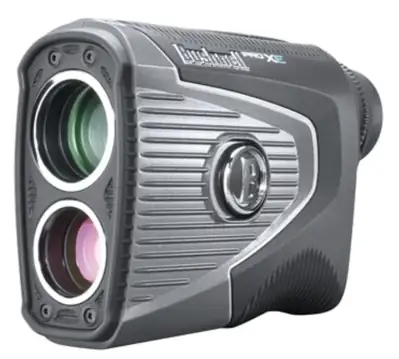
Prices checked 2026-10-10 · Affiliate links — we earn a small commission at no extra cost to you.
🏌️ Gear That Helps With This
🎯 Gear that helps with this
Every recommendation is independently purchased and tested over 40+ rounds.
Frequently Asked Questions
How many yards does a 10 mph headwind take off?
Does a tailwind help as much as a headwind hurts?
How far should I aim into a crosswind?
Why does the ball balloon into the wind?
Does wind affect wedges as much as long irons?
Related Guides
🏢 More for Cubicle Golfers
You work 9-to-5. Golf is your weekend reset. These guides are built for your schedule.
Ready to find the right gear?
Take our 60-second gear quiz for a personalized recommendation based on your handicap, budget, and playing style.
Take the Gear Quiz → Browse All Reviews