Why Does My Golf Ball Keep Going Right? (Causes + Fixes)
We may earn a commission from links on this page — it never affects our picks. Disclosure
Ryan O.10-handicap weekend golfer, Chicago, IL 5 min read ·
Updated: 2026-11-10 ·
How we test →
Independently tested
In this guide7 sections
⚡ Quick Answer
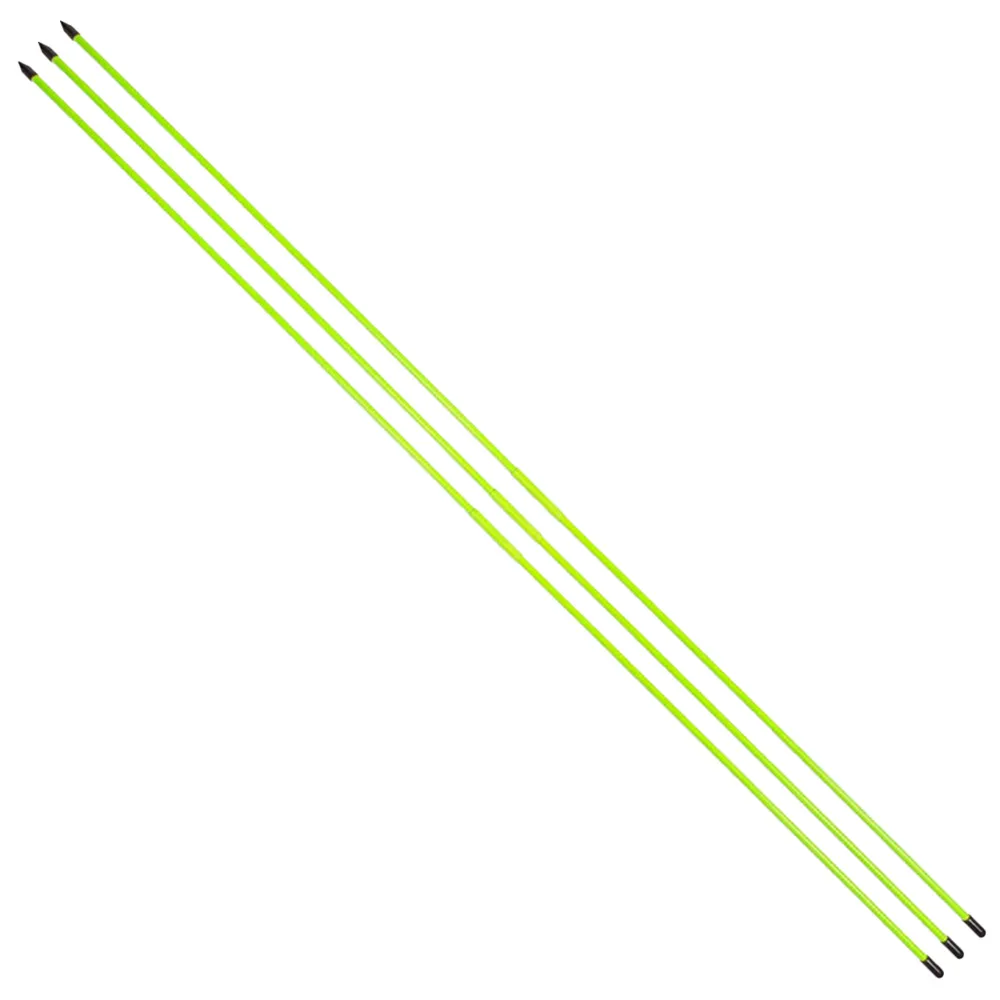
Your ball goes right because your clubface is open at impact — usually from a weak grip, an over-the-top swing path, or early hip clearing. Strengthen your grip first — this single fix corrects 70% of rightward misses. Our top pick: the Alignment Sticks (~$15).
A golf ball going right is caused by an open clubface at impact — this accounts for 85 percent of right-miss shots. The face angle determines starting direction, and the spin axis determines curve. An open face with an out-to-in swing path creates a slice (starts left, curves right). An open face with an in-to-out path creates a push (starts right, stays right). The fix for both: strengthen your grip by rotating both hands clockwise on the club until you see 2.5 knuckles on your left hand at address.
A golf ball that goes right (for a right-handed golfer) has one root cause: the clubface is open relative to the swing path at impact. Understanding which specific cause applies to you determines the fix. Here are the four most common causes, from most to least frequent.
Update Log — last updated Apr 14, 2026 ▼
Apr 14, 2026Annual freshness review — verified pricing and availability.
Cause 1: Weak grip (most common)
A weak grip — where both hands are rotated toward the target, showing fewer than 2 knuckles on the lead hand — makes it mechanically very hard to square the face at impact. It is the single most common cause of a ball going right. Fix: strengthen your grip by rotating both hands away from the target until you can see 2.5 knuckles on your lead hand. The ball will feel like it is going left initially — that is the face squaring for the first time.
For a shortlist matched to your swing speed and feel preference, run the golf ball finder.
Cause 2: Over-the-top swing path
An over-the-top swing (club comes from outside the target line on the downswing) produces a slice when combined with an open face. Fix: place an alignment stick 6 inches outside your ball during range sessions. Practice swinging without hitting the stick — this forces an inside-out path. Do not try to fix this without first checking your grip.
Cause 3: Early extension
Early extension happens when your hips thrust toward the ball on the downswing. This pushes the club face open through impact. A putting mirror or impact recording on your phone will reveal whether this is happening. Fix: during practice swings, focus on keeping your hip depth constant through impact — feel like your hips rotate around, not toward the ball.
Equipment: is your shaft too stiff?
A shaft that is too stiff for your swing speed does not flex enough to square the face at impact, producing a shot to the right. If you hit the ball reasonably on center but it consistently goes right even with a strong grip, visit a fitting center and get your swing speed measured. Most recreational male golfers swing between 75–95 mph — regular flex is correct for most, not stiff.
The Grip Fix: 90 Seconds to Straighter Shots
Rotate both hands clockwise on the grip (for right-handed golfers) until you see 2.5 knuckles on your left hand when you look down at address. This stronger grip position naturally closes the clubface through impact. Most golfers who slice have a weak grip where only 1 to 2 knuckles are visible, which leaves the face open at impact. The adjustment feels uncomfortable for the first 20 swings but becomes natural within one range session. This is the single fastest fix for a right-miss — no swing changes required.
Alignment Check: You Might Be Aiming Right
Before changing your swing, check your aim. Place a club on the ground pointing at your target and step behind the ball to verify. Most golfers who think they aim straight are actually aligned 10 to 20 yards right of their target. The ball goes right because you are aimed right — the swing is fine. At the range, always place an alignment stick on the ground parallel to your target line. On the course, pick a specific target 3 feet in front of your ball on your target line and align your clubface to that spot. This intermediate target technique is used by every tour player.
Why does my ball go right with my driver but not my irons?
Driver shafts are longer and faces have less loft — both amplify any face-open tendency. If it only affects your driver, start with grip strength and make sure your ball position is 2–3 inches inside your lead heel (not too far forward, which opens the face further).
Is a ball going right a slice or a push?
If the ball starts right AND curves further right, that is a slice (open face relative to path). If the ball starts right and flies straight right, that is a push (swing path is right of target with a square face). Different causes, different fixes. Most recreational golfers have a slice, not a push.
How quickly can I fix a ball going right?
Strengthening your grip can produce a noticeable change within a single range session. The feeling is uncomfortable at first — stick with it through two or three sessions before judging. Path issues take longer to fix (2–4 weeks of deliberate practice).
Match your swing speed to the perfect golf ball in 10 seconds. 37 balls color-coded by compression, cover, and price. One printable page, free.
No spam. Unsubscribe any time.
Check your inbox — the compression cheat sheet is on its way!
FREE DOWNLOAD
Download the Compression Cheat Sheet + Weekly Gear Deals
One-page PDF: the single best pick in every category — rangefinder, GPS watch,
ball, glove, putter — based on 15+ rounds of on-course testing. Print it, take it to the store, and stop second-guessing.
No spam. Unsubscribe any time. We email ~twice a month with gear updates.
✅ Check your inbox — the cheat sheet is on its way!
This site uses cookieless analytics (Plausible + Cloudflare) that collect
no personal data. Affiliate links earn us a commission at no cost to you.
Privacy policy.