In this guide 6 sections
The average male golfer loses about 3 mph of driver speed per decade after 30, accelerating after 60. Knowing where you stand for your age helps you pick the right shaft flex, ball compression, and driver loft — the three cheapest ways to recover lost distance.
Our #1 Pick: ~$140 at Amazon — Check Today's Price ↗Read the full guide below for all 2 products tested.
The average male golfer swings a driver at 93.4 mph and the average female golfer at 65.7 mph. Men peak at 100 mph in their 20s and decline to about 80 mph by their 70s. These averages determine your ideal shaft flex, ball compression, and club head design. Your swing speed determines which shaft flex, ball compression, and driver loft will maximize your distance. Here is where the average golfer stands at every age — and what to do about it.
Average Driver Swing Speed by Age
Driver club head speed is the most commonly tracked measure of athletic performance in golf. The table below reflects aggregated data from launch monitor studies, TrackMan research, and USGA shot-tracking databases — these are recreational golfer numbers, not Tour averages.
| Age | Male Avg | Female Avg | Male 75th %ile | Male 25th %ile | Est. Carry |
|---|---|---|---|---|---|
| 20–29 | 100 mph | 72 mph | 108 mph | 93 mph | 230–250 yds |
| 30–39 | 97 mph | 70 mph | 105 mph | 90 mph | 220–240 yds |
| 40–49 | 94 mph | 68 mph | 102 mph | 87 mph | 210–230 yds |
| 50–59 | 90 mph | 65 mph | 98 mph | 83 mph | 195–215 yds |
| 60–69 | 85 mph | 62 mph | 93 mph | 78 mph | 180–200 yds |
| 70+ | 79 mph | 57 mph | 87 mph | 72 mph | 160–180 yds |
The overall trajectory from 20s to 70+ represents a loss of about 21 mph for the average male golfer — roughly 3 mph per decade, accelerating after 60. What matters for equipment decisions: a male golfer in his 30s at 97 mph and one in his 40s at 94 mph are separated by just 3 mph, which translates to only 7–10 yards of driver carry. The equipment adjustments that recover those yards are cheap: correct shaft flex, matched ball compression, and optimized driver loft.
For female golfers, the decline follows a similar curve. The average female golfer in her 20s at 72 mph produces roughly 165–175 yards of carry. By the 70s, 57 mph carries the ball 130–140 yards. At every speed, the right equipment matters more than swing changes — see our best clubs for slow swing speeds guide.
Average 7-Iron Speed by Age
The 7-iron is the standard reference club for iron speed — it sits in the middle of the bag and is the club most golfers have the most data on. These numbers help determine iron shaft flex, which is different from driver shaft flex for many golfers.
| Age | Male Avg | Female Avg | Est. Carry |
|---|---|---|---|
| 20–29 | 80 mph | 60 mph | 145–155 yds |
| 30–39 | 78 mph | 58 mph | 140–150 yds |
| 40–49 | 76 mph | 55 mph | 135–145 yds |
| 50–59 | 73 mph | 52 mph | 125–135 yds |
| 60–69 | 69 mph | 49 mph | 115–125 yds |
| 70+ | 65 mph | 45 mph | 105–115 yds |
7-iron speed is typically 75–80% of driver speed. If your driver speed is 94 mph and your 7-iron is only 68 mph (72%), you are likely decelerating through impact with irons — a common issue that costs 10–15 yards. A lesson focused on iron tempo or a switch to more forgiving irons can close that gap without changing your swing mechanics.
For a detailed breakdown of distances across every club, see our average distances guide.
Why Swing Speed Declines with Age
Speed loss is not inevitable — it is largely about declining flexibility and reduced fast-twitch muscle fiber recruitment. Understanding the cause helps you target the right fix.
Flexibility (biggest factor): The average office worker loses 8–10 degrees of shoulder turn per decade after 30. Less turn means a shorter backswing, which means less time to accelerate the club. A 10-minute pre-round stretching routine can recover 3–5 mph immediately and 5–8 mph over a season of consistent flexibility work.
Fast-twitch muscle loss: After 40, the body preferentially loses fast-twitch muscle fibers — the ones responsible for explosive speed. Overspeed training (swinging lightweight clubs faster than normal) retrains the neuromuscular system to recruit these fibers. The SuperSpeed Golf system ($140) produces typical gains of 5–8 mph over 6–8 weeks.
Equipment mismatch (cheapest fix): Most golfers over 50 are playing shafts that are too heavy and too stiff for their current speed. Dropping from a 65g stiff shaft to a 50g regular shaft can add 2–3 mph with zero swing changes. Similarly, switching from a low-compression tour ball to a speed-matched ball adds 5–8 yards for free.
How to Maintain Speed After 40
SPEED TRAINING
SuperSpeed Golf Set
The golfers who keep their speed into their 60s share three habits, and none of them involve buying a new driver:
1. Stretch daily, not just before golf. Hip flexor stretches, thoracic spine mobility, and shoulder rotation drills — 10 minutes a day keeps your turn full. This is the single highest-ROI activity for aging golfers.
2. Overspeed train 3x per week. Products like SuperSpeed Golf ($140) and The Stack System ($299) use progressively lighter clubs to train your nervous system to fire faster. Typical results: 5–8 mph gain in 6 weeks, maintained with 2x/week sessions. See our full speed trainer review.
3. Optimize equipment every 5 years. Shaft technology, ball technology, and driver head design all evolve on 3–5 year cycles. A driver from 2018 with the wrong shaft for your current speed is leaving 10–15 yards on the table compared to a current-gen forgiving driver fitted to your actual numbers.
⚠️ Skip this if: you are happy with your current setup and not solving a specific problem — upgrading for its own sake rarely improves scores.
⚖️ Affiliate link — we earn a small commission at no extra cost to you.
Gear Matched to Your Speed
MEASURE FIRST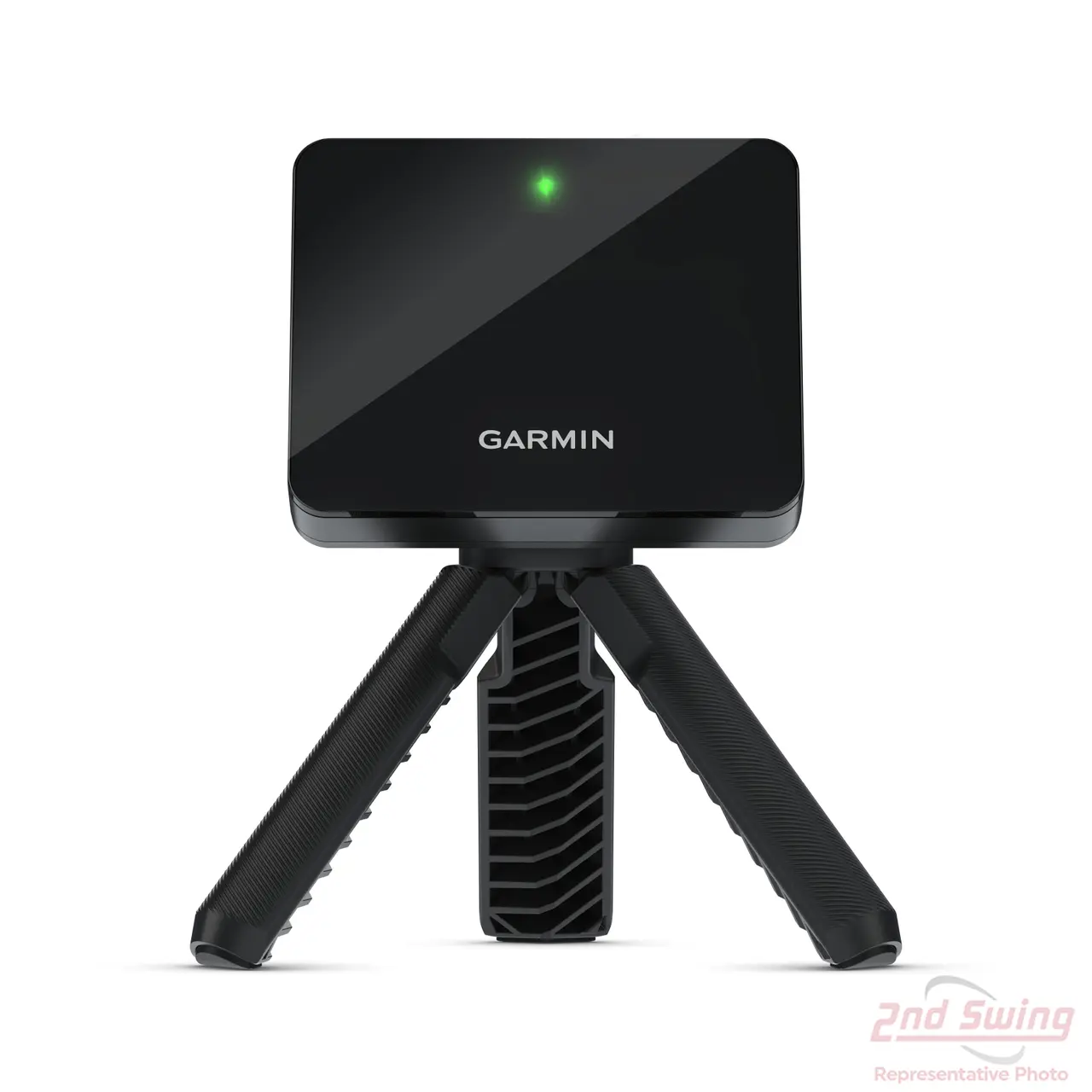
Garmin Approach R10
Once you know your club head speed, use these ranges to pick the right equipment:
| Driver Speed | Shaft Flex | Ball Compression | Driver Loft | Our Pick |
|---|---|---|---|---|
| Under 75 mph | Ladies / Senior | 40–60 | 13–15° | Best slow-speed balls |
| 75–85 mph | Senior / Regular | 50–70 | 11–13° | Best slow-speed clubs |
| 85–95 mph | Regular | 70–90 | 10–11° | Best mid-speed balls |
| 95–105 mph | Stiff | 90–100 | 9–10.5° | Best tour balls |
| 105+ mph | X-Stiff | 100+ | 8–9.5° | Best drivers ranked |
Don't know your swing speed? A personal launch monitor is the most accurate way to find out — the Garmin R10 measures club head speed to within 1–2 mph for $490. Or use our free swing speed chart to estimate based on your typical driver distance.
⚠️ Skip this if: spin accuracy is critical — the R10 calculates spin rather than measuring it directly.
⚖️ Affiliate link — we earn a small commission at no extra cost to you.
Who Should Buy This — And Who Should Skip It
- Golfers checking if their swing speed is normal for their age
- Equipment buyers matching speed to shaft flex and ball compression
- Anyone tracking fitness and speed changes over time
- Tour-level golfers with access to professional speed data
- Anyone who already knows their exact launch monitor numbers
- Golfers not interested in equipment matching
🎯 Our Recommended Gear
SuperSpeed Golf Set
~$140 — the product we use and recommend for this topic.
Frequently Asked Questions
What is the average swing speed for a male golfer?
How much swing speed do you lose per decade?
What swing speed do I need for a stiff shaft?
Can I increase my swing speed after 50?
How do I measure my swing speed at home?
⚖️ Still deciding between two?
These head-to-head comparisons test the exact products from this guide side by side.
Related Guides
More from these brands
🏢 More for Cubicle Golfers
You work 9-to-5. Golf is your weekend reset. These guides are built for your schedule.
Ready to find the right gear?
Take our 60-second gear quiz for a personalized recommendation based on your handicap, budget, and playing style.
Take the Gear Quiz → Browse All Reviews