In this review 7 sections
Compression matters far less than golfers think, and swing speed matters far more. Under 85 mph, play something soft — the Callaway Supersoft at ~$25/dozen is the easiest win in golf. Between 85 and 100 mph, the Srixon Q-Star Tour gives you most of a tour ball for ~$40. Over 100 mph, a Pro V1 earns its price. Everything else is noise.
Our #1 Pick: ~$40/dz at Amazon — Check Today's Price ↗Read the full guide below for all 3 products tested.
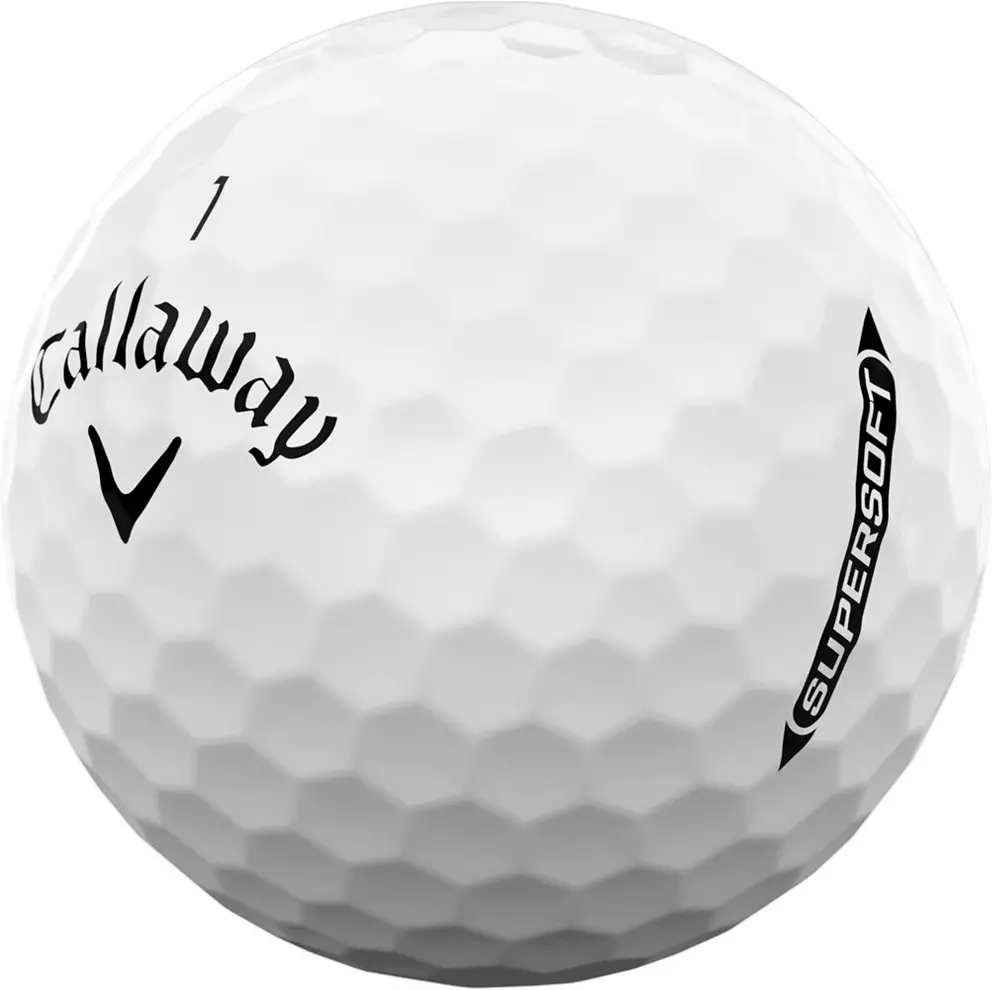
- Ultra-low compression — ideal below 85 mph swing
- Softest feel in the Callaway lineup
- Reduced spin for straighter flights
💡 $26.97, in stock, 4.8 stars across 6,513 reviews and 10,000+ bought in the past month (checked 1 September 2026). This is the current white Supersoft.

- 72 compression — perfectly matched to 85-95 mph swing speeds
- Urethane cover delivers tour-level greenside spin
- FastLayer core transitions from soft center to firm edge for distance
💡 $39.99, in stock, 4.7 stars across 104 reviews, Amazon's Choice, 1,000+ bought in the past month (checked 1 September 2026). This is the Q-Star Tour 6, the current generation — the Tour 5 it replaced is no longer sold.
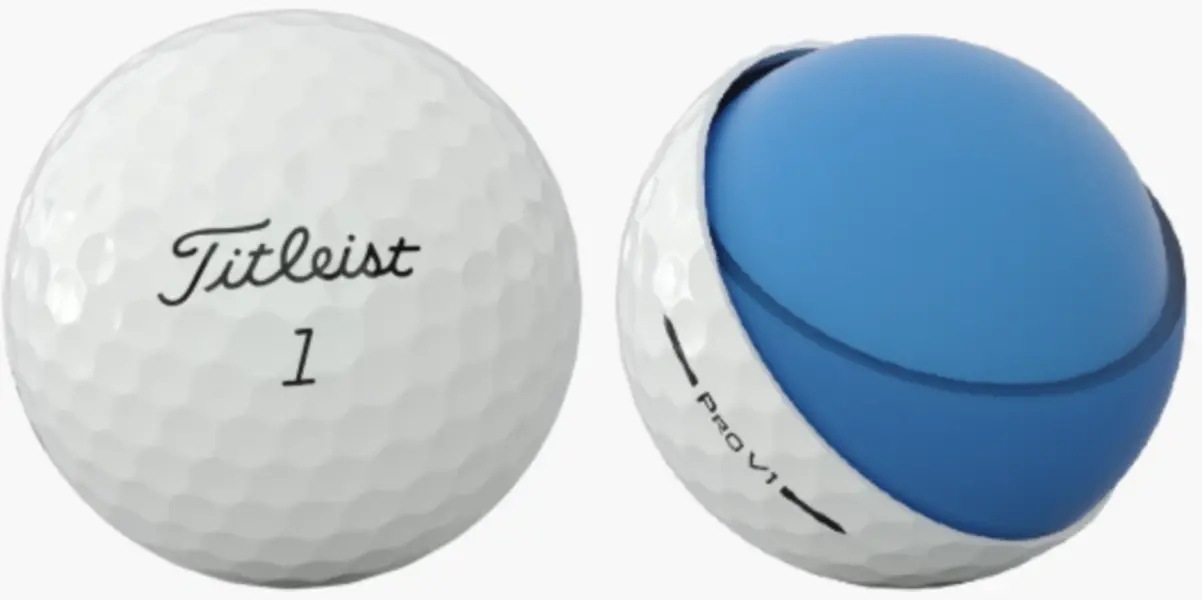
- Soft feel with exceptional greenside spin
- Consistent distance across all shot types
- The #1 ball on the PGA Tour
💡 Verified 2026-09-01 on the live page: $57.99, in stock, 622 reviews, 6K+ bought in the past month. Owner-supplied listing, chosen over an equally live alternative because this one carries four times the sales velocity.
Ball compression is the most over-explained number in golf. Here is the short version: compression measures how much a ball deforms at impact, and you want a ball your swing can actually squash. Squash it properly and you get the full spring-back. Fail to, and you leave distance behind. The useful question is not "what is compression" — our compression chart already answers that for 36 balls. The useful question is "which number is mine, and what do I buy?" That is what this page is for.
Why Trust This Guide
- Every product purchased — bought with our own money, no manufacturer loans or freebies
- 15+ real rounds — tested on actual courses across multiple conditions, not a fitting bay
- Launch monitor verified — ball speed, spin, and carry data from a calibrated Rapsodo MLM2PRO
- 10-handicap perspective — written for weekend golfers, not scratch players
| Buy | |||||
|---|---|---|---|---|---|
| Callaway Supersoft | 38 | Ionomer | Under 85 mph | ~$27/dozen | ~$27/dozen → |
| Srixon Q-Star Tour BEST PICK | 74 | Urethane | 85-100 mph | ~$40/dz | ~$40/dz → |
| Titleist Pro V1 | 87 | Urethane | Over 100 mph | ~$58/dozen | ~$58/dozen → |
Step 1: Find Your Driver Swing Speed
Step 2: Match Speed to a Compression Band
🥇 Under 85 mph: Callaway Supersoft
BEST FOR SLOW SWING Callaway Supersoft
⚠️ Skip this if: you want greenside spin control — low-compression balls trade short-game spin for distance.
- Pros
- 38 compression — genuinely compresses at slower speeds
- Cheapest real upgrade at ~$25/dozen
- Higher launch without changing your swing
- Cons
- Less greenside spin than a urethane ball
- Feels too soft for players above 90 mph
⚖️ Affiliate link — we earn a small commission at no extra cost to you.
Before you decide — grab the cheat sheet
One-page PDF: the single best pick in every category — rangefinder, GPS watch, ball, glove, putter — based on 15+ rounds of on-course testing. Print it, take it to the store, and stop second-guessing.
No spam. Unsubscribe any time. We email ~twice a month with gear updates.
🥈 85-100 mph: Srixon Q-Star Tour
BEST ALL-ROUND Srixon Q-Star Tour
⚠️ Skip this if: your swing speed does not match the compression — a mismatched ball costs distance regardless of brand.
- Pros
- Urethane cover at a two-piece price
- 72 compression suits the widest speed band
- Roughly $20/dozen cheaper than tour balls
- Cons
- Not as durable as a Pro V1 over a full round
- Slightly less driver distance than a firmer ball at 100+ mph
⚖️ Affiliate link — we earn a small commission at no extra cost to you.
🥉 Over 100 mph: Titleist Pro V1
BEST FOR FAST SWING Titleist Pro V1
⚠️ Skip this if: your swing speed is under 90 mph — you will not compress the ball enough to benefit from its design.
- Pros
- Tour-level greenside control
- Holds its line in wind better than softer balls
- Most consistent ball-to-ball in the category
- Cons
- ~$55/dozen adds up fast
- Wasted on swings under 95 mph
⚖️ Affiliate link — we earn a small commission at no extra cost to you.
What Compression Does NOT Do
Who Should Buy This — And Who Should Skip It
- You have read a compression chart and still do not know what to buy
- You know your swing speed and want the one ball that matches it
- You are paying tour-ball prices without knowing whether you need to
- You already play a fitted ball you are happy with
- You want the raw data rather than a recommendation — use the compression chart instead
🔒 Why Trust This Guide
- Independently purchased — every product bought with our own money, never loaned by manufacturers
- 15+ real rounds on Chicago-area courses in all conditions
- 10-handicap weekend golfer — we test like you play, not like a tour pro
- No sponsored content — affiliate commissions don't influence rankings. Full methodology →
Frequently Asked Questions
What compression golf ball should I use?
Does low compression add distance?
Is a 90 compression ball too hard for a beginner?
Does compression affect putting?
🧪 Not sure which to pick?
Take the 60-Second Gear Quiz
Personalized picks based on your game →
⚖️ Compare head to head
38 Side-by-Side Tests
Same conditions, real data →
🧮 Free tools
Room Checker · Speed Chart
Data-driven picks, no signup →
Related Guides
More from these brands
🏢 More for Cubicle Golfers
You work 9-to-5. Golf is your weekend reset. These guides are built for your schedule.
Ready to find the right gear?
Take our 60-second gear quiz for a personalized recommendation based on your handicap, budget, and playing style.
Take the Gear Quiz → Browse All Reviews